
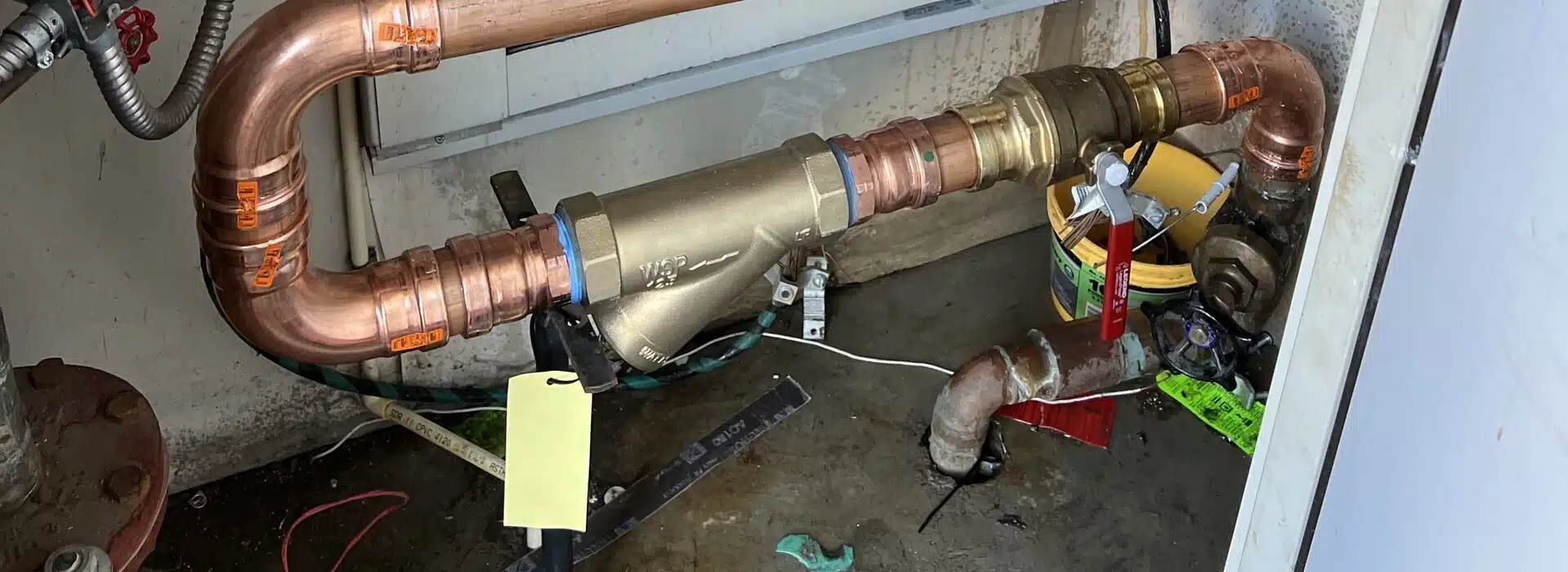
Backflow prevention in Denver is essential for protecting clean water supplies from contamination due to pressure failures in the city's water distribution system. The process involves installing, testing, and maintaining specialized devices that act as one-way valves to prevent contaminated water from reversing into potable water lines.
- Denver's unique elevation and climate create specific backflow risks that require local expertise. Pressure fluctuations and seasonal demand spikes can lead to backflow events in unprotected systems.
- Cardom Plumbing & Heating offers a systematic approach to backflow prevention, including hazard classification and professional installation of appropriate devices.
- Annual testing and maintenance are crucial for compliance, and Cardom ensures all installations meet Denver Water requirements while providing clear communication throughout the process.
Backflow prevention is a safety measure designed to stop contaminated water from flowing back into clean water supply lines. In Denver, where the water distribution system operates under pressure, backflow prevention protects homes and the municipal water system from potential contamination, ensuring safe drinking water for residents.
Backflow Prevention Services in Denver, CO
That morning cup of coffee tastes different when you consider what might be flowing backward through your pipes. Denver's complex water distribution system operates under pressure – and when that pressure fails or reverses, contaminated water can flow back into your clean supply lines. Backflow prevention protects your family, your property, and the entire municipal water system from cross-contamination events that happen more often than most homeowners realize.
Backflow prevention involves installing, testing, and maintaining specialized devices that act as one-way valves in your plumbing system. These assemblies prevent contaminated water from irrigation systems, boilers, fire suppression systems, or industrial equipment from reversing course into potable water supplies. Professional diagnosis matters because backflow preventers must be matched to specific hazard levels – a residential irrigation system requires different protection than a commercial boiler connection.
Denver's unique conditions create specific backflow risks that demand local expertise:
- Elevation at 5,280 feet affects water pressure dynamics and device calibration requirements
- Extreme temperature swings from winter lows to summer highs stress mechanical components
- Aging infrastructure in established neighborhoods creates pressure fluctuation zones
- Municipal requirements through Denver Water mandate annual testing for many installations
Understanding your property's backflow risks starts with knowing what connects to your water supply and how pressure changes throughout the day and season.
Common Plumbing Issues in Denver, CO
Pressure Fluctuations and System Stress
Denver's water distribution system serves a sprawling metropolitan area with significant elevation changes. Properties in neighborhoods like Capitol Hill, Highlands, and Green Mountain experience different baseline pressures than those in lower-lying areas near the South Platte River. When Denver Water performs maintenance, fights fires, or responds to main breaks, pressure drops can trigger backflow events in unprotected systems.
The city's semi-arid climate creates seasonal demand spikes that compound these issues. Summer irrigation loads can drop system pressure dramatically during peak watering hours, creating the negative pressure conditions that pull contaminated water backward through cross-connections.
Climate-Driven Component Failures
Denver's temperature extremes punish backflow prevention devices. Winter temperatures regularly drop below freezing, and the city averages 57 days per year with temperatures at or below 32°F. Backflow preventers installed outdoors or in unheated spaces face freeze damage that cracks housings, warps check valves, and destroys internal seals. Spring thaw often reveals failures that occurred months earlier.
Summer brings its own challenges – UV exposure degrades plastic components, and thermal expansion stresses metal fittings during 90°F+ afternoon temperatures followed by cool mountain nights.
Warning Signs Denver Residents Should Monitor
- Discolored water appearing after irrigation system use or pressure changes
- Unusual tastes or odors in tap water – especially sulfur, chlorine, or chemical smells
- Visible leaking from backflow preventer housings or test cocks
- Failed annual test results requiring immediate repair or replacement
- Reduced water pressure throughout the home during peak usage times
- Water meter running when no fixtures are in use – indicating potential cross-connection leaks
Local Factors Affecting Backflow Prevention Needs
- Infrastructure age: Many Denver neighborhoods have water mains installed between 1920-1960, creating pressure inconsistencies
- Irrigation prevalence: Denver's dry climate means most properties have sprinkler systems – the most common backflow hazard for residential properties
- Basement boiler systems: Older homes with hydronic heating require dedicated backflow protection at boiler fill connections
- Pool and hot tub installations: Chemical treatment systems create high-hazard cross-connections requiring reduced pressure zone assemblies
- Home business operations: Photography labs, salons, and medical offices trigger commercial-grade protection requirements
- Altitude effects: Standard pressure calculations require adjustment for Denver's elevation, affecting device sizing and selection
How Cardom Plumbing & Heating Can Help
Our Backflow Prevention Process
Cardom Plumbing & Heating approaches backflow prevention systematically, addressing both immediate compliance needs and long-term system protection. Our process ensures your installation meets Denver Water requirements while providing reliable contamination prevention.
- Initial Assessment: We survey your property to identify all cross-connections, potential hazards, and existing protection devices. This includes irrigation systems, boiler connections, water features, and any commercial or industrial water uses.
- Hazard Classification: Each cross-connection receives a hazard rating – low, medium, or high – determining the type of backflow preventer required. Swimming pools and chemical injection systems require different protection than simple hose bibs.
- Device Selection: We match the appropriate assembly to each hazard level, considering installation location, freeze protection needs, and maintenance accessibility. Options include atmospheric vacuum breakers, pressure vacuum breakers, double check valves, and reduced pressure zone assemblies.
- Professional Installation: Our technicians install devices according to manufacturer specifications and local code requirements, ensuring proper orientation, clearances, and drainage provisions.
- Certification Testing: Every new installation receives immediate testing using calibrated gauges to verify proper operation. We document results and submit required paperwork to Denver Water.
- Annual Testing Coordination: We schedule and perform required annual tests, maintaining your compliance records and notifying you before certification deadlines.
Methods and Techniques
Our diagnostic and installation approaches reflect Denver's specific conditions and requirements:
- Pressure differential testing: Using calibrated test equipment to verify check valve tightness and relief valve operation
- Freeze protection assessment: Evaluating installation locations for winter exposure and recommending insulation, heat tape, or relocation when necessary
- Cross-connection surveys: Systematic identification of all potential contamination pathways on your property
- Component replacement: Rebuilding existing devices with manufacturer-approved repair kits when full replacement isn't necessary
- Winterization services: Draining and protecting outdoor assemblies before freeze season to prevent costly damage
Quality Control and Communication
Every backflow preventer installation includes post-installation verification testing. We don't consider a job complete until the device passes certification requirements. You receive copies of all test results, installation documentation, and compliance certificates for your records.
We communicate throughout the process – explaining what we find during assessments, discussing options before proceeding with work, and providing clear instructions for any homeowner responsibilities related to seasonal maintenance or system operation.
Why Choose Cardom Plumbing & Heating
Backflow prevention requires specialized certification beyond standard plumbing licenses. Cardom Plumbing & Heating employs technicians who hold Colorado-recognized backflow prevention assembly tester certifications, maintaining current credentials through required continuing education. We carry the calibrated test equipment necessary for accurate certification testing – equipment that undergoes annual calibration verification.
Our Denver presence means we understand local requirements intimately. We know which Denver Water districts require annual testing, which device types meet current code requirements, and how to navigate the permit and inspection process efficiently. When pressure problems or main breaks affect your neighborhood, we respond with the local knowledge to diagnose backflow-related issues quickly.
What Sets Us Apart
- Same-day emergency response: Backflow failures can contaminate your water supply immediately – we prioritize these calls
- Direct Denver Water coordination: We handle paperwork submission and maintain relationships with inspection departments
- Comprehensive service records: We track your devices, test dates, and compliance deadlines so you don't have to
- Repair-first approach: When possible, we rebuild existing devices rather than requiring full replacement
- Freeze damage prevention: We proactively contact customers before winter to schedule winterization services
Our technicians explain what they find in plain language. You'll understand why specific protection is required, how your devices work, and what maintenance keeps them functioning properly. We believe informed customers make better decisions about their plumbing systems.
Housing Characteristics & Backflow Prevention Considerations
Historic Neighborhoods and Aging Infrastructure
Denver's housing stock spans more than a century of construction practices, each era presenting distinct backflow prevention challenges. Victorian-era homes in neighborhoods like Curtis Park and Five Points – some dating to the 1880s – often have plumbing systems modified multiple times over their lifespan. These properties frequently contain unidentified cross-connections from previous renovations, including abandoned irrigation connections and legacy boiler systems.
Bungalows and Denver Squares built between 1900-1930 dominate neighborhoods like Park Hill, Congress Park, and Platt Park. These homes typically feature:
- Basement utility connections with original galvanized piping
- Hydronic heating systems requiring boiler fill protection
- Detached garage structures with separate water feeds
- Mature landscaping with irrigation systems added decades after original construction
Mid-Century and Modern Construction
Post-war homes built during Denver's 1950s-1970s expansion introduced standardized plumbing practices but also widespread irrigation system installation. Ranch homes in neighborhoods like Harvey Park, University Hills, and Montbello almost universally include sprinkler systems – the single most common backflow hazard in residential properties.
Newer construction in areas like Stapleton, Green Valley Ranch, and Lowry follows current code requirements with backflow prevention installed during original construction. However, these properties require ongoing annual testing and eventual device replacement as components age.
Property-Specific Considerations
- Homes with wells: Properties in unincorporated areas may have both well water and municipal connections – creating cross-contamination risks requiring isolation
- Multi-unit buildings: Duplexes, fourplexes, and apartment buildings need protection at building service entrances and individual unit connections
- Properties with detached structures: Accessory dwelling units, workshops, and pool houses often have separate water feeds requiring independent protection
- Commercial-residential mixed use: Live-work spaces and home-based businesses may trigger commercial backflow requirements
Environmental Conditions & Backflow Prevention Implications
Water Quality and Municipal Treatment
Denver Water serves approximately 1.5 million people through one of the most complex water collection systems in the nation, drawing from multiple mountain watersheds including the South Platte River, Blue River, and Williams Fork. Treatment facilities add chlorine and fluoride while maintaining pH levels appropriate for the system's diverse pipe materials. This treated water meets all federal standards – but backflow events can introduce contaminants that treatment cannot address after the fact.
The quality of Denver's municipal water makes protecting it from backflow contamination particularly valuable. Common backflow contaminants include:
- Fertilizers and pesticides from irrigation systems
- Antifreeze and boiler treatment chemicals from heating systems
- Bacteria and organic matter from stagnant irrigation lines
- Pool and spa treatment chemicals
- Industrial chemicals from commercial operations
Climate Impacts on Backflow Prevention Systems
Denver's 300+ days of sunshine and semi-arid climate create specific challenges for backflow prevention equipment. The combination of intense UV exposure, extreme temperature swings, and low humidity accelerates component degradation in outdoor installations.
Seasonal patterns affect backflow prevention in predictable ways:
- Spring: Freeze damage from winter becomes apparent when irrigation systems restart; annual testing deadlines approach
- Summer: Peak irrigation demand creates pressure fluctuations; UV exposure damages exposed components
- Fall: Winterization window opens; last chance for repairs before freeze season
- Winter: Freeze protection becomes critical; indoor installations remain accessible for testing
Soil and Drainage Considerations
Denver's clay-heavy soils create drainage challenges that affect underground backflow installations. Poor drainage around buried or below-grade devices can lead to standing water, accelerated corrosion, and freeze damage. Properties in flood-prone areas near Cherry Creek, the South Platte, or Lakewood Gulch face additional contamination risks during high-water events when surface water can enter compromised plumbing systems.
Soil movement from Denver's expansive clay soils can also stress underground piping connections, potentially creating cross-connections where none existed previously. Regular inspection of below-grade installations helps identify these developing problems.
Denver Water Regulations and Compliance Requirements
Municipal Testing and Certification Mandates
Denver Water maintains one of Colorado's most comprehensive backflow prevention programs, requiring annual testing for thousands of devices throughout the service area. The utility's Cross-Connection Control Program identifies properties with potential contamination hazards and mandates appropriate protection based on hazard classification. Failure to comply can result in water service termination – making backflow prevention both a safety issue and a practical necessity.
Key regulatory requirements affecting Denver property owners include:
- Annual testing: All testable backflow prevention assemblies must be tested by certified testers and results submitted to Denver Water within specified timeframes
- Certified tester requirement: Only testers holding current Colorado certification may perform compliance testing
- Device registration: New installations must be registered with Denver Water and tested immediately upon installation
- Repair timelines: Failed devices must be repaired and retested within 30 days of failure notification
- Replacement standards: Devices must meet current ASSE or USC Foundation approval standards
Compliance Statistics and Trends
Denver Water tracks approximately 45,000 backflow prevention devices throughout its service area, with residential irrigation systems representing the largest category. The utility reports that roughly 8-12% of devices fail annual testing – primarily due to worn check valve components, debris accumulation, or freeze damage. These failure rates increase significantly for devices older than 10 years or those installed in exposed outdoor locations.
Recent program updates have expanded requirements to include previously exempt property types and increased enforcement of testing deadlines. Property owners who miss testing deadlines receive violation notices with escalating consequences – making proactive compliance management increasingly valuable.
How Regulations Affect Service Delivery
Denver's regulatory environment shapes how Cardom Plumbing & Heating approaches backflow prevention services. We maintain current knowledge of Denver Water requirements, track customer compliance deadlines, and coordinate directly with utility departments when questions arise. Our testing procedures follow Denver Water's accepted protocols, ensuring test results meet submission requirements without delays or rejections.
For property owners, this regulatory framework means backflow prevention isn't optional – it's a condition of continued water service. Working with a qualified local provider ensures your property remains compliant while your water supply stays protected from contamination events.