
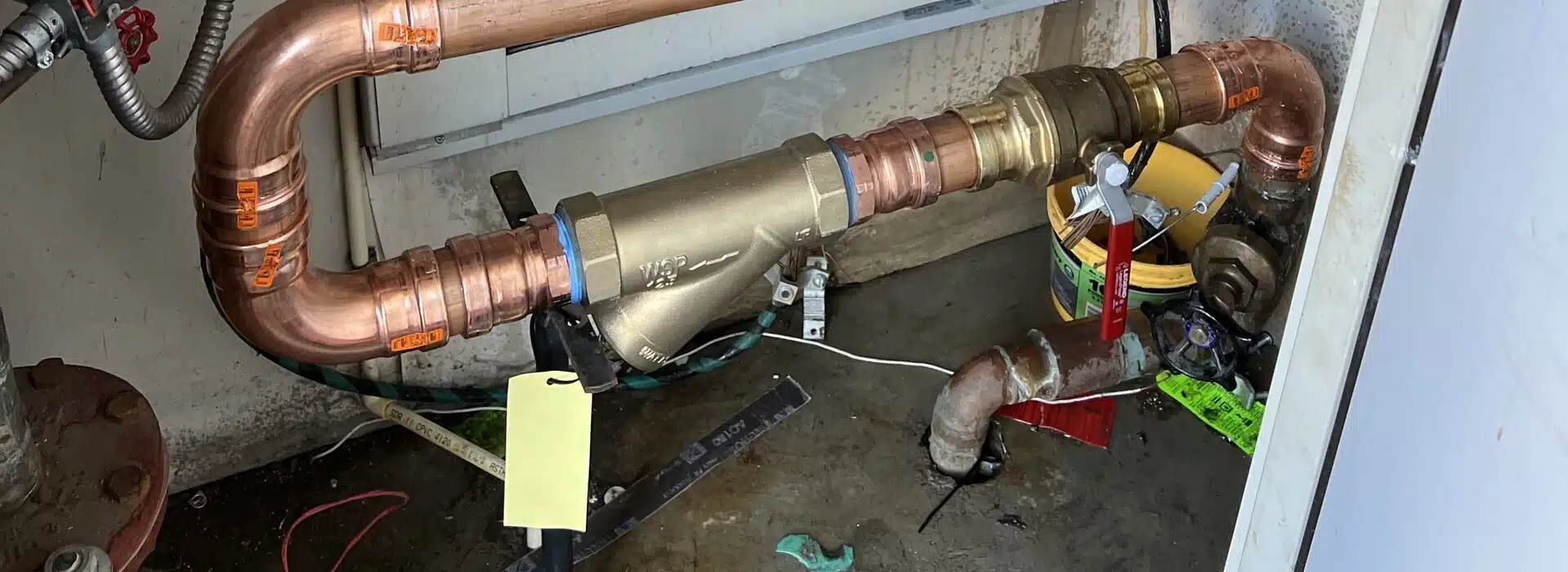
Backflow prevention is essential for protecting drinking water in Lakewood, CO, as it prevents contamination from various sources. Many homeowners overlook this critical safeguard until issues arise, making professional installation and maintenance vital.
- Backflow prevention devices act as one-way valves to keep contaminants out of potable water. They automatically seal when reverse flow conditions are detected, ensuring safe drinking water.
- Lakewood's unique plumbing landscape, including elevation and aging infrastructure, creates specific backflow risks that require tailored solutions.
- Our certified technicians provide thorough assessments, precise installations, and rigorous testing to maintain compliance with local regulations and protect community water supply.
Backflow prevention is a method used to protect drinking water from contamination caused by the reverse flow of water in plumbing systems. This safeguard is essential for homeowners, as changes in pressure can allow harmful substances from irrigation systems or other sources to enter the potable water supply.
Backflow Prevention Services in Lakewood, CO
That morning cup of coffee tastes different when you consider what might be flowing backward through your pipes. Backflow prevention protects your drinking water from contamination – a critical safeguard that many Lakewood homeowners overlook until something goes wrong. When pressure changes occur in your plumbing system, water can reverse direction, potentially pulling contaminants from irrigation systems, boilers, or industrial connections directly into your potable water supply.
Backflow prevention involves installing and maintaining specialized devices that act as one-way valves in your water system. These mechanisms automatically seal when they detect reverse flow conditions, keeping fertilizers, chemicals, bacteria, and other hazardous substances out of your clean water lines. Professional diagnosis matters here because improper installation or failed devices create a false sense of security while leaving your family exposed to serious health risks.
Lakewood's unique plumbing landscape creates specific backflow concerns. The city's elevation of approximately 5,500 feet affects water pressure dynamics differently than lower-altitude communities. Aging infrastructure in established neighborhoods like Eiber and Two Creeks combines with newer developments to create varying pressure zones throughout the municipal system. Denver Water's extensive distribution network serving Lakewood requires coordinated backflow prevention to protect both individual properties and the broader community water supply.
- Protects drinking water from cross-contamination with irrigation chemicals, heating system fluids, and sewage
- Maintains compliance with Colorado Department of Public Health regulations and local codes
- Prevents costly water quality violations and potential liability issues
- Preserves the integrity of your entire plumbing system through proper pressure management
Common Backflow Issues in Lakewood, CO
Lakewood sits at the intersection of several factors that make backflow prevention particularly relevant. The city's water supply comes primarily from Denver Water, which serves the region through a complex network of reservoirs, treatment plants, and distribution mains. Pressure fluctuations occur regularly during peak usage periods, seasonal demand shifts, and when fire hydrants are opened for emergencies or maintenance. Each pressure drop creates potential backflow conditions throughout connected properties.
The housing stock in Lakewood spans multiple decades, from mid-century homes in Green Mountain to contemporary builds near Belmar. Older properties often have outdated or non-existent backflow prevention, while some newer homes may have devices that have never been tested since installation. Irrigation systems present the most common backflow risk – those lawn chemicals and fertilizers can siphon directly into drinking water lines when sprinklers create negative pressure during operation.
Seasonal Considerations
Colorado's freeze-thaw cycles stress backflow preventers significantly. Winter temperatures in Lakewood regularly drop below freezing, causing expansion and contraction that can crack device housings or damage internal seals. Spring brings increased irrigation demand and higher contamination risk as residents apply lawn treatments. Summer monsoon season creates pressure surges throughout the water system, testing backflow devices repeatedly.
- Elevation-related pressure variations – Lakewood's 5,500-foot altitude affects water pressure calculations and device sizing requirements
- Aging municipal infrastructure – Some distribution mains in older Lakewood neighborhoods date to the 1950s and 1960s
- Widespread irrigation use – The semi-arid climate means most properties rely heavily on lawn sprinkler systems
- Radiant heating systems – Many Lakewood homes use hydronic heating that requires isolation from potable water
- Commercial-residential proximity – Mixed-use areas near West Colfax create cross-connection risks between property types
- Freeze damage patterns – Exposed backflow preventers fail frequently during January cold snaps
Warning Signs of Backflow Problems
Watch for these indicators that your backflow prevention may be compromised:
- Discolored water appearing at faucets, especially after irrigation system use
- Unusual tastes or odors in drinking water
- Visible leaking or dripping from backflow preventer assemblies
- Failed annual certification tests
- Reduced water pressure throughout the home
- Gurgling sounds in pipes when sprinklers operate
How Cardom Plumbing & Heating Addresses Backflow Prevention
Our approach to backflow prevention combines thorough assessment with precise installation and rigorous testing. Every property presents unique cross-connection risks that require individualized solutions rather than one-size-fits-all approaches.
Our Backflow Prevention Process
- Initial Property Assessment – We survey your entire plumbing system to identify all potential cross-connections, including irrigation lines, boiler systems, pool fills, and any auxiliary water uses
- Risk Classification – Each connection point receives a hazard rating (high, moderate, or low) based on what contaminants could potentially enter the water supply
- Device Selection – We recommend the appropriate backflow preventer type for each application – whether reduced pressure zone assemblies, double check valves, or atmospheric vacuum breakers
- Professional Installation – Our technicians install devices according to manufacturer specifications and local code requirements, ensuring proper orientation and accessibility
- Certification Testing – Using calibrated test equipment, we verify each device functions correctly and document results for regulatory compliance
- System Documentation – You receive complete records of all installed devices, test results, and maintenance schedules
Methods and Techniques
Different situations call for different backflow prevention strategies. Our technicians are trained in all device types and installation scenarios.
- Reduced Pressure Zone (RPZ) Assemblies – Required for high-hazard applications like irrigation systems with chemical injection or commercial connections
- Double Check Valve Assemblies (DCVA) – Appropriate for moderate-hazard situations where contamination risk exists but isn't immediately health-threatening
- Pressure Vacuum Breakers (PVB) – Cost-effective protection for irrigation systems without chemical injection
- Atmospheric Vacuum Breakers (AVB) – Point-of-use protection for individual fixtures like hose bibbs
- Spill-Resistant Vacuum Breakers (SVB) – Indoor applications where standard vacuum breakers would create water damage during operation
Quality Control and Communication
After installation, we perform comprehensive testing using differential pressure gauges calibrated to industry standards. Test results are recorded and submitted to the appropriate water authority. We explain all findings in plain language and provide maintenance recommendations specific to your installed devices. Follow-up reminders help you stay current with annual certification requirements mandated by Colorado regulations.
Why Choose Cardom Plumbing & Heating
Backflow prevention requires specialized certification beyond standard plumbing licenses. Our technicians hold Colorado-certified backflow tester and cross-connection control credentials, meaning they've completed rigorous training in device operation, testing procedures, and regulatory requirements. This certification requires ongoing education to maintain – we stay current with evolving codes and best practices rather than relying on outdated knowledge.
Local familiarity matters when dealing with backflow prevention in Lakewood. We understand Denver Water's specific requirements, Jefferson County health regulations, and how different Lakewood neighborhoods present varying challenges. Properties near Soda Lakes face different pressure conditions than homes in Applewood. Commercial buildings along Wadsworth have different compliance obligations than residential properties in Green Mountain Village. This granular knowledge prevents costly mistakes and ensures your installation meets all applicable standards.
What Sets Us Apart
- Rapid Response – Failed backflow preventers can leave you without water or create contamination emergencies; we prioritize these calls accordingly
- Complete Documentation – We handle all paperwork and submissions to water authorities, removing administrative burden from property owners
- Winterization Services – Proper seasonal preparation prevents freeze damage that destroys backflow devices during Lakewood's cold months
- Integrated System Knowledge – Our combined plumbing and heating expertise means we understand how boilers, radiant systems, and potable water interact
- Testing Equipment Investment – We maintain calibrated test gauges and stay current with certification requirements rather than cutting corners
Our customer service approach emphasizes education alongside service. We want you to understand why backflow prevention matters, how your specific devices work, and what maintenance keeps them functioning properly. Informed customers make better decisions about their plumbing systems and recognize warning signs before small problems become major failures.
Housing Characteristics & Backflow Prevention Considerations
Lakewood's housing diversity creates a wide spectrum of backflow prevention needs. The city developed primarily between 1950 and 1990, with significant infill construction continuing through the present day. Each era brought different plumbing standards, pipe materials, and cross-connection awareness levels.
Mid-Century Homes (1950s-1960s)
Properties in neighborhoods like Eiber, Morse Park, and older sections of Two Creeks often predate modern backflow prevention requirements. These homes frequently feature:
- Galvanized steel supply lines that may have degraded internal coatings
- Original hose bibbs without vacuum breaker protection
- Irrigation systems added later without proper backflow isolation
- Boiler systems connected directly to potable water without required separation
- Basement floor drains that may allow sewer backup into living spaces
1970s-1980s Construction
Homes built during Lakewood's expansion boom in Green Mountain, Bear Creek, and Applewood areas reflect transitional plumbing codes. Backflow prevention was increasingly required but enforcement varied. Common issues include:
- Undersized or improperly rated backflow devices on irrigation systems
- Copper supply lines with potential cross-connections at water softeners
- Swimming pool and hot tub fills lacking adequate protection
- Fire sprinkler systems in some properties requiring specialized backflow assemblies
Contemporary Construction (1990s-Present)
Newer Lakewood developments near Belmar, along the West Rail Line corridor, and in infill areas generally have code-compliant backflow prevention. However, these properties still require attention:
- Annual testing and certification to maintain compliance
- Device replacement as components age beyond service life
- Verification that original installations were performed correctly
- Updates when property use changes – adding irrigation, hot tubs, or commercial activities
Property age directly correlates with backflow risk. Older homes without updates may have multiple unprotected cross-connections that current codes would prohibit. A comprehensive assessment identifies these vulnerabilities regardless of when your home was built.
Environmental Conditions & Backflow Prevention Implications
Lakewood's environmental factors directly impact both backflow risk and prevention device performance. Understanding these conditions helps property owners maintain effective protection year-round.
Water Quality and Municipal Treatment
Denver Water supplies Lakewood through an extensive treatment and distribution system. Source water comes primarily from mountain snowmelt collected in reservoirs like Dillon and Gross. Treatment includes:
- Ozonation for disinfection and taste improvement
- Chloramine residual for distribution system protection
- pH adjustment to reduce pipe corrosion
- Fluoridation per public health recommendations
This treated water represents a significant investment in public health. Backflow events can introduce contaminants that overwhelm treatment residuals and create localized contamination. A single cross-connection incident can affect multiple properties served by the same distribution main.
Soil and Drainage Effects
Lakewood's clay-heavy soils create specific challenges for buried backflow prevention devices and underground plumbing. Expansive clay swells when wet and shrinks during dry periods, creating movement that can:
- Shift underground piping and stress connection points
- Damage buried backflow device housings
- Create settling that affects device orientation and drainage
- Complicate excavation for repairs and replacements
Climate Impacts on Backflow Systems
The Front Range climate subjects backflow prevention devices to extreme conditions. Temperature swings of 40-50 degrees within 24 hours occur regularly during spring and fall. Winter brings extended freezing periods that can destroy unprotected devices.
- Freeze Protection – Above-ground RPZ assemblies require insulated enclosures or seasonal draining to survive Lakewood winters
- UV Exposure – Colorado's intense sunlight degrades plastic components faster than in lower-altitude locations
- Hail Damage – Severe storms can crack device housings and damage exposed piping
- Thermal Cycling – Repeated expansion and contraction wears seals and gaskets faster than in stable climates
These environmental factors mean Lakewood backflow devices often require more frequent maintenance and earlier replacement than identical devices in milder climates. Annual testing catches developing problems before complete failure occurs.
Water System Infrastructure and Backflow Regulations in Lakewood
Lakewood's water infrastructure reflects decades of development across multiple jurisdictions. Denver Water serves approximately 1.5 million people in the metro area, including Lakewood residents, through over 3,000 miles of distribution mains. Some of these pipes date to the early 1900s, while others were installed within the past decade. This infrastructure age variation creates pressure inconsistencies that directly affect backflow risk throughout the service area.
Colorado's cross-connection control program operates under the Colorado Primary Drinking Water Regulations (5 CCR 1003-1). These regulations require water suppliers to implement backflow prevention programs that protect public water systems from contamination. Denver Water enforces these requirements through mandatory testing and certification of backflow prevention assemblies on a schedule determined by hazard classification.
Local Regulatory Requirements
- All testable backflow prevention assemblies must be tested annually by a certified tester
- Test results must be submitted to Denver Water within specified timeframes
- Failed devices require repair or replacement and successful retest before continued use
- New installations require inspection and initial certification before activation
- Property owners bear responsibility for maintaining compliant backflow protection
Infrastructure Data Points
Understanding the local water system context helps explain why backflow prevention matters in Lakewood specifically:
- Denver Water maintains approximately 19 treatment facilities and 35 storage facilities serving the metro area
- System pressure varies by elevation zone – Lakewood properties span multiple pressure districts
- Main breaks occur periodically throughout the distribution system, creating pressure transients that test backflow devices
- Fire hydrant usage for firefighting and flushing creates sudden pressure drops in affected areas
- Seasonal demand peaks during summer irrigation season stress system capacity
These infrastructure realities mean properly functioning backflow prevention isn't optional – it's a critical component of public health protection. When your backflow preventer works correctly, it protects not just your family but your neighbors and the broader community water supply. Cardom Plumbing & Heating helps Lakewood property owners meet their regulatory obligations while safeguarding the water quality everyone depends on.


