
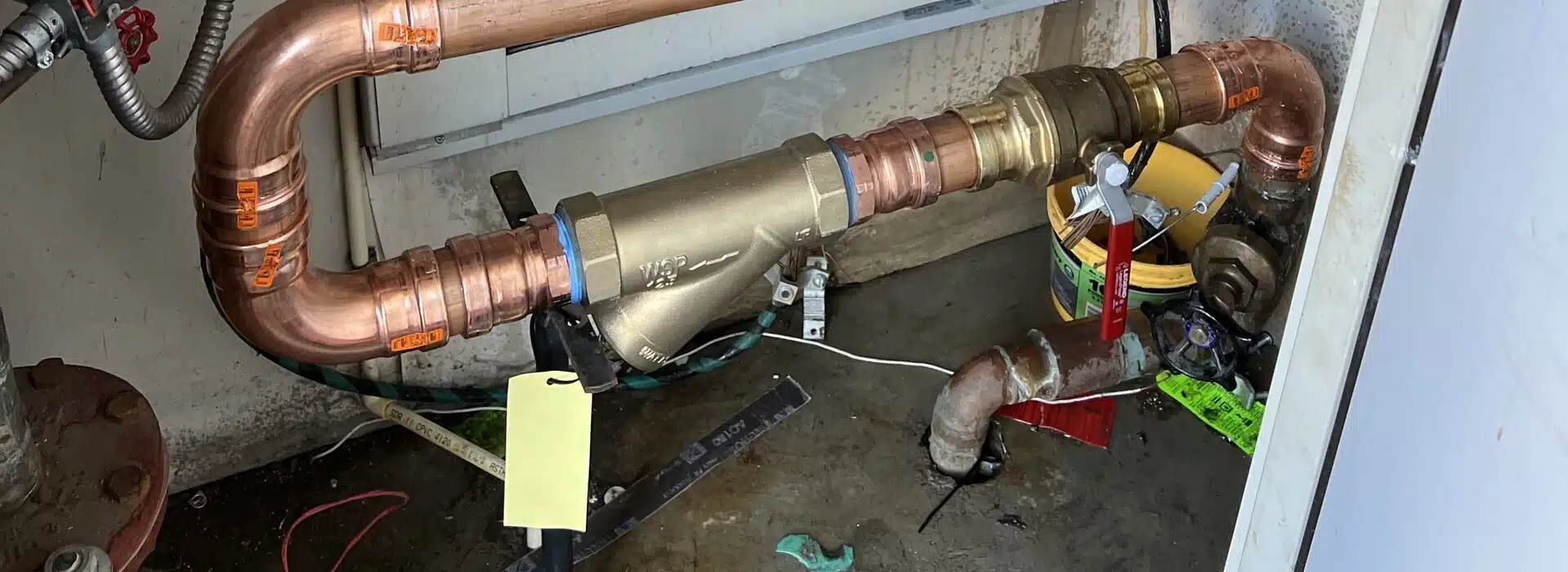
Backflow prevention is essential for protecting drinking water in Northglenn, CO, where aging infrastructure and fluctuating water pressure pose significant risks. The company offers professional services that include installation, testing, and maintenance of specialized devices to ensure compliance and safety.
- Backflow can introduce contaminants into drinking water from various sources, posing health risks. Professional services involve thorough assessments and installation of one-way valve systems to prevent this issue.
- Annual testing and maintenance are required to keep backflow prevention devices functioning properly and compliant with local regulations.
- The company provides detailed documentation and responsive scheduling, making it easy for homeowners to maintain their backflow prevention systems.
Backflow prevention is a method used to protect drinking water from contamination caused by the reverse flow of water in plumbing systems. This is particularly important in areas like Northglenn, CO, where aging infrastructure and varying water pressure can lead to dangerous cross-contamination, ensuring safe water for households.
Backflow Prevention Services in Northglenn, CO
That morning cup of coffee tastes different when you realize contaminated water could be flowing backward through your pipes. Backflow prevention protects your family's drinking water from dangerous cross-contamination – a concern that Northglenn homeowners face due to the city's aging infrastructure and fluctuating water pressure conditions throughout the municipal system.
Backflow occurs when water flows in the opposite direction through your plumbing, potentially pulling contaminants from irrigation systems, boilers, or industrial connections back into your potable water supply. Professional backflow prevention involves installing, testing, and maintaining specialized valve assemblies that act as one-way gates in your plumbing system. These devices require annual certification testing and precise installation to meet Colorado plumbing codes.
Why Professional Backflow Services Matter
Northglenn's water distribution system serves a mix of residential, commercial, and light industrial properties – each presenting unique backflow risks. The city's semi-arid climate creates irrigation demands that increase cross-connection hazards, while older neighborhoods built in the 1960s and 1970s often lack modern backflow protection.
- Protects drinking water from pesticides, fertilizers, and irrigation runoff
- Prevents boiler chemicals and heating system fluids from entering potable supply
- Maintains compliance with Northglenn municipal water regulations
- Shields against liability from cross-connection contamination events
Common Backflow Issues in Northglenn, CO
Northglenn sits at approximately 5,400 feet elevation along the Front Range, where pressure fluctuations in the municipal water system create ideal conditions for backflow events. When water main breaks occur – common during freeze-thaw cycles – the sudden pressure drop can siphon contaminated water from connected systems back into the city supply.
The city's housing stock presents specific challenges. Subdivisions developed between 1959 and 1980 often feature underground lawn irrigation systems installed before modern backflow codes existed. These older properties may have direct cross-connections between irrigation lines and domestic water supplies, creating pathways for herbicides, animal waste, and soil bacteria to enter drinking water during pressure reversals.
Seasonal and Infrastructure Factors
Northglenn's climate amplifies backflow risks throughout the year. Spring snowmelt and summer thunderstorms can overwhelm storm drains, causing temporary pressure surges and drops that stress backflow prevention devices.
- Winter freeze events – Rapid temperature drops below 20°F can damage backflow preventer seals and internal components
- Summer irrigation demand – Peak watering periods create system-wide pressure fluctuations
- Aging water mains – Original infrastructure from the 1960s experiences more frequent breaks and repairs
- Elevation changes – Northglenn's terrain creates natural pressure variations across neighborhoods
- Commercial-residential proximity – Mixed-use areas along 120th Avenue increase cross-connection risks
- Fire hydrant usage – Testing and emergency use causes sudden pressure drops in surrounding blocks
Warning Signs of Backflow Problems
Watch for these indicators that your backflow prevention system needs attention:
- Discolored or murky water from faucets after irrigation system use
- Unusual taste or odor in drinking water
- Visible leaking from backflow preventer assemblies
- Failed annual certification tests
- Reduced water pressure throughout the home
How Cardom Plumbing & Heating Addresses Backflow Prevention
Our backflow prevention services follow a systematic approach that addresses both immediate protection needs and long-term compliance requirements for Northglenn properties.
Our Backflow Service Process
- Cross-connection survey – We identify all potential backflow hazards including irrigation systems, boilers, water softeners, and auxiliary water sources on your property
- Hazard assessment – Each connection point receives a risk classification determining the appropriate level of backflow protection required
- Device selection – We recommend the correct backflow preventer type – whether reduced pressure zone assembly, double check valve, or atmospheric vacuum breaker – based on hazard level and installation location
- Professional installation – Our technicians install devices according to manufacturer specifications and Colorado plumbing code requirements
- Initial certification testing – Every new installation receives immediate testing using calibrated gauges to verify proper operation
- Documentation and registration – We complete all required paperwork for Northglenn water utility compliance records
Testing and Maintenance Techniques
Annual backflow testing requires specialized equipment and certified technicians. Our testing protocol includes:
- Differential pressure gauge testing of check valves and relief valves
- Visual inspection for physical damage, corrosion, and wear
- Operational testing of all moving components
- Seal and gasket condition assessment
- Winterization recommendations for exposed assemblies
Communication and Follow-Up
You receive a detailed test report documenting all readings and observations. If repairs are needed, we explain the issue clearly before proceeding. Test certifications are submitted directly to the appropriate water authority – you don't have to chase paperwork or wonder about compliance status.
Why Choose Cardom Plumbing & Heating
Backflow prevention requires specific certifications beyond standard plumbing licenses. Our technicians hold Colorado-recognized backflow tester and cross-connection control certifications, maintaining current credentials through ongoing education. We carry calibrated testing equipment that meets AWWA standards – the same specifications required by Northglenn's water utility for valid certification tests.
Working throughout the northern Denver metro area gives us direct familiarity with Northglenn's water system characteristics. We understand which neighborhoods experience pressure fluctuations, where older infrastructure creates heightened risks, and what the local water authority expects on compliance documentation. This local knowledge translates to faster, more accurate service.
Our Service Commitments
- Responsive scheduling – We coordinate testing appointments around your availability, including options for annual reminder scheduling
- Complete documentation – Every service includes written reports suitable for utility submission and property records
- Repair capabilities – When testing reveals problems, we have parts and expertise to complete most repairs immediately
- Code compliance focus – Our recommendations always align with current Colorado plumbing codes and local ordinances
We use video documentation during inspections when helpful, showing you exactly what we find rather than asking you to take our word for it. Questions get answered in plain language – backflow prevention involves technical concepts, but understanding your system shouldn't require an engineering degree.
Housing Characteristics & Backflow Prevention Considerations
Northglenn's development history directly shapes backflow prevention needs across different neighborhoods. The city incorporated in 1969, but residential construction began nearly a decade earlier. This timeline created distinct housing eras with different plumbing configurations and backflow risks.
Housing Era Breakdown
- 1959-1970 original subdivisions – These homes often feature galvanized steel or copper supply lines with minimal cross-connection protection. Irrigation systems from this era may connect directly to domestic water without any backflow device.
- 1970-1985 expansion areas – Properties typically include basic hose bibb vacuum breakers but may lack protection for underground sprinkler systems added later.
- 1985-2000 developments – Code requirements improved, but many homes have double check valves that need upgrading to reduced pressure zone assemblies based on current hazard assessments.
- 2000-present construction – Modern homes generally include code-compliant backflow prevention, though devices still require annual testing and eventual replacement.
Property-Specific Considerations
Single-family homes in Northglenn commonly feature in-ground irrigation systems – a high-hazard cross-connection requiring robust backflow protection. Many properties also have secondary water uses that create backflow risks:
- Swimming pools and hot tubs with chemical treatment systems
- Boilers for hydronic heating – common in older Northglenn homes
- Water softeners and filtration systems
- Detached garage or workshop plumbing
- Garden hose connections used with chemical sprayers
Townhomes and condominiums present shared-system challenges where backflow from one unit could affect neighbors. Multi-family properties typically require master backflow preventers on main service lines plus individual protection at specific hazard points.
Environmental Conditions & Backflow Prevention Implications
Northglenn's Front Range location creates environmental conditions that directly impact backflow prevention system performance and longevity. Understanding these factors helps property owners maintain effective protection year-round.
Water Quality Characteristics
The city receives treated water from multiple sources including the South Platte River system and various reservoir supplies. This blended water has moderate mineral content that can affect backflow preventer components over time:
- Calcium and magnesium deposits accumulate on check valve seats
- Chlorine residuals – while safe for drinking – can degrade rubber seals
- Seasonal source changes may alter water chemistry slightly
- pH levels typically range from 7.0 to 8.5, affecting metal component corrosion rates
Climate Impacts on Backflow Devices
Northglenn experiences temperature extremes that stress backflow prevention equipment. Winter lows regularly drop below 10°F, while summer highs exceed 95°F. This 100+ degree annual range causes:
- Freeze damage – Water trapped in above-ground assemblies expands and cracks housings or ruptures internal components
- Thermal cycling – Daily temperature swings cause repeated expansion and contraction of seals
- UV degradation – Colorado's intense sunlight breaks down plastic components and rubber diaphragms on exposed devices
- Hail damage – Severe summer storms can physically damage above-ground backflow assemblies
Soil and Drainage Considerations
Northglenn's clay-heavy soils create drainage challenges that affect underground backflow installations. Poor drainage around buried assemblies leads to prolonged moisture exposure and accelerated corrosion. Spring snowmelt and summer storm runoff can temporarily submerge below-grade installations, introducing debris into test cocks and relief valve outlets.
Northglenn Water System Infrastructure and Compliance Requirements
Northglenn operates a municipal water system serving approximately 39,000 residents through a network that includes both original 1960s-era infrastructure and modern upgrades. The city maintains a cross-connection control program requiring annual backflow preventer testing for all commercial properties and residential properties with identified hazards.
The water distribution system experiences pressure variations across different service zones. Properties at higher elevations in western Northglenn may see pressures ranging from 45 to 65 PSI, while lower-elevation areas near I-25 often experience higher pressures requiring pressure-reducing valves. These pressure differentials create varying backflow risks across neighborhoods.
Key Infrastructure and Compliance Data
- Water main age – Portions of the distribution system date to the early 1960s, with ongoing replacement projects addressing oldest sections
- Testing requirements – Annual certification required for reduced pressure zone assemblies and double check valve assemblies
- Compliance deadlines – Property owners typically receive 30-day notice to complete required testing
- Approved tester list – The city maintains records of certified backflow testers authorized to submit compliance documentation
- Violation consequences – Non-compliance can result in water service disconnection after proper notice
Recent infrastructure investments have improved system reliability, but water main breaks still occur – particularly during rapid temperature changes. Each break event creates potential backflow conditions in surrounding service areas, reinforcing the need for properly functioning backflow prevention devices on every property with cross-connection hazards. Cardom Plumbing & Heating maintains current certification to test and repair backflow devices throughout Northglenn, submitting all required documentation directly to city records.


