
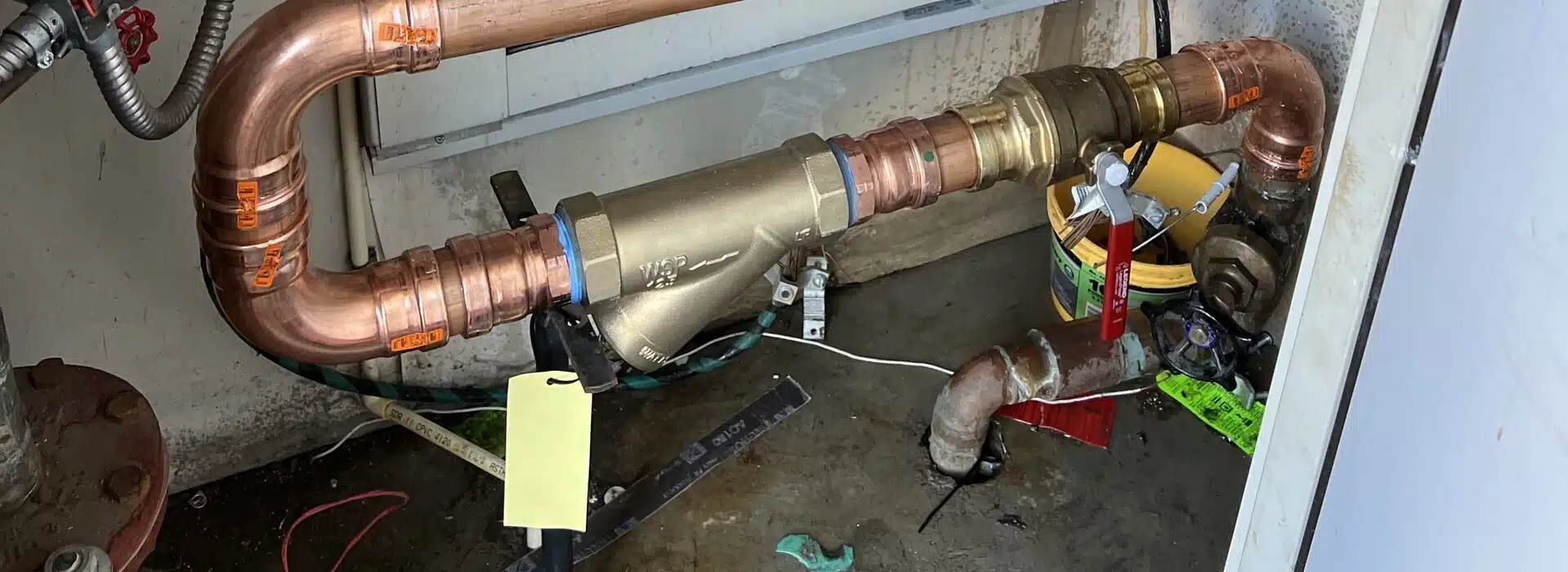
Backflow prevention is essential for protecting drinking water in Superior, CO, where unique elevation changes and irrigation systems create contamination risks. Professional services include installation, testing, and maintenance of specialized devices to ensure compliance and safeguard water quality.
- Backflow prevention protects against contaminants entering drinking water from various sources. Professional services assess vulnerabilities and recommend appropriate backflow devices for each property. Regular testing and maintenance are crucial to comply with local regulations and ensure safe water supply.
- Backflow Prevention Services in Superior, CO That morning cup of coffee tastes different when you realize contaminated water could be flowing backward through your pipes.
- Backflow prevention protects your home’s drinking water from dangerous cross-contamination – a concern that Superior residents face due to the town’s unique elevation changes, irrigation-heavy properties, and interconnected municipal water system.
Backflow prevention is a method used to protect drinking water from contamination caused by the reverse flow of water in plumbing systems. In areas like Superior, CO, where elevation changes and irrigation systems are prevalent, backflow prevention is essential to ensure that clean water remains uncontaminated and safe for consumption.
Backflow Prevention Services in Superior, CO
That morning cup of coffee tastes different when you realize contaminated water could be flowing backward through your pipes. Backflow prevention protects your home's drinking water from dangerous cross-contamination – a concern that Superior residents face due to the town's unique elevation changes, irrigation-heavy properties, and interconnected municipal water system.
Backflow occurs when water pressure drops or reverses, allowing non-potable water from irrigation systems, pools, fire suppression systems, or even sewer lines to flow backward into your clean water supply. Professional backflow prevention involves installing, testing, and maintaining specialized valve assemblies that create a physical barrier against contamination. In Superior's Front Range environment – where pressure fluctuations happen during peak summer irrigation and sudden temperature swings stress plumbing systems – proper backflow protection isn't optional.
Key Benefits of Professional Backflow Prevention
- Protects your family from waterborne pathogens, chemicals, and contaminants entering drinking water
- Maintains compliance with Colorado Department of Public Health regulations and Superior water district requirements
- Prevents costly municipal fines and potential water service disconnection
- Preserves the integrity of your entire plumbing system against pressure-related damage
Superior's combination of newer construction with sophisticated irrigation systems and older infrastructure near Original Town creates varied backflow risks across different neighborhoods. A professional assessment identifies your specific vulnerabilities and determines which type of backflow preventer – whether a simple hose bib vacuum breaker or a reduced pressure zone assembly – matches your property's needs.
Common Plumbing Issues in Superior, CO
Cardom Plumbing & Heating provides Backflow Prevention services in all neighborhoods of Superior including Coal Creek Crossing, Cross Creek, Original Superior, Prairie's End, Rock Creek Ranch, Rock Creek Ranch II, Sagamore, Summit at Rock Creek, and Waters Edge.
Superior sits at approximately 5,400 feet elevation along the Front Range, where atmospheric pressure differences directly impact water system behavior. Lower atmospheric pressure at altitude means your plumbing operates under different conditions than sea-level systems – and those conditions create unique backflow vulnerabilities that many homeowners don't anticipate until contamination occurs.
The town's rapid growth over the past two decades has created a patchwork of plumbing infrastructure ages. Homes built in the Original Town area during the 1990s may have backflow devices approaching or exceeding their service life, while newer Rock Creek and Sagamore developments feature modern assemblies that still require annual testing. Municipal water pressure varies significantly across these neighborhoods, especially during summer months when irrigation demand spikes throughout Boulder County.
Local Factors Affecting Backflow Risk
- Elevation-related pressure fluctuations – High-altitude locations experience more dramatic pressure swings during weather changes and peak usage periods
- Extensive irrigation systems – Superior's semi-arid climate means most properties rely on sprinkler systems that create direct cross-connection risks
- Freeze-thaw cycling – Over 100 freeze-thaw cycles annually stress backflow assemblies and can compromise internal seals
- Coal Creek watershed proximity – Properties near drainage areas face additional groundwater interaction concerns
- Mixed infrastructure ages – Neighborhoods range from 30-year-old systems to brand-new construction, each with different backflow requirements
- HOA landscape requirements – Many Superior communities mandate irrigation systems, increasing the number of potential cross-connections per property
Warning Signs of Backflow Problems
Backflow events don't always announce themselves dramatically. Watch for these indicators that your prevention system may be compromised:
- Discolored water appearing at faucets – especially after irrigation system use
- Unusual tastes or odors in drinking water
- Visible leaking or dripping from backflow preventer assemblies
- Fluctuating water pressure throughout the house
- Failed annual backflow test results
- Irrigation water appearing in indoor fixtures
Seasonal timing matters significantly in Superior. Spring snowmelt and fall irrigation blowouts create periods of heightened backflow risk. Many contamination events occur during the transition between seasons when systems are being activated or winterized – precisely when pressure differentials are most unpredictable.
How Cardom Plumbing & Heating Can Help
Our backflow prevention services address every stage of protection – from initial risk assessment through ongoing certification testing. We've worked extensively throughout Superior's diverse neighborhoods and understand how local conditions affect each property differently.
Our Backflow Prevention Process
- Cross-Connection Survey – We systematically identify every point where non-potable water could potentially contact your drinking water supply, including irrigation connections, pool fill lines, fire suppression systems, and mechanical equipment
- Risk Assessment – Based on your property's specific hazards, we determine the appropriate level of backflow protection required by Colorado regulations and Superior water district standards
- Device Selection – We recommend the correct backflow preventer type for each application – atmospheric vacuum breakers, pressure vacuum breakers, double check valves, or reduced pressure zone assemblies
- Professional Installation – Our certified technicians install assemblies according to manufacturer specifications and local code requirements, ensuring proper orientation, clearances, and accessibility for future testing
- Initial Certification Testing – Using calibrated test equipment, we verify your new installation functions correctly and document results for municipal records
- Annual Testing Coordination – We schedule and perform required annual tests, submit documentation to the appropriate water authority, and notify you of any maintenance needs
Testing Methods and Equipment
- Calibrated differential pressure gauges certified to AWWA standards
- Test cock adapters for all major backflow preventer manufacturers
- Digital documentation systems for immediate result recording
- Repair kits for common assembly types – minimizing return visits when minor issues are discovered
Communication Throughout the Process
We explain backflow prevention in straightforward terms – no unnecessary jargon or scare tactics. Before any work begins, you'll understand what we're doing, why it matters for your specific property, and what ongoing maintenance looks like. Test results are documented clearly, and we handle municipal paperwork submissions directly so you don't have to navigate water district bureaucracy.
When testing reveals problems, we provide repair options with honest assessments of urgency. Some issues require immediate attention to maintain water safety. Others can be scheduled at your convenience. We'll tell you which is which.
Why Choose Cardom Plumbing & Heating
Backflow prevention requires specialized certification beyond standard plumbing licensing. Our technicians hold Colorado-recognized backflow assembly tester certifications and maintain current credentials through ongoing education. We test and repair all major backflow preventer brands – Watts, Wilkins, Febco, Apollo, and others commonly installed throughout Superior.
Local knowledge translates to better service. We understand Superior's water district reporting requirements, know which neighborhoods have recurring pressure issues, and recognize the specific backflow configurations typical in different developments. When you call about a failed test or contamination concern, we're not learning your area's characteristics on the job – we've already worked extensively in your community.
What Sets Us Apart
- Same-week testing availability – Municipal deadlines don't wait, and neither should you
- Direct municipal documentation submission – We handle paperwork with the water authority
- Combined service capability – If testing reveals irrigation or plumbing repairs beyond the backflow device itself, we can address those issues without involving additional contractors
- Transparent pricing – Testing fees are straightforward with no hidden charges for documentation or filing
- Reminder service – We track your annual testing due dates and reach out before deadlines approach
Emergency response matters when backflow events occur. Contamination situations require immediate attention – not next-week scheduling. Our team prioritizes active backflow incidents because we understand the health implications and potential for water service interruption when problems aren't addressed promptly.
Housing Characteristics & Backflow Prevention Considerations
Superior's housing stock reflects three distinct development phases, each presenting different backflow prevention needs. Understanding your home's era helps identify likely cross-connection risks and existing protection measures.
Original Town and Early Development (1990s)
Homes in Superior's original neighborhoods were built when backflow requirements were less stringent. Many properties have:
- Irrigation systems installed without adequate backflow protection
- Aging pressure vacuum breakers approaching or past their 15-20 year service life
- Hose bibs without vacuum breakers – a common oversight in this era
- Basement mechanical rooms where boiler fill valves may lack proper protection
Rock Creek and Mid-2000s Construction
The Rock Creek development and surrounding neighborhoods from this period typically feature more comprehensive backflow protection at installation. However, these homes now face:
- First-generation backflow devices reaching replacement age
- Complex irrigation zones with multiple cross-connection points
- Fire sprinkler systems requiring separate backflow certification
- Outdoor kitchens and pool features added after original construction – often without proper backflow consideration
Post-Marshall Fire Reconstruction and Recent Development
Homes rebuilt after the 2021 Marshall Fire and new construction in expanding areas benefit from current code requirements. These properties typically have properly specified backflow prevention from the start, but owners should verify:
- All assemblies were tested and certified at installation
- Annual testing schedules are established with the water district
- Landscape contractors haven't added irrigation components that bypass existing protection
Lot sizes in Superior vary considerably – from compact townhome sites to properties exceeding half an acre. Larger lots typically have more extensive irrigation systems with additional cross-connection points requiring protection. Multi-zone sprinkler systems, drip irrigation for gardens, and separate landscape areas each represent potential backflow pathways that need evaluation.
Environmental Conditions & Backflow Prevention Implications
Superior's Front Range location creates environmental conditions that directly impact backflow prevention system performance and longevity. These factors influence both the type of protection needed and the maintenance schedule required to keep systems functioning reliably.
Water Quality Characteristics
Superior receives water from multiple sources through the Denver Water system and local supplies. Key water quality factors affecting backflow prevention include:
- Moderate mineral content – Calcium and magnesium deposits can accumulate on backflow preventer internal components, affecting seal performance over time
- Seasonal treatment variations – Chlorine levels fluctuate based on source water conditions, potentially accelerating rubber component degradation in older assemblies
- Temperature variations – Water temperature swings between summer and winter affect pressure readings during testing and can mask marginal device performance
Climate Impacts on Backflow Systems
Superior experiences temperature extremes that stress backflow prevention equipment. Winter lows regularly drop below zero, while summer highs exceed 90°F. This range creates specific challenges:
- Freeze damage remains the leading cause of backflow preventer failure in the area – exposed assemblies without proper insulation or drainage are vulnerable
- UV exposure degrades plastic components on above-ground installations, particularly vacuum breakers on irrigation systems
- Rapid temperature changes during spring and fall cause thermal expansion that can compromise seals
- High winds – common along the Front Range – can damage enclosures and expose assemblies to weather
Soil and Drainage Considerations
The clay-heavy soils prevalent throughout much of Superior create drainage challenges that affect underground plumbing and backflow prevention. Poor drainage around buried irrigation components can lead to standing water that accelerates corrosion. Properties near Coal Creek or in lower-lying areas face additional groundwater pressure during wet periods – a factor that influences backflow device selection for below-grade installations.
Wildfire risk in the foothills interface zone affects backflow requirements as well. Properties with fire suppression systems – increasingly common after the Marshall Fire – require specialized backflow protection rated for fire service connections, with testing requirements separate from irrigation system devices.
Superior Water District Compliance Requirements
The Superior Metropolitan District and surrounding water providers maintain active cross-connection control programs that directly impact property owners. Understanding these requirements helps avoid service interruptions and potential fines while protecting community water quality.
Testing and Certification Requirements
Colorado regulations and local water district policies establish specific backflow prevention mandates:
- Annual testing requirement – All testable backflow prevention assemblies must be tested by a certified tester every 12 months
- New installation testing – Backflow preventers must be tested within 10 days of installation before the protected system can be used
- Documentation submission – Test results must be filed with the water district within specified timeframes – typically 10-30 days depending on the authority
- Failed test protocols – Assemblies that fail testing must be repaired and retested, with documentation submitted showing compliant operation
Enforcement and Consequences
Water districts in the Superior area actively enforce backflow prevention requirements. Non-compliance can result in:
- Written violation notices with deadlines for correction
- Fines ranging from $50 to several hundred dollars per violation
- Water service disconnection for persistent non-compliance
- Required installation of additional protection at property owner expense
The Superior Metropolitan District maintains a database of registered backflow assemblies and tracks testing compliance. Properties with overdue tests receive notification letters, and continued non-response escalates to enforcement action. Commercial properties and multi-family residences face more stringent oversight, but single-family homes with irrigation systems or other cross-connections are equally subject to requirements.
Cardom Plumbing & Heating maintains current knowledge of local water district requirements and handles compliance documentation as part of our testing services. We track your property's testing schedule and provide advance notice before deadlines approach – keeping you in compliance without requiring you to monitor municipal calendars yourself.


