
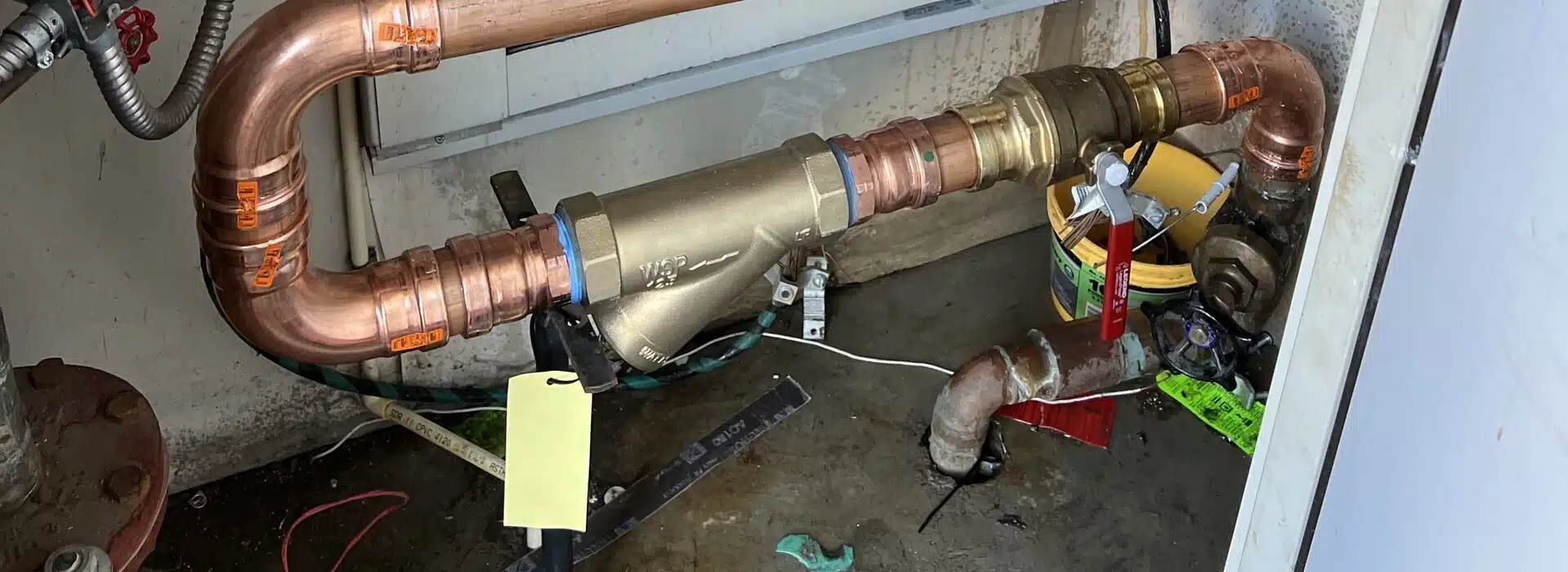
Backflow prevention is essential for protecting Westminster's water supply from contamination due to the city's unique infrastructure challenges. Properly installed systems can prevent reverse flow that introduces harmful substances into drinking water.
- Westminster's elevation changes and aging pipes increase backflow risks, especially during peak usage.
- Professional services assess specific property risks and ensure compliance with health regulations.
- Common issues include discolored water and pressure drops, which can indicate backflow problems.
Backflow prevention is a method used to protect a household's water supply from contamination caused by the reverse flow of water. In Westminster, this is particularly important due to factors like elevation changes and aging infrastructure, which can lead to dangerous cross-contamination in the water supply.
Backflow Prevention Services in Westminster, CO
That morning cup of coffee tastes different when you realize contaminated water could be flowing backward through your pipes. Backflow prevention protects your household water supply from dangerous cross-contamination – a concern that Westminster residents face due to the city's unique combination of elevation changes, aging infrastructure, and fluctuating water pressure throughout different neighborhoods.
Backflow occurs when water flows in the opposite direction of its intended path, potentially pulling contaminants from irrigation systems, industrial processes, or stagnant pipes into your clean drinking water. A properly installed and maintained backflow prevention assembly acts as a one-way gate, allowing water to flow into your home while blocking any reverse flow that could introduce bacteria, chemicals, or debris into the municipal water supply.
Why Professional Backflow Services Matter
Westminster's position along the Front Range creates pressure variations that DIY solutions simply cannot address. Professional backflow assessment considers your property's specific risk factors, including elevation relative to the water main, irrigation system design, and any connections to non-potable water sources.
- Protection against sudden pressure drops during water main breaks or fire hydrant use
- Compliance with Colorado Department of Public Health regulations and Westminster municipal codes
- Safeguarding your family from waterborne pathogens and chemical contamination
- Preservation of the entire community's water supply through proper cross-connection control
Common Backflow Issues in Westminster, CO
Cardom Plumbing & Heating provides Backflow Prevention services in all neighborhoods of Westminster including Abbey, Arrowhead, Berkley, Bradburn, Cedar Bridge, Downtown Westminster, Eagles Landing at Church Ranch, Hillcrest, Home Farm, Huntington Trails, Madison Hill, Northridge Manor, The Meadows at Timber Lake, Wallace Village, Westcliff, and Westfield Village.
Westminster's water distribution system serves a community spread across varying elevations – from the lower areas near the Big Dry Creek corridor to higher neighborhoods approaching the Standley Lake area. This topography creates natural pressure differentials that increase backflow risk during peak usage periods or system disruptions.
The city's infrastructure includes water mains installed across several decades, with some neighborhoods featuring pipes from the 1960s and 1970s alongside newer developments. Older sections may experience more frequent pressure fluctuations, particularly during summer months when irrigation demand spikes across residential and commercial properties.
Local Factors Affecting Backflow Risk
- Elevation variations – Properties at higher elevations experience lower baseline pressure, making them more susceptible to back-siphonage during system disturbances
- Irrigation system prevalence – Westminster's semi-arid climate means most properties have underground sprinkler systems connected to potable water – a primary cross-connection concern
- Freeze-thaw cycles – Winter temperature swings cause ground movement that can damage backflow assemblies and underground connections
- Mixed-use development – Commercial and residential properties in close proximity increase the variety of potential contamination sources
- Aging service lines – Older galvanized or copper connections may develop pinhole leaks that create unintended cross-connections
- High summer demand – Peak irrigation season strains the system, causing pressure drops that can trigger backflow events
Warning Signs You May Have Backflow Problems
Recognizing early indicators can prevent serious contamination events. Watch for these symptoms throughout your plumbing system:
- Discolored water appearing at faucets – especially after irrigation system use
- Unusual tastes or odors in tap water
- Visible debris or sediment when running water
- Reduced water pressure following neighborhood construction or main breaks
- Failed annual backflow tests or notices from Westminster water utility
How Cardom Plumbing & Heating Addresses Your Backflow Concerns
Our approach to backflow prevention combines thorough assessment with precise installation and testing – tailored specifically to Westminster's water system characteristics and your property's unique configuration.
Our Step-by-Step Process
- Initial property assessment – We evaluate your water service entry point, identify all cross-connections, and determine your property's hazard classification based on Colorado regulations
- Risk analysis – Our technicians map every connection between potable and non-potable systems, including irrigation, boilers, swimming pools, and any commercial equipment
- Assembly selection – Based on hazard level and installation location, we recommend the appropriate device – whether a pressure vacuum breaker, double check valve, or reduced pressure zone assembly
- Professional installation – We install assemblies according to manufacturer specifications and Colorado plumbing code requirements, ensuring proper clearances and accessibility for future testing
- Certification testing – Using calibrated test equipment, we verify assembly function and provide documentation for Westminster's cross-connection control program
- Registration and reporting – We submit required paperwork to the appropriate water utility, keeping your property in compliance
Methods and Techniques We Employ
- Differential pressure testing using gauges calibrated to AWWA standards
- Visual inspection of check valves, relief ports, and sealing surfaces
- Freeze protection evaluation for above-ground installations
- Flow testing to verify adequate water supply after installation
- Documentation photography for your records and utility compliance files
Communication Throughout the Process
We explain findings in straightforward terms – no technical jargon without context. You'll receive a written summary of our assessment, clear recommendations with reasoning, and complete test reports for your records. If repairs or replacement become necessary, we discuss options before proceeding.
Why Choose Cardom Plumbing & Heating
Backflow prevention requires specialized certification beyond standard plumbing licensure. Our technicians hold current Colorado backflow tester and cross-connection control certifications – credentials that require ongoing education and recertification to maintain. We stay current with Westminster's specific requirements and maintain direct communication channels with local water utility administrators.
Working throughout the Westminster area means we understand neighborhood-specific challenges. We know which areas experience pressure fluctuations during peak demand, which developments have older service lines requiring extra attention, and how local soil conditions affect underground assemblies. This familiarity translates into faster diagnostics and more appropriate solutions.
What Sets Our Service Apart
- Same-week scheduling – We prioritize backflow testing appointments to help you meet compliance deadlines
- Complete documentation – Test reports submitted directly to your water provider, with copies for your records
- Repair capabilities – If testing reveals problems, we carry common repair kits to address issues immediately rather than scheduling return visits
- Freeze damage expertise – Our experience with Westminster's winter conditions means proper installation that prevents cold-weather failures
- Transparent pricing – Testing, repairs, and new installations quoted clearly before work begins
Our technicians arrive equipped with calibrated test gauges, replacement parts for common assemblies, and the knowledge to address whatever they find. We treat your property with respect – protecting landscaping around outdoor assemblies and cleaning up thoroughly after every job.
Housing Characteristics & Backflow Prevention Considerations
Westminster's housing stock spans several distinct development periods, each presenting different backflow prevention requirements. Understanding your home's era helps anticipate likely cross-connection scenarios and appropriate protection strategies.
Development Eras and Their Plumbing Profiles
- 1950s-1970s ranch homes – These properties often feature original irrigation connections without backflow protection, galvanized service lines that may have developed internal corrosion, and basement utility sinks that could create cross-connections
- 1980s-1990s subdivisions – Homes from this period typically have basic atmospheric vacuum breakers on irrigation systems – devices that may no longer meet current code requirements or have degraded over decades of freeze-thaw exposure
- 2000s-present construction – Newer homes generally include code-compliant backflow assemblies, though these require annual testing and eventual replacement as internal components wear
Property-Specific Considerations
Multi-story homes in Westminster's hillside developments face different pressure dynamics than single-story properties at lower elevations. Properties with swimming pools, hot tubs, or water features require additional backflow protection beyond standard irrigation assemblies. Homes with basement floor drains connected to sanitary sewers need protection against sewage backflow during heavy rain events – a separate but related concern.
Older properties may have been modified over the years, with additions or irrigation upgrades creating new cross-connections that weren't addressed at the time. A thorough assessment identifies these legacy issues and brings your entire system into compliance.
Environmental Conditions & Backflow Prevention Implications
Westminster's Front Range location creates environmental conditions that directly impact backflow prevention system performance and longevity. Understanding these factors helps property owners make informed decisions about assembly selection and maintenance scheduling.
Water Quality Characteristics
Westminster receives water from multiple sources – including Standley Lake, Clear Creek, and the Colorado-Big Thompson Project. This blended supply maintains good quality but varies seasonally in mineral content and treatment approach. Higher mineral content during certain periods can accelerate wear on backflow assembly internal components, particularly rubber seals and check valve seats.
- Moderate hardness levels contribute to scale buildup on check valve surfaces
- Chlorine residual – while safe for consumption – can degrade rubber components over time
- Seasonal turbidity variations may deposit sediment that interferes with valve seating
Climate Impacts on Backflow Systems
Westminster experiences temperature extremes that challenge outdoor backflow assemblies. Winter lows regularly drop below freezing – sometimes reaching single digits or below zero during cold snaps. Above-ground assemblies without proper insulation or drainage can freeze, cracking bronze bodies and destroying internal components.
- Winter freeze risk – Assemblies installed in unprotected locations require insulated enclosures or seasonal drainage
- Summer heat exposure – Direct sun on enclosures can accelerate rubber component degradation
- Rapid temperature swings – Spring and fall temperature variations cause expansion and contraction that stresses fittings
- Hail damage potential – Exposed assemblies may sustain damage during severe storms common to the Front Range
Soil and Drainage Effects
Westminster's clay-heavy soils expand when wet and contract when dry, creating ground movement that can shift underground piping and stress connections. Properties in areas with high water tables or poor drainage may experience hydrostatic pressure that affects buried backflow assemblies or creates conditions favoring back-pressure events.
Westminster Water System Infrastructure & Cross-Connection Control
Westminster's water distribution system serves approximately 116,000 residents through a network that includes multiple pressure zones, storage facilities, and interconnections with neighboring utilities. The city maintains an active cross-connection control program that requires backflow prevention assemblies on all high-hazard and moderate-hazard connections – with mandatory annual testing to verify continued protection.
Local Infrastructure Data Points
- Westminster operates over 600 miles of water distribution mains throughout the service area
- The system includes multiple pressure zones to accommodate elevation changes across the city – ranging from approximately 5,200 to 5,700 feet
- Water storage capacity exceeds 50 million gallons across various tanks and reservoirs
- The city's cross-connection control program tracks thousands of registered backflow assemblies requiring annual certification
Compliance Requirements and Deadlines
Westminster requires property owners to test backflow assemblies annually and submit results to the water utility. Failure to comply can result in water service interruption – a significant consequence that makes timely testing and maintenance a priority. The city maintains a database of certified backflow testers and accepts only reports from qualified professionals using properly calibrated equipment.
Properties identified as having unprotected cross-connections receive notices requiring installation of appropriate assemblies within specified timeframes. New construction and renovation projects must include backflow protection as part of the permitting and inspection process. Cardom Plumbing & Heating works directly with Westminster's program administrators to verify requirements and submit documentation efficiently – helping you avoid compliance issues and potential service disruptions.
- Annual testing deadlines typically fall on the anniversary of initial installation or last test
- Failed tests require repair and retest within a defined correction period
- New installations must be tested immediately and registered with the utility
- Commercial properties face additional requirements based on hazard classification


