
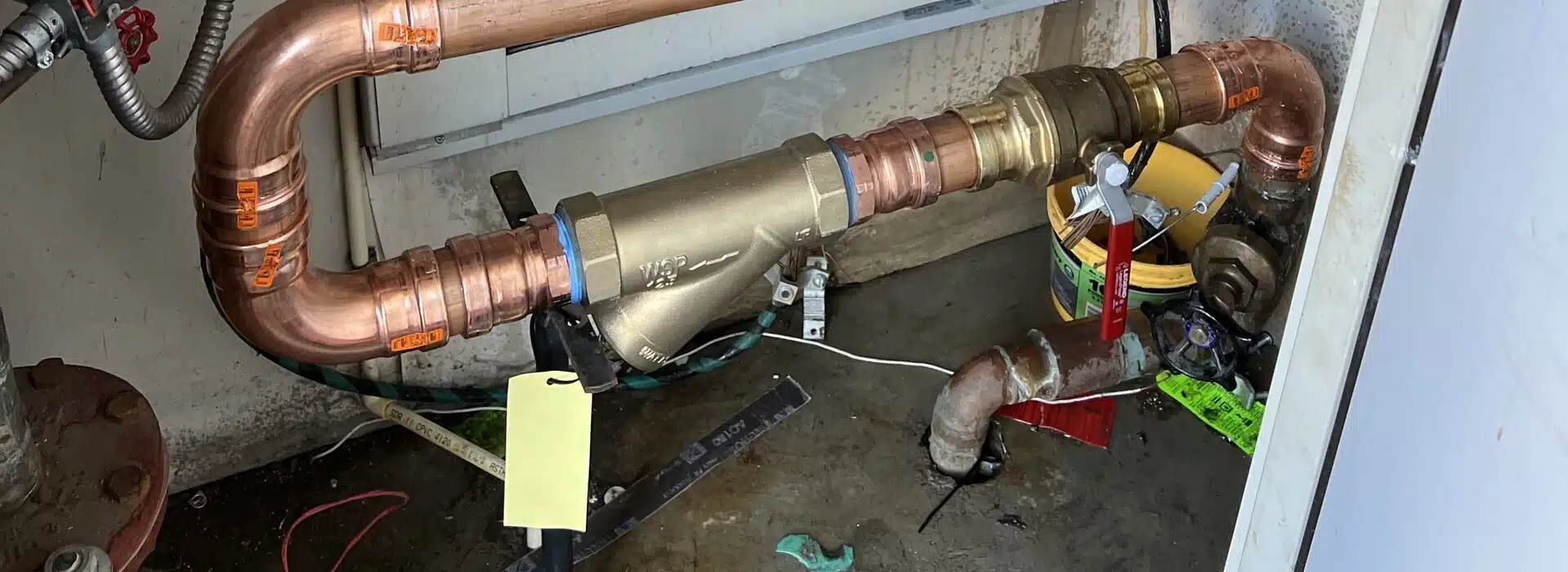
Backflow prevention is essential in Highlands Ranch, CO, to protect drinking water from contamination due to pressure changes in plumbing systems. The unique elevation and climate conditions create specific vulnerabilities that require professional assessment and maintenance.
- Backflow contamination can introduce harmful substances into drinking water, posing health risks to families. Professional services help identify and address cross-connection points that homeowners might overlook.
- Highlands Ranch's irrigation systems and elevation create unique backflow risks, especially during peak summer months when water pressure fluctuates.
- Cardom Plumbing & Heating offers certified backflow testing and maintenance to ensure compliance with local regulations and protect your water supply.
Backflow prevention is a method used to protect drinking water supplies from contamination due to backflow, which occurs when water flows in the opposite direction. This is essential in areas like Highlands Ranch, where municipal water systems are relied upon for safe drinking water, ensuring the health and safety of families.
Backflow Prevention Services in Highlands Ranch, CO
That moment when your drinking water smells off or has an unusual taste – it's unsettling. You turn on the faucet expecting clean, safe water, but something isn't right. In Highlands Ranch, where families depend on reliable municipal water systems, backflow contamination poses a real threat to your home's water supply and your family's health.
Backflow prevention protects your potable water from contamination caused by reverse water flow. When pressure changes occur in your plumbing system – from a water main break, firefighting operations, or even heavy irrigation demand – water can flow backward through your pipes. This reversal can pull pesticides from lawn sprinklers, chemicals from pools, or bacteria from irrigation systems directly into your drinking water supply.
Why Professional Backflow Services Matter
Highlands Ranch sits at approximately 5,800 feet elevation, where atmospheric pressure differences affect water system dynamics differently than lower-altitude communities. The semi-arid climate means extensive irrigation systems connect to most residential properties – each one representing a potential cross-connection point where contamination can enter your water supply.
- Protection of drinking water from lawn chemicals, fertilizers, and irrigation bacteria
- Compliance with Colorado state and local backflow prevention requirements
- Prevention of costly water damage from pressure fluctuations and system failures
- Peace of mind knowing your family's water supply remains uncontaminated
Professional diagnosis identifies vulnerable cross-connection points throughout your plumbing system that homeowners typically miss. From underground irrigation ties to boiler fill valves in your heating system, each connection requires evaluation and appropriate protection based on the hazard level it presents.
Common Backflow Issues in Highlands Ranch, CO
Highlands Ranch's unique combination of elevation, climate, and housing development patterns creates specific backflow vulnerabilities that differ from other Front Range communities. The planned community's rapid growth during the 1980s through 2000s means much of the housing stock shares similar plumbing configurations – and similar weak points where backflow protection may be inadequate or outdated.
Local Factors Affecting Backflow Risk
The Denver Water and Centennial Water and Sanitation District systems serving Highlands Ranch experience pressure fluctuations during peak summer irrigation periods. When thousands of homes simultaneously run sprinkler systems, pressure drops can trigger backflow conditions at unprotected cross-connections throughout the neighborhood.
- Elevation pressure variations – Higher elevation reduces baseline water pressure, making systems more susceptible to backflow during demand spikes
- Extensive irrigation infrastructure – Most Highlands Ranch homes feature in-ground sprinkler systems with multiple zones connecting to potable water supplies
- Freeze-thaw cycling – Winter temperature swings between -10°F and 50°F stress backflow preventer components, causing seal failures and valve malfunctions
- Clay-heavy soils – Expansive soils shift underground piping, potentially compromising buried backflow assemblies and connection points
- HOA landscape requirements – Community standards often mandate irrigation systems, increasing the number of cross-connections per property
- Housing age – Homes built in the 1990s may have original backflow preventers approaching or exceeding their service life
Seasonal Considerations and Warning Signs
Spring presents the highest backflow risk in Highlands Ranch. As residents activate irrigation systems after winter dormancy, damaged preventers and degraded seals allow contaminated water into supply lines. Late summer brings secondary risks when water demand peaks and system pressures drop community-wide.
Watch for these indicators that your backflow prevention system needs attention:
- Discolored water after irrigation system activation
- Unusual tastes or odors from indoor faucets
- Visible leaking from backflow preventer assemblies
- Failed annual backflow test results
- Reduced water pressure throughout your home
- Water meter showing usage when no fixtures are running
How Cardom Plumbing & Heating Addresses Your Backflow Needs
Backflow prevention requires systematic evaluation, proper device selection, and certified testing to protect your water supply effectively. Our approach addresses each phase of backflow protection – from initial assessment through ongoing maintenance and annual certification.
Our Backflow Prevention Process
- Cross-connection survey – We map every point where non-potable systems connect to your drinking water supply, including irrigation, boilers, pools, and outdoor hose bibs
- Hazard assessment – Each cross-connection receives a hazard classification determining the appropriate level of backflow protection required
- Device evaluation – Existing backflow preventers undergo visual inspection and operational testing to identify wear, damage, or improper installation
- Repair or replacement recommendation – Based on assessment findings, we provide specific recommendations for each protection point
- Installation and testing – New devices are installed according to manufacturer specifications and local code requirements, then tested for proper operation
- Certification documentation – All testing results are documented and submitted to your water provider as required by local regulations
Testing Methods and Techniques
Cardom Plumbing & Heating technicians hold Colorado-certified backflow tester credentials, using calibrated test equipment to verify device performance. Our testing protocols include:
- Differential pressure testing of double check valve assemblies
- Relief valve operation verification on reduced pressure zone devices
- Air gap measurement confirmation for atmospheric vacuum breakers
- Check valve seat integrity testing using precision gauges
- Full assembly operation under simulated backflow conditions
Communication and Quality Control
You'll receive clear explanations of any issues discovered during inspection, along with photographs documenting device condition. Test results are provided in writing, and we handle submission of required certification paperwork to Centennial Water, Denver Water, or your specific provider. Follow-up reminders help you stay current with annual testing requirements before your water district sends violation notices.
Why Choose Cardom Plumbing & Heating
Backflow prevention sits at the intersection of plumbing expertise and public health protection. Cardom Plumbing & Heating brings both technical certification and local system knowledge to every backflow service call in Highlands Ranch. Our technicians understand the specific pressure characteristics, seasonal patterns, and common installation configurations found throughout this community.
Credentials That Matter
Colorado requires specific certification for backflow testing and repair – not every plumber qualifies. Our team maintains current certifications through the American Society of Sanitary Engineering and complies with all state and local licensing requirements for cross-connection control work.
- State-certified backflow assembly testers
- Licensed master plumbers with specialized training in cross-connection control
- Ongoing education on code changes and new device technologies
- Calibrated testing equipment verified annually for accuracy
Local Knowledge and Responsive Service
We've worked throughout Highlands Ranch's various neighborhoods and understand the plumbing configurations common to different development phases. Whether your home sits in Highlands Ranch proper, Backcountry, or one of the newer communities, we're familiar with the systems you have and the issues they develop.
When your annual test deadline approaches or you suspect a backflow problem, we respond promptly to prevent compliance issues with your water provider. Same-day and next-day appointments keep you ahead of violation notices and protect your water supply without extended delays.
Housing Characteristics & Backflow Prevention Considerations
Highlands Ranch developed primarily between 1981 and the present, with distinct construction phases creating neighborhoods with different plumbing characteristics. Understanding your home's era helps predict what backflow protection exists and what upgrades may be necessary.
Development Phases and Plumbing Configurations
Early Highlands Ranch homes from the 1980s and early 1990s often feature simpler irrigation systems with basic hose bib vacuum breakers as the primary backflow protection. These atmospheric devices provide minimal protection and frequently fail after years of freeze exposure.
- 1981-1995 construction – Typically features copper supply lines with basic atmospheric vacuum breakers on irrigation connections; many original devices need replacement
- 1996-2005 construction – More sophisticated irrigation systems with dedicated backflow preventers, though many are now approaching 20+ years of service
- 2006-present construction – Generally includes code-compliant reduced pressure zone assemblies, but still requires annual testing and periodic maintenance
Common Housing Types and Their Backflow Needs
Single-family homes dominate Highlands Ranch, most featuring in-ground irrigation systems that require backflow protection. Larger estate properties often include additional cross-connections from pools, spas, water features, and extensive landscape irrigation zones – each requiring evaluation.
Townhomes and patio homes present different considerations. Some share irrigation systems with HOA-maintained backflow prevention, while others have individual connections requiring homeowner maintenance. Understanding your specific configuration determines your testing and maintenance responsibilities.
- Radiant floor heating systems common in newer construction require backflow protection on boiler fill connections
- Outdoor kitchens and built-in grills with water connections create additional cross-connection points
- Fire suppression systems in some homes require specialized backflow testing
- Solar thermal systems with potable water makeup connections need appropriate protection
Environmental Conditions & Backflow Prevention Implications
Highlands Ranch's high plains environment creates specific challenges for backflow prevention systems. The combination of altitude, temperature extremes, and soil conditions affects both device performance and contamination risks throughout the year.
Water Quality and Treatment Characteristics
Water serving Highlands Ranch originates from multiple sources including the South Platte River watershed and various reservoirs. Treatment facilities add chlorine and other disinfectants that help control contamination – but these protections end at your property line. Once water enters your plumbing system, backflow prevention becomes your responsibility.
- Moderately hard water (120-180 ppm) causes mineral buildup on backflow preventer components
- Chlorine residual levels may mask contamination odors, making backflow events harder to detect
- Seasonal source water changes can affect pressure and flow characteristics
Climate Impacts on Backflow Systems
Highlands Ranch experiences over 200 freeze-thaw cycles annually – each one stressing rubber seals, springs, and valve components in backflow preventers. Devices installed above ground face the harshest conditions, with temperature swings of 40-60 degrees possible within single days during spring and fall.
The semi-arid climate averaging only 15-18 inches of annual precipitation drives heavy irrigation demand. Peak summer water use creates system-wide pressure fluctuations that increase backflow risk at unprotected or failing devices.
- Winter concerns – Frozen backflow preventers crack housings and damage internal components; proper winterization prevents costly replacement
- Spring risks – Irrigation system activation after winter dormancy tests damaged seals and degraded components
- Summer pressure drops – Community-wide irrigation demand reduces system pressure, increasing backflow potential
- UV exposure – Intense high-altitude sun degrades plastic components and rubber seals on exposed devices
Soil and Drainage Effects
The expansive clay soils common throughout Highlands Ranch shift seasonally as moisture levels change. This movement stresses underground piping and can compromise buried backflow assemblies. Proper installation with adequate support and flexible connections helps prevent soil-related failures.
Water System Infrastructure in Highlands Ranch
Highlands Ranch receives water service primarily through Centennial Water and Sanitation District, with some areas served by Denver Water. Understanding your provider's specific requirements helps maintain compliance and avoid service interruptions or violation penalties.
Local Water Provider Requirements
Centennial Water and Sanitation District mandates annual backflow testing for all commercial properties and residential properties with irrigation systems, pools, or other cross-connections. Test results must be submitted by certified testers within specific timeframes – typically within 10 days of testing.
- Annual testing required for all reduced pressure zone assemblies and double check valve assemblies
- Test reports must be submitted to the district by state-certified testers
- Failed devices require repair and retest within 30 days
- Non-compliance can result in water service disconnection
Infrastructure Age and System Pressure Data
The Highlands Ranch water distribution system expanded rapidly during the community's growth phases. Main lines installed during the 1980s and 1990s now approach 30-40 years of service. While the district maintains infrastructure proactively, aging mains experience more frequent pressure fluctuations during repairs and maintenance activities.
System pressure in Highlands Ranch typically ranges from 50-80 psi depending on elevation within the service area. Higher elevation neighborhoods near the western edges of the community often experience lower baseline pressures, making them more susceptible to backflow conditions during demand spikes.
- Average system pressure varies by neighborhood elevation – homes above 6,000 feet may see pressures below 50 psi
- Peak summer demand reduces system pressure by 10-15 psi community-wide
- Water main breaks and repairs cause temporary pressure losses that can trigger backflow events
- Pressure reducing valves on many Highlands Ranch homes affect backflow device selection and performance
Cardom Plumbing & Heating maintains current knowledge of both Centennial Water and Denver Water requirements, ensuring your backflow testing and documentation meets your specific provider's standards. We handle paperwork submission and maintain records to support your compliance history.


