
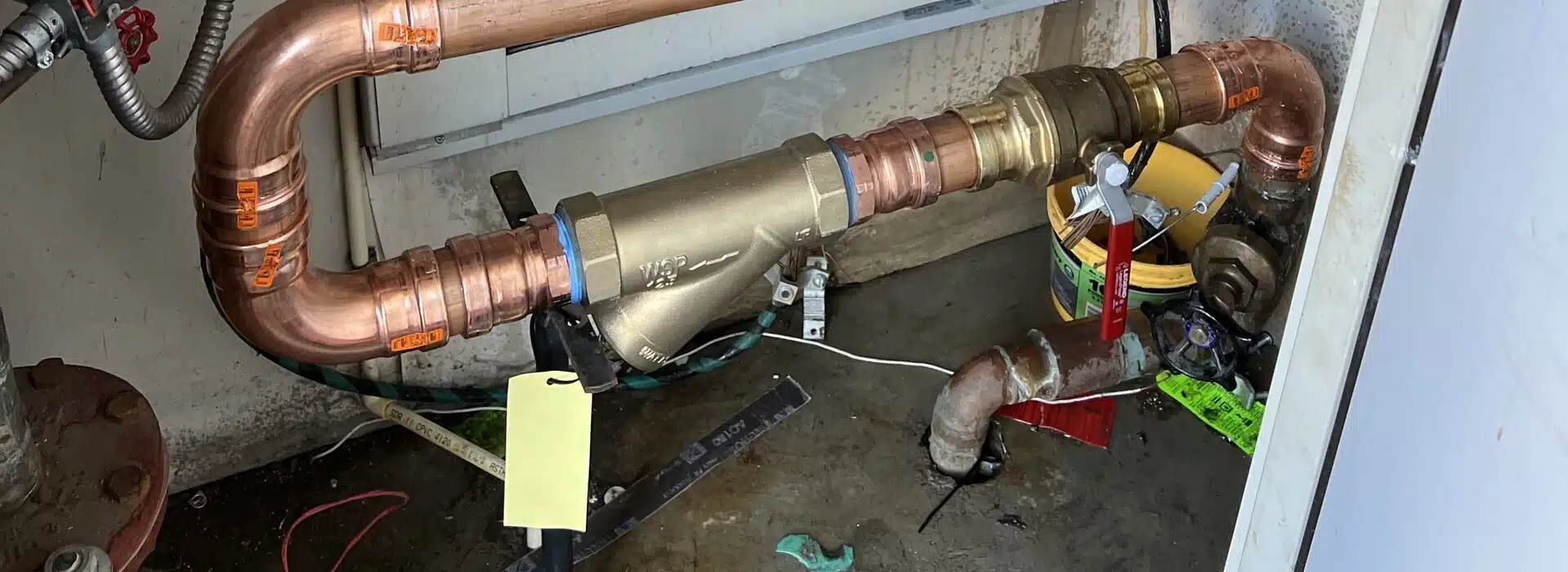
Backflow prevention is vital for ensuring safe drinking water in Lafayette, CO, where unique environmental and infrastructure challenges increase contamination risks. Professional services involve installing and maintaining devices to protect against backflow incidents caused by pressure changes and aging plumbing.
- Contaminated water can flow into clean supplies, posing health risks. Professional assessment is necessary to address local vulnerabilities in plumbing systems.
- Annual testing and maintenance of backflow devices are crucial for compliance and safety. Lafayette's diverse housing stock requires tailored solutions for effective protection.
- Cardom Plumbing & Heating offers comprehensive backflow prevention services, ensuring proper installation and ongoing verification to safeguard families.
Backflow prevention is a method used to stop contaminated water from reversing direction and entering the clean water supply. This is crucial for maintaining water safety in homes, as backflow can lead to health risks due to the presence of harmful substances in the drinking water.
Backflow Prevention Services in Lafayette, CO
That sudden metallic taste in your tap water or the unexpected discoloration flowing from your faucet – these alarming signs often point to a backflow problem that threatens your home's water safety. When contaminated water reverses direction and enters your clean water supply, the health risks escalate quickly, making professional backflow prevention an essential safeguard for Lafayette households.
Backflow prevention involves installing, testing, and maintaining specialized devices that stop contaminated water from flowing backward into your potable water system. This reversal can occur when pressure changes in the water main – from firefighting operations, water main breaks, or irrigation system issues – create a vacuum that pulls non-potable water into drinking water lines.
Why Professional Assessment Matters
Lafayette's unique combination of aging infrastructure in established neighborhoods, high-altitude pressure fluctuations, and diverse irrigation practices creates specific backflow vulnerabilities. A trained plumber understands how these local factors interact with your home's plumbing configuration.
- Protection against cross-contamination from irrigation systems, pools, and outdoor spigots
- Compliance with Colorado plumbing codes and local water district requirements
- Safeguarding your family from bacteria, chemicals, and fertilizers entering drinking water
- Prevention of costly water damage and potential health department violations
The semi-arid climate here means most properties rely heavily on irrigation systems – and these systems represent one of the most common backflow contamination sources when proper prevention devices aren't installed or maintained.
Common Backflow Issues in Lafayette, CO
Cardom Plumbing & Heating provides Backflow Prevention services in all neighborhoods of Lafayette including Anna's Farm, Autumn Meadows, Blue Heron Estates, Cross Ridge, Greenlee Park, Indian Peaks, Nyland Cohousing Community, South Pointe, Spring Creek, Steel Ranch Subdivision, The Boulder, The Ranch, Trails at Coal Creek, Waneka Landing, Waneka Pointe, and Water's Edge.
Lafayette sits at approximately 5,200 feet elevation where atmospheric pressure differences create unique challenges for water system integrity. These pressure variations, combined with temperature swings that can exceed 40 degrees in a single day, stress plumbing connections and backflow prevention assemblies in ways that lower-elevation communities rarely experience.
The city's housing stock ranges from historic structures near Old Town Lafayette built in the early 1900s to modern developments along the Highway 287 corridor. Older homes often lack adequate backflow protection entirely, while newer construction may have devices that haven't been tested since installation. Both scenarios create vulnerability.
Local Factors Affecting Backflow Risk
- Municipal water pressure fluctuations – Lafayette's water system experiences pressure changes during peak summer irrigation demand, increasing backflow risk
- Freeze-thaw cycling – Colorado's 300+ days of sunshine create daily temperature swings that stress device seals and connections
- High irrigation usage – Lawn and garden irrigation systems connected without proper backflow prevention pose contamination risks from fertilizers and pesticides
- Aging residential infrastructure – Homes built before 1990 often have outdated or missing backflow devices
- Basement plumbing configurations – Many Lafayette homes have below-grade plumbing susceptible to sewer backflow during heavy rain events
- Private well transitions – Properties that switched from well water to municipal supply may have improper cross-connections
Warning Signs Requiring Immediate Attention
Watch for these indicators that your backflow prevention may be compromised or absent:
- Discolored water appearing at multiple fixtures simultaneously
- Unusual odors – sulfur, chemical, or sewage smells – from tap water
- Visible debris or sediment in your water supply
- Water pressure drops when neighbors irrigate or during fire hydrant use
- Gurgling sounds in drains when using outdoor hose bibs
- Failed annual backflow test results from your water provider
Seasonal timing matters significantly in Lafayette. Spring irrigation startup and fall winterization represent peak periods for backflow incidents, as systems pressurize and depressurize rapidly during these transitions.
How Cardom Plumbing & Heating Addresses Backflow Prevention
Our approach to backflow prevention combines thorough assessment with precision installation and ongoing verification. We treat each property as unique, recognizing that a 1920s bungalow near downtown Lafayette requires different solutions than a 2015 home in Indian Peaks.
Our Step-by-Step Process
- Initial property assessment – We map your entire plumbing system, identifying all potential cross-connection points including irrigation, pools, water softeners, and outdoor fixtures
- Risk evaluation – Each cross-connection receives a hazard classification determining the appropriate level of backflow protection required
- Device selection – Based on hazard level and installation location, we recommend the proper assembly type – from atmospheric vacuum breakers to reduced pressure zone devices
- Professional installation – Our licensed technicians install devices according to manufacturer specifications and Colorado plumbing code requirements
- Certification testing – Every installation receives immediate testing using calibrated gauges to verify proper operation
- Documentation and registration – We complete all required paperwork for your water provider and maintain records for future reference
Testing and Maintenance Techniques
Annual testing keeps your backflow prevention reliable. Our certified testers use specialized equipment to verify each device functions correctly:
- Differential pressure gauge testing for reduced pressure zone assemblies
- Check valve inspection and cleaning when debris accumulation occurs
- Relief valve verification to confirm proper discharge operation
- Seal and gasket assessment for wear caused by mineral deposits and age
- Winterization procedures for devices in unheated locations
Communication Throughout the Process
You'll receive clear explanations at every stage – what we found, what we recommend, and why. After completion, we provide documentation including test reports, device specifications, and maintenance schedules. If your water provider requires annual compliance reporting, we handle submission directly.
Why Choose Cardom Plumbing & Heating
Backflow prevention requires specific certification beyond standard plumbing licensure. Our technicians hold Colorado-certified backflow assembly tester credentials, meaning they've completed specialized training in device operation, testing procedures, and code requirements. This expertise matters when your family's drinking water safety depends on proper installation.
We've served the Lafayette community long enough to understand its plumbing infrastructure intimately – from the older galvanized pipes common in homes near Public Road to the PEX systems in newer developments. This local knowledge helps us anticipate issues specific to your neighborhood and recommend solutions that account for your home's particular characteristics.
What Sets Us Apart
- Rapid response availability – Backflow emergencies don't wait, and neither do we when contamination risks arise
- Complete service capability – From initial assessment through annual testing, we handle every aspect of backflow prevention
- Transparent pricing – You'll know costs before work begins, with no surprise charges for standard installations
- Code compliance expertise – We stay current with Boulder County and state requirements, ensuring your installation meets all regulations
- Follow-up verification – After installation, we confirm proper operation and schedule your first annual test
Our investment in diagnostic technology – including video inspection equipment and precision testing gauges – allows accurate assessment without guesswork. When we identify a backflow risk, we can show you exactly what we're seeing and explain the solution in terms that make sense.
Housing Characteristics & Backflow Prevention Considerations
Lafayette's residential landscape reflects over a century of development, creating a diverse mix of housing types with varying backflow prevention needs. Understanding your home's era and construction style helps determine appropriate protection strategies.
Historic and Mid-Century Properties
Homes built before 1970 – concentrated near downtown Lafayette and along South Boulder Road – often feature:
- Galvanized steel supply lines prone to internal corrosion and pressure restrictions
- Basement floor drains without proper backwater valves
- Original hose bibs lacking vacuum breakers
- Irrigation systems added later without proper backflow devices
- Mixed plumbing materials from multiple renovation periods
These properties frequently require comprehensive backflow surveys to identify all cross-connection points accumulated over decades of modifications.
1980s-2000s Suburban Development
Neighborhoods developed during this period – including areas near Waneka Lake and along Baseline Road – typically have copper supply lines and basic backflow protection on irrigation systems. However, devices installed 20-40 years ago often need replacement due to seal degradation and internal component wear.
Modern Construction Considerations
Newer Lafayette developments generally include code-required backflow prevention, but these systems still need annual testing and eventual maintenance:
- Reduced pressure zone devices require periodic rebuilding
- Double check valves need seal replacement as they age
- Pressure vacuum breakers can fail from freeze damage if improperly winterized
- Additional cross-connections may have been created during landscaping or pool installation
Regardless of your home's age, professional assessment identifies gaps in protection that visual inspection alone cannot detect.
Environmental Conditions & Backflow Prevention Implications
Lafayette's Front Range location creates environmental factors that directly impact backflow prevention system performance and longevity. Understanding these conditions helps homeowners appreciate why regular maintenance matters here more than in many other regions.
Water Quality Characteristics
Lafayette receives treated water from the City of Lafayette Water Utility, sourced primarily from the Colorado-Big Thompson Project and supplemented by local reservoirs. This water contains:
- Moderate mineral content that can deposit on backflow device components
- Chlorine treatment residuals that affect rubber seals over time
- Seasonal quality variations based on source water changes
These characteristics mean backflow prevention devices in Lafayette experience faster seal degradation than in areas with softer water, making regular inspection and maintenance more critical.
Climate Impact on Backflow Devices
Colorado's semi-arid climate with extreme temperature ranges stresses backflow prevention assemblies significantly:
- Freeze risk – Temperatures regularly drop below freezing from October through April, potentially damaging devices with trapped water
- UV exposure – Intense high-altitude sunlight degrades plastic components and exposed seals
- Thermal cycling – Daily temperature swings cause expansion and contraction that loosens connections
- Low humidity – Dry conditions can cause rubber components to crack prematurely
Soil and Drainage Considerations
Lafayette's clay-heavy soils create drainage challenges that affect basement plumbing and below-grade backflow prevention. During heavy rain events – particularly the intense summer thunderstorms common along the Front Range – saturated soils can overwhelm storm drainage systems, increasing sewer backflow risk for homes without proper protection.
Properties near Coal Creek or in lower-elevation areas face elevated flood risk during spring snowmelt, making sewer backflow prevention particularly important for protecting finished basements and lower-level living spaces.
Lafayette Water System Infrastructure & Backflow Compliance Requirements
The City of Lafayette Water Utility maintains a distribution system serving approximately 30,000 residents through over 100 miles of water mains. This infrastructure varies significantly in age – some sections date to the city's early development while others were installed within the last decade. Understanding this system helps explain why backflow prevention compliance matters locally.
Municipal Backflow Prevention Program
Lafayette operates an active cross-connection control program requiring:
- Annual testing of all testable backflow prevention assemblies
- Submission of test reports to the Water Utility within specified timeframes
- Installation of approved devices on irrigation systems, fire suppression systems, and other identified hazards
- Correction of identified cross-connections within mandated periods
Properties found non-compliant may face water service restrictions until proper backflow prevention is installed and tested. The city maintains a registry of certified backflow testers authorized to perform required annual testing.
Local Infrastructure Factors
Several characteristics of Lafayette's water system create specific backflow considerations:
- Pressure zone variations – The city's terrain requires multiple pressure zones, creating potential for pressure fluctuations during zone transitions
- Summer demand peaks – Heavy irrigation usage during July and August can stress system pressure, increasing backflow risk
- Infrastructure improvement projects – Ongoing main replacement and repair work occasionally requires temporary pressure changes
- Emergency response scenarios – Fire department operations can create significant pressure drops in affected areas
These factors make properly functioning backflow prevention devices more than a code requirement – they're an active safeguard against contamination events that can occur without warning. Cardom Plumbing & Heating maintains current knowledge of Lafayette's water system requirements and can help ensure your property meets all compliance obligations while protecting your family's water supply.


