
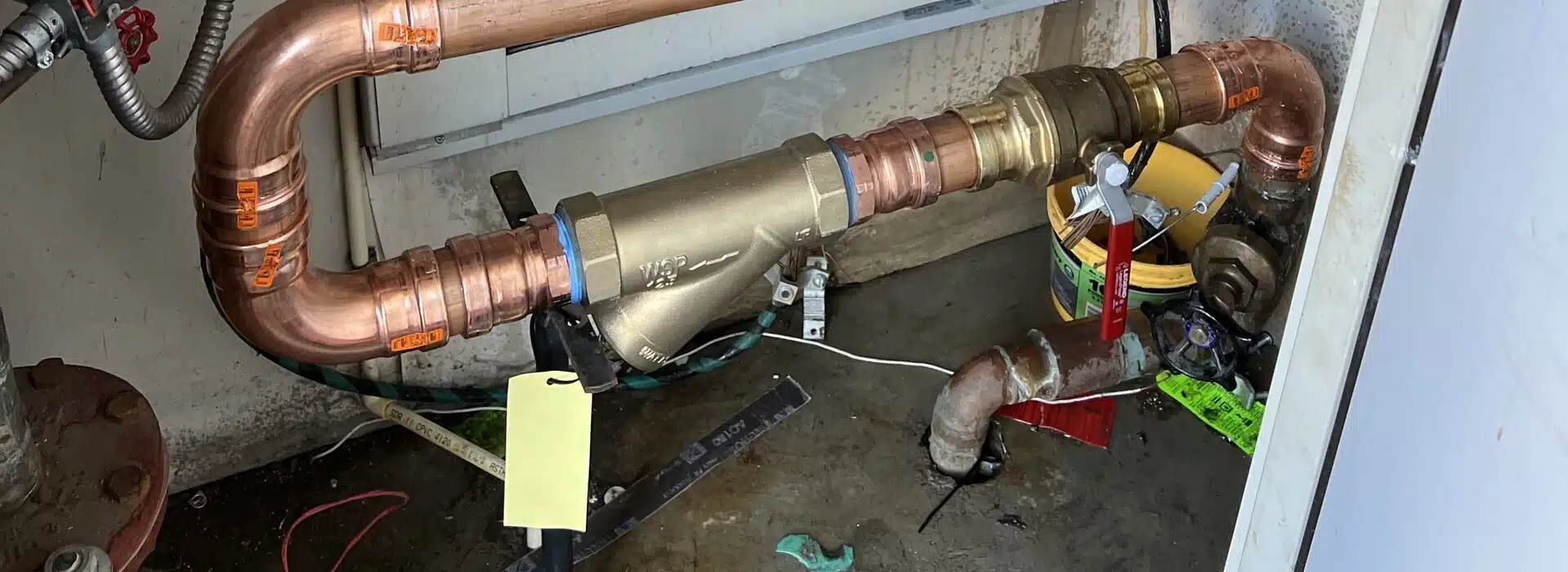
Backflow prevention is essential in Golden, CO, to protect drinking water from contamination due to pressure changes and environmental factors. The company offers specialized services that include installation, testing, and maintenance of backflow prevention devices tailored to the unique challenges of the area.
- Backflow prevention devices create a barrier against contaminants from irrigation systems and other sources. They require annual testing and maintenance to function properly under varying pressure conditions. The company understands local regulations and the specific needs of Golden's diverse housing stock.
- Backflow Prevention Services in Golden, CO That morning shower suddenly tastes metallic.
- Your garden hose left connected overnight.
Backflow prevention is a method used to protect drinking water supplies from contamination due to the reverse flow of water. This can occur in various situations, such as pressure drops or improper connections. In areas like Golden, CO, effective backflow prevention is critical to safeguard public health and maintain clean water standards.
Backflow Prevention Services in Golden, CO
That morning shower suddenly tastes metallic. Your garden hose left connected overnight. A pressure drop during a water main break down the street. These scenarios share a common thread – they all create conditions where contaminated water can flow backward into your clean drinking supply. Backflow prevention protects your household from this invisible threat, and in Golden's mountain environment, the stakes run higher than most Colorado communities realize.
Backflow prevention involves installing, testing, and maintaining specialized valve assemblies that allow water to flow in only one direction. These devices create a physical barrier between your potable water system and potential contamination sources – irrigation systems, boilers, fire suppression lines, and even swimming pools. When pressure differentials shift due to main breaks, firefighting operations, or elevation changes, properly functioning backflow preventers keep sewage, chemicals, and debris from entering your drinking water.
Professional diagnosis matters because backflow devices operate under specific pressure conditions and require annual certification testing. A device that appears functional may fail during the exact pressure reversal event it was designed to prevent. Golden's unique position at the base of the foothills creates additional complexity – elevation changes of several hundred feet within city limits mean pressure zones behave differently than flat terrain communities.
- Protection against cross-contamination from irrigation chemicals, fertilizers, and pesticides
- Compliance with Colorado Department of Public Health regulations and local water district requirements
- Safeguarding against pressure fluctuations common in mountain water distribution systems
- Prevention of costly contamination events that can affect entire neighborhood supply lines
Common Backflow Issues in Golden, CO
Cardom Plumbing & Heating provides Backflow Prevention services in all neighborhoods of Golden including Briarwood Commons, Canyon View, Golden Hills, Golden Pointe Apartmements, and Mesa View Estates.
Golden sits at approximately 5,675 feet elevation where Clear Creek emerges from the canyon, and this geography directly shapes local backflow challenges. The city's water system must manage significant pressure differentials between neighborhoods at different elevations – from the historic downtown near the creek to hillside homes several hundred feet higher. These pressure zone transitions create natural vulnerability points where backflow events become more likely during system disruptions.
The age and diversity of Golden's housing stock introduces additional complexity. Historic structures near Washington Avenue may have original plumbing connections predating modern backflow requirements, while newer developments in the foothills feature contemporary irrigation systems that require dedicated protection. Many properties combine old and new systems, creating layered contamination risks that demand comprehensive assessment rather than single-device solutions.
Local Factors Affecting Backflow Risk
- Elevation pressure variations – Homes at higher elevations experience lower baseline pressure, making them more susceptible to backflow during main breaks or high-demand periods
- Seasonal irrigation demand – Summer watering schedules create dramatic pressure swings throughout the distribution system, particularly during early morning hours
- Freeze-thaw cycling – Golden's 300+ days of sunshine combined with cold nights cause repeated thermal stress on backflow assemblies, accelerating seal degradation
- Historic infrastructure connections – Older service lines may lack proper air gaps or check valves at critical junction points
- Mountain runoff influence – Spring snowmelt increases turbidity and sediment in source water, making contamination prevention more critical
- Fire hydrant usage – Emergency operations and routine flushing create sudden pressure drops that test every backflow device in affected zones
Warning signs that your backflow prevention system needs attention include discolored water after pressure changes, unusual tastes or odors in tap water, visible leaks from outdoor assemblies, and failed annual certification tests. If neighboring properties report water quality issues simultaneously, this often indicates a zone-wide pressure event that may have compromised inadequate protection devices.
How Cardom Plumbing & Heating Addresses Your Backflow Needs
Our approach to backflow prevention combines systematic assessment with Golden-specific knowledge. We understand that a device rated for sea-level conditions may underperform at elevation, and that your historic home's plumbing layout differs dramatically from newer construction.
Our Backflow Service Process
- Initial system mapping – We trace all water connections throughout your property, identifying cross-connection points between potable and non-potable systems including irrigation, boilers, and outdoor fixtures
- Risk assessment – Each connection receives a hazard classification determining the appropriate level of protection required by Colorado regulations
- Device inspection – Existing backflow preventers undergo visual examination for corrosion, freeze damage, and physical integrity before functional testing
- Certified testing – Using calibrated differential pressure gauges, we verify that check valves, relief ports, and air gaps perform within specification
- Documentation and reporting – Test results are recorded on state-approved forms and submitted to Consolidated Mutual Water Company or your applicable water district
- Remediation planning – Failed devices receive detailed repair or replacement recommendations with options suited to your specific application
Methods and Techniques
- Differential pressure testing using gauges calibrated to AWWA standards
- Visual inspection protocols for freeze damage, mineral buildup, and mechanical wear
- Cross-connection surveys identifying unprotected hazard points
- Winterization procedures appropriate for Golden's climate
- Repair techniques including seal replacement, spring adjustment, and component rebuilding
Throughout the process, we maintain clear communication about findings, options, and timeline. You'll understand exactly what protection your property currently has, where gaps exist, and what steps will bring your system into full compliance and optimal function.
Why Choose Cardom Plumbing & Heating
Backflow prevention requires specific certification beyond standard plumbing licensure. Our technicians hold Colorado-recognized backflow tester and repair certifications, maintaining current credentials through annual continuing education. This specialized training means we understand the mechanical intricacies of reduced pressure zone assemblies, double check valves, and atmospheric vacuum breakers – not just how to install them, but how they behave under the pressure conditions unique to foothill communities.
Serving the Golden area means we've developed intimate familiarity with local water district requirements, common installation configurations in different neighborhoods, and the seasonal patterns that stress backflow devices. When Consolidated Mutual sends testing reminders, we're already scheduling appointments. When spring pressure fluctuations cause failures across the service area, we're prepared with common replacement parts and repair components.
What Sets Us Apart
- State-certified backflow testing with direct submission to your water provider
- Repair capabilities that often restore failed devices same-day rather than requiring full replacement
- Proactive scheduling aligned with annual certification deadlines
- Detailed documentation including photographs, test results, and compliance certificates
- Knowledge of Golden's specific pressure zones and elevation-related challenges
We answer calls promptly and schedule appointments within reasonable timeframes – because a failed backflow test means water service interruption until the issue resolves. Our follow-up procedures include reminder notifications before your next annual test comes due, helping you maintain continuous compliance without tracking certification dates yourself.
Housing Characteristics & Backflow Prevention Considerations
Golden's housing stock tells the story of Colorado's development from mining town to modern community. Properties along the Clear Creek corridor and historic downtown date to the late 1800s and early 1900s, featuring plumbing systems installed and modified across multiple generations. These older homes often have service connections predating backflow requirements, with cross-connections that seemed acceptable decades ago but now represent contamination pathways.
Housing Era Considerations
- Pre-1940 historic homes – Original plumbing may include direct boiler connections, unprotected hose bibs, and basement floor drains tied to water supply lines
- 1950s-1970s ranch homes – Often feature early irrigation connections and swamp cooler hookups without adequate backflow protection
- 1980s-2000s hillside development – Larger lots with complex irrigation systems, hot tubs, and fire suppression connections requiring multiple protection devices
- Contemporary construction – Modern code compliance at installation, but devices still require annual testing and eventual replacement
Property elevation within Golden significantly influences backflow device selection. Homes in the Table Mountain area or along Lookout Mountain Road experience different baseline pressures than downtown properties. A reduced pressure zone assembly performing perfectly at creek level may require adjustment or different spring configurations at higher elevations where incoming pressure runs lower.
Lot characteristics matter too. Properties with significant grade changes, multiple irrigation zones, or detached structures with separate water feeds need comprehensive cross-connection surveys. That guest house, workshop, or barn may have been added without considering how its plumbing ties into the main system's backflow protection scheme.
Environmental Conditions & Backflow Prevention Implications
Golden's water supply originates from Clear Creek and supplemental sources managed through Consolidated Mutual Water Company and other local providers. This mountain-sourced water carries seasonal variation in mineral content, turbidity, and treatment approach. Spring snowmelt brings higher sediment loads that can accelerate wear on backflow device seals and check valves, while winter's clearer water may mask developing issues until spring testing reveals failures.
Climate Impact on Backflow Devices
The Front Range climate subjects outdoor backflow assemblies to punishing conditions. Golden averages over 50 nights below freezing annually, yet daytime temperatures frequently climb above 50°F even in winter months. This freeze-thaw cycling stresses rubber seals, causes condensation inside valve bodies, and can crack brass or bronze housings if water becomes trapped.
- Thermal cycling – Daily temperature swings of 30-40 degrees accelerate material fatigue in seals and diaphragms
- UV exposure – Golden's intense high-altitude sunshine degrades plastic components and rubber seals faster than lower elevations
- Soil movement – Expansive clay soils common in parts of Golden shift seasonally, potentially stressing underground connections
- Drainage patterns – Properties near Clear Creek or seasonal drainages face higher groundwater during spring runoff, increasing contamination risk from submerged connections
Water quality characteristics also influence device longevity. Moderate mineral hardness in local supplies causes gradual scale accumulation inside valve bodies, potentially interfering with check valve seating over time. Annual testing catches these developing issues before they cause failures during actual backflow events.
Water System Infrastructure & Cross-Connection Control in Golden
Golden's water distribution system reflects the community's evolution from mining settlement to modern city. Consolidated Mutual Water Company serves the majority of residential customers, operating a system that includes multiple pressure zones to accommodate the area's 400+ feet of elevation variation. This multi-zone configuration requires pressure reducing stations and booster pumps that create the very pressure differentials making backflow prevention necessary.
The water district maintains an active cross-connection control program requiring annual testing of all commercial and high-hazard residential backflow devices. Properties with irrigation systems, fire sprinkler connections, or auxiliary water sources must demonstrate compliant protection through certified testing. Failure to submit passing test results within required timeframes can result in service disconnection – the district takes contamination prevention seriously given that a single backflow event can affect multiple downstream customers.
Local Infrastructure Data Points
- Consolidated Mutual serves approximately 15,000 connections across Golden and surrounding areas
- System pressure varies from approximately 40 PSI in upper elevation zones to 80+ PSI in lower areas
- Annual testing deadlines typically fall between May and September, coinciding with irrigation season
- The district maintains a certified tester registry and accepts results only from credentialed professionals
- New construction and remodel permits require cross-connection surveys before final approval
Understanding these infrastructure realities helps property owners recognize why backflow prevention matters beyond simple code compliance. Your device protects not just your household but your neighbors' water quality. When the system experiences pressure drops from main breaks, firefighting operations, or infrastructure maintenance, every inadequately protected cross-connection becomes a potential contamination source affecting the entire pressure zone. Cardom Plumbing & Heating helps Golden residents fulfill this shared responsibility through professional testing, maintenance, and repair services tailored to local conditions.


