
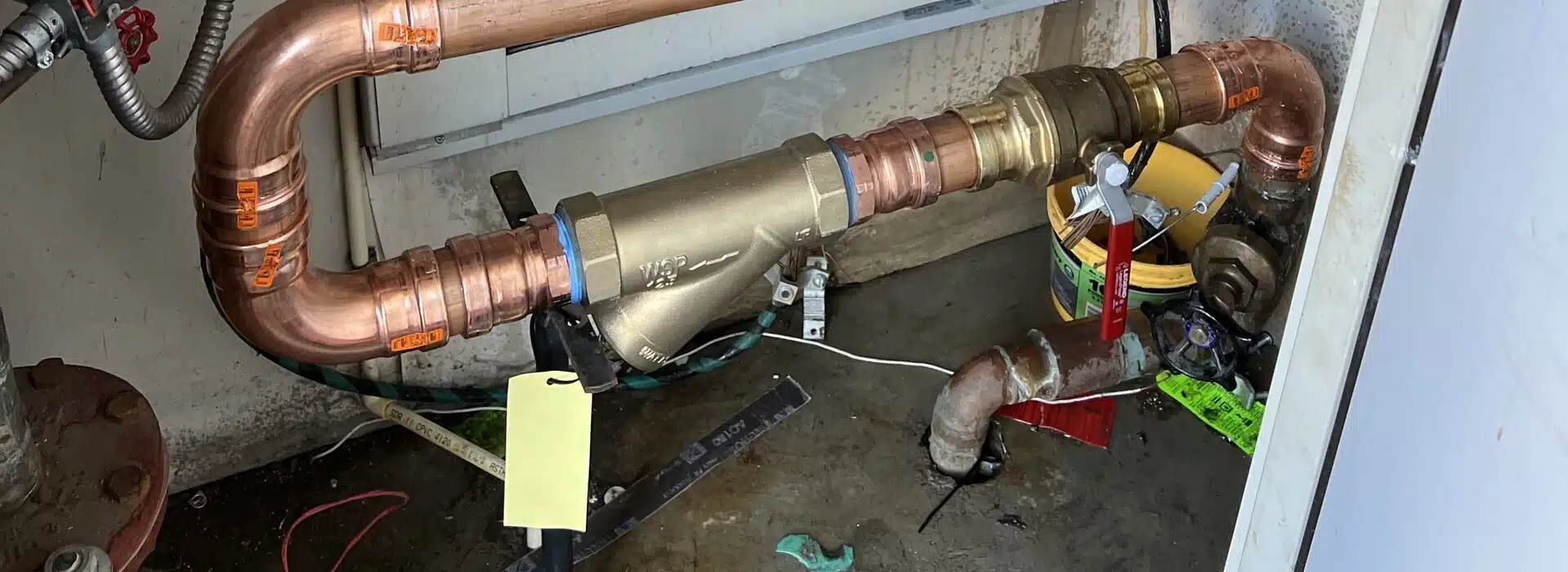
Backflow prevention is essential for protecting household water supplies in Federal Heights from contamination risks due to pressure changes in the municipal water system. Cardom Plumbing & Heating offers professional services to assess and install appropriate backflow prevention devices tailored to each property's specific needs.
- They identify potential contamination pathways and assess existing protection levels in plumbing systems. Annual testing and certification are crucial for maintaining device functionality and compliance with regulations. Their certified technicians ensure proper installation and provide clear communication throughout the process.
- Backflow Prevention Services in Federal Heights, CO That sudden change in water taste or unexpected discoloration coming from your faucet might signal a serious contamination risk hiding in your plumbing system.
- Backflow prevention protects your household water supply from dangerous reverse flows that can introduce pollutants, chemicals, and bacteria into the water you drink, cook with, and bathe in.
Backflow prevention is a safety measure designed to protect a household's water supply from contamination caused by reverse flows in plumbing systems. It prevents pollutants, chemicals, and bacteria from entering clean water lines during pressure changes, ensuring that the water used for drinking, cooking, and bathing remains safe and uncontaminated.
Backflow Prevention Services in Federal Heights, CO
That sudden change in water taste or unexpected discoloration coming from your faucet might signal a serious contamination risk hiding in your plumbing system. Backflow prevention protects your household water supply from dangerous reverse flows that can introduce pollutants, chemicals, and bacteria into the water you drink, cook with, and bathe in. When pressure changes occur in Federal Heights' municipal water system – whether from water main breaks, firefighting operations, or irrigation demands – contaminated water can flow backward into clean supply lines without proper protection.
Federal Heights sits at approximately 5,200 feet elevation along the Front Range, where rapid pressure fluctuations and aging infrastructure create specific backflow vulnerabilities. The city's mix of 1960s-era housing stock and newer developments means plumbing systems vary dramatically in their existing protection levels. Professional backflow assessment identifies gaps in your system's defenses and determines which prevention devices match your property's risk profile.
- Protection against cross-contamination from irrigation systems, pools, and lawn chemical applications
- Compliance with Colorado Department of Public Health requirements and local water authority regulations
- Safeguarding against pressure drops caused by water main repairs or emergency firefighting draws
- Annual testing and certification to maintain device functionality and legal compliance
Common Backflow Issues in Federal Heights, CO
Cardom Plumbing & Heating provides Backflow Prevention services in all neighborhoods of Federal Heights including Countryside Village, Denver Cascade, Friendly Village, Holiday Hills Village, Kimberly Hills, Lamplighter Trailer Park, Redwood Estates, The Lodge, and Tuscan Heights.
Federal Heights' position within the North Washington Street corridor and its proximity to major commercial and industrial zones creates unique cross-connection risks. Properties near auto service facilities, dry cleaners, and landscaping operations face elevated contamination potential when backflow events occur. The city's water distribution system, managed through interconnections with surrounding municipalities, experiences periodic pressure variations that can trigger backflow conditions.
Seasonal patterns significantly impact backflow risk throughout the year. Spring irrigation startup creates sudden demand spikes that drop system pressure across neighborhoods. Summer thunderstorms and hail events – common along the Front Range – can damage above-ground backflow assemblies and compromise their seals. Winter freeze-thaw cycles stress device components, particularly in unprotected outdoor installations where temperatures regularly swing between freezing and mild conditions within hours.
Warning Signs of Backflow Problems
Recognizing early indicators helps prevent contamination events before they affect your family's health.
- Discolored or murky water appearing suddenly at multiple fixtures
- Unusual tastes or odors – particularly chemical, metallic, or sulfur-like smells
- Visible sediment or particles in water that wasn't present before
- Pressure fluctuations occurring without obvious cause
- Water meter showing usage when no fixtures are running
- Irrigation or sprinkler water appearing at indoor faucets
Local Factors Affecting Backflow Risk
- Aging cast iron and galvanized water mains in older Federal Heights neighborhoods prone to breaks and repairs
- High irrigation demand during dry summer months drawing down system pressure
- Elevation changes across the city creating variable pressure zones
- Commercial cross-connections from nearby industrial and retail developments
- Shared water infrastructure with Adams County systems increasing complexity
How Cardom Plumbing & Heating Addresses Your Backflow Prevention Needs
Our approach to backflow prevention combines thorough assessment with precision installation and ongoing maintenance. We recognize that each Federal Heights property presents different risk factors based on its plumbing configuration, water usage patterns, and proximity to potential contamination sources.
Our Backflow Prevention Process
- Initial Property Assessment – We survey your plumbing system to identify all cross-connections, existing protection devices, and potential contamination pathways from irrigation, pools, water softeners, and other auxiliary systems.
- Risk Classification – Based on Colorado regulations and your specific setup, we determine the appropriate hazard level and required protection – whether atmospheric vacuum breakers, pressure vacuum breakers, double check valves, or reduced pressure zone assemblies.
- Device Selection and Installation – We match the correct backflow preventer to each application, ensuring proper sizing, orientation, and accessibility for future testing and maintenance.
- Functional Testing – Using calibrated test equipment, we verify each device operates within manufacturer specifications and regulatory requirements.
- Documentation and Certification – We complete all required paperwork for your water provider and maintain records for annual compliance tracking.
Testing and Maintenance Techniques
- Differential pressure testing using certified gauge assemblies
- Check valve seat inspection and cleaning
- Relief valve operation verification on RPZ assemblies
- O-ring and seal replacement during routine service
- Winterization procedures for exposed outdoor installations
- Enclosure inspection and repair for freeze protection
Communication remains central to our service approach. Before beginning any work, we explain what we've found, what protection your property needs, and how the installation will proceed. After completion, we walk you through the location of each device, basic visual inspection points, and when to schedule annual testing.
Why Choose Cardom Plumbing & Heating
Backflow prevention requires specific certification beyond standard plumbing licensure. Our technicians hold Colorado-certified backflow assembly tester credentials and maintain current certification through ongoing training. We carry calibrated test equipment that meets AWWA standards and undergoes annual calibration verification – a detail that matters when your test results must satisfy water authority requirements.
Working throughout the Denver metro area gives us direct familiarity with Federal Heights' plumbing infrastructure and the specific requirements of local water providers. We understand which devices satisfy regional compliance standards and how to coordinate testing schedules with certification deadlines. When you need documentation for property sales, rental compliance, or annual renewals, we handle the paperwork efficiently.
What Sets Us Apart
- Certified backflow testers with current Colorado credentials
- Same-week scheduling for testing and emergency repairs
- Direct submission of test reports to water authorities
- Reminder service for annual testing requirements
- Repair capabilities for all major backflow assembly brands
- Clear pricing before work begins – no surprises
Our follow-up procedures include verification that your test results have been received and accepted by the appropriate water authority. If any device fails testing, we provide repair options immediately rather than requiring a separate service visit. This streamlined approach minimizes disruption and keeps your property in compliance without multiple appointments.
Housing Characteristics & Backflow Prevention Considerations
Federal Heights' housing stock reflects distinct development periods that directly influence backflow prevention requirements. The city's core residential areas developed primarily during the 1950s through 1970s, producing a concentration of single-family ranch homes and split-levels built before modern cross-connection control codes existed. These properties frequently lack any backflow protection on irrigation connections, hose bibs, or water softener installations.
Housing Age and Plumbing Implications
- Pre-1970 homes – Often feature galvanized supply lines and minimal cross-connection protection; may have direct irrigation connections without any backflow device
- 1970s-1980s construction – Typically include basic atmospheric vacuum breakers on hose bibs but may lack protection on underground irrigation systems
- 1990s-2000s developments – Generally have pressure vacuum breakers on irrigation but may need upgrades to meet current RPZ requirements for higher-hazard applications
- Recent construction – Usually compliant with current codes but requires annual testing verification
Multi-family properties and apartment complexes – common along Federal Boulevard and the 84th Avenue corridor – present additional considerations. These buildings often have shared water systems where a single backflow event can affect multiple units. Common area irrigation, pool fill lines, and boiler makeup water connections all require appropriate protection and regular testing.
Property-Specific Risk Factors
Homes with in-ground sprinkler systems represent the most common backflow hazard in Federal Heights. Fertilizers, pesticides, and soil bacteria can enter irrigation lines and – without proper protection – contaminate household water during pressure drops. Properties with pools, hot tubs, or water features need dedicated backflow prevention on fill lines. Homes with water-cooled HVAC equipment, water softeners, or whole-house filtration systems may have cross-connections that require assessment.
- Basement laundry connections with submerged fill hoses
- Outdoor faucets used for chemical sprayer attachment
- Solar water heating systems with antifreeze loops
- Boiler systems with automatic makeup water connections
Environmental Conditions & Backflow Prevention Implications
Federal Heights receives its water supply through a complex network that draws from multiple sources across the Denver metro region. The treated water meets all federal and state quality standards, but the distribution system's age and configuration create pressure variability that affects backflow risk. Understanding these environmental factors helps property owners recognize why proper protection matters.
Water Quality Characteristics
Municipal water in the Federal Heights area typically exhibits moderate hardness levels – generally ranging from 100-150 mg/L – which can contribute to mineral buildup on backflow device components over time. This accumulation affects check valve seating surfaces and can compromise seal integrity if devices aren't serviced regularly. The chlorine residual maintained for disinfection can degrade rubber components in older backflow assemblies, making periodic seal replacement part of proper maintenance.
- Moderate mineral content requiring periodic device cleaning
- Seasonal temperature variations affecting water chemistry
- Chlorine levels that can accelerate rubber component degradation
- Occasional sediment during water main work requiring strainer cleaning
Climate Impacts on Backflow Devices
The Front Range climate presents specific challenges for backflow prevention equipment. Winter temperatures regularly drop below freezing, and exposed backflow assemblies without proper insulation or enclosures can suffer freeze damage that cracks housings and destroys internal components. The rapid temperature swings common in Colorado – sometimes 40-50 degrees within hours – stress seals and gaskets through repeated expansion and contraction cycles.
- Freeze protection requirements for outdoor RPZ and PVB assemblies
- UV degradation of plastic components on sun-exposed installations
- Hail damage potential for above-ground devices
- Thermal cycling stress on seals and diaphragms
Soil and Drainage Considerations
Federal Heights sits on clay-heavy soils that expand and contract significantly with moisture changes. This soil movement can stress underground plumbing connections and shift backflow device installations over time. Properties with poor drainage may experience standing water around below-grade installations, accelerating corrosion and making maintenance access difficult. Proper installation includes attention to drainage away from device locations and stable mounting that accommodates soil movement.
Water Infrastructure and Cross-Connection Control in Federal Heights
Federal Heights operates within Adams County's water service framework, with most residential properties receiving water through interconnected municipal systems. The city's water infrastructure includes mains dating from the original 1950s-60s development period alongside newer lines installed during subsequent growth phases. This mixed-age system experiences periodic pressure fluctuations during repairs, high-demand periods, and emergency operations that can trigger backflow events in unprotected systems.
Local Water System Data
- Water main breaks in the Denver metro region average several hundred annually, with older systems like those serving Federal Heights experiencing higher incident rates
- Summer irrigation demand can reduce system pressure by 15-25 PSI during peak afternoon hours
- Fire department operations draw significant water volumes that create localized pressure drops lasting minutes to hours
- Cross-connection control programs require annual testing of all testable backflow assemblies
The Colorado Department of Public Health and Environment mandates cross-connection control programs for all public water systems. Federal Heights properties with irrigation systems, pools, fire suppression systems, or commercial operations must maintain compliant backflow protection and submit annual test reports. Failure to comply can result in water service interruption until proper protection is installed and tested.
How Infrastructure Age Affects Your Backflow Needs
Older distribution mains are more susceptible to breaks and require more frequent repairs – each repair event creates potential backflow conditions in the surrounding area. Properties served by these older sections face elevated risk and benefit from higher levels of protection. Additionally, homes with original plumbing from the 1960s-70s often have direct cross-connections that were legal at construction but now require retrofit protection under current codes.
- Properties near known problem mains should consider RPZ assemblies for maximum protection
- Annual testing identifies device failures before contamination events occur
- Proactive replacement of aging backflow devices prevents emergency failures
- Documentation of compliant installations protects property owners during real estate transactions
Backflow Prevention in Other Service Areas


