
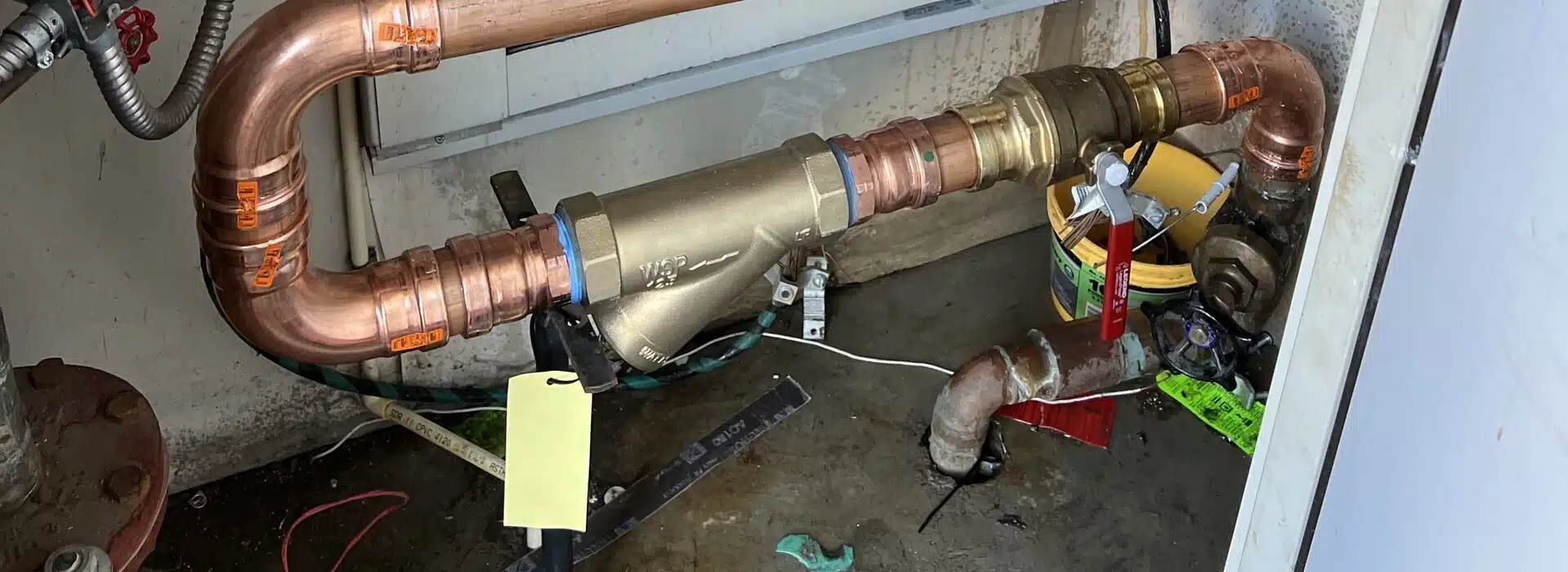
Backflow prevention is essential in Wheat Ridge, CO, to protect drinking water from contamination due to the city's aging infrastructure and pressure fluctuations. Professional services include installation, testing, and maintenance of devices that prevent pollutants from entering the water supply.
- Backflow can occur during pressure drops from main breaks or high demand, risking contamination of clean water. Professional services assess and install devices tailored to each property's needs.
- Wheat Ridge's unique topography and older plumbing systems increase backflow risks, making prevention measures crucial for homeowners.
- Regular maintenance and compliance with local regulations are necessary to ensure safe drinking water and prevent cross-contamination.
Backflow prevention is a method used to protect a household's water supply from contamination caused by the reverse flow of water. This is particularly important in areas like Wheat Ridge, where aging infrastructure and varying pressure can lead to dangerous cross-contamination, ensuring safe drinking water for residents.
Backflow Prevention Services in Wheat Ridge, CO
That morning cup of coffee tastes different when you realize contaminated water could be flowing backward through your pipes. Backflow prevention protects your household water supply from dangerous cross-contamination – a concern that becomes increasingly relevant in Wheat Ridge's aging infrastructure and fluctuating pressure zones along the Front Range.
Backflow occurs when water reverses direction in your plumbing system, potentially pulling pollutants, chemicals, or sewage into your clean water supply. This reversal happens during pressure drops from water main breaks, firefighting activities, or sudden demand surges. Professional backflow prevention involves installing, testing, and maintaining specialized devices that act as one-way valves in your plumbing system.
Wheat Ridge presents unique backflow challenges due to its mix of mid-century homes, varying elevation changes across the city, and connection to Consolidated Mutual Water Company's distribution network. The semi-arid climate creates dramatic pressure fluctuations, while older galvanized pipes in many neighborhoods increase contamination risks.
- Protection against cross-contamination from irrigation systems, pools, and garden hoses
- Compliance with Colorado state regulations and local water authority requirements
- Safeguarding against back-siphonage during water main repairs or pressure losses
- Peace of mind knowing your drinking water remains isolated from potential pollutants
Common Backflow Issues in Wheat Ridge, CO
Cardom Plumbing & Heating provides Backflow Prevention services in all neighborhoods of Wheat Ridge including Applewood Lane, Kipling Villiage, Outlook Clear Creek, The Ridge, and Vista Village.
Wheat Ridge's infrastructure tells a story through its pipes. Much of the city developed during the 1950s and 1960s, meaning underground water lines and residential plumbing systems have been working for six or seven decades. This aging infrastructure creates specific vulnerabilities that make backflow prevention particularly relevant for local homeowners.
The city's position along Clear Creek and its varied topography – ranging from approximately 5,400 to 5,700 feet elevation – creates natural pressure differentials throughout the water distribution system. When Consolidated Mutual Water Company performs maintenance or when neighboring jurisdictions experience high demand, these pressure variations can trigger back-siphonage events in unprotected systems.
Local Factors Affecting Backflow Risk
- Aging water mains throughout older Wheat Ridge neighborhoods increase the frequency of repairs and pressure fluctuations
- Irrigation systems connected to homes built before modern backflow codes often lack proper protection
- Elevation changes between properties create pressure imbalances that existing devices may not adequately address
- Hard water mineral deposits – common along the Front Range – can compromise backflow preventer valve seals over time
- Freeze-thaw cycles from October through April stress mechanical components in outdoor backflow assemblies
- Properties with wells, pools, or auxiliary water sources require additional isolation points
Seasonal timing matters significantly in Wheat Ridge. Spring irrigation startup represents the highest-risk period for backflow incidents, as dormant systems come online while municipal demand spikes. Late fall presents another vulnerable window when homeowners winterize systems and pressure fluctuations become more common.
Warning Signs Your Backflow Prevention Needs Attention
- Discolored water appearing at taps after irrigation system use
- Unusual taste or odor in drinking water – particularly sulfur or chemical notes
- Visible leaking from outdoor backflow preventer assemblies
- Failed annual certification tests or notices from your water provider
- Water pressure drops coinciding with sprinkler operation
How Cardom Plumbing & Heating Addresses Your Backflow Prevention Needs
Backflow prevention requires precision – both in initial installation and ongoing maintenance. Our approach combines thorough assessment with certified testing procedures that meet Colorado Department of Public Health and Environment standards.
Our Backflow Prevention Process
- Initial System Assessment – We evaluate your property's water connections, identify all potential cross-connection points, and review existing protection devices
- Risk Classification – Each connection point receives a hazard rating based on potential contamination severity, determining the appropriate level of protection required
- Device Selection – We recommend the correct backflow preventer type for each application – whether reduced pressure zone assemblies, double check valves, or atmospheric vacuum breakers
- Professional Installation – Our certified technicians install devices according to manufacturer specifications and local code requirements, ensuring proper orientation and accessibility for future testing
- Certification Testing – Using calibrated test equipment, we verify device operation and document results for submission to your water provider
- Annual Maintenance Scheduling – We establish a testing schedule that maintains compliance and catches developing issues before they cause contamination events
Testing Methods and Techniques
- Differential pressure testing using certified gauge sets calibrated to AWWA standards
- Check valve seat inspection for wear, debris, or mineral buildup
- Relief valve operation verification on reduced pressure zone assemblies
- Air inlet functionality testing on vacuum breakers
- Comprehensive leak detection at all connection points and test cocks
Communication stays consistent throughout the process. We explain test results in plain language, provide documentation for your records, and submit required certifications directly to Consolidated Mutual Water Company or your applicable water authority. When repairs become necessary, we discuss options and complete work efficiently to restore protection.
Why Choose Cardom Plumbing & Heating
Backflow prevention certification requires specialized training beyond standard plumbing licensure. Our technicians hold current Colorado Cross-Connection Control certification and maintain proficiency through ongoing education. We understand the specific requirements of Jefferson County health authorities and the documentation standards your water provider expects.
Local knowledge shapes how we approach each property. We recognize the common plumbing configurations in Wheat Ridge's ranch homes, split-levels, and newer construction. We know which neighborhoods have experienced recent water main work and where pressure issues tend to concentrate. This familiarity translates into faster diagnostics and more accurate recommendations.
What Sets Our Service Apart
- State-certified backflow testing with same-day documentation submission
- Repair capabilities on-site – we carry common replacement parts for major backflow preventer brands
- Scheduling flexibility that accommodates annual testing deadlines and compliance windows
- Direct communication with water authorities when certification questions arise
- Detailed reporting that explains device condition and any recommended maintenance
We stand behind our installations and testing with clear follow-up procedures. When a device fails certification, we provide repair options immediately rather than scheduling separate appointments. Our goal is maintaining your water safety and compliance status without unnecessary delays or return visits.
Housing Characteristics & Backflow Prevention Considerations
Wheat Ridge's housing stock reflects its development history as one of Denver's earliest suburbs. The majority of homes were constructed between 1945 and 1975, creating a distinctive landscape of single-story ranches, raised ranches, and bi-level designs. These mid-century homes present specific backflow prevention challenges that differ significantly from newer construction.
Plumbing Configurations by Era
- Pre-1960 homes – Often feature galvanized steel supply lines with minimal cross-connection protection; irrigation connections frequently tap directly into domestic water lines without isolation
- 1960s-1970s construction – Copper supply lines become standard, but backflow prevention requirements remained limited; hose bibs and irrigation connections typically lack vacuum breakers
- 1980s-1990s builds – Improved code requirements introduced basic backflow protection, though devices may now be approaching end of service life
- 2000s and newer – Modern code-compliant installations with appropriate device selection, requiring only annual testing and periodic maintenance
Basement configurations common in Wheat Ridge homes create additional considerations. Below-grade plumbing connections – including laundry sinks, floor drains, and water softener installations – may represent unprotected cross-connections. Properties with finished basements often have these connections concealed behind walls, requiring careful assessment during backflow surveys.
Property Features Requiring Backflow Protection
- In-ground irrigation systems – the most common high-hazard connection in residential properties
- Swimming pools and hot tubs with automatic fill systems
- Boiler systems for hydronic heating – prevalent in older Wheat Ridge homes
- Water softeners and treatment equipment
- Outdoor hose connections without integral vacuum breakers
- Fire suppression systems in larger or commercial properties
Lot sizes in established Wheat Ridge neighborhoods – typically quarter-acre to half-acre parcels – often include mature landscaping with sophisticated irrigation systems installed over decades. These systems may have been modified multiple times, creating complex cross-connection scenarios that require thorough evaluation.
Environmental Conditions & Backflow Prevention Implications
Wheat Ridge's semi-arid climate and Front Range location create environmental pressures that directly affect backflow prevention systems. Understanding these conditions helps property owners anticipate maintenance needs and recognize when professional attention becomes necessary.
Water Quality Characteristics
Consolidated Mutual Water Company delivers treated surface water primarily sourced from Clear Creek and supplemented by Denver Water supplies. This water exhibits moderate hardness levels – typically 120-180 mg/L as calcium carbonate – which contributes to mineral scale accumulation inside backflow preventer assemblies.
- Calcium and magnesium deposits can impair check valve seating surfaces over time
- Scale buildup reduces the sensitivity of pressure differential components
- Annual testing helps identify developing issues before complete device failure
- Water treatment changes during seasonal source switching may accelerate deposit formation
Climate Impacts on Backflow Equipment
Temperature extremes stress mechanical components in ways that affect long-term reliability. Wheat Ridge experiences temperature swings from below zero to above 100°F annually, with rapid fluctuations common during spring and fall.
- Freeze damage – Outdoor backflow preventers require winterization or insulated enclosures; trapped water expands and cracks valve bodies
- UV degradation – Colorado's intense sunlight at elevation breaks down plastic components and rubber seals faster than lower-altitude locations
- Thermal cycling – Daily temperature swings cause repeated expansion and contraction, loosening fittings and stressing seals
- Hail exposure – Severe storms can damage above-ground assemblies and protective covers
Soil and Drainage Considerations
Wheat Ridge soils vary from sandy loam near Clear Creek to heavy clay in upland areas. Clay soils expand and contract with moisture changes, creating ground movement that can stress underground piping and shift backflow preventer installations. Properties in flood-prone areas near Clear Creek face additional contamination risks during high-water events, making proper backflow protection particularly important.
Water Infrastructure and Cross-Connection Control in Wheat Ridge
Wheat Ridge's water distribution system reflects both its suburban development history and ongoing infrastructure investment. Consolidated Mutual Water Company serves most of the city, operating a network that includes water mains dating from the 1950s alongside modern replacement sections. This infrastructure age diversity directly impacts backflow prevention requirements and system reliability.
Local Infrastructure Data
- Consolidated Mutual Water Company maintains approximately 300 miles of distribution mains serving Wheat Ridge and surrounding areas
- The utility reports conducting ongoing main replacement programs targeting pre-1970 infrastructure
- System pressure typically ranges from 45-80 PSI depending on elevation and proximity to storage facilities
- Water main breaks requiring emergency repairs average several incidents monthly across the service area
- Cross-connection control programs require annual testing of all testable backflow prevention assemblies
Colorado regulations mandate backflow prevention on all connections posing contamination hazards. The Colorado Department of Public Health and Environment establishes minimum standards, while local water providers implement specific compliance programs. Wheat Ridge property owners with irrigation systems, pools, or other high-hazard connections receive annual testing notices from their water provider.
How Infrastructure Conditions Affect Your Property
Aging mains increase the frequency of pressure fluctuations that can trigger backflow events. When crews repair breaks or perform scheduled maintenance, system pressure drops can create back-siphonage conditions in unprotected plumbing. Properties with properly installed and maintained backflow preventers remain protected during these events – those without appropriate devices risk contamination.
- Main replacement projects may temporarily increase pressure variability in affected neighborhoods
- Seasonal demand peaks – particularly summer irrigation – can stress system capacity and pressure stability
- Properties near the edges of pressure zones may experience more significant fluctuations
- Compliance with testing requirements protects both individual properties and the broader water system
Cardom Plumbing & Heating maintains familiarity with Wheat Ridge's infrastructure patterns and water authority requirements. We coordinate testing schedules with compliance deadlines and submit documentation directly to your water provider, keeping your property protected and your certification current.


