
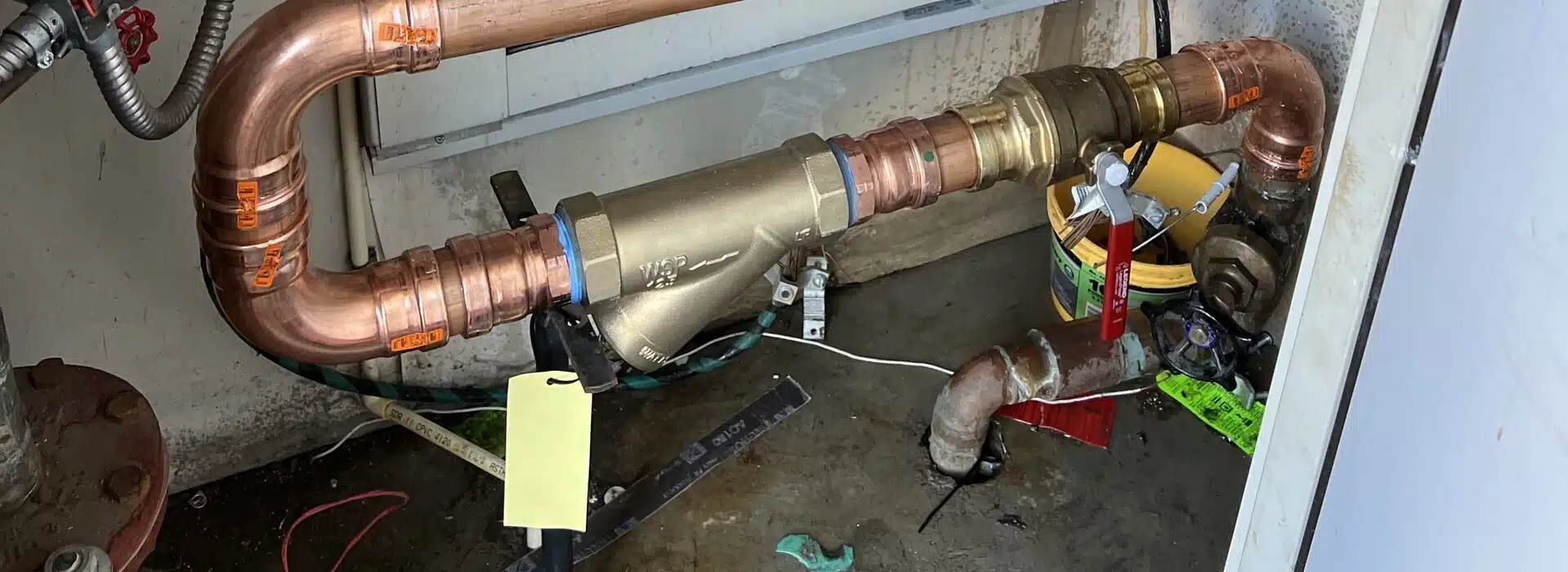
Backflow prevention is essential for protecting household water supplies in Thornton, CO from contamination due to pressure changes in plumbing systems. Cardom Plumbing & Heating offers professional installation, testing, and maintenance of backflow prevention devices to ensure safe drinking water.
- Backflow prevention devices are crucial for preventing contaminants from entering drinking water during pressure fluctuations. They require precise installation and annual testing by certified professionals to avoid contamination risks.
- Thornton's varied elevation and aging infrastructure create unique backflow challenges, especially during seasonal pressure changes.
- Cardom Plumbing & Heating provides thorough assessments and tailored solutions for backflow prevention, ensuring compliance with local regulations and peace of mind for homeowners.
Backflow prevention is a method used to protect a household's water supply from contamination. It prevents water from flowing backward in plumbing systems, which can occur due to pressure changes. This safeguard is essential for ensuring that contaminants from sources like irrigation systems or pools do not enter drinking water.
Backflow Prevention Services in Thornton, CO
That morning cup of coffee tastes different when you consider what might be flowing backward through your pipes. Backflow prevention protects your household water supply from contamination – a critical safeguard that most Thornton homeowners don't think about until something goes wrong. When pressure changes occur in your plumbing system, water can reverse direction and pull contaminants from irrigation systems, pools, or industrial connections directly into your drinking water.
Backflow prevention involves installing, testing, and maintaining specialized valve assemblies that allow water to flow in only one direction. These devices act as one-way gates throughout your plumbing system, preventing contaminated water from mixing with your potable supply. In Thornton's semi-arid climate with its reliance on irrigation systems and fluctuating municipal water pressure, these protective measures become especially relevant.
Why Professional Assessment Matters
Backflow devices require precise installation and annual testing by certified professionals. Improper installation can leave your family exposed to contamination risks or create code violations that affect property transactions. Thornton's combination of older infrastructure in established neighborhoods and rapid new development creates varied pressure conditions that demand expert evaluation.
- Protection of drinking water from irrigation chemicals, fertilizers, and pesticides
- Compliance with Colorado Department of Public Health regulations and local codes
- Prevention of cross-contamination between potable and non-potable water systems
- Peace of mind knowing your water supply remains safe during pressure fluctuations
Common Backflow Issues in Thornton, CO
Cardom Plumbing & Heating provides Backflow Prevention services in all neighborhoods of Thornton including Amber Creek, Burgundy, Eastlake, Fox Run, Holiday Hills Village, Lambertson Lakes, Loma Linda Estates, Marshall Lake, North Hills, Original Thornton, Pine Lakes Ranch, Quebec Highlands, The Grove at Alta Ridge, Wind Dance, Woodland Hills, and York Highlands.
Thornton sits at approximately 5,350 feet elevation along the Front Range, where municipal water pressure must work harder to reach homes across varying terrain. The city draws water from multiple sources including the South Platte River and various reservoirs, creating a complex distribution system where pressure fluctuations occur regularly. These variations – combined with high seasonal irrigation demand – create conditions where backflow incidents become more likely without proper protection.
The housing stock in Thornton ranges from 1950s-era homes in original neighborhoods to brand-new construction in rapidly developing areas near E-470. Older properties often lack adequate backflow protection or have outdated devices that no longer meet current codes. Meanwhile, newer homes with sophisticated irrigation systems, hot tubs, and multiple water features require more complex backflow solutions than their predecessors.
Seasonal Pressure Challenges
Summer months bring dramatic spikes in water usage as residents irrigate lawns and fill pools. This surge creates pressure drops throughout the municipal system, increasing backflow risk significantly. Winter presents different challenges – when pipes freeze and thaw, pressure changes can trigger backflow events that go unnoticed until contamination symptoms appear.
- Irrigation system cross-connections – Thornton's dry climate means most homes have underground sprinkler systems that can siphon fertilizers and pesticides into drinking water
- Elevation-related pressure variations – Homes at different elevations experience inconsistent pressure that stresses backflow devices
- Aging municipal infrastructure – Water main breaks and repairs in older sections of Thornton cause sudden pressure changes
- Fire hydrant usage – Emergency and routine hydrant flushing creates temporary low-pressure conditions throughout neighborhoods
- Thermal expansion from temperature swings – Thornton's 60-degree daily temperature variations stress plumbing connections and valve seals
- Hard water mineral deposits – Scale buildup inside backflow preventers reduces their effectiveness over time
Warning Signs to Watch For
Discolored water appearing at faucets after irrigation system use signals potential backflow contamination. Unusual tastes or odors in your water supply – particularly chemical or earthy smells – warrant immediate investigation. Reduced water pressure when multiple fixtures operate simultaneously may indicate backflow device malfunction or obstruction.
How Cardom Plumbing & Heating Addresses Backflow Prevention
Our approach to backflow prevention combines thorough assessment with precise installation and ongoing maintenance. We recognize that every Thornton property presents unique cross-connection risks based on its age, features, and water usage patterns.
Our Backflow Prevention Process
- Initial property assessment – We survey your entire plumbing system to identify all potential cross-connection points, including irrigation systems, pools, water features, boilers, and any connections to non-potable water sources
- Risk evaluation and device selection – Based on the hazard level at each connection, we recommend appropriate backflow prevention assemblies ranging from atmospheric vacuum breakers to reduced pressure zone devices
- Professional installation – Our certified technicians install backflow preventers according to manufacturer specifications and local code requirements, ensuring proper orientation and accessibility for future testing
- Comprehensive testing – We perform differential pressure testing on all testable assemblies using calibrated gauges, documenting results for regulatory compliance
- Documentation and filing – We complete all required paperwork and submit test results to the appropriate water authority on your behalf
- Maintenance scheduling – We establish annual testing reminders and provide guidance on protecting your devices through seasonal changes
Methods and Techniques We Employ
- Calibrated differential pressure testing equipment for accurate assembly verification
- Thermal imaging to detect hidden cross-connections behind walls or underground
- Pressure monitoring to identify system vulnerabilities during peak usage periods
- Video inspection of supply lines when contamination sources prove difficult to locate
- Winterization procedures to protect exposed backflow devices from freeze damage
Quality Control and Communication
Every installation undergoes testing before we consider the job complete. We photograph our work and provide detailed reports explaining what we installed, where devices are located, and what maintenance they require. Our technicians explain test results in plain language so you understand exactly how your water supply is protected.
Throughout the process, we maintain clear communication about scheduling, any unexpected findings, and recommendations for additional protection. You receive documentation suitable for real estate transactions, insurance purposes, and regulatory compliance.
Why Choose Cardom Plumbing & Heating
Backflow prevention requires specialized certification beyond standard plumbing licensure. Our technicians hold Colorado-recognized backflow prevention assembly tester certifications and maintain current credentials through ongoing education. We stay informed about changes to state and local cross-connection control requirements that affect Thornton property owners.
Local Knowledge That Matters
Working throughout the Thornton area gives us direct experience with the specific challenges this community faces. We understand which neighborhoods experience pressure problems, where older infrastructure creates complications, and how different subdivisions were plumbed during their original construction. This familiarity translates into faster diagnostics and more appropriate solutions.
- Certified backflow prevention assembly testers on staff
- Direct experience with Thornton's municipal water system characteristics
- Relationships with local code enforcement and water authority personnel
- Inventory of common backflow device parts for faster repairs
- Emergency response capability for contamination events
Our Service Commitment
We schedule backflow testing and installation appointments that respect your time, arriving within specified windows and completing work efficiently. When annual testing deadlines approach, we provide advance notice so you maintain compliance without scrambling. Our follow-up procedures include verification that all paperwork reaches the appropriate authorities and confirmation that your property records reflect current protection status.
Should a backflow device fail testing, we explain repair versus replacement options clearly, helping you make informed decisions about your plumbing investment. We stand behind our installations and testing accuracy with documented guarantees.
Housing Characteristics & Backflow Prevention Considerations
Thornton's housing development spans seven decades, creating a patchwork of plumbing systems with vastly different backflow protection needs. Original neighborhoods near 88th Avenue and Washington Street contain homes built in the 1950s and 1960s – properties that often predate modern cross-connection control requirements and may have galvanized supply lines that complicate device installation.
Era-Specific Plumbing Challenges
- 1950s-1970s construction – Homes frequently lack any backflow protection on irrigation connections; original hose bibbs may connect directly to potable supply without vacuum breakers
- 1980s-1990s development – Properties typically have basic atmospheric vacuum breakers but may not meet current standards for testable assemblies
- 2000s-present construction – Newer homes generally include code-compliant backflow prevention but require annual testing verification and may have multiple devices serving different systems
Property Features Requiring Protection
Thornton homes commonly include features that create cross-connection hazards. Underground irrigation systems – nearly universal in the area due to climate – represent the most frequent backflow risk. Many properties also have:
- Swimming pools and hot tubs with chemical treatment systems
- Boiler systems for radiant floor heating
- Water softeners and filtration equipment
- Outdoor kitchens with dedicated water supplies
- Detached workshops or accessory buildings with separate plumbing
Homes in HOA communities often face additional requirements, as associations may mandate specific backflow protection standards beyond municipal minimums. Properties with wells or secondary water sources require particularly careful cross-connection control to prevent contamination of both the private supply and the municipal system.
Real Estate Transaction Considerations
Backflow compliance increasingly affects property sales in Thornton. Buyers and lenders request documentation of current testing, and failed or missing backflow devices can delay closings. Properties that have added irrigation systems, pools, or other water features without corresponding backflow protection may face correction requirements before transfer.
Environmental Conditions & Backflow Prevention Implications
Thornton's high plains environment creates specific conditions that affect both backflow risk and device performance. Understanding these factors helps property owners maintain effective protection year-round.
Water Quality Characteristics
The city's water supply comes from a blend of surface water and treated sources, with hardness levels typically ranging from 150-250 parts per million. This moderately hard water deposits calcium and magnesium scale inside backflow prevention assemblies over time, potentially affecting check valve seating and relief valve operation. Annual testing helps identify scale-related performance degradation before devices fail completely.
- Mineral deposits can prevent check valves from sealing properly
- Scale buildup increases pressure drop across assemblies
- Hard water accelerates wear on rubber seals and O-rings
- Sediment from main breaks can lodge in backflow devices
Climate Impacts on Backflow Devices
Thornton experiences temperature extremes that stress backflow prevention equipment. Winter lows dropping below zero threaten exposed devices with freeze damage – cracked bodies and failed internal components result when water inside assemblies expands during freezing. Summer heat accelerates UV degradation of plastic components on above-ground installations.
- Freeze protection – Above-ground backflow preventers require insulation jackets or heat tape in exposed locations
- Thermal cycling – Daily temperature swings of 40-60 degrees stress gaskets and seals
- UV exposure – Intense high-altitude sunlight degrades plastic components faster than at lower elevations
- Hail damage – Severe storms can physically damage exposed backflow assemblies
Soil and Drainage Considerations
Thornton's clay-heavy soils expand and contract with moisture changes, creating ground movement that can stress buried plumbing connections. Irrigation system supply lines and their associated backflow devices experience this movement seasonally. Poor drainage around backflow device installations can lead to standing water that accelerates corrosion and creates freeze hazards.
The area's relatively flat terrain means drainage relies heavily on engineered systems. When storm drains back up during heavy rain events, properties without adequate backflow protection on sewer connections face contamination risks from an entirely different direction than potable water concerns.
Thornton Water System Infrastructure and Cross-Connection Control
The City of Thornton operates an extensive water distribution system serving over 140,000 residents across approximately 38 square miles. The system includes multiple pressure zones to accommodate elevation changes throughout the city, with booster stations maintaining adequate pressure in higher areas while preventing excessive pressure in lower zones. This complex pressure management creates conditions where backflow prevention becomes particularly relevant.
Municipal Cross-Connection Control Program
Thornton's water utility maintains an active cross-connection control program that requires backflow prevention assemblies on all connections posing contamination risks. The program mandates:
- Annual testing of all testable backflow prevention assemblies by certified testers
- Submission of test reports to the city within specified timeframes
- Installation of appropriate devices based on hazard classification
- Correction of identified cross-connection violations
Properties with irrigation systems, fire suppression connections, or commercial water uses face specific requirements that vary based on the degree of hazard present. The city maintains records of registered backflow devices and tracks testing compliance, issuing notices when annual certifications come due.
Infrastructure Age and Pressure Stability
Thornton's water infrastructure ranges from original mains installed in the 1950s to brand-new distribution lines serving recent developments. Older sections of the system experience more frequent main breaks and repairs, creating temporary pressure disruptions that increase backflow risk. The city's capital improvement program continues upgrading aging infrastructure, but property owners in established neighborhoods should maintain vigilant backflow protection during this transition.
Water pressure throughout Thornton typically ranges from 40-80 psi depending on location and elevation, with some areas experiencing wider fluctuations during peak demand periods. Properties at the edges of pressure zones or near the end of distribution lines may experience lower baseline pressure and more significant variations – conditions that make properly functioning backflow prevention especially valuable.


