
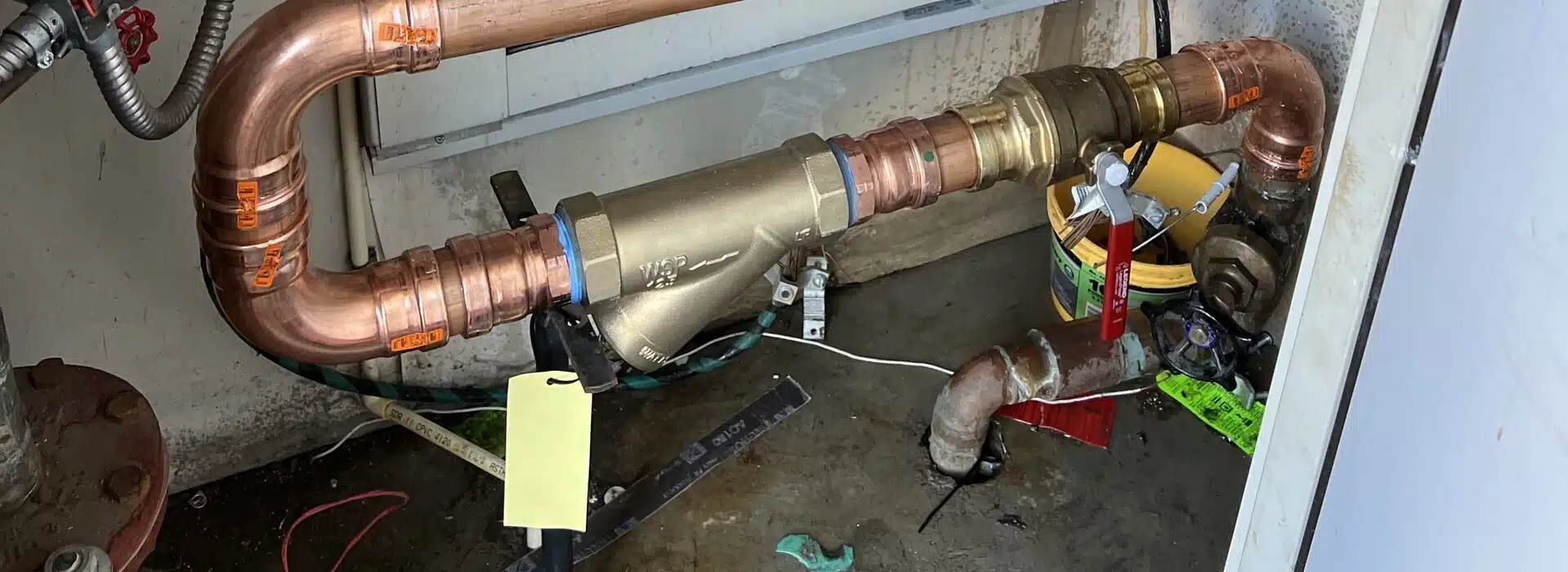
Backflow prevention is essential in Glendale, CO to protect drinking water from contamination due to pressure changes in the plumbing system. The city's unique geography and aging infrastructure create specific challenges that require tailored solutions for both residential and commercial properties.
- Backflow prevention safeguards drinking water from harmful contaminants like chemicals and bacteria. Annual testing and maintenance of backflow devices are crucial for compliance with health regulations.
- Glendale's mixed-use environment increases the risk of cross-contamination, especially in older buildings lacking modern protection.
- Cardom Plumbing & Heating offers certified testing and proactive scheduling to ensure backflow devices function effectively and meet local requirements.
Backflow prevention is a method used to protect drinking water from contamination caused by the reverse flow of water in plumbing systems. This is especially important in urban areas like Glendale, where various properties are located near each other, increasing the risk of cross-contamination from different water sources.
Backflow Prevention Services in Glendale, CO
That morning cup of coffee tastes different when you realize contaminated water could be flowing backward through your pipes. Backflow prevention protects your drinking water from dangerous cross-contamination – a concern that becomes particularly relevant in Glendale's compact urban environment where residential, commercial, and industrial properties exist in close proximity along the South Platte River corridor.
Backflow occurs when water pressure changes cause non-potable water to reverse direction and enter your clean water supply. This can introduce chemicals, bacteria, fertilizers, or sewage into the water you drink, cook with, and bathe in. Professional backflow prevention involves installing, testing, and maintaining specialized devices that act as one-way valves in your plumbing system. These assemblies require annual certification testing and periodic repair or replacement to remain effective.
Glendale's unique position as a small enclave within the Denver metropolitan area creates specific backflow concerns. The city's aging infrastructure, mixed-use zoning, and reliance on Denver Water's municipal supply all factor into how backflow prevention systems perform. Altitude also plays a role – at over 5,300 feet elevation, pressure differentials behave differently than at sea level.
- Protects potable water from cross-contamination with irrigation systems, boilers, and fire suppression lines
- Maintains compliance with Colorado Department of Public Health regulations
- Prevents costly water quality violations for commercial properties
- Safeguards family health by eliminating backflow pathways in residential plumbing
Common Backflow Issues in Glendale, CO
Glendale's geography along the South Platte River creates unique groundwater conditions that affect underground plumbing. High water tables during spring runoff can create pressure imbalances that stress backflow prevention devices. Properties near Cherry Creek and the river corridor face elevated risks during seasonal flooding events when municipal pressure can fluctuate significantly.
The city's commercial density – particularly along Colorado Boulevard and in the entertainment district – means many buildings have complex plumbing configurations. Restaurants, bars, and retail spaces often have carbonation systems, commercial dishwashers, and specialized equipment that create multiple potential backflow hazards. Older buildings constructed before modern backflow codes may lack adequate protection entirely.
Seasonal Considerations
Winter freeze-thaw cycles stress backflow assemblies mounted outdoors or in unheated spaces. Temperature swings from below zero to 50 degrees within 24 hours – common along the Front Range – cause metal components to expand and contract repeatedly. Spring brings different challenges as snowmelt increases system pressure while irrigation systems come back online after winter dormancy.
- Aging infrastructure – Many Glendale properties date from the 1950s-1970s with original plumbing that predates current backflow requirements
- Mixed-use zoning – Residential units above commercial spaces create complex cross-connection scenarios
- Irrigation system connections – Lawn sprinklers connected without proper isolation can introduce fertilizers and pesticides
- High-rise buildings – Pressure fluctuations in multi-story structures increase backflow risk on upper floors
- Fire suppression systems – Stagnant water in fire lines poses contamination risks without proper backflow protection
- Altitude-related pressure variations – Elevation affects how backflow devices respond to pressure changes
Warning Signs of Backflow Problems
Watch for these indicators that your backflow prevention system may be compromised:
- Discolored or murky water appearing at fixtures
- Unusual tastes or odors in tap water
- Visible leaks around backflow assembly housings
- Failed annual certification tests
- Reduced water pressure throughout the building
- Gurgling sounds in pipes when irrigation runs
How Cardom Plumbing & Heating Addresses Backflow Prevention
Our approach to backflow prevention combines thorough assessment with precise installation and rigorous testing. Every property presents different cross-connection risks, and we tailor our solutions accordingly.
Our Backflow Prevention Process
- Initial consultation and site survey – We walk your property to identify all potential cross-connections, existing backflow devices, and compliance requirements specific to your water provider
- Risk assessment documentation – We catalog each hazard level (high, moderate, low) and determine the appropriate type of backflow preventer required for each connection
- Device selection and sizing – Based on flow rates, pressure conditions, and hazard classification, we specify the correct assembly – whether reduced pressure zone (RPZ), double check valve, or atmospheric vacuum breaker
- Professional installation – Our licensed technicians install devices according to manufacturer specifications and local code requirements, with proper clearances for testing and maintenance access
- Initial certification testing – Using calibrated test equipment, we verify the assembly functions correctly and document results for your records and the water authority
- Annual testing and maintenance – We schedule recurring inspections to maintain compliance and catch problems before they cause contamination events
Testing Methods and Equipment
Backflow testing requires specialized gauges and procedures. Our technicians use calibrated differential pressure test kits to verify each check valve and relief valve operates within acceptable parameters.
- Differential pressure testing across check valves
- Relief valve opening point verification
- Leak-tight seal confirmation under pressure
- Air inlet valve functionality testing for vacuum breakers
- Visual inspection of screens, o-rings, and internal components
Communication and Documentation
We provide written test reports that meet Denver Water and state health department requirements. You receive copies for your records, and we submit certification directly to your water provider. If repairs are needed, we explain the issue clearly and provide options before proceeding.
Why Choose Cardom Plumbing & Heating
Backflow prevention requires specific certifications beyond standard plumbing licenses. Our technicians hold Colorado Backflow Prevention Assembly Tester certification and maintain current credentials through continuing education. We carry the specialized test equipment required for accurate diagnosis and stay current on regulatory changes from the Colorado Cross-Connection Control Program.
Working throughout the Denver metro area – including Glendale's unique commercial and residential mix – gives us practical experience with the specific challenges this community faces. We understand the permitting requirements, know the local water authority contacts, and recognize the common issues that affect properties along Colorado Boulevard and the entertainment district.
What Sets Us Apart
- Certified testing capabilities – We can test, repair, and certify backflow assemblies in a single visit rather than requiring multiple appointments
- Proactive scheduling – We track your annual testing deadlines and contact you before certifications expire
- Commercial experience – From restaurant fire suppression systems to multi-tenant retail buildings, we handle complex configurations
- Emergency response – When backflow events occur or devices fail unexpectedly, we prioritize rapid response to restore protection
- Transparent pricing – We quote testing and repair costs upfront with no hidden fees for certification paperwork
Our technicians explain what they find in plain language. Backflow prevention can seem technical, but you deserve to understand what protects your water supply and why specific devices are required for your property.
Housing Characteristics & Backflow Prevention Considerations
Glendale's housing stock reflects its history as one of Colorado's smallest incorporated cities. Much of the residential construction dates from the post-war building boom of the 1950s and 1960s, with galvanized steel and copper plumbing that predates modern backflow prevention requirements. These older homes often lack any backflow protection on irrigation connections or have outdated devices that no longer meet code.
Residential Property Types
- Mid-century single-family homes – Original plumbing may include hose bibb connections without vacuum breakers and irrigation systems tied directly to domestic water lines
- Apartment complexes – Multi-unit buildings require backflow protection on shared systems, and older complexes may have grandfathered installations that need updating
- Newer condominium developments – Recent construction typically includes code-compliant backflow prevention, but devices still require annual testing
- Mixed-use buildings – Properties with ground-floor commercial and upper-floor residential create complex scenarios requiring multiple backflow assemblies
Common Residential Backflow Scenarios
Homes with in-ground irrigation systems present the most common residential backflow hazard. Fertilizers, pesticides, and soil bacteria can contaminate drinking water if the irrigation connection lacks proper protection. Swimming pools, hot tubs, and decorative fountains create similar risks.
Basement plumbing in older Glendale homes sometimes sits below the street sewer level, requiring backwater valves to prevent sewage backup during heavy rains. These devices differ from backflow preventers but serve a related protective function that homeowners often confuse.
- Irrigation system cross-connections – most common residential backflow hazard
- Boiler fill connections in older heating systems
- Hose bibb attachments for chemical sprayers or pressure washers
- Solar water heating system connections
- Whole-house water treatment equipment
Environmental Conditions & Backflow Prevention Implications
Glendale receives its water from Denver Water, which draws from mountain reservoirs and treats water at facilities designed to serve the metropolitan area. The municipal supply maintains consistent pressure under normal conditions, but main breaks, fire hydrant use, and seasonal demand fluctuations can create the pressure drops that enable backflow events.
Water Quality and Treatment Factors
Denver Water's treatment process produces high-quality potable water, but that quality only extends to the point where it enters your property. Once inside your plumbing system, cross-connections can introduce contaminants that bypass all municipal treatment.
- Municipal pressure typically ranges from 40-80 PSI but can drop significantly during main breaks or high-demand periods
- Chlorine residual decreases in stagnant water within fire suppression lines, allowing bacterial growth
- Seasonal irrigation demand creates pressure fluctuations throughout the distribution system
- Water main work in the area can cause temporary pressure loss that triggers backflow
Soil and Drainage Considerations
Glendale's location along the South Platte River means many properties sit on alluvial soils with relatively high water tables. This affects underground backflow assemblies and creates additional contamination pathways if devices are improperly installed or damaged.
Spring runoff and summer thunderstorms can saturate soils rapidly, changing ground pressure around buried water lines. Properties near Cherry Creek face elevated flood risk that can overwhelm drainage systems and create contamination scenarios even with functional backflow prevention.
Climate Impacts on Backflow Devices
- Freeze protection – Outdoor RPZ assemblies require insulated enclosures or heat tape to prevent winter damage
- UV exposure – Plastic components in some devices degrade under intense Front Range sunshine
- Temperature cycling – Rapid temperature swings stress gaskets and seals, causing premature failure
- Hail damage – Exposed assemblies can sustain damage during severe storms
Water Infrastructure and Cross-Connection Control in Glendale
Glendale operates within Denver Water's service territory, which maintains one of the most comprehensive cross-connection control programs in Colorado. Denver Water requires annual testing of all testable backflow prevention assemblies and maintains a registry of certified testers authorized to perform inspections. Property owners who fail to submit timely test reports face potential water service disconnection.
Local Regulatory Framework
Colorado's Cross-Connection Control Program establishes minimum requirements that local water providers enforce. Denver Water's implementation exceeds state minimums in several areas, reflecting the complexity of serving a dense urban area with diverse water uses.
- Annual testing required for all RPZ assemblies, double check valve assemblies, and pressure vacuum breakers
- Test reports must be submitted within 10 days of testing
- Failed devices must be repaired and retested within 30 days
- New installations require inspection before activation
- Commercial properties face additional requirements based on hazard classification
Infrastructure Age and Condition
Much of Glendale's water distribution infrastructure dates from the mid-20th century, with some mains and service lines over 60 years old. Aging infrastructure increases the likelihood of pressure fluctuations from leaks and breaks that can trigger backflow events. The city's small geographic footprint means that a single main break can affect a significant portion of the service area simultaneously.
Recent infrastructure investments in the Denver metro area have improved overall system reliability, but older sections of the distribution network remain vulnerable. Properties connected to aging mains benefit from robust backflow prevention as insurance against pressure events that may occur without warning.
- Water main breaks in the Denver metro area occur hundreds of times annually
- Older cast iron mains are gradually being replaced with modern materials
- Fire hydrant flushing programs can cause temporary pressure drops
- Summer irrigation demand peaks can reduce system pressure during afternoon hours


