
Recent Posts
Categories
The Role of Backflow Prevention in Protecting Denver’s Water Supply
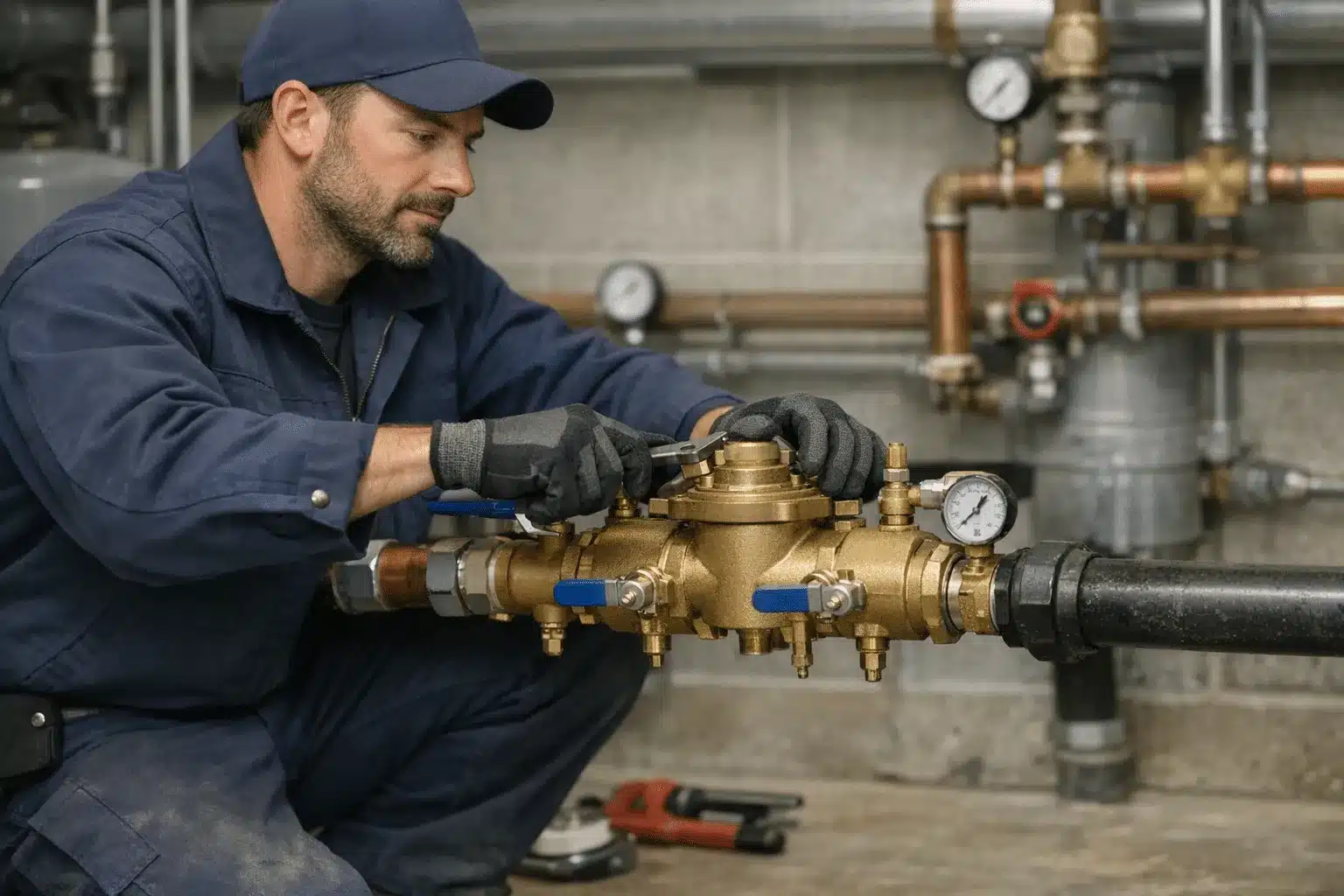
Backflow prevention devices protect Denver's water supply by stopping contaminated water from flowing backward into clean drinking water lines. Denver Water and surrounding utilities require mandatory installation and annual testing of these devices for properties with cross-connections.
- Backflow occurs through backpressure or backsiphonage during pressure drops, main breaks, or high-demand periods. Common risk sources include irrigation systems, pools, boilers, and industrial equipment throughout the Front Range.
- Device types include air gaps for maximum protection, RPZ assemblies for hospitals and schools, pressure vacuum breakers for irrigation, and double check valve assemblies for low-risk applications. Installation costs range from $300 to $5,000 depending on complexity.
- Annual testing by certified technicians costs $75 to $200 per device and is required by Colorado law. Failure to comply results in water service disconnection, fines, and potential liability for contamination incidents.
Backflow prevention serves as the first line of defense protecting community drinking water from contamination. These devices stop water from flowing backward through pipes, which can occur when pressure changes cause pollutants like chemicals, pesticides, or bacteria to enter clean water lines. Without proper backflow preventers installed and maintained, hazardous substances from irrigation systems, cooling equipment, or industrial processes could contaminate public water supplies.
Understanding Backflow and Its Threat to Denver’s Water System
Last month, a **backflow incident** in a Denver-area commercial building contaminated the local water supply with chemicals from a cooling system. This event highlights why **backflow prevention** serves as the first line of defense protecting our community’s drinking water.
Backflow occurs when contaminated water flows backward into the clean water supply. This reversal happens during pressure drops, equipment failures, or when cross-connections exist between potable and non-potable water systems.
**Denver homeowners and businesses** must understand how backflow prevention devices safeguard public health and comply with local water utility requirements.
How Backflow Threatens Water Quality in Colorado Communities
Water normally flows in one direction through pipes under positive pressure. When this pressure drops or reverses, contaminated water can enter the clean supply through two mechanisms.
Backpressure Creates Dangerous Reversals
Backpressure occurs when downstream pressure exceeds supply pressure. Common sources include:
- **Boiler systems** in Arvada commercial buildings
- **Irrigation pumps** in Westminster residential properties
- **Fire suppression systems** throughout the Denver metro area
- **Industrial equipment** in Broomfield manufacturing facilities
These systems can push contaminated water back into municipal supply lines during pressure fluctuations.
Backsiphonage Pulls Contaminants Into Clean Water
Backsiphonage happens when supply pressure drops below atmospheric pressure, creating suction. This occurs during:
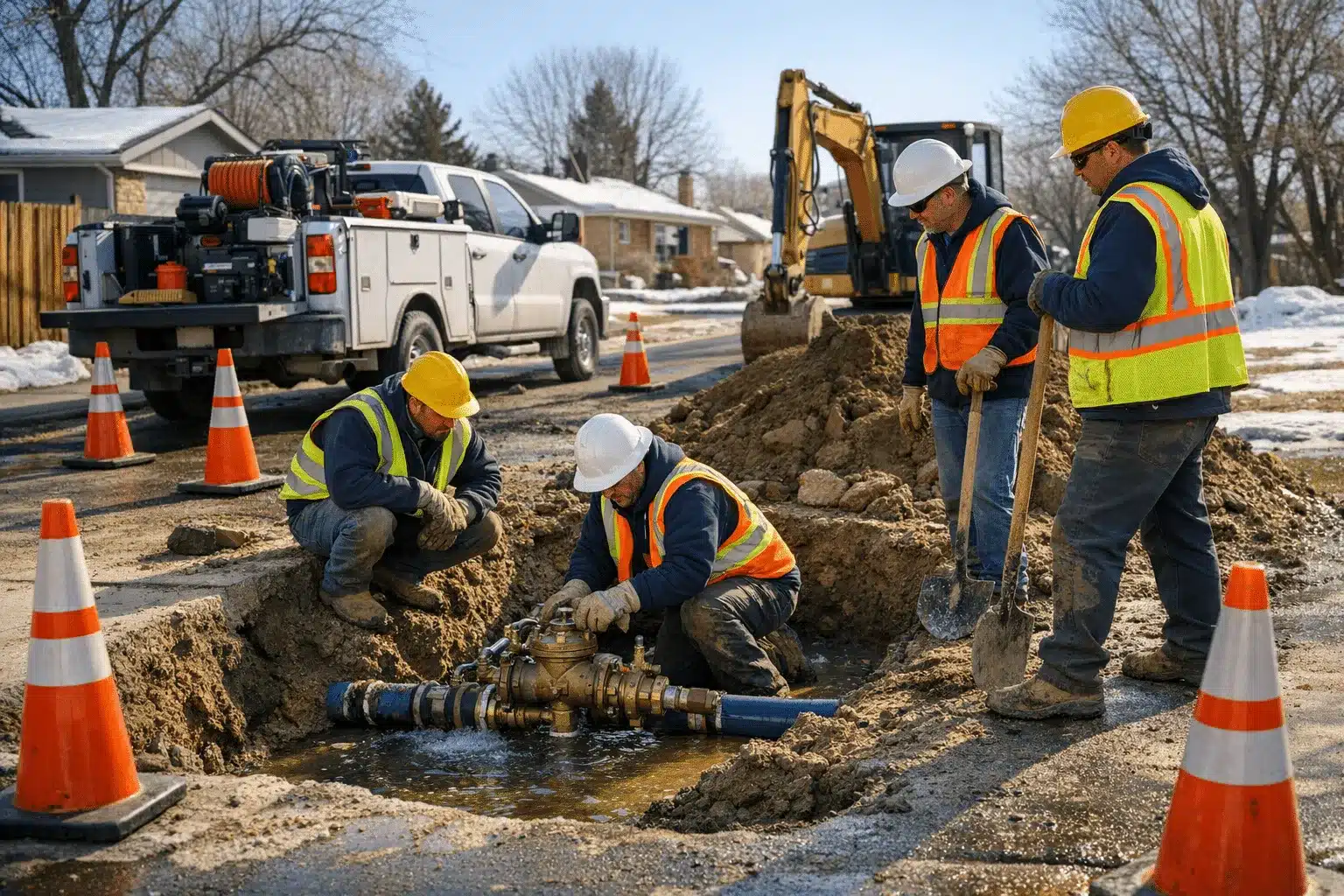
- **Water main breaks** common during Colorado’s freeze-thaw cycles
- **High-demand periods** when fire departments draw large volumes
- **Supply interruptions** during utility maintenance
The suction effect pulls water from connected sources like pools, tanks, or chemical systems into drinking water lines.
Denver Water’s Backflow Prevention Requirements
**Denver Water** and surrounding utilities enforce strict backflow prevention standards. These regulations protect over 1.5 million residents across the Front Range from contamination risks.
Mandatory Device Installation
Properties must install backflow prevention devices when cross-connections exist. Required installations include:
- **Commercial buildings** with boilers, cooling towers, or chemical systems
- **Residential properties** with irrigation systems or pools
- **Industrial facilities** using non-potable water processes
- **Medical facilities** with specialized equipment connections
**Wheat Ridge and Westminster** enforce similar requirements through their municipal water departments.
Annual Testing and Certification
Colorado requires annual testing of backflow prevention devices by certified technicians. This testing ensures devices function properly and maintain protection levels.
Property owners receive notices before testing deadlines. **Failure to test results in water service disconnection** until compliance is restored.
Types of Backflow Prevention Devices for Denver Properties
Different hazard levels require specific device types. Understanding these categories helps property owners select appropriate protection.
Air Gap Systems Provide Maximum Protection
Air gaps create physical separation between water outlets and potential contamination sources. This method offers **100% protection** against backflow.
Installation requires sufficient vertical space and proper drainage. **Arvada commercial properties** often use air gaps for high-hazard applications like chemical processing.
Reduced Pressure Zone (RPZ) Assemblies
RPZ assemblies provide mechanical backflow prevention through pressure differential zones. These devices protect against both backpressure and backsiphonage.
Key features include:
- **Two check valves** preventing reverse flow
- **Relief valve** venting contaminated water safely
- **Test ports** enabling annual certification
**Denver area hospitals and schools** commonly use RPZ assemblies for comprehensive protection.
Pressure Vacuum Breakers (PVB)
PVB devices prevent backsiphonage through atmospheric venting. They work effectively for irrigation systems and other intermittent-use applications.
Installation requires mounting **12 inches above downstream outlets**. This height requirement limits PVB use in some **Broomfield residential** applications.
Double Check Valve Assemblies (DCVA)
DCVA systems use two spring-loaded check valves for basic backflow prevention. They protect against non-health hazard cross-connections.
These devices cost less than RPZ assemblies but provide limited protection. **Westminster commercial properties** often use DCVA for low-risk applications.
Common Backflow Risks in Front Range Properties
**Colorado’s unique climate and development patterns** create specific backflow risks. Property owners should identify these potential hazard sources.
Irrigation System Vulnerabilities
Automatic sprinkler systems pose significant backflow risks when improperly protected. Common problems include:
- **Fertilizer injection systems** mixing chemicals with water supply
- **Reclaimed water connections** creating cross-contamination paths
- **Low-head drainage** allowing soil infiltration during pressure drops
**Arvada homeowners** must install proper backflow prevention on all irrigation connections.
Pool and Spa Cross-Connections
Swimming pools create backflow risks through fill lines, chemical feeders, and cleaning systems. **Denver metro pools** require backflow prevention to prevent:
- **Chlorine contamination** of drinking water
- **Pool water** entering municipal supply during pressure loss
- **Chemical treatment products** backflowing through automatic systems
Boiler and Heating System Risks
**Colorado’s heating season** creates extended backflow risks from boiler systems. These risks include:
- **Chemical additives** used for corrosion control
- **Closed-loop fluid** mixing with potable water
- **Steam condensate** returning through improper connections

 Posted on Google
Installation and Maintenance Best Practices
Proper installation and ongoing maintenance ensure backflow prevention devices function reliably. **Professional installation prevents costly failures** and ensures regulatory compliance.
Professional Installation Requirements
Licensed plumbers must install backflow prevention devices according to manufacturer specifications and local codes. Critical installation factors include:
- **Proper device sizing** based on flow requirements
- **Adequate clearance** for testing and maintenance access
- **Freeze protection** during Colorado winters
- **Drainage provisions** for relief valve discharge
Ongoing Maintenance Needs
Regular maintenance prevents device failures and extends service life. **Recommended maintenance includes:**
- **Visual inspections** quarterly for leaks or damage
- **Relief valve testing** to ensure proper operation
- **Freeze protection** during cold weather periods
- **Professional servicing** when annual tests reveal problems
**Wheat Ridge property owners** should schedule maintenance before winter to prevent freeze damage.
Costs and Compliance Considerations
**Backflow prevention costs** vary based on device type, installation complexity, and ongoing testing requirements. Understanding these expenses helps with budget planning.
Initial Installation Costs
Device and installation costs depend on protection level and site conditions:
- **PVB installation:** $300-$800 for residential irrigation
- **DCVA systems:** $800-$2,000 for commercial applications
- **RPZ assemblies:** $1,500-$5,000 depending on size and complexity
**Complex installations** in existing **Denver buildings** may require additional plumbing modifications.
Annual Testing and Certification Expenses
Required annual testing costs $75-$200 per device depending on type and accessibility. **Testing fees support:**
- **Certified technician** service calls
- **Official documentation** for utility compliance
- **Repair identification** before device failures
Non-Compliance Consequences
**Failure to maintain backflow prevention** results in serious penalties:
- **Water service disconnection** until compliance is restored
- **Fines and penalties** from local water utilities
- **Liability exposure** for contamination incidents
- **Insurance complications** following water quality problems
Protecting Your Property and Community
**Backflow prevention serves as essential infrastructure** protecting both individual properties and Denver’s broader water supply. Property owners play a crucial role in maintaining these protective systems.
Understanding device requirements, installation needs, and maintenance schedules ensures continuous protection against contamination risks. **Professional installation and certified testing** provide the expertise needed for reliable operation.
Contact **Cardom Plumbing & Heating** at **720-775-8322** for backflow prevention device installation, testing, and maintenance services throughout **Arvada, Denver, Westminster, Wheat Ridge, and Broomfield**. Our certified technicians ensure your property meets all regulatory requirements while protecting our community’s water supply.
Sources
- EPA – Cross Connection Control and Backflow Prevention
- Denver Water – Cross Connection Control Program
- American Water Works Association – Cross Connection Control


