
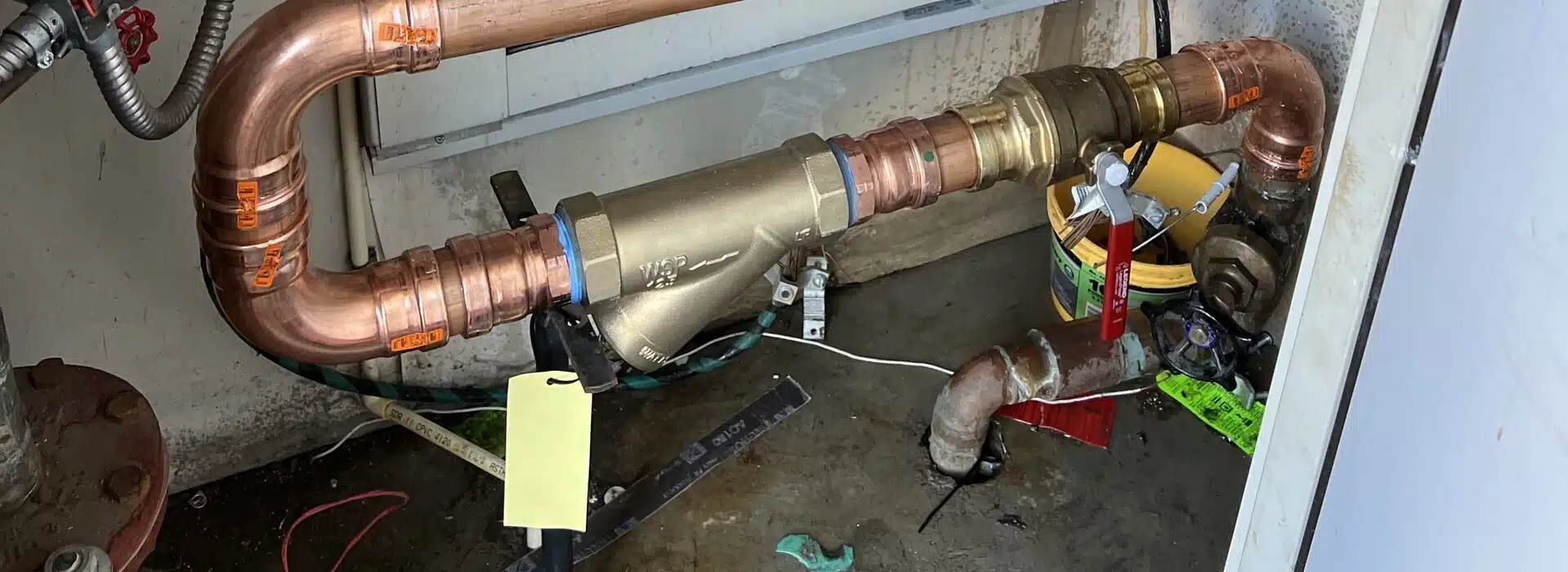
Backflow prevention is essential for protecting drinking water in Edgewater, CO, from contamination due to pressure changes in plumbing systems. The company offers installation, testing, and maintenance of specialized devices to safeguard water supplies.
- Backflow prevention devices act as barriers to stop contaminated water from entering clean supply lines. Professional assessments identify hidden risks in plumbing systems, especially in older homes.
- Edgewater's unique infrastructure and environmental factors create specific challenges for backflow prevention. Seasonal pressure fluctuations can increase the risk of backflow events.
- The company provides thorough inspections, code-compliant solutions, and ongoing maintenance to ensure safe drinking water year-round.
Backflow prevention is a method used to protect drinking water from contamination caused by the reverse flow of water in plumbing systems. This safeguard is essential for homeowners, as changes in water pressure can lead to harmful substances, such as chemicals or sewage, entering the clean water supply.
Backflow Prevention Services in Edgewater, CO
That morning cup of coffee tastes different when you consider what might be flowing backward through your pipes. Backflow prevention protects your drinking water from contamination – a critical safeguard that many Edgewater homeowners overlook until something goes wrong. When pressure changes occur in your plumbing system, water can reverse direction, potentially pulling lawn chemicals, sewage, or industrial contaminants into your clean water supply.
Backflow prevention involves installing, testing, and maintaining specialized devices that act as one-way valves in your plumbing system. These devices – including pressure vacuum breakers, double check valves, and reduced pressure zone assemblies – create physical barriers that stop contaminated water from entering your potable supply lines. Professional diagnosis matters here because backflow risks often hide in irrigation connections, boiler systems, and cross-connections that untrained eyes miss entirely.
Edgewater's position along the South Platte River corridor, combined with aging municipal infrastructure and diverse housing stock spanning nearly a century, creates unique backflow challenges. Seasonal pressure fluctuations from Denver Water's distribution system, combined with Colorado's dramatic temperature swings, put additional stress on prevention devices.
- Protection of household drinking water from sewage, chemicals, and debris
- Compliance with Colorado state regulations and local water authority requirements
- Prevention of costly water contamination incidents and potential health hazards
- Peace of mind knowing your family's water supply remains safe year-round
Common Backflow Issues in Edgewater, CO
Edgewater sits in a transitional zone between Denver's urban core and the western suburbs, creating a patchwork of plumbing infrastructure that spans multiple decades. Homes built in the 1920s through 1950s often lack modern backflow protection entirely, while properties from later eras may have outdated devices that no longer meet current codes. The community's compact footprint – just over half a square mile – means municipal water pressure can fluctuate significantly during peak usage periods.
Denver Water supplies Edgewater's municipal system, drawing from mountain reservoirs that experience seasonal variations in pressure and mineral content. These fluctuations create conditions where backflow events become more likely, particularly during water main breaks, fire hydrant use, or heavy irrigation demand in summer months. The area's clay-heavy soils also contribute to foundation movement that can stress underground water lines and compromise backflow device connections.
Seasonal Considerations
Colorado's freeze-thaw cycles present particular challenges for backflow prevention. Devices installed above ground – common in irrigation systems – face potential damage when temperatures plunge below freezing. Spring snowmelt and sudden thunderstorms can overwhelm drainage systems, creating pressure differentials that test backflow protection throughout the neighborhood.
- Aging infrastructure from Edgewater's early 20th-century development lacking modern cross-connection controls
- Pressure fluctuations in Denver Water's distribution network during peak summer irrigation
- Freeze damage to above-ground backflow preventers during winter temperature drops
- Cross-connections in older homes between potable water and irrigation or boiler systems
- Foundation settlement in clay soils stressing underground pipe connections
- Increased contamination risk during water main repairs or hydrant flushing in the area
Warning Signs Requiring Attention
Watch for these indicators that your backflow prevention may be compromised:
- Discolored water appearing at faucets, especially after irrigation system use
- Unusual tastes or odors in tap water
- Visible leaking or dripping from backflow devices
- Failed annual inspection notices from Denver Water
- Gurgling sounds in pipes when outdoor spigots operate
How Cardom Plumbing & Heating Addresses Backflow Prevention
Protecting your water supply requires systematic evaluation and precise installation. Our approach to backflow prevention in Edgewater combines thorough inspection with code-compliant solutions tailored to your property's specific risks.
Our Step-by-Step Process
- Initial Property Assessment – We survey your entire plumbing system to identify all potential cross-connections, including irrigation ties, boiler feeds, swimming pool fills, and hose bibs
- Risk Classification – Each connection receives a hazard rating (high, medium, or low) based on contamination potential and local code requirements
- Device Selection – We recommend appropriate backflow preventers for each application – from simple hose bib vacuum breakers to reduced pressure zone assemblies for high-hazard connections
- Professional Installation – Our technicians install devices according to manufacturer specifications and Colorado plumbing code requirements, ensuring proper orientation and accessibility
- Certification Testing – Every installation receives comprehensive testing using calibrated equipment, with documentation submitted to Denver Water as required
- Ongoing Maintenance Scheduling – We establish annual testing schedules to maintain compliance and catch developing problems early
Testing Methods and Techniques
Backflow testing requires specialized equipment and certified expertise. Our technicians employ these diagnostic approaches:
- Differential pressure testing using calibrated gauge assemblies
- Visual inspection for physical damage, corrosion, or debris accumulation
- Check valve seat integrity verification
- Relief valve operation testing for reduced pressure zone devices
- Air inlet functionality checks on vacuum breakers
Communication and Documentation
You receive clear explanations at every stage. Before work begins, we outline exactly what we've found and what protection your property needs. After installation or testing, we provide complete documentation including test results, device specifications, and compliance certificates for your records and the water authority.
Why Choose Cardom Plumbing & Heating
Backflow prevention demands technicians who understand both the technical requirements and local regulatory landscape. Cardom Plumbing & Heating maintains Colorado-certified backflow testers on staff – professionals who have completed rigorous training and maintain current certifications through annual continuing education. This expertise means your devices receive proper evaluation, not just a quick visual check.
Our familiarity with Edgewater's housing stock gives us practical advantages. We've worked in the neighborhood's 1920s bungalows, mid-century ranches, and newer construction alike. This experience helps us anticipate where cross-connections typically hide and which device configurations work best for different property types. When Denver Water sends inspection notices, we respond quickly to keep you in compliance.
What Sets Us Apart
- State-certified backflow assembly testers with current credentials
- Direct submission of test reports to Denver Water on your behalf
- Same-week scheduling for urgent compliance deadlines
- Comprehensive cross-connection surveys that identify risks before they become violations
- Warranty coverage on all installed backflow prevention devices
- Follow-up reminders for annual testing requirements
We treat backflow prevention as the serious health protection measure it represents – not just another checkbox on a compliance form. Our technicians take time to explain what they find and why specific protections matter for your situation.
Housing Characteristics & Backflow Prevention Considerations
Edgewater's residential landscape reflects its evolution from a small agricultural community to an established urban neighborhood. Housing here spans nearly a century of construction practices, each era bringing different plumbing configurations and cross-connection risks that affect backflow prevention needs.
Pre-1950s Homes
The oldest Edgewater residences – primarily bungalows and small cottages built between 1920 and 1950 – present the most significant backflow challenges:
- Original galvanized steel supply lines with potential internal corrosion affecting pressure
- Basement floor drains directly connected to sanitary sewers without backwater valves
- Boiler heating systems with direct water connections lacking isolation devices
- Garden hose connections without vacuum breakers at original spigots
- Multiple plumbing modifications over decades creating undocumented cross-connections
Mid-Century Properties (1950s-1970s)
Ranch-style homes from this period often feature underground irrigation systems installed without proper backflow protection. Copper supply lines remain common, though connections to irrigation systems may use materials prone to failure. Swamp coolers – popular cooling solutions in Colorado's dry climate – frequently connect directly to water supplies without required air gaps.
Recent Construction and Renovations
Newer properties and extensively renovated homes typically include code-compliant backflow prevention, though devices require regular testing and eventual replacement. Modern irrigation systems should have reduced pressure zone assemblies, while fire suppression systems need annual inspection. Even recent construction benefits from professional cross-connection surveys to verify all protection measures function properly.
- Irrigation system backflow devices requiring annual certification
- Fire sprinkler system connections needing specialized testing
- Solar water heating systems with potential cross-connection points
- Whole-house filtration systems requiring proper bypass configurations
Environmental Conditions & Backflow Prevention Implications
Edgewater's environmental context directly influences backflow prevention requirements and device longevity. Understanding these factors helps property owners anticipate maintenance needs and contamination risks specific to this location.
Water Quality Characteristics
Denver Water treats Edgewater's supply using conventional filtration and disinfection processes. The water originates from mountain snowmelt collected in reservoirs along the South Platte River watershed. Key characteristics affecting backflow prevention include:
- Moderate mineral content that can cause scale buildup in backflow device components
- Seasonal turbidity variations requiring periodic device cleaning
- Chlorine residual that helps indicate potential backflow events through odor changes
- pH levels within normal ranges but capable of affecting rubber seals over time
Soil and Drainage Considerations
Edgewater sits on clay-dominant soils that expand when wet and contract during dry periods. This movement stresses underground plumbing connections and can compromise buried backflow devices. Properties near the South Platte River corridor face additional groundwater considerations that affect below-grade installations.
- Clay soil expansion creating stress on underground device connections
- Seasonal groundwater fluctuations near the river affecting buried installations
- Storm drainage limitations during heavy precipitation events increasing backflow risk
- Soil contamination potential from historic industrial activities in the region
Climate Impacts on Backflow Systems
Colorado's semi-arid climate with extreme temperature swings creates specific challenges for backflow prevention equipment. Winter lows regularly drop below freezing, while summer highs can exceed 100 degrees Fahrenheit. This range affects device materials and operation:
- Freeze damage to above-ground devices during winter months without proper winterization
- UV degradation of plastic components on exposed outdoor installations
- Thermal expansion and contraction cycling stressing mechanical seals
- Rapid pressure changes during spring snowmelt and summer thunderstorms
- Extended dry periods reducing soil moisture and increasing foundation movement
Water Infrastructure and Cross-Connection Control in Edgewater
Edgewater's water infrastructure operates under Denver Water's jurisdiction, one of the largest utilities in the western United States serving over 1.5 million customers. This relationship shapes backflow prevention requirements and enforcement for all Edgewater properties. Denver Water maintains an active cross-connection control program that requires annual testing of all backflow prevention assemblies protecting the public water supply.
The utility's distribution system in the Edgewater area includes water mains dating from various installation periods, with some segments approaching or exceeding their expected service life. Pressure in this zone typically ranges from 50 to 80 psi depending on elevation and demand, though fluctuations during main breaks or heavy usage can create backflow conditions. Denver Water's 2023 infrastructure reports indicate ongoing replacement projects throughout the metropolitan service area.
Key Infrastructure Data Points
- Denver Water requires annual testing of all testable backflow prevention assemblies
- Property owners receive compliance notices with deadlines for testing submission
- Failure to comply can result in water service interruption
- Certified testers must submit results directly to Denver Water within specified timeframes
- The utility maintains a database of all registered backflow devices by property address
For Edgewater property owners, this regulatory framework means backflow prevention isn't optional – it's a condition of water service. Cardom Plumbing & Heating helps navigate these requirements by maintaining current tester certifications, submitting documentation promptly, and tracking your annual testing deadlines. When Denver Water sends notices, we respond quickly to keep your property compliant and your water service uninterrupted.
Local Compliance Considerations
- New irrigation system installations require backflow device registration with Denver Water
- Property sales may trigger cross-connection surveys and compliance verification
- Commercial properties face additional testing and documentation requirements
- Fire suppression systems require specialized testing by certified professionals


