
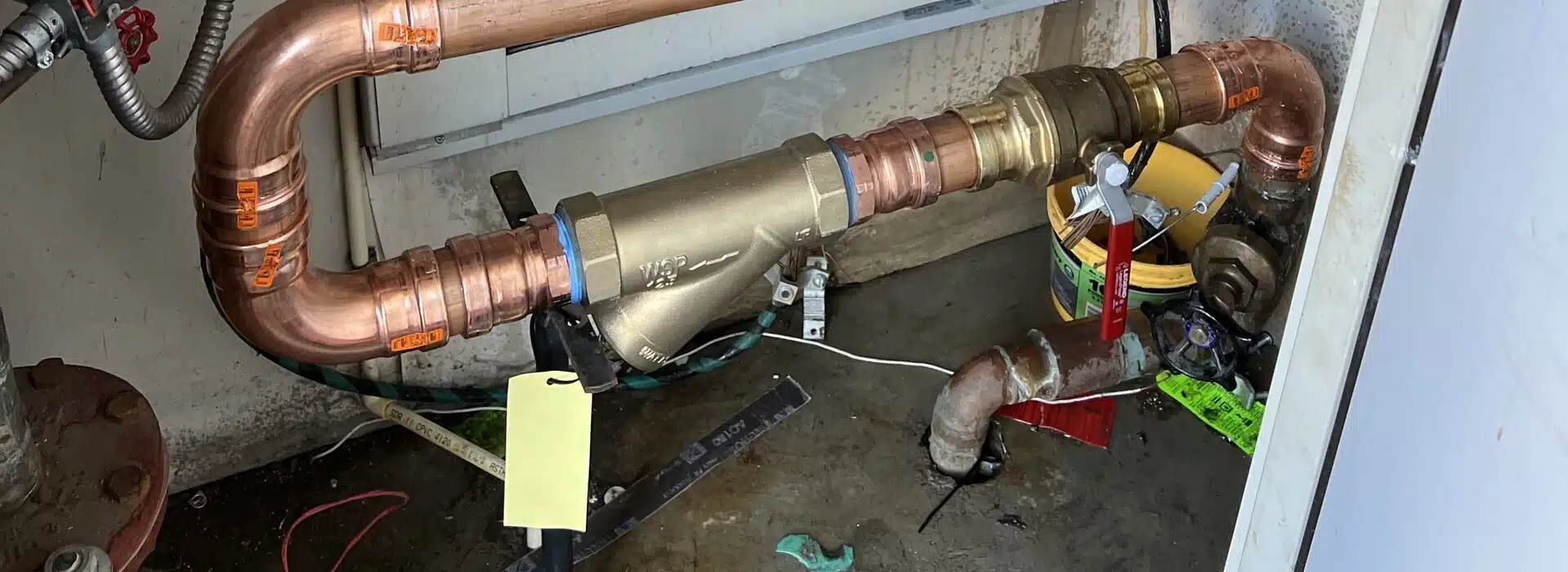
Backflow prevention is essential for Louisville homeowners and businesses to protect their drinking water from contamination. Properly installed and maintained backflow prevention devices are crucial to prevent pollutants from entering the clean water supply.
- Backflow contamination can occur when water flows backward, pulling in harmful substances. Proper devices act as one-way gates to prevent this issue.
- Louisville's unique elevation and pressure fluctuations increase the risk of backflow events, especially during peak usage times.
- Professional assessment and tailored installation are necessary to address specific backflow risks in different properties across the community.
Backflow prevention is a method used to protect drinking water from contamination caused by the reverse flow of water in plumbing systems. This can happen when pollutants, chemicals, or sewage enter the clean water supply. Properly installed and maintained backflow prevention devices are essential for safeguarding water quality in homes and businesses.
Backflow Prevention Services in Louisville, CO
That sudden metallic taste in your water or an unexpected discoloration from your faucet can signal something far more serious than aging pipes. Backflow contamination occurs when water flows backward through your plumbing system – potentially pulling pollutants, chemicals, or sewage into your clean water supply. For Louisville homeowners and businesses, protecting drinking water from cross-contamination requires properly installed and maintained backflow prevention devices.
Backflow prevention involves installing mechanical assemblies that act as one-way gates in your plumbing system. These devices allow water to flow in the intended direction while blocking any reversal that could contaminate potable water. Louisville's position along the Front Range – with its dramatic pressure fluctuations during peak usage periods and elevation changes across neighborhoods – creates conditions where backflow events become more likely without proper protection.
Key Benefits of Professional Backflow Prevention
- Protection of your family's drinking water from irrigation system chemicals, fertilizers, and pesticides
- Compliance with Louisville's municipal water regulations and Colorado state plumbing codes
- Prevention of costly contamination events that can affect entire neighborhood water supplies
- Peace of mind knowing your water supply remains isolated from potential pollutant sources
Professional diagnosis matters because backflow prevention isn't one-size-fits-all. Your property's specific risk factors – including irrigation systems, swimming pools, fire suppression systems, or commercial equipment – determine which type of backflow preventer you need and where it should be installed. Louisville's mix of older homes near downtown and newer developments toward Superior means plumbing infrastructure varies significantly across the community.
Common Plumbing Issues in Louisville, CO
Cardom Plumbing & Heating provides Backflow Prevention services in all neighborhoods of Louisville including Balfour, Centennial Heights, Cherrywood II, Eagle Place, Paragon Estates, Parco Dello Zingaro, Steel Ranch Subdivision, and Waneka Landing.
Louisville sits at approximately 5,335 feet elevation, and this altitude creates unique challenges for water pressure management. When municipal water pressure drops suddenly – whether from a water main break, firefighting operations, or heavy irrigation demand during summer months – the resulting pressure differential can cause backflow events. Properties connected to Louisville's water system experience these pressure swings more frequently during peak watering seasons when neighborhood irrigation systems activate simultaneously.
The community's housing stock presents varied backflow risks. Homes built before the 1980s often lack dedicated backflow protection on outdoor hose bibs and irrigation connections. Meanwhile, newer developments in Louisville frequently feature complex landscape irrigation systems that require reduced pressure zone assemblies to prevent fertilizer and pesticide backflow into the municipal supply.
Local Factors Affecting Backflow Prevention Needs
- Elevation changes across Louisville neighborhoods create natural pressure variations that stress backflow devices
- Hard water with high mineral content accelerates wear on internal seals and check valves within prevention assemblies
- Freeze-thaw cycles from October through April can damage improperly winterized backflow preventers
- Aging infrastructure in established neighborhoods near downtown may have outdated or absent cross-connection controls
- High irrigation demand during dry summers causes pressure fluctuations throughout the distribution system
- Properties with wells or secondary water sources require additional isolation to prevent cross-contamination
Seasonal timing plays a significant role in backflow prevention maintenance. Spring activation of irrigation systems is the most common time for backflow device failures – seals that sat dormant through winter often crack or warp when water pressure returns. Similarly, improper winterization in fall leads to freeze damage that goes unnoticed until the following spring.
Warning Signs That Indicate Backflow Problems
- Discolored or cloudy water appearing at fixtures after irrigation system use
- Unusual tastes or odors in tap water – particularly chemical, earthy, or metallic notes
- Visible leaking from your backflow preventer assembly
- Water pressure that drops significantly when outdoor faucets or irrigation activate
- Failed annual backflow test results from your certified tester
How Cardom Plumbing & Heating Can Help
Our approach to backflow prevention combines thorough assessment with precise installation and ongoing maintenance. We don't simply install devices – we evaluate your entire plumbing system for cross-connection risks and develop protection strategies tailored to your property's specific needs.
Our Backflow Prevention Process
- Initial Property Assessment – We survey your plumbing system to identify all potential cross-connections, including irrigation systems, boiler makeup lines, swimming pool fills, and commercial equipment connections.
- Risk Classification – Each cross-connection receives a hazard rating based on the potential contaminant type, determining whether you need an air gap, atmospheric vacuum breaker, double check valve, or reduced pressure zone assembly.
- Device Selection and Sizing – We match the appropriate backflow preventer to your flow requirements and installation location, accounting for Louisville's climate and pressure conditions.
- Professional Installation – Our licensed plumbers install your backflow prevention assembly according to manufacturer specifications and Colorado plumbing code requirements.
- Initial Testing and Certification – Every installation includes a certified backflow test to verify proper operation and generate documentation for municipal compliance.
- Maintenance Scheduling – We establish an annual testing schedule and provide winterization services to protect your investment through Louisville's cold months.
Diagnostic and Installation Techniques
- Pressure differential testing to verify check valve operation and relief valve function
- Visual inspection of internal components for wear, corrosion, and mineral buildup
- Flow testing to confirm the device doesn't restrict water supply to protected fixtures
- Freeze protection assessment for outdoor installations
- Cross-connection surveys using systematic property mapping
Communication remains central to our service delivery. Before beginning any work, we explain exactly what we've found, what protection your property requires, and why specific devices suit your situation. After installation, you receive complete documentation including test reports, device specifications, and maintenance recommendations.
Quality Control Measures
- All backflow testing performed by state-certified testers using calibrated equipment
- Test results submitted directly to Louisville's water utility for compliance records
- Post-installation inspection to verify proper drainage, accessibility, and freeze protection
- Written warranty coverage on all installed devices and labor
Why Choose Cardom Plumbing & Heating
Backflow prevention requires specific certification beyond standard plumbing licensure. Our technicians hold Colorado-recognized backflow assembly tester certifications and maintain current credentials through ongoing education. This specialized training means we understand the mechanical differences between device types and can accurately diagnose problems that general plumbers might miss.
Working throughout Louisville and surrounding Boulder County communities gives us direct familiarity with local water system characteristics. We know which neighborhoods experience the most significant pressure fluctuations, which developments have specific backflow requirements from their HOAs, and how Louisville's water utility handles compliance enforcement. This local knowledge translates into faster, more accurate service.
What Sets Us Apart
- State-certified backflow assembly testers on staff – not subcontracted testing services
- Same-week scheduling for annual tests and emergency repairs during irrigation season
- Direct submission of test results to Louisville water utility on your behalf
- Comprehensive winterization services to prevent freeze damage
- Detailed documentation retained for your property's compliance history
Our diagnostic approach uses professional-grade test equipment calibrated to manufacturer standards. This precision matters because backflow preventers operate within specific pressure tolerances – a device that appears functional during casual inspection may fail under actual backflow conditions. We test to the same standards required by Colorado's cross-connection control program, providing results you can trust.
When backflow emergencies occur – whether from a failed device, contamination event, or compliance notice – we prioritize rapid response. Louisville property owners shouldn't wait days for protection of their water supply. Our scheduling system accommodates urgent backflow needs alongside routine maintenance appointments.
Housing Characteristics & Backflow Prevention Considerations
Louisville's residential landscape reflects over a century of development, creating diverse backflow prevention requirements across different neighborhoods. The historic downtown area features homes dating to the late 1800s and early 1900s – properties originally built without modern cross-connection controls. These older homes often have galvanized steel or cast iron supply lines that connect directly to outdoor hose bibs without any backflow protection.
Housing Age and Backflow Risk Factors
- Pre-1950s homes – Typically lack any backflow prevention; may have submerged inlet valves in basement laundry tubs or boiler systems creating direct cross-connections
- 1950s-1970s construction – Often feature unprotected irrigation connections and hose bibs; some have atmospheric vacuum breakers that no longer meet current code
- 1980s-1990s developments – Generally include basic backflow protection but may have undersized devices for current irrigation system demands
- 2000s and newer homes – Usually equipped with code-compliant backflow prevention, though devices now require annual testing and periodic replacement
Louisville's housing mix includes single-family homes, townhomes, and condominiums – each presenting different backflow considerations. Townhome communities often share irrigation systems with centralized backflow prevention, while single-family properties typically require individual device installation. Condominium complexes may have building-wide protection that individual unit owners don't realize exists or needs maintenance.
Common Louisville Property Features Requiring Backflow Protection
- In-ground irrigation systems – present on most properties with established landscaping
- Hot tubs and swimming pools – common in newer developments
- Radiant floor heating systems – popular in mountain-style homes
- Fire sprinkler systems – required in many newer constructions
- Detached workshops or accessory dwelling units with separate plumbing connections
- Garden greenhouses with dedicated water supplies
The community's proximity to open space and agricultural areas means many properties border land where well water or non-potable irrigation sources exist. Properties near Coal Creek or along Louisville's greenbelt corridors require particular attention to ensure municipal water remains isolated from any potential contamination sources on adjacent land.
Environmental Conditions & Backflow Prevention Implications
Louisville receives its drinking water from the City of Louisville Water Utility, which sources primarily from surface water treated at the city's water treatment facility. The water supply originates from the Northern Colorado Water Conservancy District and experiences seasonal quality variations based on snowmelt patterns and reservoir levels. This treated municipal water has moderate hardness levels – typically ranging from 120-180 parts per million – which affects backflow prevention device longevity.
Water Quality Factors Affecting Backflow Devices
- Mineral deposits accumulate on check valve seats and seals, requiring periodic cleaning or replacement
- Chlorine residual in treated water degrades rubber components over time
- Seasonal turbidity changes can introduce sediment that affects valve operation
- pH levels influence corrosion rates on brass and bronze device components
Louisville's semi-arid climate creates a demanding environment for outdoor backflow prevention assemblies. Summer temperatures regularly exceed 90°F, causing thermal expansion in device housings, while winter lows frequently drop below 0°F. This temperature range – spanning over 100 degrees annually – stresses seals and gaskets significantly. Proper installation must account for thermal movement and include appropriate freeze protection.
Climate-Related Backflow Prevention Challenges
- Freeze damage – The primary cause of backflow device failure in Louisville; unprotected assemblies can crack when trapped water expands
- UV degradation – Colorado's intense high-altitude sunlight breaks down plastic components and test cock caps
- Thermal cycling – Daily temperature swings of 30-40 degrees stress internal seals
- Hail impact – Severe storms can physically damage exposed assemblies
Soil conditions along the Front Range include expansive clay that shifts with moisture content changes. Underground backflow prevention installations – while protected from freeze damage – must account for soil movement that can stress pipe connections. Louisville's drainage patterns direct stormwater toward Coal Creek, and properties in lower-lying areas may experience groundwater intrusion that affects buried plumbing components.
The region's low humidity accelerates evaporation from relief valve discharge ports, potentially leaving mineral deposits that impede proper drainage. Annual testing must include verification that relief valves can discharge freely – a detail sometimes overlooked but critical for proper backflow prevention function.
Louisville Water System Infrastructure and Cross-Connection Control
Louisville's municipal water system serves approximately 8,500 service connections across the city's 9.5 square miles. The water distribution infrastructure includes a mix of pipe materials and ages – from original cast iron mains in the historic downtown district to modern ductile iron and PVC lines in newer developments. This infrastructure diversity means water pressure can vary significantly between neighborhoods, with some areas experiencing pressures above 80 PSI while others operate closer to 50 PSI.
Louisville Water System Statistics
- Average daily water demand: approximately 3.5 million gallons
- Peak summer demand: can exceed 8 million gallons daily during irrigation season
- Distribution system pressure range: 45-95 PSI depending on elevation and location
- Water main age: ranges from over 80 years in downtown to less than 10 years in recent developments
- Annual water quality testing: exceeds 1,000 samples for regulatory compliance
Colorado's Cross-Connection Control Program requires all public water systems to implement backflow prevention measures. Louisville enforces these requirements through its municipal code, mandating annual testing of reduced pressure zone assemblies and double check valve assemblies. Property owners receive notification when tests are due, and failure to comply can result in water service disconnection. The city maintains a registry of certified backflow testers authorized to perform required annual inspections.
How Infrastructure Affects Your Backflow Prevention Needs
- Properties on dead-end water mains experience more pressure fluctuation, increasing backflow risk
- Older neighborhoods with aging mains may see temporary pressure drops during repair work
- High-demand commercial corridors can create pressure variations affecting adjacent residential properties
- Elevation differences across Louisville mean some properties require pressure-reducing valves that interact with backflow prevention systems
Louisville's water utility has documented several backflow incidents over the years – most involving irrigation system cross-connections that introduced fertilizers or pesticides into localized portions of the distribution system. These events underscore why the city takes cross-connection control seriously and why proper backflow prevention protects not just your property but your neighbors' water supply as well. Working with a certified backflow specialist ensures your property meets all municipal requirements while providing genuine protection for your drinking water.


