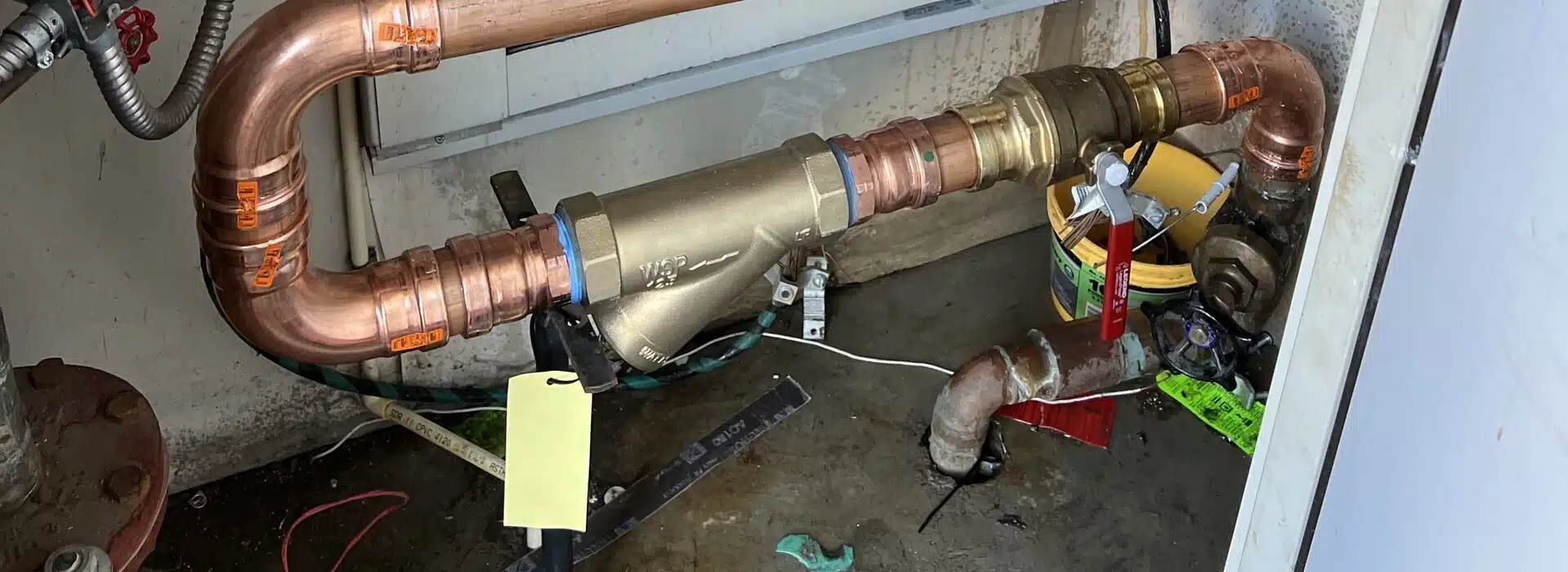
Backflow prevention is essential for Ken Caryl homeowners to protect their drinking water from contamination due to pressure changes in the plumbing system. The company offers specialized services including installation, testing, and maintenance of backflow prevention devices tailored to local conditions.
Backflow can introduce contaminated water into your supply, posing health risks. They install devices that allow water to flow only in one direction, preventing reverse movement.
Ken Caryl's varied elevation and aging infrastructure create unique backflow challenges. Their services include thorough assessments and compliance with health regulations.
Annual testing and professional installation are crucial for maintaining backflow prevention systems. The company provides clear communication and documentation for all services.
What is backflow prevention?
Backflow prevention is a method used to stop contaminated water from flowing back into the clean water supply. It is essential for maintaining safe drinking water, especially in areas like Ken Caryl, CO, where pressure changes can cause water to reverse direction, posing health risks to homeowners.
Backflow Prevention Services in Ken Caryl, CO
That moment when your tap water smells off or has an unusual taste – it's unsettling. You rely on clean water flowing in one direction: from the municipal supply into your home. When pressure changes cause water to reverse course, contaminated water can enter your drinking supply. This is backflow, and it's a serious health hazard that Ken Caryl homeowners face more often than many realize.
Backflow prevention involves installing, testing, and maintaining specialized devices that act as one-way gates in your plumbing system. These devices allow water to flow toward your fixtures while blocking any reverse movement that could pull irrigation chemicals, pool water, or sewage back into potable lines. Professional diagnosis matters here because backflow conditions often develop silently – you won't notice a problem until contamination has already occurred.
Ken Caryl's unique position along the foothills creates specific backflow risks. Elevation changes throughout the community affect water pressure dynamics, while the area's mix of 1970s-era homes and newer construction means varied plumbing infrastructure requiring different prevention approaches.
Protection against cross-contamination between irrigation systems and drinking water
Compliance with Colorado Department of Public Health requirements for testable backflow devices
Safeguarding against pressure fluctuations common in foothill communities
Peace of mind during fire hydrant flushing and main breaks that cause sudden pressure drops
Ken Caryl's geography and infrastructure create a perfect environment for backflow events. The community spans significant elevation changes from the valley floor near Chatfield Reservoir up into the Ken Caryl Ranch area. These elevation differences mean water pressure varies considerably throughout the day and across different neighborhoods.
Many homes in the Ken Caryl Valley were built during the 1970s and 1980s when backflow prevention requirements were less stringent. Original plumbing in these properties often lacks adequate protection, particularly at hose bibs and irrigation connections. Newer homes in areas like the Manor House neighborhood typically have code-compliant devices, but these still require annual testing and periodic replacement.
Local Factors Contributing to Backflow Risk
Elevation variance – Homes at higher elevations experience lower baseline pressure, making them more susceptible during demand spikes
Extensive irrigation systems – Ken Caryl's landscaped common areas and residential properties with in-ground sprinklers create multiple cross-connection points
Aging infrastructure – Original copper and galvanized lines in older sections may have degraded connections where backflow devices were retrofitted
Seasonal pressure swings – Summer irrigation demand across Jefferson County creates significant pressure fluctuations in the distribution system
How Cardom Plumbing & Heating Addresses Your Backflow Needs
Protecting your water supply requires systematic evaluation and precise installation. Our approach to backflow prevention follows a structured process designed for Ken Caryl's specific conditions.
Our Backflow Prevention Process
Initial assessment – We evaluate your property's cross-connection points, including irrigation systems, pool fills, boiler makeup water, and hose bibs
Pressure testing – Using calibrated gauges, we measure your baseline water pressure and identify fluctuation patterns
Device selection – Based on hazard level and installation location, we recommend the appropriate preventer type – whether reduced pressure zone (RPZ), double check valve, or atmospheric vacuum breaker
Professional installation – Our technicians install devices according to manufacturer specifications and Colorado plumbing code requirements
Certification testing – Using state-approved test equipment, we verify proper operation and document results for your records and utility compliance
System documentation – You receive complete paperwork including device specifications, test results, and maintenance schedules
Testing and Certification Methods
Colorado requires annual testing of RPZ and double check assemblies by certified testers. Our technicians hold current certifications and use calibrated differential pressure gauges.
Check valve seat tightness verification
Relief valve opening point measurement for RPZ assemblies
Air inlet operation testing for vacuum breakers
Shut-off valve integrity confirmation
Communication and Follow-Up
After installation or testing, we submit required documentation directly to your water provider. You'll receive copies for your records along with reminders when annual testing comes due. If repairs become necessary, we explain findings clearly and provide options before proceeding.
Why Choose Cardom Plumbing & Heating
Backflow prevention sits at the intersection of plumbing expertise and public health protection. Our technicians carry Colorado-recognized backflow tester certifications and maintain current knowledge of Jefferson County's cross-connection control requirements. This specialized training means we understand not just how these devices work, but why specific installations matter for your property's risk profile.
Working throughout the Ken Caryl area gives us direct familiarity with local conditions. We know which neighborhoods experience pressure problems, understand the common plumbing configurations in different-era homes, and maintain relationships with area water utilities. When you call about a failed test or compliance notice, we can often diagnose the likely issue before arriving based on your address and property age.
What Sets Our Service Apart
Certified expertise – State-recognized backflow testing credentials with ongoing education
Direct utility coordination – We handle paperwork submissions and compliance documentation
Comprehensive service – From new installations to annual testing to emergency repairs
Local inventory – Common replacement parts and devices stocked for faster service
Clear explanations – We show you what we find and explain your options without pressure
Our diagnostic approach uses professional-grade test equipment calibrated to manufacturer standards. This precision matters because backflow devices must perform within specific parameters – a check valve that's slightly out of specification won't protect your water supply when pressure drops suddenly.
Ken Caryl's residential development spans several distinct eras, each presenting unique backflow prevention challenges. Understanding your home's construction period helps identify likely cross-connection risks and existing protection levels.
1970s-1980s Original Development
The Ken Caryl Ranch master-planned community began development in the early 1970s. Homes from this era typically feature:
Copper supply lines with soldered joints – generally reliable but connections may have loosened over decades
Original hose bibs without integral vacuum breakers
Irrigation systems added after construction, sometimes with inadequate backflow protection
Basement utility rooms where boiler makeup water connections may lack proper isolation
1990s-2000s Expansion Areas
Later phases including portions of the Valley and North Ranch brought updated code requirements. These properties generally have:
Code-compliant backflow preventers on irrigation systems
Frost-proof hose bibs with integrated vacuum breakers
Better documentation of cross-connection points
However, devices from this era are now reaching their service life limits. Twenty-year-old RPZ assemblies often need rebuilding or replacement.
Custom and Estate Properties
Larger properties in areas like the Manor House neighborhood often include complex water features, pools, and extensive irrigation. These high-hazard connections require robust RPZ protection and more frequent testing schedules. The sophisticated landscaping common in these properties creates multiple potential cross-connection points that demand comprehensive evaluation.
Ken Caryl's Front Range location creates environmental conditions that directly impact backflow prevention system performance and longevity.
Water Quality Characteristics
The Denver Water system serving Ken Caryl draws from mountain reservoirs and treats water at facilities including the Foothills Treatment Plant. Local water quality factors include:
Moderate hardness levels that can cause mineral buildup on check valve seats over time
Chlorine residual that helps maintain water safety but can degrade rubber seals in backflow devices
Seasonal turbidity variations during spring runoff that may carry sediment affecting device operation
Climate Impacts on Backflow Systems
Ken Caryl experiences temperature extremes that challenge outdoor backflow installations. Winter lows regularly reach single digits, while summer highs exceed 90°F. This range creates specific concerns:
Freeze damage – Unprotected above-ground RPZ assemblies can crack when water freezes inside the relief valve chamber
Thermal expansion – Temperature swings stress pipe connections and device housings
UV degradation – Colorado's intense sunlight breaks down plastic components on exposed devices
Soil and Drainage Considerations
The clay-heavy soils common in Ken Caryl affect underground installations. Poor drainage around buried backflow vaults can lead to standing water that accelerates corrosion. During heavy rain events – increasingly common with changing weather patterns – saturated soil can shift, stressing pipe connections. Properties near Deer Creek or drainage channels face additional flood risk that can submerge and contaminate backflow devices.
Proper installation accounts for these conditions through adequate drainage, insulation, and protective enclosures suited to Ken Caryl's specific environmental challenges.
Water System Infrastructure in Ken Caryl
Ken Caryl receives water service primarily through Denver Water's distribution network, with some areas served by smaller districts. Understanding this infrastructure helps explain why backflow prevention matters here and what specific requirements apply to your property.
Denver Water maintains one of the most extensive cross-connection control programs in Colorado. The utility requires annual testing of all testable backflow prevention assemblies and maintains a registry of certified devices. Properties with irrigation systems, fire sprinkler connections, or other high-hazard uses must demonstrate compliance or face potential service disconnection.
Key Infrastructure Data Points
System pressure – Ken Caryl typically receives 60-80 PSI, though foothill elevations may see lower pressure during peak demand
Main line age – Transmission mains serving the area date from the 1970s forward, with some sections upgraded in recent decades
Testing requirements – Annual certification required for RPZ and double check assemblies; results must be submitted within specified timeframes
Compliance tracking – Denver Water sends notices for overdue tests and can require immediate action for failed devices
The combination of elevation-related pressure challenges and strict utility requirements makes professional backflow services particularly valuable in Ken Caryl. Working with a certified tester who understands local compliance procedures saves time and prevents the complications that arise from missed deadlines or improperly documented repairs. Cardom Plumbing & Heating maintains direct familiarity with Denver Water's cross-connection control program and can guide you through both technical and administrative requirements.
Backflow prevention refers to the methods and devices used to stop contaminated water from flowing back into the clean water supply. In Ken Caryl, where elevation changes can affect water pressure, backflow can pose serious health risks by allowing pollutants from irrigation systems or sewage to enter drinking water.
Signs that you may need backflow prevention services include unusual tastes or odors in your tap water, or if you have an older home with outdated plumbing. If you experience sudden changes in water pressure or have an extensive irrigation system, it's wise to consult a professional.
There are several types of backflow prevention devices, including double check valves, reduced pressure zone devices, and atmospheric vacuum breakers. The appropriate device for your home depends on your plumbing system and local regulations.
Backflow prevention devices should be tested annually to ensure they are functioning correctly. This is especially important in areas like Ken Caryl where water pressure can fluctuate, potentially compromising the effectiveness of these devices.
Homeowners are typically responsible for ensuring that their plumbing systems are equipped with proper backflow prevention devices and that these devices are regularly tested and maintained. Local regulations may also require compliance with specific standards.
Without backflow prevention, contaminated water can enter your drinking supply, posing significant health risks. This can lead to illnesses caused by pollutants, chemicals, or pathogens, which can be particularly concerning in communities with varying water pressure like Ken Caryl.
You can find backflow prevention services in Ken Caryl by searching online for local plumbing companies that specialize in backflow prevention. Additionally, checking with your local water authority can provide recommendations for certified professionals in your area.