
Recent Posts
Categories
Water Pressure Regulators: Essential for Denver’s Unique Plumbing Systems
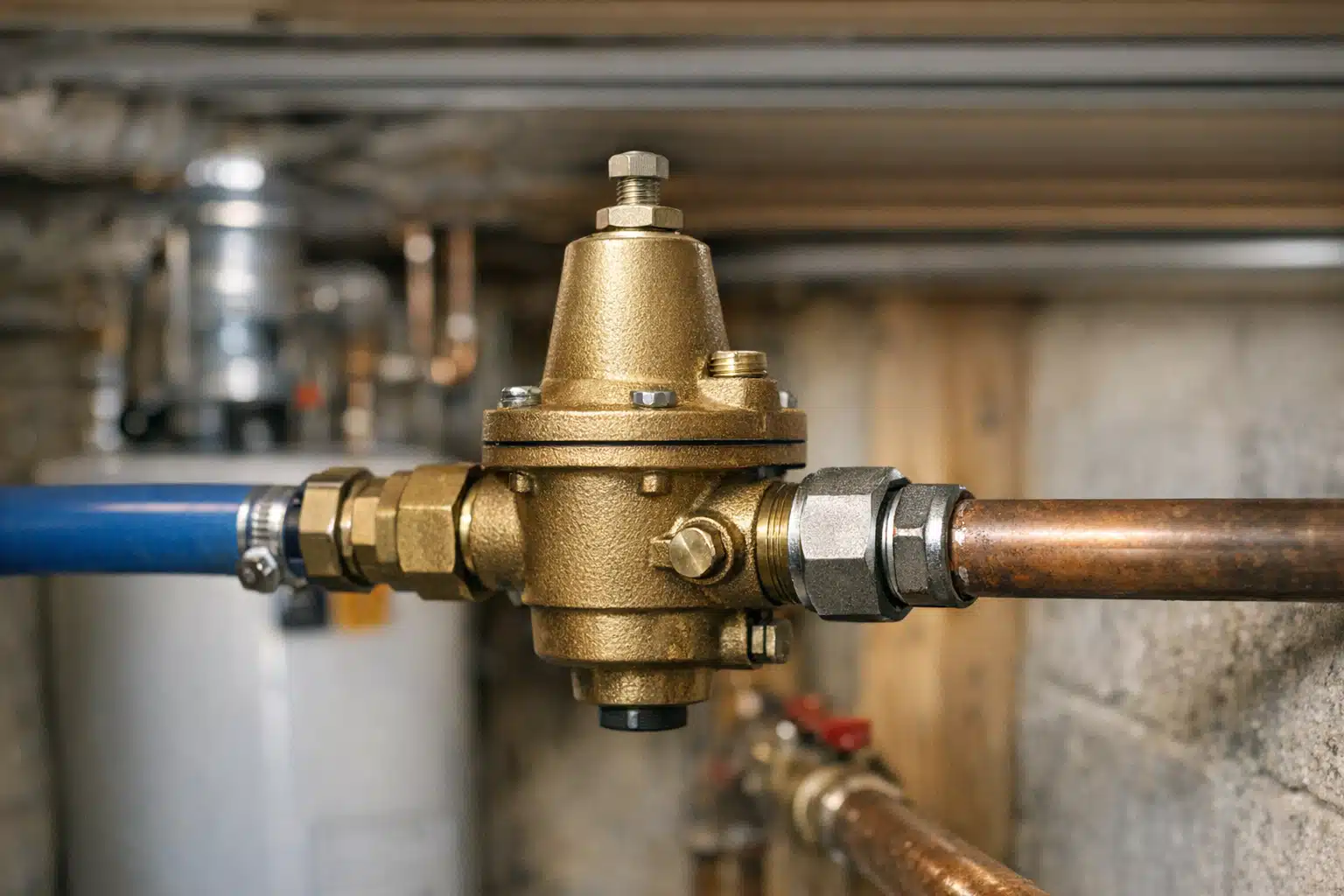
Water pressure regulators protect Denver-area homes from the high municipal water pressure caused by the region's elevation changes. Cardom Plumbing explains how these valves work, signs of failure, and why local homes need them.
- Denver municipal water can arrive at 80 PSI or higher, while most homes run best between 50 and 60 PSI. Homes at the bottom of pressure zones may see readings above 90 PSI.
- Warning signs of a failing regulator include banging pipes, running toilets, repeat faucet leaks, and short water heater life. Testing with a gauge from a hardware store can confirm if pressure is too high.
- Replacement costs range from $250 to $450 for a standard job. Most regulators last 10 to 15 years, though Front Range hard water can shorten that lifespan.
A water pressure regulator is a small brass valve that controls the flow of water entering your home, preventing excessive pressure from damaging your plumbing system. Denver and Front Range homes often need these devices because municipal water pressure in the area can be high enough to cause loud banging sounds in pipes, known as water hammer, and lead to premature wear on fixtures and appliances.
Many Arvada homeowners hear a loud banging in the walls when they shut off a faucet. That sound is a warning sign of excessive water pressure. Water pressure regulators are the small brass valves that keep that pressure in check across the Front Range.
Denver sits at high altitude with municipal water lines pushed hard to reach elevated neighborhoods. That combination creates pressure levels that can damage pipes, fixtures, and appliances fast.
This post covers what these valves do, why local homes need them, warning signs of failure, and what repairs cost. You will know exactly when to call for help.
What a Water Pressure Regulator Does
A water pressure regulator is a valve installed on the main water line where it enters your home. It reduces incoming pressure to a safe, steady level for household plumbing.
Most homes run best between 50 and 60 PSI. Denver municipal supply can arrive at 80 PSI or higher, depending on your elevation and distance from the main.
The regulator sits between your water meter and your interior pipes. It steps down the pressure before water reaches your faucets, toilets, and water heater.
Why Denver’s High Pressure Is Different
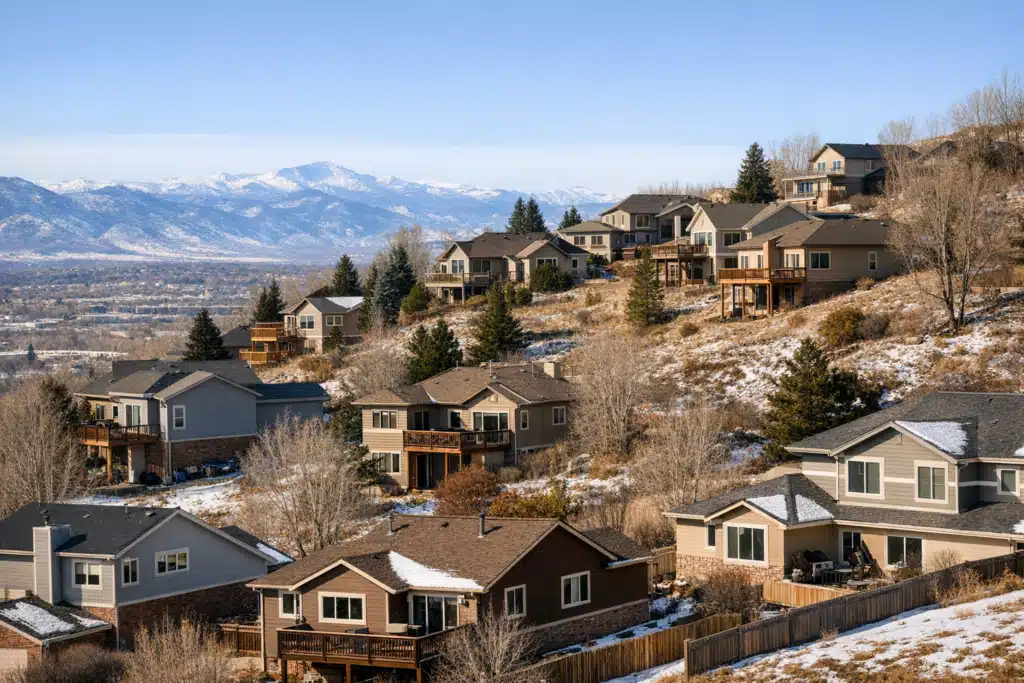
Water providers must push extra pressure to serve homes on hills and ridges. Neighborhoods in Arvada, Golden, and west Denver sit at varying elevations along the foothills.
To keep the highest homes supplied, pressure at lower elevations can spike well past safe limits. A house at the bottom of a pressure zone may see readings above 90 PSI.
Denver plumbing systems in older homes were built when codes allowed higher pressure tolerances. Newer fixtures and flexible supply lines cannot handle that strain.
Warning Signs Your Regulator Is Failing
A worn regulator either fails wide open or clamps down too far. Both cause problems you can spot at home.
- Banging pipes when you turn water on or off (water hammer)
- Running toilets that will not stop refilling
- Leaking faucets even after new washers or cartridges
- No pressure or weak flow at every fixture at once
- Short water heater life or frequent relief valve discharge
- Sudden spikes in your water bill from hidden leaks
If your faucets drip within months of replacement, high pressure is the likely cause. The valve seat wears out under constant strain.
How to Test Your Home’s Pressure
You can check pressure yourself with an inexpensive gauge from a hardware store.
- Screw the gauge onto an outdoor hose bib or laundry faucet.
- Turn the water on fully with no other fixtures running.
- Read the number on the dial.
Anything above 75 PSI means your regulator needs adjustment or replacement. A reading near 100 PSI calls for fast action to protect your pipes.
What High Pressure Damages in Local Homes
Excess pressure does not stay quiet. It wears down every part of your plumbing over time.
Water Heaters and the T&P Valve
High pressure forces your water heater’s temperature and pressure relief valve to leak. We see Broomfield and Westminster homes with puddles under the tank from this exact cause.
Left unchecked, the strain shortens tank life by years. A regulator paired with an expansion tank stops the cycle.
Appliance Hoses and Supply Lines
Washing machine and dishwasher hoses burst under sustained pressure. A single failed hose can flood a finished basement in an hour.
Braided steel lines last longer, but pressure above 80 PSI shortens their lifespan too. Controlling pressure protects the whole system.
Toilet Fill Valves and Fixtures
Fill valves wear out fast when pressure runs high. The constant force cracks internal seals and causes phantom flushing.
Cartridge faucets suffer the same fate. Homeowners who replace parts repeatedly usually have a pressure problem, not a fixture problem.
Water Pressure Regulators and Local Code
Colorado plumbing code requires a regulator when street pressure exceeds 80 PSI. Any home above that limit must reduce pressure to protect the system.
Homes built or re-piped in Arvada and Denver should already have one installed. Older homes may lack a regulator entirely, or run one that failed years ago.
If you are buying a home along the Front Range, ask about the regulator during inspection. A missing or dead valve is a repair you want handled before closing.
Repair or Replace: What to Expect
Regulators are not repaired in place. When one fails, it gets replaced with a new unit.
Typical Cost Range
- Regulator part: $60 to $150 depending on size and brand
- Installed replacement: $250 to $450 for a standard job
- Added expansion tank: $150 to $300 if the water heater needs one
Access matters most for the final price. A regulator in a cramped crawlspace takes longer than one in an open basement.
How Long a Regulator Lasts
Most units last 10 to 15 years before the internal parts wear down. Hard water along the Front Range can shorten that span.
Mineral buildup coats the valve seat and spring. That is why Denver-area homes sometimes need replacement sooner than the average.

 Posted on Google
Common Pressure Problems in Front Range Homes
Here are the pressure-related calls we handle most across Arvada and nearby towns.
- Water hammer in two-story homes with copper pipe
- Leaking T&P valves on aging water heaters
- Repeat faucet leaks in homes without a regulator
- Burst supply hoses behind washing machines
- Sudden pressure drops from a regulator stuck closed
Each of these traces back to pressure the system was never built to hold. A working regulator addresses the source instead of the symptom.
Protecting Your Plumbing Long Term
A regulator is one part of pressure management. Pairing it with the right hardware keeps your system stable for years.
- Install an expansion tank on your water heater to absorb pressure swings
- Replace rubber washing machine hoses with braided steel
- Test your pressure once a year with a gauge
- Watch for early signs like water hammer or dripping faucets
Annual checks catch a failing regulator before it damages appliances. That small habit saves hundreds in flood and repair costs.
Why Local Knowledge Matters Here
Pressure zones shift block to block along the foothills. A plumber who works Arvada, Wheat Ridge, and west Denver knows which areas run hot.
We set regulators based on your home’s real street pressure, not a generic number. That precision protects your fixtures and keeps flow strong at the tap.
Front Range hard water and altitude both affect how these valves perform. Local repair means the fix matches the conditions your home faces every day.
Conclusion
Water pressure regulators shield your pipes, appliances, and water heater from the high pressure common across Denver-area homes. Watch for water hammer, repeat leaks, and running toilets as early warning signs.
Test your pressure yearly and act fast when readings climb above 75 PSI. Catching a failing regulator early protects your home from costly water damage.
Need your water pressure checked or a regulator replaced in Arvada, Denver, or nearby communities? Call or text Cardom Plumbing & Heating at 720‑775‑8322, email tomd@cardomcolorado.com, or visit https://www.cardomcolorado.com.
Sources
- International Code Council – Uniform Plumbing Code
- U.S. Environmental Protection Agency – WaterSense Program
- Denver Water – Residential Water Information


