Cardom Plumbing & Heating offers specialized water heater services in Denver, addressing the unique challenges posed by the local environment. Their comprehensive approach includes inspection, repair, maintenance, and replacement of both tank and tankless units.
They provide thorough diagnostics to identify issues beyond surface symptoms. Their technicians are licensed and insured, ensuring safe and effective service. The company emphasizes long-term solutions tailored to Denver's specific water conditions and housing characteristics.
Water Heater Services in Denver, CO That moment when hot water turns lukewarm mid-shower or your basement reveals a puddle beneath your water heater – these scenarios demand immediate attention.
Your water heater works harder than almost any appliance in your Denver home, cycling through heating demands that spike during our cold mountain mornings and bitter winter nights.
What does a water heater do in a Denver home?
A water heater in a Denver home provides hot water for daily activities such as showering, cooking, and cleaning. It operates continuously to meet the heating demands, especially during cold mornings and winter nights, ensuring that residents have access to hot water when needed.
Water Heater Services in Denver, CO
That moment when hot water turns lukewarm mid-shower or your basement reveals a puddle beneath your water heater – these scenarios demand immediate attention. Your water heater works harder than almost any appliance in your Denver home, cycling through heating demands that spike during our cold mountain mornings and bitter winter nights. When this workhorse fails, daily routines grind to a halt.
Water heater service encompasses inspection, repair, maintenance, and replacement of both tank-style and tankless units. Professional diagnosis matters because water heaters involve complex interactions between gas lines or electrical systems, water pressure, temperature controls, and venting – each requiring specific expertise to assess safely and accurately.
Restored consistent hot water temperature throughout your home
Reduced energy costs through efficient system operation
Prevention of catastrophic tank failures and water damage
Extended equipment lifespan through proper maintenance
Denver's unique combination of hard water, high altitude, and dramatic temperature swings creates specific challenges for water heating equipment. The mineral content in our water accelerates sediment buildup, while altitude affects combustion efficiency in gas units. Understanding these local factors separates effective water heater service from generic troubleshooting.
Denver's water supply originates from mountain snowmelt and reservoir systems, carrying dissolved minerals that accumulate inside your water heater tank over time. This sediment layer acts as insulation between the burner and the water, forcing your system to work harder and longer to reach set temperatures. Homeowners often notice this as gradually declining performance – water that takes longer to heat or doesn't reach the same temperatures it once did.
Our city sits at 5,280 feet elevation, where atmospheric pressure differences affect how gas burners operate. Water heaters designed for sea-level performance may struggle to achieve complete combustion in Denver, leading to efficiency losses and potential carbon monoxide concerns. Seasonal temperature extremes compound these challenges – incoming water temperatures can drop below 40°F during winter months, requiring your water heater to work significantly harder than during summer.
Local Factors Affecting Water Heater Performance
Hard water mineral content – Denver Water reports moderate to hard water levels, accelerating scale buildup on heating elements and tank interiors
High altitude combustion – Gas water heaters require altitude-adjusted orifices and proper venting configurations to burn efficiently
Extreme temperature fluctuations – Winter lows below zero stress tank components and increase recovery time demands
Aging infrastructure in established neighborhoods – Homes in Capitol Hill, Park Hill, and Washington Park often have original or undersized water heaters struggling to meet modern demands
Basement installation conditions – Many Denver homes have unfinished basements where water heaters face temperature extremes and potential flooding risks
Thermal expansion concerns – Closed-loop plumbing systems common in newer Denver construction require expansion tanks to prevent pressure damage
Warning Signs Requiring Professional Attention
Watch for these indicators that your water heater needs service:
Rusty or discolored hot water from faucets
Rumbling, popping, or banging sounds during heating cycles
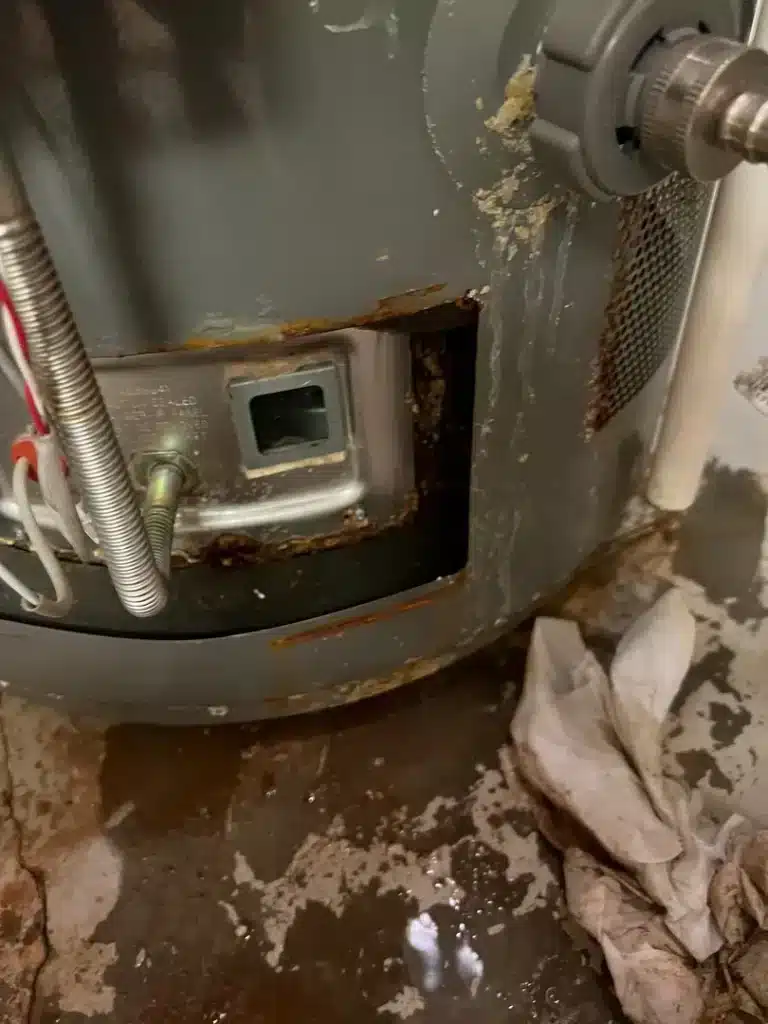
Visible corrosion or rust on tank exterior
Water pooling around the base of the unit
Pilot light that frequently extinguishes
Hot water running out faster than normal
Rotten egg smell indicating bacterial growth or anode rod failure
Recent Work
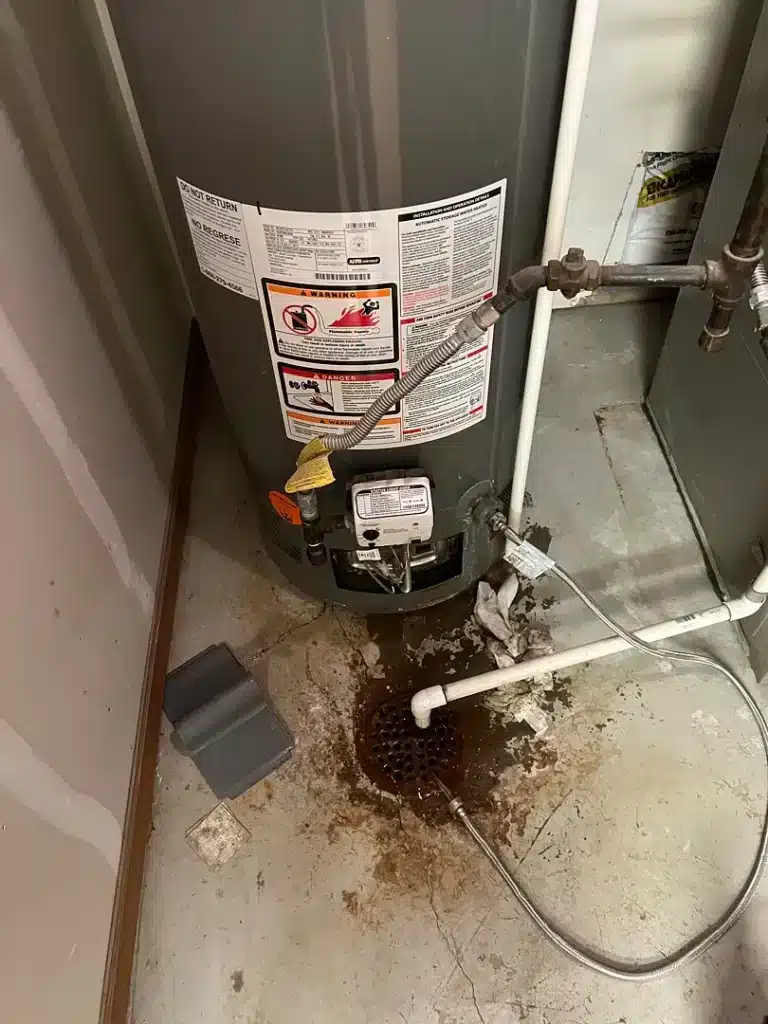
Replace Leaking Water Heater - Denver
Problem:Leaking water heater
Found:Pan was filled with water.
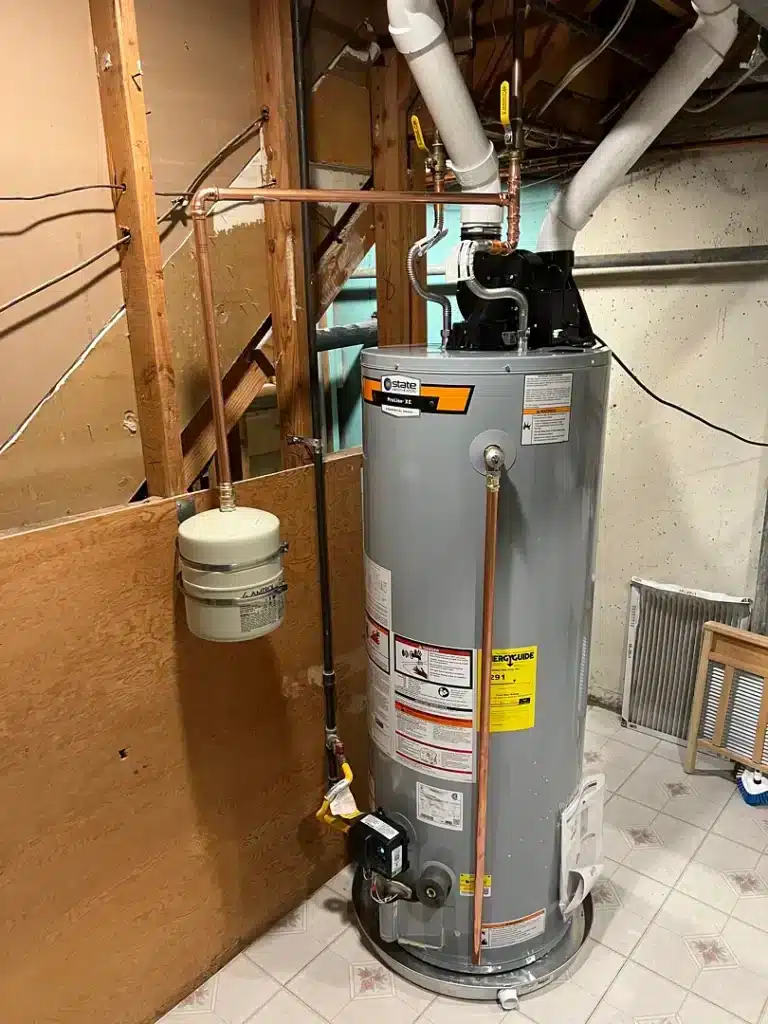
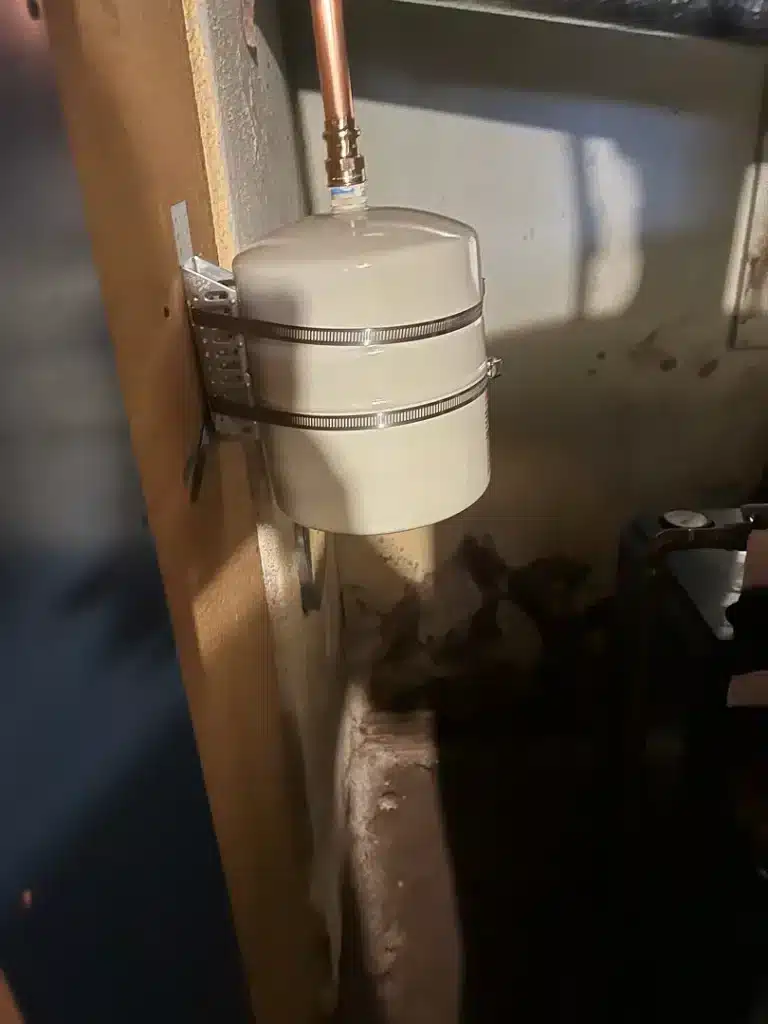
Fixed:Replaced heater and added a thermal expansion tank. Mounted it inside of a tank kit and scrwed the kit to the wall. Pressurized the tank with air to the incoming water pressure of the bldg. Tied into the new tee fitting below the new ball valve on the heater.
Outcome:Finished full installation and set heater at 120F and tested for gas leaks and flue draw. Working well.
Water Heater Replacement - Denver
Problem:Installed power vented water heater
Found:Old exhaust
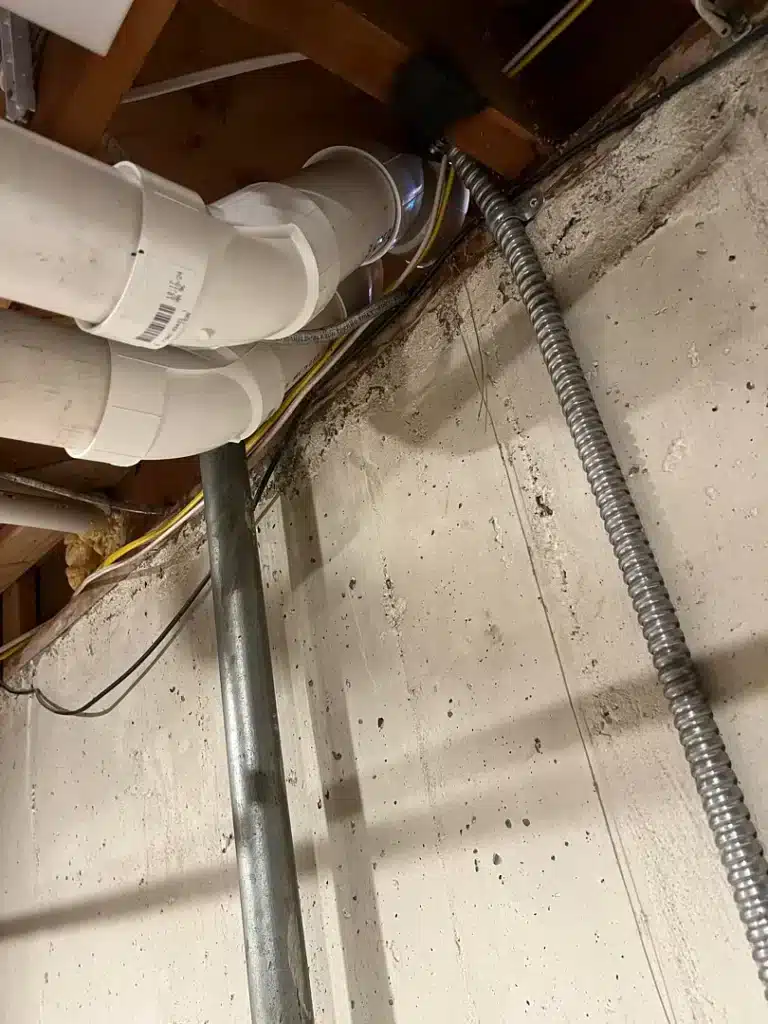
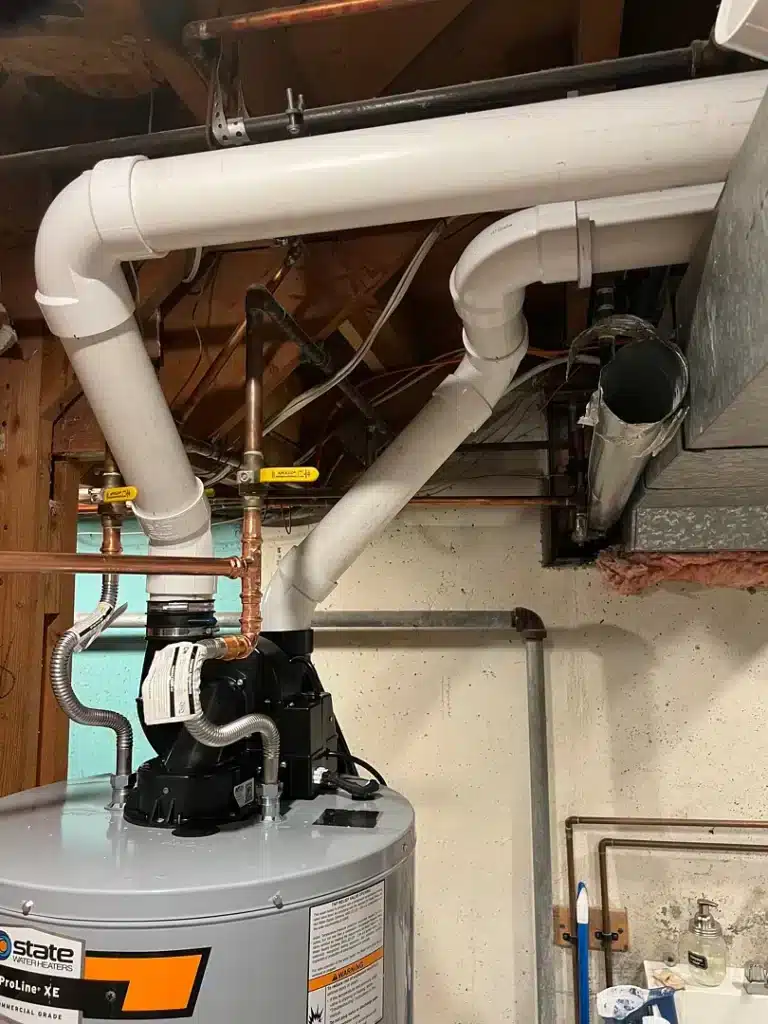
Fixed:Remove and replaced water heater with new power venting type. Removed old exhaust that was installed wrong, back pitched and going downhill through crawlspace and then back up hill and was never taken directly outside . Cut intake and exhaust through side of home sealing wall with hydraulic cement.
Outcome:Turned on and tested everything no issues found.
Replace Water Heater - Denver
Problem:Replace 50 gallon water heater
Found:Broken water heater.
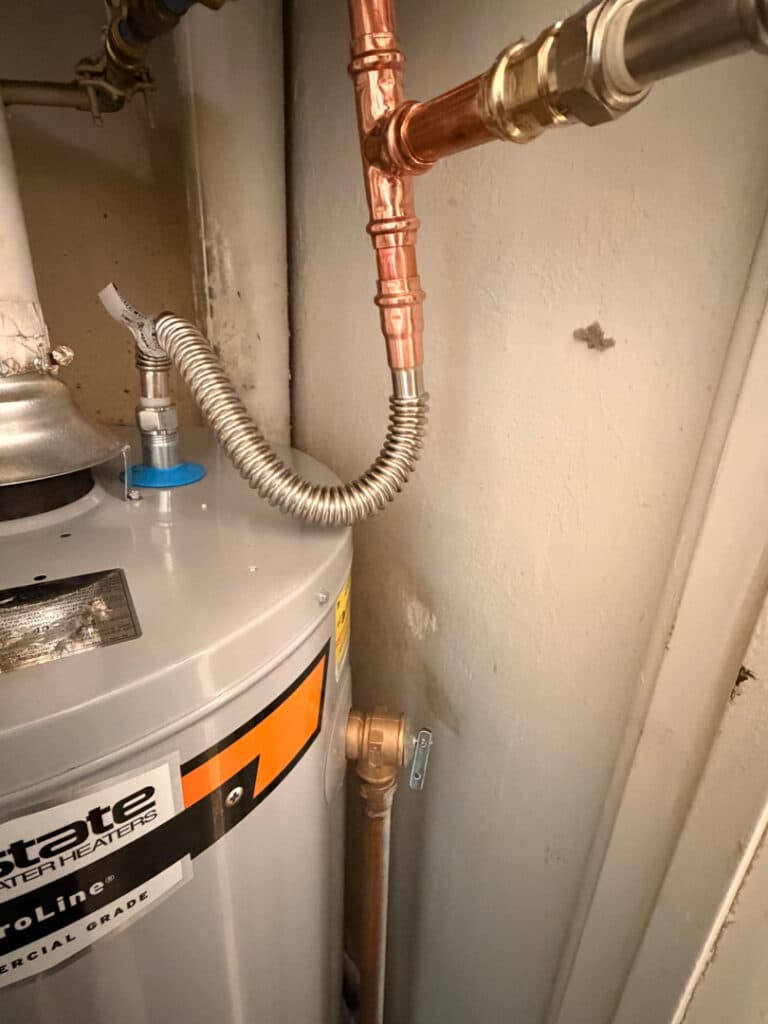
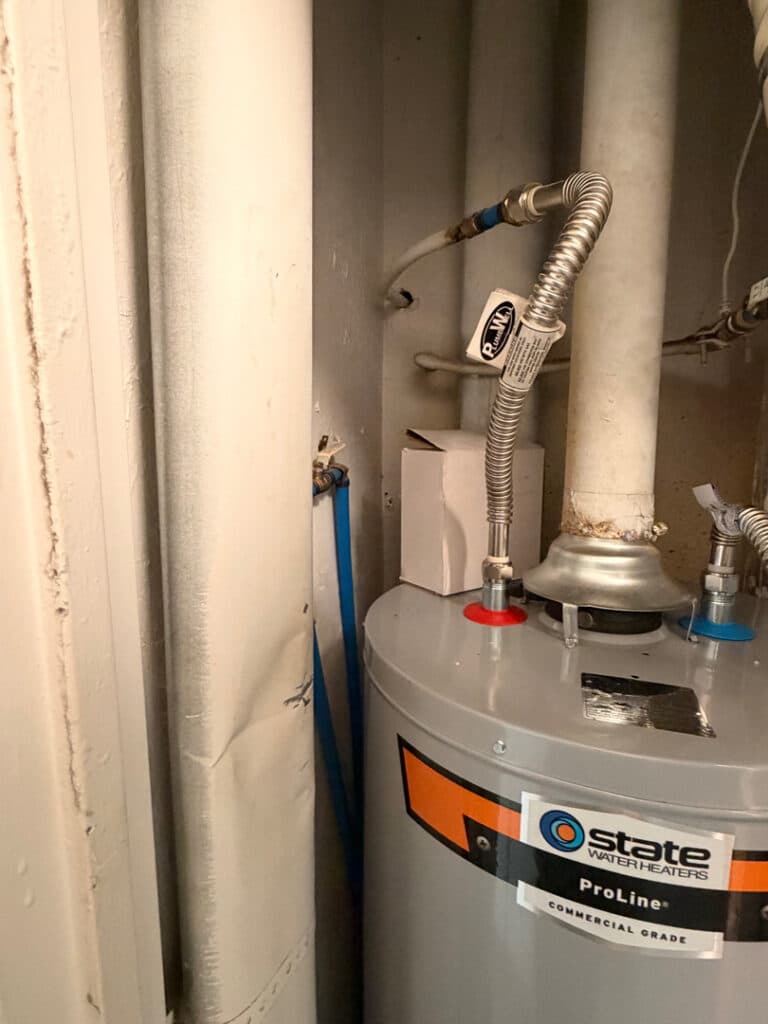
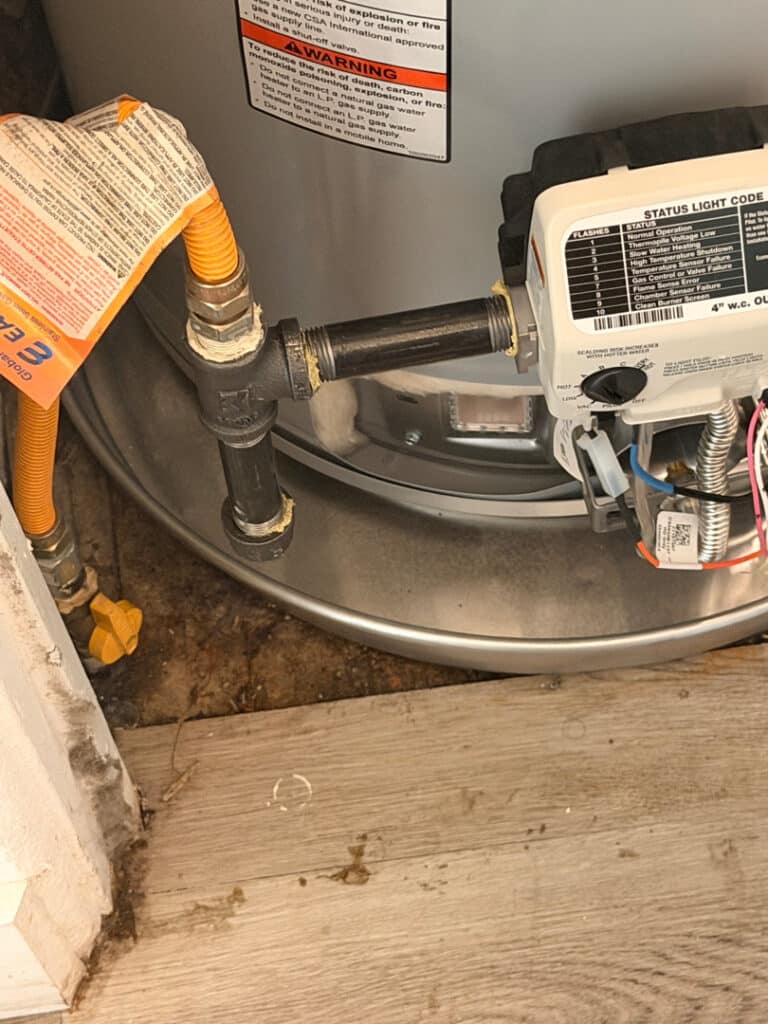
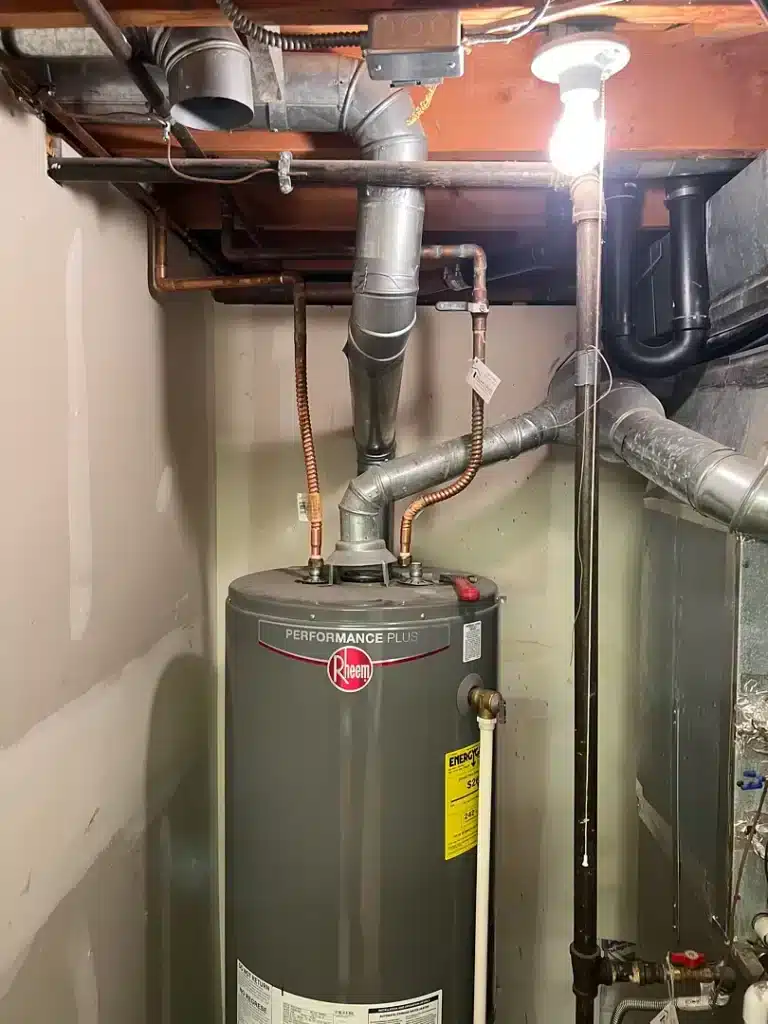
Fixed:Replace gas valve and stainless steel flex to the heater. Furnished and installed a thermal expansion tank and mounted it on the wall. Pressurized the tank to the incoming water pressure. Set heater in pan.
Outcome:Tested and working properly.
Replace water heater with new - Denver
Problem:Remove and replace water heater.
Found:Old water heater.
Fixed:Add new gas valve and new flex , new cold main water shut off with expansion tank, also set heater in pan.
Our approach to water heater service begins with thorough diagnostics rather than assumptions. We've learned that Denver's unique conditions require investigation beyond surface symptoms – what appears as a simple thermostat issue might actually stem from altitude-related combustion problems or sediment accumulation affecting heat transfer.
Our Water Heater Service Process
Initial assessment and safety check – We examine the unit's age, condition, installation quality, and any immediate safety concerns including gas leaks, venting issues, or electrical hazards
Diagnostic testing – Using specialized equipment, we measure water temperature at multiple points, check pressure relief valve function, assess combustion efficiency, and inspect anode rod condition
Problem identification and explanation – We explain what we've found in plain language, showing you the issue when possible and discussing how it developed
Solution presentation – We outline repair options versus replacement considerations, helping you understand the cost-benefit analysis for your specific situation
Service execution – Whether repairing components, flushing sediment, or installing a new unit, we complete work according to Denver building codes and manufacturer specifications
Testing and verification – Before leaving, we verify proper operation, check for leaks, confirm temperature settings, and test safety controls
Techniques and Methods We Employ
Combustion analysis for gas water heaters to verify safe, efficient operation at Denver's altitude
Sediment flushing and tank inspection using specialized equipment
Anode rod inspection and replacement to extend tank life
Thermal expansion tank installation for closed-loop systems
Proper venting assessment and correction for gas units
Element testing and replacement for electric water heaters
Tankless system descaling and maintenance
Communication remains central to our service approach. We provide updates throughout the process, answer questions thoroughly, and leave you with documentation of work performed plus maintenance recommendations specific to your equipment and Denver's water conditions.
Why Choose Cardom Plumbing & Heating
Cardom Plumbing & Heating brings licensed, insured technicians to every water heater service call – professionals who understand both the technical requirements and the practical realities of Denver plumbing. Our team holds current certifications for gas line work, which proves particularly relevant for water heater service where improper gas connections create serious safety hazards.
We've built our reputation serving Denver neighborhoods from Highlands to Cherry Creek, developing familiarity with the housing stock, common installation configurations, and recurring issues specific to different areas. This local knowledge means faster diagnosis and more effective solutions – we recognize patterns that might puzzle technicians unfamiliar with Denver's conditions.
What Sets Us Apart
Responsive scheduling – We understand that water heater failures don't wait for convenient timing and prioritize urgent situations accordingly
Transparent communication – No surprises on billing, no pressure tactics, just honest assessment and clear options
Quality-focused installation – We install water heaters to exceed code requirements, using proper materials and techniques that extend equipment life
Follow-up commitment – We stand behind our work and remain available for questions after service completion
Modern diagnostic equipment – Digital combustion analyzers, thermal imaging, and pressure testing tools help us identify problems accurately
Our approach emphasizes long-term solutions over quick fixes. When a water heater needs replacement, we help you select appropriately sized equipment for your household's demands and Denver's conditions – not oversized units that waste energy or undersized systems that can't keep up with your needs.
Housing Characteristics & Water Heater Considerations
Denver's housing stock spans more than a century of construction styles, each presenting distinct water heater considerations. Victorian-era homes in Curtis Park and Five Points often feature original plumbing configurations that complicate modern water heater installation, including undersized gas lines, inadequate venting pathways, and limited basement access.
Housing Types and Water Heater Implications
Pre-1940 bungalows and Victorians – Frequently have water heaters tucked into tight spaces with challenging venting requirements; may need gas line upgrades for modern high-efficiency units
1950s-1970s ranch homes – Often feature original or once-replaced water heaters in unfinished basements; common issues include outdated venting and thermal expansion concerns
1980s-1990s two-story homes – Typically have 40-50 gallon tanks that may be undersized for current family demands; often located in finished basements complicating replacement access
2000s and newer construction – Usually feature closed-loop plumbing systems requiring expansion tanks; may have power-vented or tankless units with specific maintenance needs
Condominiums and townhomes – Space constraints often dictate tankless or compact tank options; shared walls create noise considerations for water heater selection
Neighborhood-Specific Patterns
Certain Denver neighborhoods show consistent water heater patterns based on their development era:
Washington Park and Congress Park – Mix of 1920s-1940s homes where basement water heaters often face venting challenges through multiple floors
Stapleton/Central Park – Newer construction with energy-efficient requirements but sometimes undersized equipment for larger homes
Highlands and LoHi – Renovated older homes where plumbing upgrades may not have addressed water heater capacity needs
Green Valley Ranch and Montbello – 1980s-2000s construction where original water heaters are reaching end of service life
Understanding your home's age and construction helps us anticipate challenges and recommend appropriate water heater solutions. A 1920s brick bungalow requires different considerations than a 2015 townhome – from venting options to capacity calculations to installation logistics.
Environmental Conditions & Water Heater Implications
Denver's semi-arid climate and Rocky Mountain geography create environmental conditions that directly impact water heater performance and longevity. Understanding these factors helps homeowners recognize why their equipment may behave differently than expected and why local expertise matters for service decisions.
Water Quality Characteristics
Denver Water sources its supply primarily from mountain watersheds, treating it at facilities before distribution throughout the metro area. The resulting water quality includes:
Moderate hardness levels – Typically 50-150 mg/L calcium carbonate, contributing to scale buildup inside tanks and on heating elements
Low to moderate total dissolved solids – Generally good quality but still sufficient to cause sediment accumulation over time
Seasonal variations – Spring snowmelt can temporarily affect mineral content and water characteristics
Chlorine treatment – Residual chlorine can accelerate anode rod consumption, reducing tank protection
These water quality factors mean Denver water heaters typically require more frequent flushing and anode rod inspection than units in areas with softer water. Neglecting this maintenance accelerates tank corrosion and reduces equipment lifespan.
Climate and Altitude Effects
Cold incoming water temperatures – Winter groundwater temperatures in Denver can drop to 38-42°F, requiring water heaters to raise temperatures by 80+ degrees to reach standard settings
Altitude combustion adjustments – At 5,280 feet, gas appliances require approximately 4% derating per 1,000 feet above sea level; many water heaters need altitude-specific orifices
Dry air conditions – Low humidity can affect electronic controls and contribute to dust accumulation around burner assemblies
Rapid temperature swings – Denver's famous temperature fluctuations – sometimes 40+ degrees in a single day – stress tank materials and connections
Basement and Installation Environment Factors
Most Denver water heaters reside in basements, where conditions vary significantly:
Unfinished basements expose units to temperature extremes and dust
Older homes may have drainage issues affecting installation areas
Radon mitigation systems can affect venting configurations for gas units
Sump pump presence indicates potential flooding risk requiring elevated installation or drain pan provisions
Denver Water Quality Data & Water Heater Impact
Denver Water publishes annual water quality reports that provide valuable insight into conditions affecting residential water heaters throughout the metro area. According to recent reports, Denver's water hardness averages around 70-90 mg/L as calcium carbonate – classified as moderately hard. While this falls below levels that typically require whole-house softening, it remains sufficient to cause meaningful scale accumulation inside water heater tanks over time.
Key Water Quality Statistics
Average hardness – 70-90 mg/L CaCO3, varying seasonally with source water conditions
pH levels – Typically 7.0-8.5, slightly alkaline which can affect corrosion rates
Total dissolved solids – Generally 100-200 mg/L, contributing to sediment formation
Chlorine residual – Maintained at 0.2-1.0 mg/L for disinfection, which accelerates anode rod degradation
Temperature at main – Ranges from approximately 38°F in winter to 65°F in summer
The practical impact of these water quality characteristics on Denver water heaters includes accelerated sediment buildup requiring annual flushing for optimal performance, anode rod consumption rates approximately 20-30% faster than in soft-water areas, and scale formation on electric heating elements that reduces efficiency and shortens element life. Homeowners who neglect maintenance may see water heater lifespans reduced by 3-5 years compared to properly maintained units.
How This Data Guides Our Service
Understanding Denver's specific water chemistry allows Cardom Plumbing & Heating to provide targeted recommendations:
We recommend annual sediment flushing rather than the every-few-years approach sufficient in soft-water areas
Anode rod inspection every 2-3 years helps catch depletion before tank corrosion begins
For tankless units, we recommend descaling every 12-18 months based on local mineral content
Water heater selection considers local conditions – units with larger anode rods or powered anode options may provide better long-term value
This data-driven approach means service recommendations based on Denver's actual conditions rather than generic manufacturer guidelines designed for average national water quality.
Common signs include inconsistent water temperature, strange noises coming from the unit, water discoloration, or leaks around the base of the heater. If you notice any of these issues, it's best to contact a professional for an inspection.
It's recommended to have your water heater serviced at least once a year. Regular maintenance can help extend its lifespan, improve efficiency, and prevent unexpected breakdowns.
The average lifespan of a traditional tank water heater is about 10 to 15 years, while tankless models can last up to 20 years or more with proper maintenance. Factors like water quality and usage can affect longevity.
Tank water heaters are typically less expensive to install and can provide a large volume of hot water at once. Tankless water heaters offer on-demand hot water and can be more energy-efficient, but they may have a higher upfront cost.
You can improve efficiency by regularly flushing the tank to remove sediment buildup, insulating the tank and pipes, and setting the thermostat to 120°F. These steps can help reduce energy costs and improve performance.
Consider the size of your household, your hot water usage, energy efficiency ratings, and the type of fuel available in your area. It's also important to think about local climate conditions, as they can affect performance.
You can find reliable water heater services by searching online for local plumbing companies, checking customer reviews, and asking for recommendations from friends or family. Always ensure the service provider is licensed and insured.