
Recent Posts
Categories
The Benefits of Routine Drain Cleaning for Denver Businesses
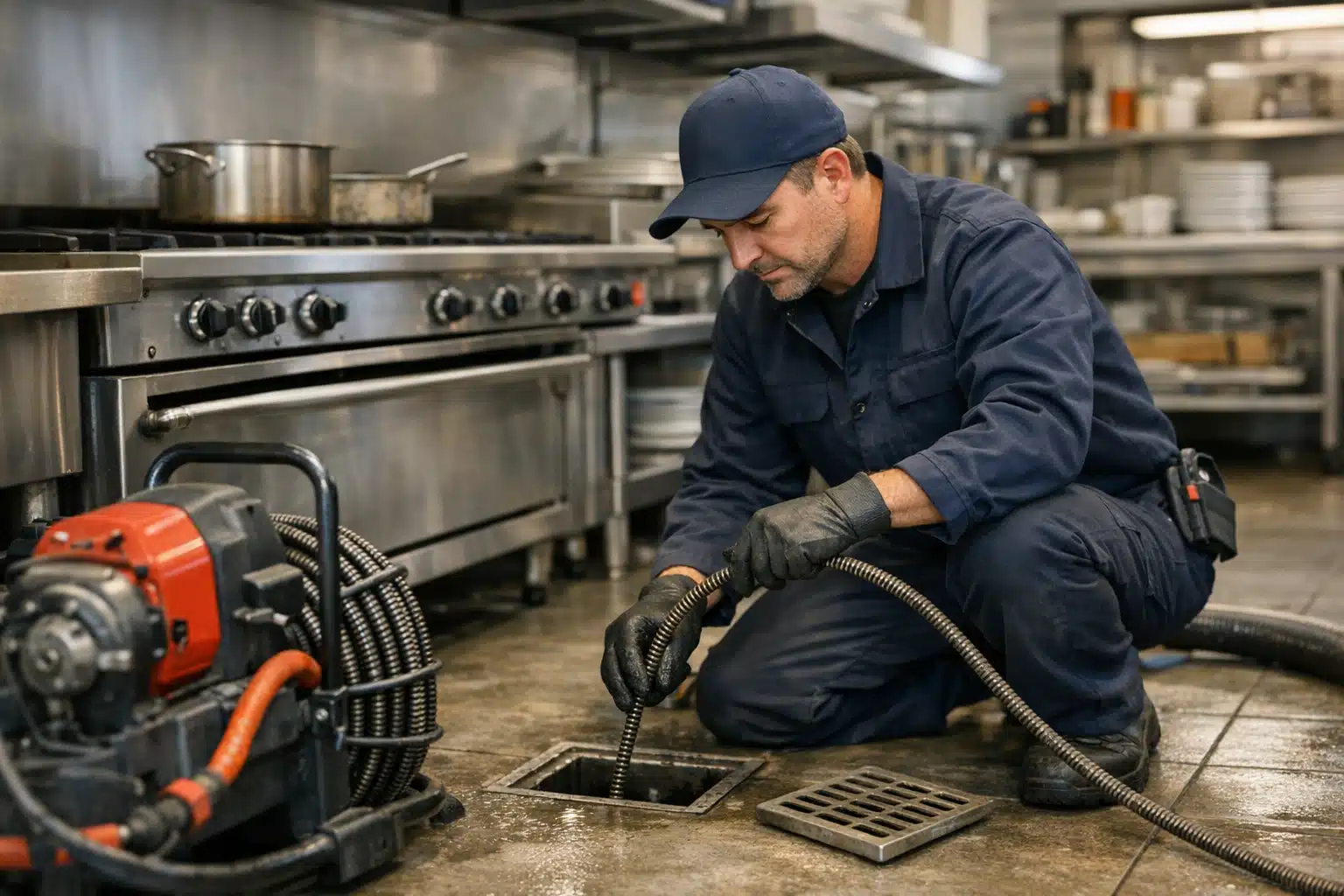
Routine drain cleaning helps Denver-area businesses avoid costly closures, health code violations, and emergency repair bills. Scheduled maintenance catches problems during slow hours and keeps operations running smoothly.
- Commercial drain cleaning frequency varies by business type - restaurants need service every 1-3 months while office buildings may only need it every 6-12 months. Denver's hard water and local conditions like root intrusion create recurring issues.
- Costs range from $150-$400 for standard snaking to $400-$1,200 for hydro jetting. Maintenance plans offer discounted rates and predictable budgeting for businesses.
- Seasonal timing matters in Colorado - fall service prevents freeze-related backups while spring inspections catch root growth and winter buildup. Warning signs include slow drains, gurgling sounds, and sewer odors.
Routine drain cleaning helps commercial properties avoid unexpected closures and service disruptions caused by clogged drains. Regular maintenance keeps operations running smoothly, reduces emergency plumbing calls, and lowers overall repair costs. For businesses like restaurants and retail spaces, scheduled drain cleaning protects revenue by preventing backups during peak hours.
A clogged floor drain in a busy Denver restaurant kitchen can shut down service during the dinner rush. For commercial property owners, routine drain cleaning keeps operations moving and prevents costly closures. The payoff for Denver businesses shows up in fewer emergencies and lower repair bills.
This article covers what commercial drain maintenance includes, how much it costs, and why the schedule matters for Front Range businesses. You will find local seasonal factors that affect Arvada and Denver commercial buildings.
What Routine Drain Cleaning Means for Commercial Properties
Routine drain cleaning is scheduled removal of buildup inside pipes before it blocks flow. For businesses, it covers kitchen lines, floor drains, restrooms, and main sewer lines.
A restaurant drain carries grease, food solids, and soap. A salon drain handles hair and chemical products. Each commercial setting builds up different debris at different rates.
How Commercial Needs Differ From Homes
A home kitchen drain sees a few meals a day. A Wheat Ridge diner may run hundreds of plates per shift. That volume demands a tighter cleaning schedule.
- Restaurants: Grease traps and kitchen lines every 1-3 months
- Office buildings: Restroom and main lines every 6-12 months
- Salons and spas: Hair and product lines every 3-6 months
- Medical and dental offices: Specialized lines per code requirements
Why Denver Businesses Benefit From a Set Schedule
A blocked drain mid-shift costs more than the repair itself. Lost revenue, health inspection risk, and property damage stack up fast.
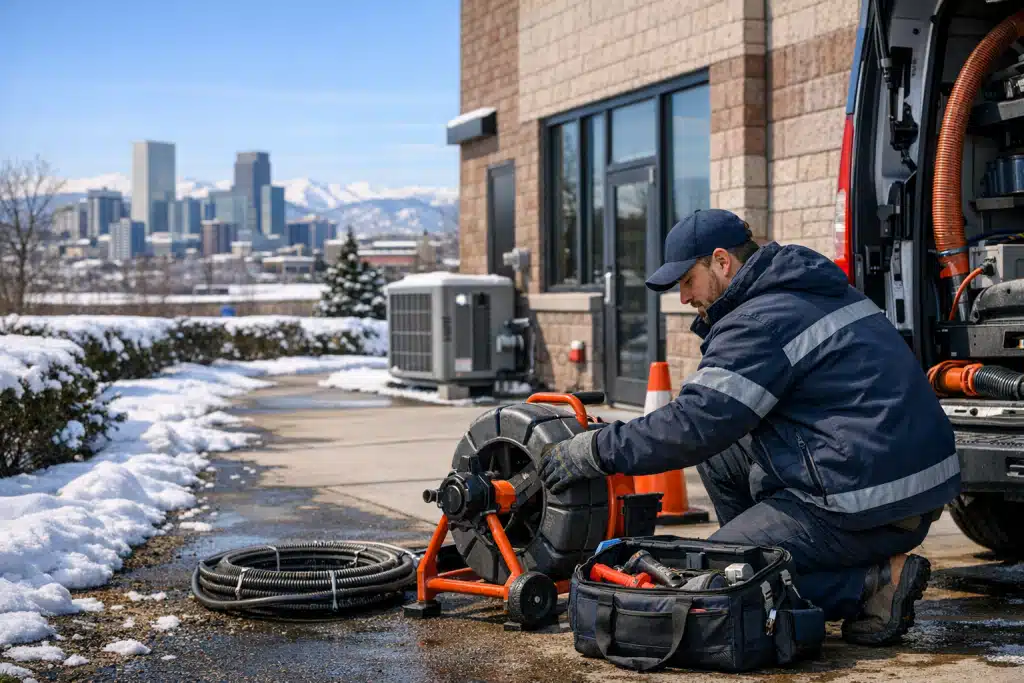
Scheduled maintenance catches problems during slow hours. A technician clears the line before Friday night, not during it.
Protecting Against Health Code Violations
Denver County health inspectors check grease traps and drainage during food establishment reviews. A backed-up floor drain can fail an inspection outright.
Regular cleaning keeps records in order and drains clear. That matters when an inspector walks into your Arvada or Denver kitchen unannounced.
Reducing Emergency Call Costs
Emergency drain service runs higher than scheduled visits. After-hours rates, rush fees, and overtime add up for commercial jobs.
A maintenance plan locks in predictable pricing. Businesses budget the cost instead of absorbing surprise bills.
5 Common Drain Problems in Denver-Area Commercial Buildings
Front Range businesses face recurring drain issues tied to local conditions and building age. Here are the ones our crews see most.
- Grease buildup in kitchen lines. Hardened grease narrows pipes and traps food debris.
- Hard water scale. Denver’s mineral-heavy water leaves deposits that shrink pipe diameter over time.
- Root intrusion in older sewer lines. Mature trees near older Arvada and Wheat Ridge buildings send roots into clay pipes.
- Floor drain odors. Dry traps and sediment buildup release sewer gas into dining and retail spaces.
- Winter freeze backups. Slow drains freeze faster when cold air hits standing water in exterior lines.
How Colorado Hard Water Affects Commercial Drains
Denver-area water carries high calcium and magnesium levels. Over years, scale coats the inside of drain and supply lines.
Scale catches grease and solids that would otherwise pass. A pipe that looks clear from the opening may be half-blocked inside.
What Commercial Drain Cleaning Costs in the Denver Area
Pricing depends on line size, length, and the method used. Below are typical ranges for Front Range commercial work.
- Standard drain snaking: $150-$400 per line
- Grease trap cleaning: $200-$600 depending on size
- Hydro jetting: $400-$1,200 for heavy buildup
- Camera inspection: $150-$350, sometimes waived with service
- Maintenance plans: Discounted per-visit rates with scheduled contracts
Hydro jetting costs more upfront but clears scale and grease that snaking misses. For a busy kitchen, it extends the time between service calls.
When Hydro Jetting Beats Snaking
Snaking punches a hole in a clog. Hydro jetting scours the full pipe wall with high-pressure water.
For grease-heavy restaurant lines, jetting removes the coating that snaking leaves behind. That means fewer repeat backups during peak season.
Seasonal Drain Care for Front Range Businesses
Colorado weather shifts fast. A warm October afternoon can drop below freezing overnight. Drain maintenance timing should match the season.
Fall: Prep Before the Freeze
Clear slow drains before cold weather sets in. Standing water in a sluggish line freezes and expands.
Schedule grease trap service in early fall. Grease thickens in cold pipes and clogs faster.
Spring: Clear Winter Buildup
Snowmelt and roof runoff load storm drains and exterior lines. Check main sewer lines after the thaw.
Tree roots grow fastest in spring. Older Arvada properties with mature landscaping should get a camera inspection.

 Posted on Google
How a Maintenance Plan Works for Local Businesses
A plan sets a cleaning schedule based on your building’s traffic and drain type. We track your last service and flag the next one.
Each visit includes line clearing and a quick condition check. Small issues get caught before they close your doors.
- Scheduled visits timed to your slow hours
- Priority response if an emergency comes up between visits
- Service records ready for health inspectors
- Predictable costs built into your operating budget
Why Local Response Time Matters
Our crews work across Arvada, Denver, Wheat Ridge, Broomfield, and Westminster. Short drive times mean faster arrival when a line backs up.
A local team knows which neighborhoods have older clay sewer pipes. That knowledge speeds up diagnosis on the first visit.
Signs Your Commercial Drains Need Attention Now
Waiting for a full backup costs more than acting early. Watch for these warning signs in your building.
- Water draining slower than usual at sinks or floor drains
- Gurgling sounds from drains or toilets
- Sewer or musty odors near drain openings
- Recurring clogs in the same fixture
- Water pooling around floor drains during busy periods
Any one of these points to buildup inside the line. Catching it early keeps a minor clean from becoming a sewer backup.
Conclusion
Routine drain cleaning protects Denver businesses from lost revenue, health code failures, and emergency repair costs. A scheduled plan matched to your building’s traffic keeps lines clear year-round. Local crews with short response times make the difference when a problem starts.
Keep your Arvada or Denver business running without drain surprises. Call or text Cardom Plumbing & Heating at 720‑775‑8322, email tomd@cardomcolorado.com, or visit https://www.cardomcolorado.com to set up a commercial maintenance schedule.


