
Recent Posts
Categories
Identifying Early Signs of Sewer Line Issues in Broomfield

Early sewer line issues in Broomfield homes appear as slow drains, gurgling toilets, sewage odors, and seasonal backups. Broomfield's mix of older clay pipes, expansive clay soil, and freeze-thaw cycles makes early detection especially valuable for homeowners.
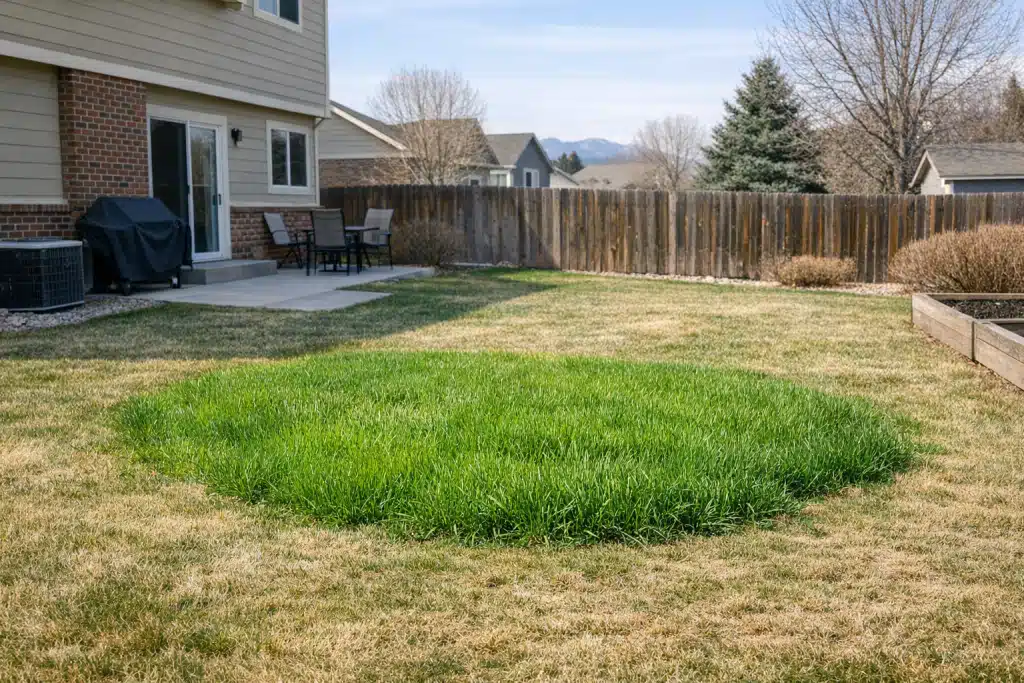
- Multiple fixtures backing up together signals a main line problem rather than a local clog. Common warning signs include gurgling toilets, yard odors, greener grass patches above the sewer line, and water pooling near floor drains.
- Homes built before 1985 often have clay pipes prone to root intrusion from mature trees. Front Range bentonite soil swells and shrinks seasonally, cracking rigid pipes and separating joints over time.
- A camera inspection costs $150 to $400 and pinpoints damage location without digging. Early detection keeps repairs in lower cost ranges compared to emergency excavation, which can exceed $20,000.
Early signs of sewer line problems include gurgling toilets, slow drains throughout the house, sewage odors near floor drains, and wet spots in the yard above pipe lines. Broomfield homes with older clay pipes may also experience frequent backups or notice tree root intrusion symptoms. Recognizing these warning signs quickly can prevent costly excavation and restoration repairs.
A gurgling toilet at 6 a.m. in a Broomfield home usually means one thing: trouble below ground. Catching sewer line issues early saves thousands in excavation and restoration costs. Broomfield’s mix of older clay pipes and newer PVC lines creates specific warning patterns homeowners should know.
This post breaks down the exact signals that point to a failing sewer line. You will learn what to watch for, why Broomfield’s soil and infrastructure matter, and when to call for help.
How Do You Recognize Sewer Problems Early?
Early sewer trouble shows up as slow drains, bad odors, and unusual sounds. These appear weeks or months before a full backup happens. Spotting them early keeps repairs small and affordable.
A sewer line is the single pipe carrying all wastewater from your home to the city main or septic system. When it cracks, clogs, or sags, every drain in the house feels the effect at once.
The Clearest Broomfield Signs to Watch For
Certain symptoms point straight at the main sewer line rather than a single fixture. Multiple fixtures acting up together is the biggest tell.
- Multiple slow drains — sinks, tubs, and toilets backing up at the same time
- Gurgling toilets when you run a washing machine or shower
- Sewage odor in the yard, basement, or near floor drains
- Water pooling around the lowest drain in the home
- Patches of greener grass above the sewer line’s path
- Foundation cracks or shifting near the pipe route
One gurgling fixture points to a local clog. Several at once points to the main line. That distinction matters for how fast you act.
Why Broomfield’s Infrastructure Creates Specific Sewer Line Issues
Broomfield grew across several eras of construction, and the pipe materials show it. Homes built before the 1980s frequently run clay or cast iron sewer lines. Newer subdivisions use PVC, which resists roots but still shifts in expansive soil.
Clay Pipes in Older Neighborhoods
Clay pipe joints attract tree roots that squeeze into tiny gaps. Mature cottonwoods and silver maples common across Broomfield send roots deep for moisture. A single root intrusion can block half the pipe in a few seasons.
If your home predates 1985 and sits near large trees, root intrusion is the likely culprit behind recurring backups.
Expansive Clay Soil Along the Front Range
Front Range bentonite clay swells when wet and shrinks when dry. This movement cracks rigid pipes and pulls apart joints over time. Broomfield properties on reclaimed farmland sit on some of the most reactive soil in the metro area.
Seasonal freeze-thaw cycles add stress. A pipe that held fine all summer can separate after a hard January freeze.
Belly Formation in Settled Ground
A “belly” is a low spot where the pipe sags and holds standing water. Waste collects in the dip and hardens into blockages. Newer Broomfield homes on fill dirt are prone to bellies as the ground settles over the first decade.
Seasonal Sewer Warning Signs in Broomfield Homes
Colorado’s climate puts predictable stress on sewer lines at different times of year. Knowing the pattern helps you watch at the right moments.
- Spring: Snowmelt saturates clay soil, pushing roots toward pipe moisture and widening joint gaps.
- Summer: Dry spells send tree roots deeper into sewer lines hunting for water.
- Fall: Leaf and grease buildup from holiday cooking narrows aging pipes.
- Winter: Freeze-thaw movement separates joints and cracks rigid clay and cast iron.
Backups that return at the same time each year point to a structural problem, not a one-time clog.
What Early Detection Actually Looks Like
The most reliable way to confirm a sewer problem is a camera inspection. A plumber feeds a waterproof camera down the line to see cracks, roots, and bellies directly. No guessing, no unnecessary digging.
When to Schedule a Camera Inspection
- Before buying an older Broomfield home
- After two or more backups in a single year
- When you smell sewage but cannot find the source
- If drains slowed down after nearby construction or landscaping
A camera run costs far less than emergency excavation. It also pinpoints the exact depth and location of damage, which keeps repair work targeted.
Repair Cost Expectations for Broomfield Homeowners
Costs depend on the damage type, pipe depth, and whether the city main or lateral is involved. Here is a realistic range for local repairs.
- Camera inspection: $150–$400, sometimes credited toward repair
- Drain cleaning or root cutting: $200–$600
- Spot repair of a single joint: $1,500–$4,000
- Trenchless pipe lining: $4,000–$12,000 depending on length
- Full line excavation and replacement: $7,000–$20,000+
Early detection usually keeps you in the lower cost brackets. A root cut handled this spring beats a full dig next winter.
Trenchless Repair and Broomfield Yards
Trenchless lining restores a pipe without tearing up your lawn or driveway. For Broomfield homes with mature landscaping or concrete work, this method avoids costly surface restoration. It works best when the existing pipe keeps its shape and has no major collapse.

 Posted on Google
Prevention Tips That Work on Front Range Properties
You cannot stop soil movement, but you can lower your risk. Small habits keep lines clear between inspections.
- Never pour grease down the drain — it hardens in cold pipes fast
- Keep “flushable” wipes out of the toilet; they snag on root intrusions
- Plant trees well away from the known sewer line path
- Schedule a camera inspection every three to five years on older homes
- Run a root treatment on clay lines before spring snowmelt
Property managers overseeing multiple Broomfield units benefit from annual inspections. One failed line in a rental can displace tenants and trigger water damage claims.
What to Do the Moment You Suspect a Problem
Acting fast limits damage and cost. Follow these steps when backups or odors appear.
- Stop running water in all fixtures to prevent overflow.
- Avoid flushing toilets until the line is checked.
- Note which fixtures are affected and any pattern to the timing.
- Call a plumber for a camera inspection before it worsens.
Documenting the symptoms helps your plumber locate the issue faster. Timing details often reveal whether roots, bellies, or freeze damage is to blame.
Conclusion
Early sewer line issues show up as slow drains, gurgling toilets, yard odors, and seasonal backups. Broomfield’s clay soil, aging pipes, and freeze-thaw cycles make early detection worth the effort. A quick camera inspection today keeps a small repair from becoming a full excavation.
If you spotted any warning signs in your Broomfield home, reach out to Cardom Plumbing & Heating. Call or text us at 720‑775‑8322, email tomd@cardomcolorado.com, or visit https://www.cardomcolorado.com to schedule a sewer inspection.
Sources
- U.S. Environmental Protection Agency – How to Care for Your Septic System
- Colorado Geological Survey – Expansive and Swelling Soils
- City and County of Broomfield – Public Works


