
Recent Posts
Categories
Colorado Winter Plumbing: Essential Tips for Arvada Homeowners
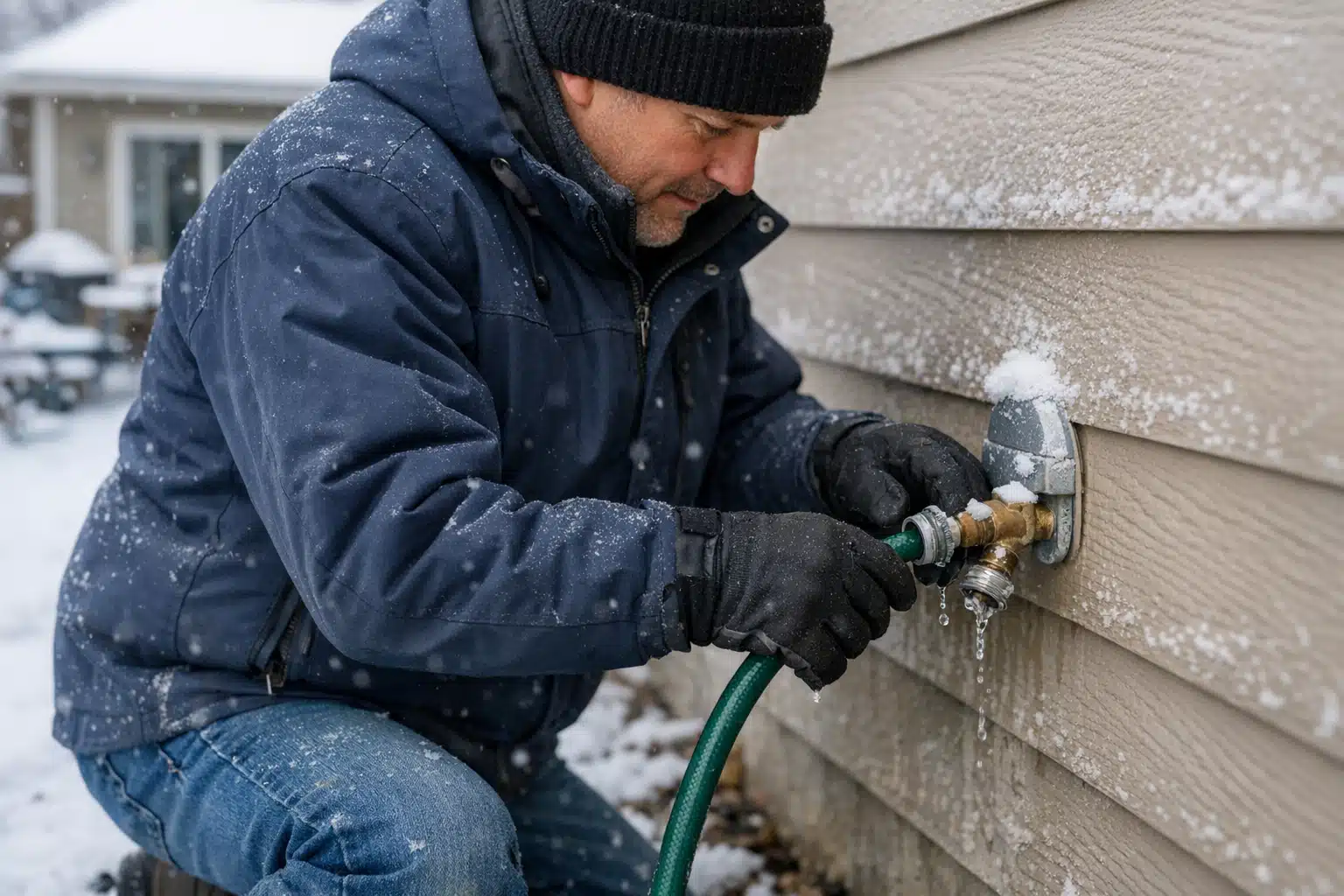
Arvada homeowners face unique winter plumbing challenges due to the area's high elevation, dry air, and rapid freeze-thaw cycles that stress pipes more than steady cold weather would.
- Disconnect garden hoses, insulate exposed pipes in crawl spaces and garages, and let faucets drip on cold nights to prevent frozen pipes. Pipes in unheated spaces like garage walls and crawl spaces freeze first.
- Water heaters work harder in winter and should be flushed each fall and set to 120°F. Warning signs include lukewarm water, rumbling sounds, rust, or units older than 10 to 12 years.
- Know your main water shutoff location before emergencies occur. A burst pipe can release hundreds of gallons per hour, and quick action limits damage significantly.
Prepare for rapid temperature swings by insulating exposed pipes in unheated areas like garages, crawl spaces, and exterior walls. Let faucets drip during extreme cold snaps, open cabinet doors to allow warm air circulation, and disconnect outdoor hoses before freezing weather arrives. These steps help prevent costly burst pipes when temperatures drop suddenly from mild to single digits.
When an Arvada cold snap drops temperatures from 50°F to single digits in one afternoon, your pipes feel it first. That rapid swing is what causes most frozen pipe calls along the Front Range. These winter plumbing tips will help you prepare your home before the next freeze hits.
Arvada homeowners face plumbing problems that differ from warmer climates. Our high elevation, dry air, and wild temperature swings create specific risks. This how-to walks you from outdoor spigots to water heaters, step by step.
Why Arvada Winters Are Hard on Plumbing
Arvada sits at roughly 5,300 feet with a semi-arid climate. Winter nights routinely dip below freezing, then daytime sun warms things up fast.
That freeze-thaw cycle stresses pipe joints more than a steady deep freeze would. Homes built before the 1990s often have uninsulated pipes running along exterior walls and crawl spaces.
Chinook winds add another twist. A warm wind can melt snow quickly, then an overnight drop refreezes standing water in gutters and foundation lines.
Winter Plumbing Tips to Prevent Frozen Pipes
Frozen pipes are the most common emergency we handle in Arvada between December and February. A frozen pipe is one where water inside has expanded into ice, blocking flow and risking a burst.
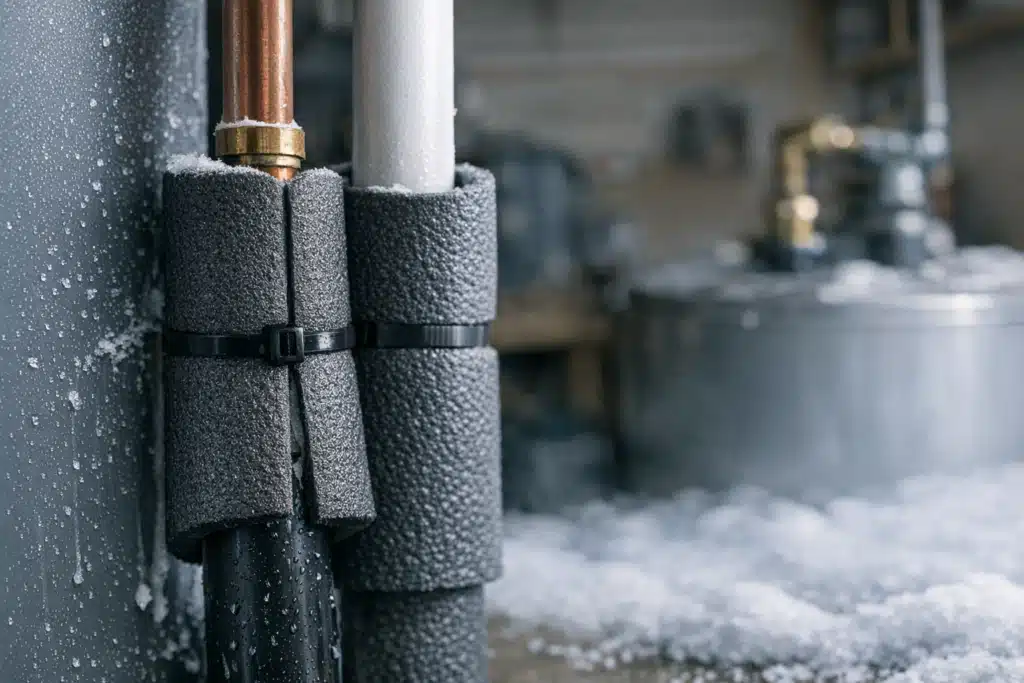
Follow these steps to protect your plumbing before temperatures fall:
- Disconnect garden hoses from every outdoor spigot. A connected hose traps water that freezes back into the wall.
- Shut off and drain outdoor faucet lines if your home has interior shutoff valves for them.
- Insulate exposed pipes in crawl spaces, garages, and along north-facing walls with foam sleeves.
- Open cabinet doors under kitchen and bathroom sinks during deep cold to let warm air reach the pipes.
- Let a faucet drip on the coldest nights. Moving water resists freezing far better than still water.
Which Pipes Freeze First in Arvada Homes
Pipes in unheated spaces fail first. Garage walls, crawl spaces, and exterior-facing kitchen walls top the list.
In many Arvada split-level homes, the lower-level bathroom shares a wall with the garage. That spot freezes before anything else in the house.
What to Do If a Pipe Freezes
Open the affected faucet first. This gives melting ice somewhere to go and relieves pressure.
Apply gentle heat with a hair dryer or heat tape, starting near the faucet. Never use an open flame or torch on any pipe.
If you find a frozen line you cannot reach, shut off your main water valve. Then call a plumber before the pipe bursts.
Protecting Your Water Heater Through Colorado Cold
Water heaters work harder in winter because incoming water is colder. A unit struggling in October will likely fail in January.
Warning signs you should not ignore:
- Water that never gets fully hot, or runs out faster than before
- Rumbling or popping sounds from sediment buildup
- Rusty water or moisture pooling at the base of the tank
- A unit older than 10 to 12 years
Flushing sediment from the tank each fall helps it run efficiently. Arvada’s moderately hard water speeds up sediment buildup inside the tank.
Setting the Right Temperature
Set your water heater to 120°F. That temperature prevents scalding and reduces strain during peak winter demand.
Insulating the first few feet of hot water pipe keeps heat from escaping fast. It also cuts your energy bill during the coldest months.
5 Common Winter Plumbing Emergencies in Arvada and Nearby Homes
Across Arvada, Wheat Ridge, and Westminster, the same handful of problems appear each winter. Knowing them helps you spot trouble early.
- Burst pipes from overnight freezes in crawl spaces and garages
- Water heater failure during the first hard cold stretch
- Frozen outdoor spigots that crack and leak inside the wall
- Sump pump failure when snowmelt overwhelms a basement
- Sewer line backups as ground shifts during freeze-thaw cycles
A burst pipe can release hundreds of gallons per hour. Shutting off your main water valve fast limits the damage every time.
Know Where Your Main Shutoff Is
Find your main water shutoff before an emergency happens. In most Arvada homes, it sits in the basement near the front foundation wall.
Tag it so everyone in the household can find it quickly. Minutes matter when water is spreading across a finished floor.
Outdoor and Seasonal Plumbing Prep
Outdoor plumbing takes the worst of Colorado weather. A frost-free hose bib helps, but it still needs a disconnected hose to work.
Before the first hard freeze, work down this checklist:
- Drain and store garden hoses indoors
- Insulate outdoor faucets with foam covers
- Blow out your sprinkler system before mid-October
- Clear gutters so snowmelt drains away from the foundation
- Check that window well drains are clear of leaves
Sprinkler winterization matters here because standing water in irrigation lines cracks valves and backflow units. A cracked backflow preventer is an expensive spring surprise.

 Posted on Google
What Winter Plumbing Repairs Cost in the Arvada Area
Costs vary with the problem and access, but local homeowners ask us for ballpark numbers often. Here are rough ranges for common winter work:
- Thawing a frozen pipe: $150 to $400, depending on location
- Repairing a burst pipe: $500 to $1,500 with cleanup not included
- Water heater replacement: $1,500 to $3,500 based on type and size
- Outdoor faucet repair: $150 to $350 per spigot
- Sump pump replacement: $400 to $900 installed
Prevention costs far less than any of these repairs. A $10 faucet cover can save you a $1,000 wall repair.
When to Call a Plumber Versus DIY
Some winter tasks are safe for homeowners. Disconnecting hoses, adding foam insulation, and dripping faucets need no special tools.
Call a plumber when you face any of the following:
- A pipe that froze and you cannot reach the frozen section
- Any visible water leak inside a wall or ceiling
- A water heater showing rust, leaks, or no hot water
- Sewer odors or slow drains across the whole house
Our team knows Arvada’s older neighborhoods and newer developments alike. That local knowledge speeds up diagnosis when every minute counts.
Quick Winter Readiness Checklist
Run this list each fall before the first hard freeze arrives:
- Disconnect and store all garden hoses
- Insulate exposed pipes and outdoor faucets
- Flush your water heater and set it to 120°F
- Locate and tag your main water shutoff
- Blow out your sprinkler system
- Test your sump pump before snowmelt season
Conclusion
Arvada’s freeze-thaw swings make winter the hardest season on home plumbing. Disconnecting hoses, insulating exposed pipes, and servicing your water heater prevent most emergencies before they start.
When a freeze catches you off guard, fast local help matters. Call or text Cardom Plumbing & Heating at 720‑775‑8322, email tomd@cardomcolorado.com, or visit https://www.cardomcolorado.com for service across Arvada and nearby Front Range communities.
Sources
- American Red Cross – Preventing and Thawing Frozen Pipes
- U.S. Department of Energy – Water Heating
- National Weather Service – Winter Weather Safety


