Broomfield homeowners are increasingly opting for tankless water heaters, which provide on-demand hot water and significant energy savings compared to traditional tanks. These systems require professional installation and maintenance to address local challenges such as altitude and water quality.
Tankless water heaters heat water directly, eliminating energy loss from standby heating. They can save homeowners 24-34% on energy bills when used efficiently.
Proper installation is crucial, as Broomfield's elevation affects gas combustion efficiency and cold groundwater temperatures impact performance.
Regular maintenance is necessary to prevent scale buildup and ensure optimal operation, extending the lifespan of the unit beyond 20 years.
What is a tankless water heater?
A tankless water heater is a modern system that heats water on demand, eliminating the need for a storage tank. This technology provides hot water instantly and continuously, which helps prevent energy loss associated with traditional water heaters. Homeowners in Broomfield, CO, are increasingly opting for this efficient solution.
Tankless Water Heater Services in Broomfield, CO
That morning rush when everyone needs hot water at once – and your traditional tank just can't keep up. Or maybe you've noticed your energy bills climbing while your water heater struggles to maintain consistent temperatures. Broomfield homeowners increasingly recognize that tankless water heater technology offers a smarter approach to hot water delivery, providing on-demand heating without the standby energy losses of conventional storage tanks.
A tankless water heater – also called an on-demand or instantaneous water heater – heats water directly as it flows through the unit rather than storing pre-heated water in a tank. When you turn on a hot water tap, cold water travels through a pipe into the unit where either a gas burner or electric element heats the water instantly. This eliminates the 20-30% energy loss that occurs when traditional tanks constantly maintain water temperature.
Professional installation and diagnosis matter significantly with tankless systems. These units require precise sizing calculations based on your household's peak demand, incoming water temperature, and flow rate requirements. Broomfield's high elevation – sitting at approximately 5,430 feet – affects combustion efficiency in gas models, while our cold groundwater temperatures during winter months demand properly rated units.
Continuous hot water supply without tank depletion during high-demand periods
Energy savings of 24-34% for homes using 41 gallons or less of hot water daily
Space-saving wall-mounted design freeing up valuable floor space
Extended lifespan of 20+ years compared to 10-15 years for traditional tanks
Common Tankless Water Heater Issues in Broomfield, CO
Broomfield's unique geographic and climatic conditions create specific challenges for tankless water heater performance. The city sits along the Front Range where cold air masses descend from the Rocky Mountains, causing rapid temperature swings that stress plumbing systems. Winter groundwater temperatures regularly drop into the low 40s, meaning tankless units must work harder to achieve desired output temperatures.
The municipal water supply in Broomfield comes from multiple sources including the Great Western Reservoir and Northern Colorado Water Conservancy District. This water carries moderate mineral content – particularly calcium and magnesium – that accumulates inside heat exchangers over time. Scale buildup reduces heating efficiency and can eventually cause system failures if left unaddressed through regular descaling maintenance.
Local Factors Affecting Tankless Performance
Altitude-related combustion issues – Gas tankless units require altitude adjustment for proper air-fuel mixture at 5,400+ feet elevation
Hard water mineral deposits – Broomfield's water hardness averaging 8-12 grains per gallon accelerates scale accumulation in heat exchangers
Cold inlet water temperatures – Winter groundwater temperatures of 38-45°F require higher BTU output to achieve comfortable temperatures
Freeze protection concerns – Exterior-mounted units or those in unheated spaces risk freeze damage during subzero cold snaps
Gas line capacity limitations – Older Broomfield homes may have undersized gas lines requiring upgrades for high-demand tankless units
Electrical requirements – Electric tankless models often need 200-amp service panels, which many homes built before 1990 lack
Warning Signs Requiring Professional Attention
Recognizing early symptoms prevents minor issues from becoming major repairs. Watch for these indicators:
Fluctuating water temperatures during single-fixture use
Error codes appearing on the digital display panel
Unusual noises – clicking, humming, or rumbling – during operation
Reduced hot water flow rate compared to initial installation
Delayed hot water delivery taking longer than usual
Visible mineral deposits around connections or venting
Our approach to tankless water heater services combines thorough assessment with precision installation and ongoing maintenance support. Every Broomfield home presents unique requirements based on household size, fixture count, and existing infrastructure.
Our Tankless Water Heater Process
Initial consultation and load analysis – We evaluate your household's hot water usage patterns, counting fixtures and appliances while discussing simultaneous use scenarios
Infrastructure assessment – Our technicians inspect existing gas lines, electrical service, venting pathways, and water supply connections to identify necessary upgrades
System sizing calculations – Using Broomfield's specific inlet water temperatures and your peak demand requirements, we determine the appropriate BTU rating or kilowatt capacity
Installation preparation – We coordinate any required permits, schedule gas line modifications if needed, and prepare the mounting location
Professional installation – Our licensed technicians install the unit following manufacturer specifications and local building codes
System commissioning and testing – We verify proper operation across multiple fixtures, check combustion efficiency, and calibrate temperature settings
Homeowner orientation – We walk you through system operation, maintenance requirements, and error code meanings
Diagnostic and Repair Techniques
When tankless systems malfunction, accurate diagnosis prevents unnecessary part replacements. Our technicians employ systematic troubleshooting methods:
Digital combustion analysis measuring gas pressure, flame characteristics, and exhaust composition
Flow rate testing at individual fixtures to identify restriction points
Heat exchanger inspection using borescope cameras when accessible
Electrical testing of sensors, igniters, and control boards
Water quality analysis to assess scale accumulation risk
Venting inspection for proper draft and condensation management
Maintenance Services
Annual maintenance extends system lifespan and maintains peak efficiency. Our maintenance protocol includes:
Descaling the heat exchanger using food-grade citric acid solution
Cleaning inlet water filters and checking flow sensors
Inspecting and cleaning burner assemblies on gas models
Verifying proper venting operation and checking for corrosion
Testing safety controls and documenting system performance
Why Choose Cardom Plumbing & Heating
Cardom Plumbing & Heating brings specialized tankless water heater expertise developed through years of serving Front Range communities. Our technicians hold manufacturer certifications from major brands including Rinnai, Navien, and Noritz – meaning we understand the specific requirements and common failure points of each system type. We maintain ongoing training relationships with manufacturers to stay current on evolving technology and diagnostic procedures.
Local knowledge matters when installing tankless systems. We understand Broomfield's building code requirements, work regularly with city inspectors, and know which permit processes apply to different installation scenarios. Our familiarity with common home construction styles throughout Broomfield – from 1960s ranch homes in the original town to newer construction in Interlocken and Broadlands – helps us anticipate infrastructure challenges before they become project delays.
Our Service Commitments
Responsive scheduling – Same-day diagnostic appointments available for system failures leaving you without hot water
Transparent communication – Detailed explanations of findings, options, and recommendations without pressure tactics
Workmanship accountability – We stand behind our installation and repair work with documented follow-up procedures
Clean job sites – Protective coverings, debris removal, and respectful treatment of your home throughout the project
Proper permitting – We handle required permits and inspections, maintaining compliance with Broomfield municipal codes
Our diagnostic approach utilizes current technology including digital manifold gauges for gas pressure analysis, thermal imaging for heat exchanger assessment, and manufacturer-specific diagnostic software. This investment in proper tools means accurate diagnosis the first time – reducing callbacks and getting your hot water restored efficiently.
Housing Characteristics & Tankless Water Heater Considerations
Broomfield's housing stock reflects several distinct development periods, each presenting unique considerations for tankless water heater installation. The original Broomfield townsite – developed primarily in the 1950s and 1960s – features smaller ranch-style homes with 3/4-inch gas lines that often require upsizing to support high-output tankless units. These homes typically have 100-150 amp electrical panels, limiting electric tankless options without service upgrades.
Housing Development Eras and Plumbing Implications
1950s-1970s original development – Galvanized steel supply lines, smaller gas service, basement mechanical rooms with good access for installation
1980s-1990s expansion – Copper supply piping, improved gas line sizing, utility closets that may require creative venting solutions
2000s-2010s Interlocken and Broadlands areas – PEX supply lines, adequate gas service, but often tight mechanical spaces in finished basements
Recent construction (2015-present) – Many homes pre-plumbed for tankless installation with proper gas line sizing and venting provisions
Multi-story homes common in newer Broomfield developments present specific considerations. Hot water delivery distance from a centrally located tankless unit to upper-floor bathrooms affects wait times and may warrant point-of-use supplemental units or recirculation systems. We evaluate these factors during initial consultation to recommend appropriate solutions.
Common Retrofit Challenges
Converting from tank to tankless involves more than simply swapping equipment. Typical requirements include:
Gas line upgrades from 1/2-inch to 3/4-inch or larger diameter
New venting installation – tankless units cannot use existing B-vent from conventional water heaters
Electrical circuit installation for powered venting and controls
Condensate drainage for high-efficiency condensing models
Water softener installation or upgrade to protect heat exchangers
Recent Work
Replace Water Heater with Same Size - Broomfield
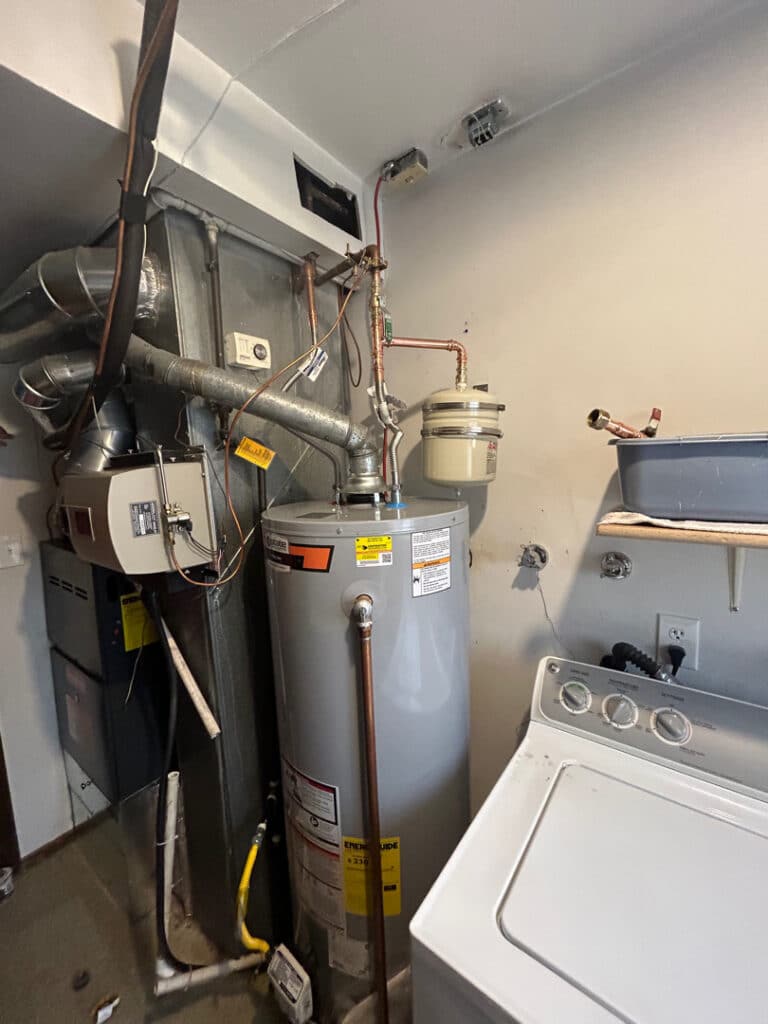
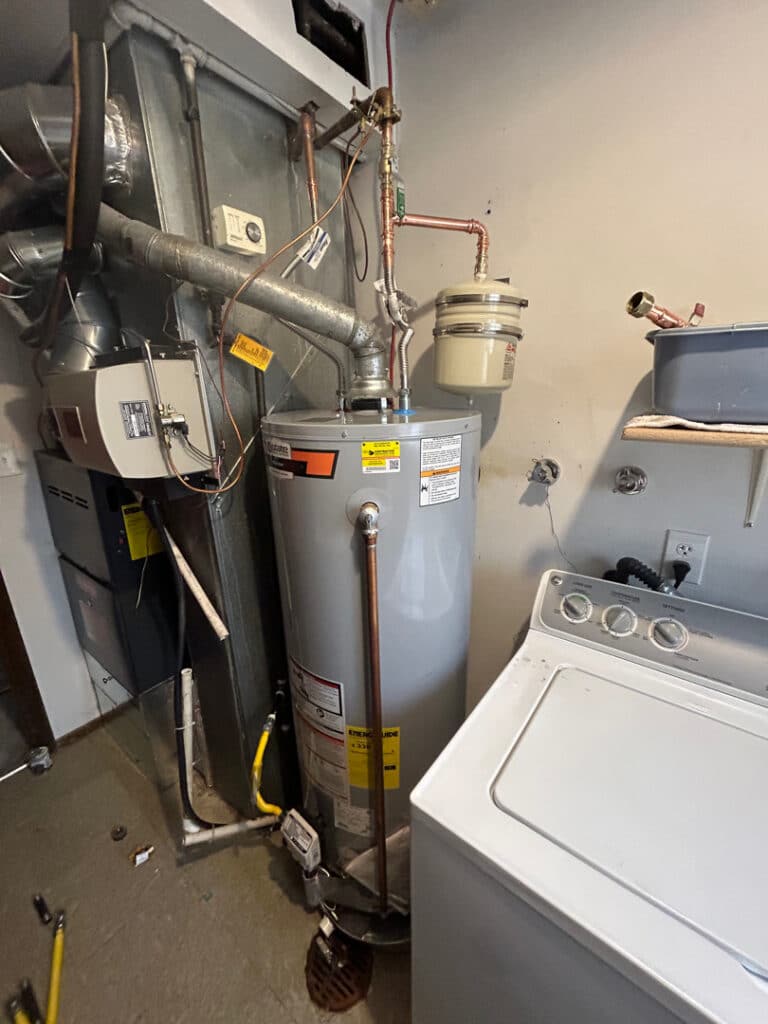
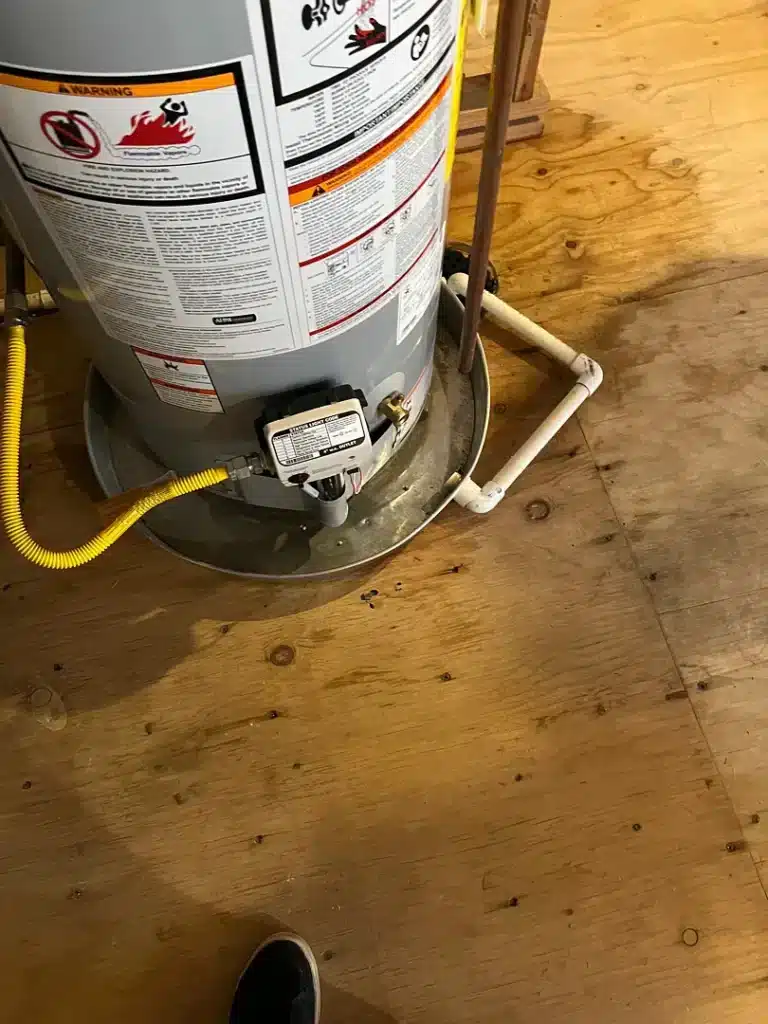
Problem:Replaced old 50 gallon water heater with a new 50 gallon state water heater.
Found:Added a expansion tank and 2 new flex lines. Also added a new gas flex and a drip leg to the gas line.
Fixed:I tightened up the packing nut and it stopped leaking.
Outcome:Tested for leaks and found no leaks.
Replace Water Heater - Broomfield
Problem:Replace 20 year old water heater
Found:Old water heater
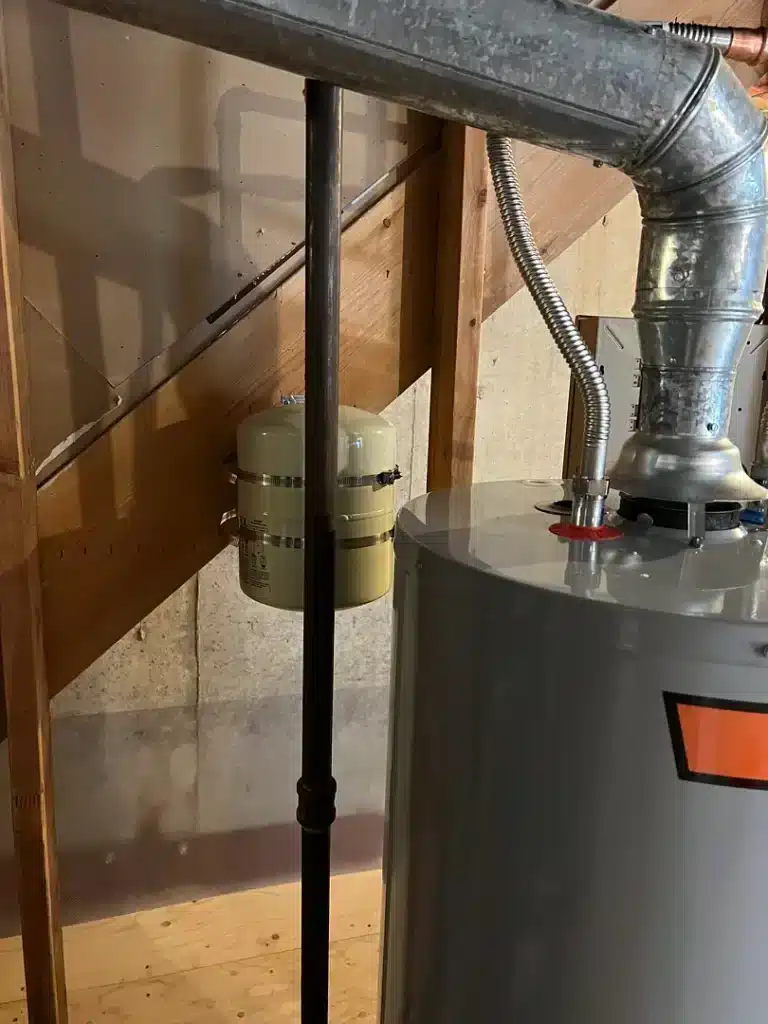
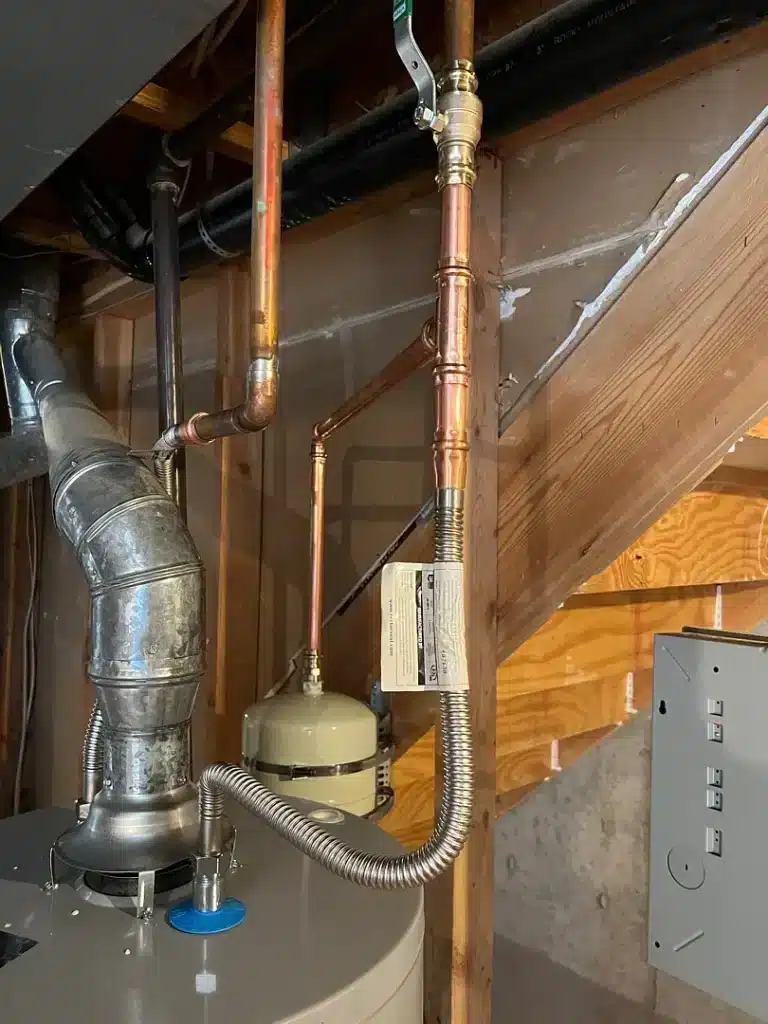
Fixed:Replace 40 gal water heater add expansion tank, new ball valve and new gas valve with flex
Environmental Conditions & Tankless Water Heater Implications
Broomfield's semi-arid climate and Front Range location create environmental factors directly affecting tankless water heater selection, installation, and maintenance requirements. Understanding these conditions helps homeowners make informed decisions and maintain optimal system performance.
Water Quality Characteristics
The City and County of Broomfield sources water from multiple supplies including surface water from the Great Western Reservoir and treated supplies from the Northern Colorado Water Conservancy District. Annual water quality reports indicate:
Total hardness ranging from 120-180 mg/L (moderately hard to hard)
pH levels between 7.2-8.2 – slightly alkaline
Total dissolved solids averaging 200-350 mg/L
Chlorine residual maintained for distribution system disinfection
These water quality characteristics accelerate mineral scale formation inside tankless heat exchangers. Without regular descaling – typically recommended annually in Broomfield – efficiency degrades and component lifespan shortens. Homes with water hardness exceeding 11 grains per gallon benefit significantly from water softener installation upstream of tankless units.
Climate Impacts on System Performance
Broomfield experiences significant seasonal temperature variation affecting tankless operation:
Winter considerations – Inlet water temperatures drop to 38-45°F, requiring units sized for 70°F+ temperature rise to achieve 110°F output
Freeze protection – Units installed in garages, crawl spaces, or exterior locations need freeze protection features and supplemental heating during extended subzero periods
Altitude effects – At 5,430 feet elevation, gas units require altitude adjustment kits – typically factory-installed for units sold in Colorado
Low humidity – Dry conditions can affect condensate drainage from high-efficiency units, sometimes requiring condensate pump installation
Soil and Installation Considerations
Broomfield's clay-heavy soils – particularly expansive bentonite clays common throughout the area – create considerations for exterior installations and venting penetrations. Proper flashing and sealing around wall penetrations prevents water infiltration during heavy spring rains or rapid snowmelt events. Underground gas line installations for exterior-mounted units require proper bedding materials and depth to prevent frost heave damage.
Energy Usage and Utility Considerations in Broomfield
Broomfield residents receive natural gas service through Xcel Energy, and understanding local utility characteristics helps homeowners evaluate tankless water heater economics. According to Xcel Energy data, residential natural gas rates in the Denver metropolitan area – including Broomfield – have fluctuated between $0.45-$0.85 per therm over recent years, with seasonal variations affecting winter heating costs significantly.
The U.S. Department of Energy estimates that water heating accounts for approximately 18% of home energy consumption – the second-largest energy expense after space heating and cooling. For Broomfield households, this translates to meaningful savings potential through tankless technology, particularly for homes currently using older, inefficient tank water heaters.
Local Energy Statistics and Savings Potential
Average Broomfield household uses 65-85 therms annually for water heating with conventional tanks
High-efficiency condensing tankless units achieve 95%+ thermal efficiency compared to 60-70% for older tanks
Typical energy savings of $100-$200 annually for households switching from standard tanks to tankless systems
Xcel Energy has historically offered rebates for high-efficiency water heating equipment – availability varies by program year
Colorado's 300+ days of sunshine support solar pre-heat systems that pair effectively with tankless backup units
Broomfield's participation in various energy efficiency programs through the City and County government provides additional resources for homeowners considering upgrades. The community's sustainability initiatives encourage adoption of efficient technologies, and local building codes increasingly reflect energy conservation priorities. When evaluating tankless installation, considering both immediate installation costs and long-term operating savings provides the complete financial picture – a calculation our team helps homeowners understand during consultation.
A tankless water heater, also known as an on-demand water heater, heats water directly as it flows through the unit. Unlike traditional water heaters that store pre-heated water in a tank, tankless models provide hot water only when needed, which can lead to energy savings and a continuous supply of hot water.
When you turn on a hot water tap, cold water travels through a pipe into the tankless unit. Either a gas burner or an electric element heats the water instantly, eliminating the energy loss associated with maintaining a tank of hot water.
Tankless water heaters offer several benefits, including continuous hot water supply, energy savings of 24-34% for homes using less than 41 gallons of hot water daily, and a longer lifespan of over 20 years compared to traditional tanks. These features can be particularly advantageous for Broomfield homeowners dealing with high demand for hot water.
Installation of a tankless water heater requires precise sizing based on your household's peak demand and the incoming water temperature. In Broomfield, altitude can affect gas models, so adjustments may be necessary for proper combustion efficiency.
Tankless water heaters typically last over 20 years, which is significantly longer than traditional water heaters that usually last 10-15 years. This extended lifespan can make tankless systems a more cost-effective option in the long run.
Regular maintenance for tankless water heaters includes descaling to prevent mineral buildup from the local water supply. This is especially important in Broomfield, where mineral content can accumulate and affect the unit's efficiency and lifespan.
You can find tankless water heater services in Broomfield by searching online for local plumbing companies that specialize in tankless systems. Many professionals offer installation, maintenance, and repair services tailored to the unique needs of Broomfield homeowners.