Tankless water heaters in Westminster, CO, provide an efficient solution for homeowners facing hot water shortages. These systems heat water on demand, eliminating energy waste and offering continuous hot water without the bulk of traditional tanks.
They save space with a compact design, freeing up room in utility areas. Tankless systems have a longer lifespan of over 20 years compared to traditional heaters.
Professional installation is crucial, especially considering Westminster's altitude and hard water conditions.
Regular maintenance, including descaling and inspections, is necessary to keep these systems running efficiently.
What is a tankless water heater?
A tankless water heater is a system that heats water on demand, providing continuous hot water without the energy waste associated with traditional tank-style heaters. This type of heater eliminates standby energy losses, making it a more efficient option for homeowners who want to meet their hot water needs without incurring high utility bills.
Tankless Water Heater Services in Westminster, CO
That moment when hot water runs out mid-shower isn't just inconvenient – it's a sign your water heating system can't keep pace with your household's demands. Westminster homeowners increasingly recognize that traditional tank-style water heaters waste energy maintaining heated water around the clock, whether you need it or not. Tankless water heaters offer a fundamentally different approach, heating water on demand and delivering continuous hot water without the standby energy losses that inflate utility bills.
A tankless water heater – also called an on-demand or instantaneous water heater – activates only when you open a hot water tap. Cold water travels through the unit, where gas burners or electric elements rapidly heat it to your desired temperature. This process eliminates the 40 to 80-gallon storage tank entirely, freeing up valuable space while reducing energy consumption by 24 to 34 percent for most households.
Professional installation matters significantly with tankless systems. These units require proper gas line sizing, adequate venting, and electrical connections that meet manufacturer specifications. Westminster's elevation of approximately 5,400 feet affects combustion efficiency, requiring installers who understand high-altitude adjustments. The area's hard water – with mineral content from Rocky Mountain snowmelt – also demands consideration during system selection and setup.
Endless hot water supply for back-to-back showers, laundry, and dishwashing
Compact wall-mounted design that reclaims floor space in utility areas
Extended lifespan of 20+ years compared to 10-12 years for traditional tanks
Lower operating costs through elimination of standby heat loss
Common Tankless Water Heater Issues in Westminster, CO
Cardom Plumbing & Heating provides Tankless Water Heater services in all neighborhoods of Westminster including Abbey, Arrowhead, Berkley, Bradburn, Cedar Bridge, Downtown Westminster, Eagles Landing at Church Ranch, Hillcrest, Home Farm, Huntington Trails, Madison Hill, Northridge Manor, The Meadows at Timber Lake, Wallace Village, Westcliff, and Westfield Village.
Westminster's geographic position along the Front Range creates specific challenges for water heating equipment. Winter temperatures regularly drop below freezing, sometimes plunging into single digits during January and February cold snaps. These temperature extremes stress outdoor tankless installations and any units located in unheated garages or crawl spaces.
The municipal water supply in Westminster originates from Standley Lake and Clear Creek, carrying dissolved minerals that accumulate inside heat exchangers over time. This scale buildup reduces efficiency and can eventually block water flow entirely. Homes built before the 1990s may also have undersized gas lines that cannot deliver adequate fuel volume for modern high-efficiency tankless units.
Seasonal demand patterns affect system performance throughout the year. Incoming water temperatures during winter months drop to around 40°F, requiring tankless units to work harder to achieve the same output temperature. Summer brings different challenges – afternoon thunderstorms can cause power fluctuations that reset electronic controls or trigger error codes.
Local Factors Affecting Tankless Performance
Hard water mineral content averaging 150-200 ppm creates scale accumulation requiring annual descaling
High altitude reduces oxygen availability, affecting gas combustion and requiring altitude-adjusted units
Older Westminster neighborhoods often have 1/2-inch gas lines inadequate for tankless demand
Clay-heavy soils in many subdivisions shift seasonally, potentially stressing gas and water connections
Winter ground temperatures increase the temperature rise required from tankless units by 15-20°F
Electrical service in homes built before 1980 may lack capacity for electric tankless models
Warning Signs Your Tankless System Needs Attention
Fluctuating water temperature during single-fixture use
Error codes appearing on the unit's display panel
Unusual sounds like clicking, humming, or rumbling during operation
Reduced hot water flow rate compared to initial installation
Yellow or orange flame visible through the inspection window (should be blue)
How Cardom Plumbing & Heating Approaches Tankless Water Heater Services
Every tankless water heater project begins with understanding your household's actual hot water demands. We analyze fixture counts, simultaneous usage patterns, and incoming water temperature to recommend appropriately sized equipment.
Our Installation Process
Initial Assessment: We evaluate your existing gas line capacity, electrical service, venting options, and water quality to determine installation requirements
System Selection: Based on your household size and usage patterns, we recommend units with appropriate flow rates and temperature rise capabilities for Westminster's conditions
Infrastructure Preparation: We upgrade gas lines, install proper venting, and add any necessary electrical circuits before the unit arrives
Professional Installation: Our technicians mount the unit, connect all utilities, and configure settings for optimal high-altitude performance
System Testing: We verify proper operation across multiple fixtures, check for gas leaks, confirm venting function, and demonstrate controls to homeowners
Documentation: You receive warranty registration, maintenance schedules, and operational guidelines specific to your installed system
Maintenance and Repair Techniques
Ongoing service keeps tankless systems operating at peak efficiency throughout their extended lifespan. Our maintenance visits address the specific challenges Westminster's water and climate present.
Vinegar or commercial descaling solution flush to remove mineral accumulation from heat exchangers
Inlet filter cleaning to remove sediment that restricts water flow
Burner inspection and cleaning to maintain proper combustion at altitude
Venting system examination for blockages, corrosion, or improper termination
Electronic control diagnostics to identify developing issues before failure
Gas pressure verification to confirm adequate fuel delivery under load
Communication Throughout Service
We provide appointment confirmations with technician arrival windows and follow up after service visits to confirm system performance. If repairs require parts ordering, you receive timeline updates until the work is complete.
Why Choose Cardom Plumbing & Heating
Tankless water heater installation demands expertise that goes beyond general plumbing knowledge. Our technicians hold manufacturer certifications for major tankless brands and complete ongoing training on high-efficiency equipment. We understand the specific requirements for high-altitude installations – including combustion air calculations, gas pressure adjustments, and venting configurations that differ from sea-level specifications.
Westminster residents benefit from our established presence in the community. We maintain parts inventory for common tankless brands, reducing wait times for repairs. Our service vehicles carry diagnostic equipment capable of reading error codes from all major manufacturers, allowing accurate troubleshooting during the initial visit rather than requiring multiple trips.
What Sets Our Service Apart
Factory-trained technicians certified on Rinnai, Navien, Noritz, and Rheem tankless systems
Same-day response available for tankless water heater emergencies
Written estimates before work begins – no surprises when the job is complete
Post-installation follow-up to verify system performance and answer questions
Maintenance program options that include annual descaling for Westminster's hard water
We stand behind our installations with workmanship coverage that supplements manufacturer warranties. If issues arise with our work, we return to address them promptly. Our scheduling system accommodates working households with morning, afternoon, and weekend appointment options.
Housing Characteristics & Tankless Water Heater Considerations
Westminster's housing stock spans several distinct development periods, each presenting unique considerations for tankless water heater installation. The city experienced significant growth during the 1970s and 1980s, with many subdivisions constructed during this era featuring 3/4-inch main water lines and 1/2-inch gas piping – adequate for conventional tank heaters but potentially undersized for high-demand tankless units.
Housing Age and Infrastructure Implications
Pre-1970 Homes: Often require gas line upgrades and may have galvanized water piping that restricts flow rates
1970s-1980s Construction: Typically need gas line assessment; copper water lines generally adequate for tankless flow requirements
1990s-2000s Developments: Usually have sufficient gas and water infrastructure; may need electrical panel evaluation for electric tankless options
New Construction (2010+): Often pre-plumbed for tankless installation with adequate utilities and designated mounting locations
Many Westminster homes feature finished basements – a popular choice given Colorado's climate. Tankless installation in basement utility rooms offers advantages including freeze protection, easy access for maintenance, and shorter runs to primary fixtures. However, venting requirements may necessitate routing through finished spaces, requiring careful planning to minimize aesthetic impact.
Common Westminster Home Configurations
Split-level and bi-level designs prevalent in many Westminster neighborhoods create interesting water heating challenges. These floor plans often position bathrooms on multiple levels, increasing the distance hot water must travel from a centralized heater. Point-of-use tankless units or recirculation systems can address the "waiting for hot water" issue these layouts create.
Ranch-style homes benefit from compact tankless installation in utility closets or garages
Two-story homes may require higher-capacity units to serve upper-floor master bathrooms
Townhomes and condominiums often have limited venting options requiring specialized installation approaches
Recent Work
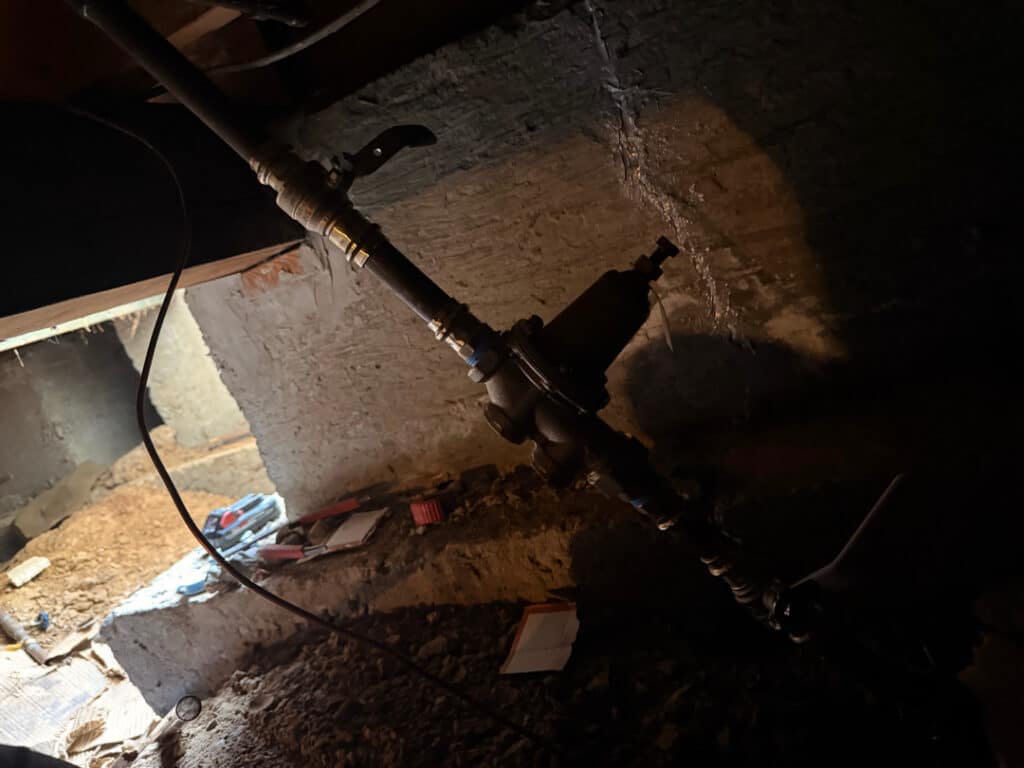
Install PRV and New Ball Valves - Westminster
Problem:Need new prv with 2 ball valves
Found:Removed gate valve from water heater and replaced with ball valve
Fixed:Installed prv with 2 ball valves for isolation on main
Outcome:Tested all work and set prv to 75
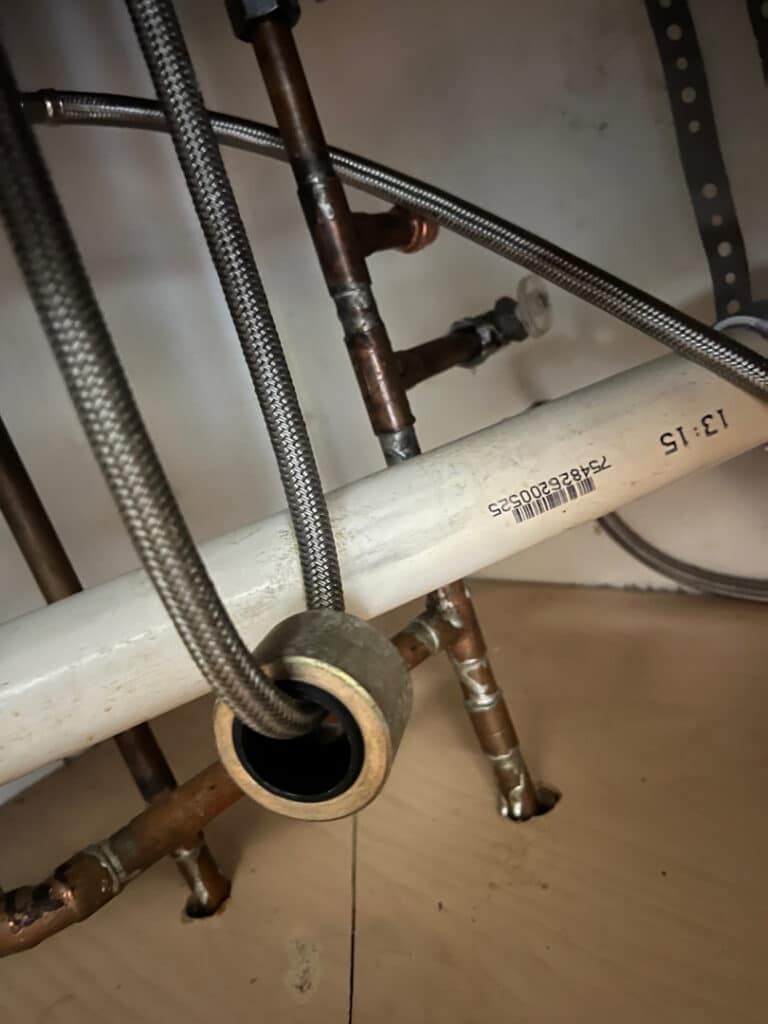
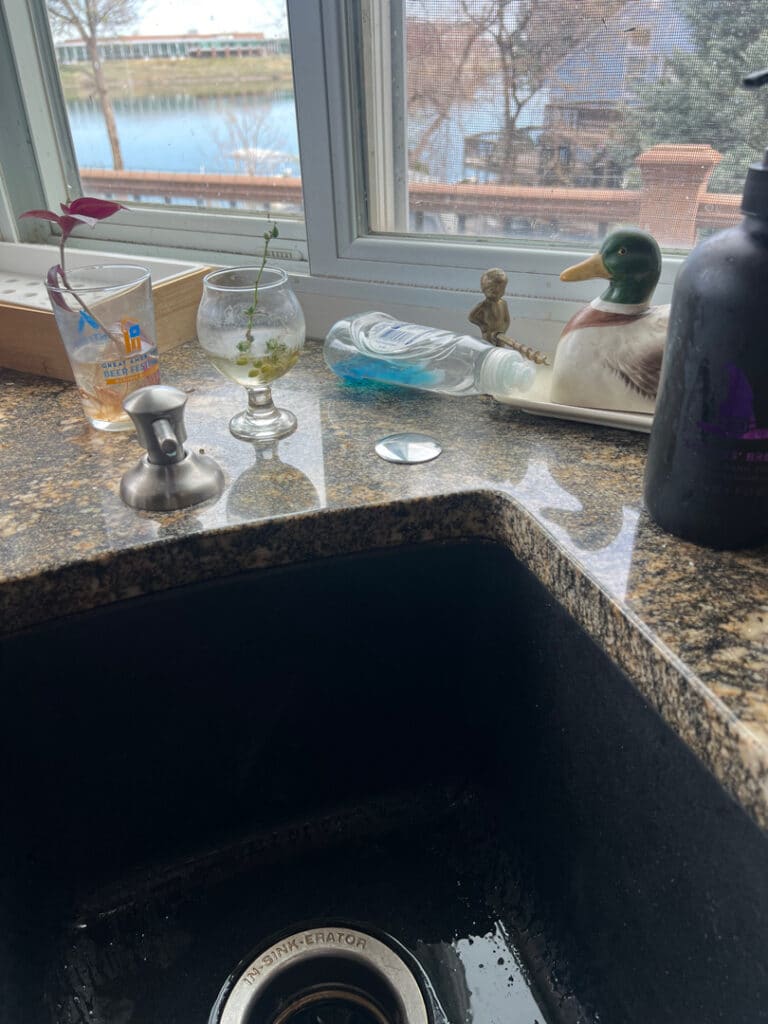
Remove old Point of Use Water Heater Under Kitchen Sink - Westminster
Problem:Remove point of use heater and stop.
Found:Cap off line after removing stop.
Fixed:Install cover plate over water dispensing hole.
Outcome:Turned water on and tested no issues found Picked up valve caps just in case they were needed .
Environmental Conditions & Tankless Water Heater Implications
Westminster's semi-arid climate and Front Range location create environmental factors that directly impact tankless water heater selection, installation, and maintenance requirements. Understanding these conditions helps homeowners make informed decisions about equipment and service schedules.
Water Quality Characteristics
Westminster's municipal water supply draws from Standley Lake and supplemental sources, undergoing treatment at the Semper Water Treatment Facility. The water contains moderate mineral hardness – typically measuring between 120 and 180 parts per million as calcium carbonate. This hardness level accelerates scale formation inside tankless heat exchangers, particularly where water temperatures exceed 120°F.
Annual descaling recommended for all tankless units operating in Westminster
Water softener installation can extend maintenance intervals and improve efficiency
Inlet filters require quarterly inspection to prevent sediment-related flow restrictions
Heat exchanger warranty coverage may require documented maintenance history
Climate Impacts on System Performance
Westminster experiences temperature extremes ranging from summer highs above 95°F to winter lows below zero. These variations affect tankless operation in several ways that inform installation decisions.
Winter Considerations: Incoming water temperatures drop to 38-42°F, requiring units with higher BTU ratings to achieve desired output temperatures
Freeze Protection: Outdoor-rated units include built-in freeze protection, but extended power outages during cold snaps can still cause damage
Summer Efficiency: Warmer incoming water (65-70°F) reduces energy consumption and allows smaller units to meet household demands
Altitude Effects: At 5,400 feet, gas-fired units require altitude adjustment kits to maintain proper air-fuel ratios
Soil and Installation Considerations
The expansive clay soils common throughout Westminster shift seasonally with moisture changes. This movement can stress rigid gas and water connections over time. Flexible connectors and proper support help prevent stress-related failures at tankless unit connections.
Westminster Water Infrastructure and Utility Data
Westminster Water operates an extensive distribution system serving over 116,000 residents through approximately 500 miles of water mains. The city sources water from multiple supplies – including Standley Lake, Clear Creek, and purchased Denver Water – blending these sources to maintain consistent quality throughout the distribution network. This infrastructure directly impacts tankless water heater performance and longevity.
Key Water Quality Metrics for Tankless Systems
Total hardness: 120-180 mg/L (moderately hard, requiring regular descaling)
pH level: 7.2-7.8 (slightly alkaline, generally non-corrosive to copper heat exchangers)
Chlorine residual: 0.5-1.5 mg/L (standard disinfection levels, no impact on tankless operation)
Total dissolved solids: 200-350 mg/L (moderate mineral content affecting scale formation)
The city's water infrastructure includes aging sections – some mains date to the 1960s – that occasionally introduce sediment into the supply during repairs or pressure fluctuations. Tankless water heaters with inlet filters provide protection against this sediment, but filters require regular inspection to maintain proper flow rates. Homes in older Westminster neighborhoods may experience more frequent sediment events due to proximity to aging distribution lines.
How Infrastructure Affects Tankless Service Needs
Westminster's water pressure typically ranges from 50 to 80 psi depending on elevation and distance from pressure zones. Higher-elevation neighborhoods near Standley Lake may experience lower pressure that affects tankless activation thresholds. Some units require minimum flow rates of 0.5 to 0.75 gallons per minute to activate – marginal pressure combined with partially closed valves or restricted fixtures can prevent consistent ignition.
Pressure-boosting systems may benefit homes in low-pressure zones
Whole-house filtration reduces sediment exposure from aging mains
Water softeners extend heat exchanger life by reducing scale-forming minerals
Annual water quality testing helps identify changes affecting tankless performance
A tankless water heater, also known as an on-demand or instantaneous water heater, heats water directly without the use of a storage tank. When you turn on a hot water tap, cold water travels through the unit, where it is heated by gas burners or electric elements, providing a continuous supply of hot water.
Tankless water heaters activate only when there is a demand for hot water. Cold water enters the unit and is heated instantly, allowing for an endless supply of hot water as long as the unit's capacity is not exceeded. This process eliminates the need for a large storage tank.
Tankless water heaters offer several advantages, including energy efficiency, as they only heat water when needed, which can lower utility bills. They also have a longer lifespan compared to traditional tank heaters and free up space since they are typically wall-mounted.
Tankless water heaters can be installed in various locations, including utility rooms, garages, or even outside, depending on the model and local regulations. It's important to choose a location that allows for proper venting and access to gas or electrical connections.
Regular maintenance for a tankless water heater includes descaling the unit to prevent mineral buildup, especially in areas with hard water. It's also advisable to have a professional check the system annually to ensure it operates efficiently and to address any potential issues.
The cost of installing a tankless water heater in Westminster can vary based on the unit's size, the complexity of the installation, and any necessary upgrades to gas lines or electrical systems. On average, homeowners can expect to pay between $1,000 and $3,000 for installation.
Common issues with tankless water heaters include mineral buildup that can reduce efficiency, insufficient hot water supply if the unit is undersized, and problems related to venting or gas supply. Regular maintenance can help prevent many of these issues.