
Tankless Water Heater Services in Thornton, CO
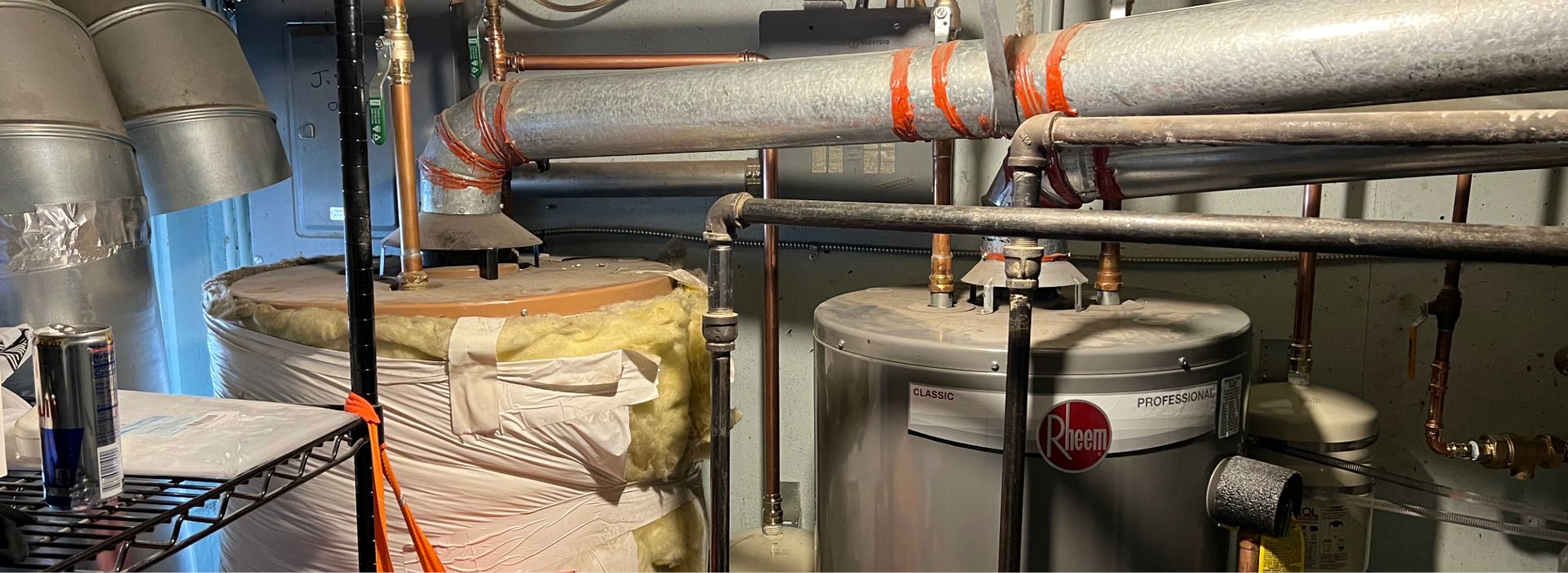
That moment when hot water runs out mid-shower feels especially brutal during a Thornton winter. Traditional tank water heaters store and continuously heat 40 to 80 gallons of water – whether you need it or not. Tankless systems take a fundamentally different approach, heating water on demand as it flows through the unit.
Professional installation and service of tankless water heaters requires specialized knowledge that goes beyond standard plumbing work. These units involve gas lines or high-amperage electrical connections, precise venting requirements, and water flow calculations specific to your household's demands. Thornton's unique combination of hard water, high altitude, and temperature extremes creates conditions that directly impact how these systems perform and how long they last.
Key Benefits of Tankless Water Heater Systems
- Continuous hot water supply – no more waiting for a tank to recover between showers or laundry loads
- Reduced energy consumption – units only operate when hot water is actively needed, eliminating standby heat loss
- Space efficiency – wall-mounted units free up valuable floor space in basements, utility closets, and garages
- Extended lifespan – properly maintained tankless systems typically last 20+ years compared to 10-12 years for tank heaters
Getting the right system sized, installed, and maintained for Thornton conditions makes the difference between a unit that performs flawlessly and one that struggles to meet your household's needs.
Common Tankless Water Heater Issues in Thornton, CO
Cardom Plumbing & Heating provides Tankless Water Heater services in all neighborhoods of Thornton including Amber Creek, Burgundy, Eastlake, Fox Run, Holiday Hills Village, Lambertson Lakes, Loma Linda Estates, Marshall Lake, North Hills, Original Thornton, Pine Lakes Ranch, Quebec Highlands, The Grove at Alta Ridge, Wind Dance, Woodland Hills, and York Highlands.
Thornton sits at approximately 5,350 feet elevation, and that altitude affects tankless water heater performance in ways many homeowners don't anticipate. Gas-fired units require altitude adjustment kits to compensate for reduced oxygen levels – without proper calibration, burners run inefficiently and can produce dangerous carbon monoxide levels.
The Denver metro area's water supply comes primarily from mountain snowmelt, but by the time it reaches Thornton homes, it carries significant mineral content. Hard water creates scale buildup inside tankless heat exchangers, gradually reducing efficiency and eventually causing premature failure. Homes in older Thornton neighborhoods – particularly those built before the 1990s – often have galvanized or copper supply lines that compound mineral deposit issues.
Local Factors Affecting Tankless Performance
- Groundwater temperature variations – incoming water can drop to 40°F in winter, requiring the unit to work harder to reach target temperatures
- Hard water mineral content – calcium and magnesium deposits accumulate faster in Thornton's water supply than in many other regions
- Altitude-related combustion changes – gas units need specific adjustments to burn cleanly at elevation
- Electrical infrastructure in older homes – many pre-1980s homes lack the electrical capacity for whole-house electric tankless units
- Freeze risk for exterior installations – outdoor-mounted units face temperatures well below zero during cold snaps
- Gas line sizing limitations – existing gas supply lines may be undersized for high-demand tankless units
Warning Signs Your Tankless System Needs Attention
Recognizing early symptoms prevents minor issues from becoming expensive repairs:
- Fluctuating water temperatures during single-fixture use
- Unusual noises – clicking, humming, or rumbling during operation
- Error codes appearing on the unit's display panel
- Reduced water pressure at hot water fixtures
- Visible scale or white residue around connections
- Delayed hot water arrival compared to when the unit was new
How Cardom Plumbing & Heating Can Help
Our approach to tankless water heater services combines systematic diagnostics with Thornton-specific expertise. Every service call follows a structured process designed to identify root causes – not just symptoms.
Our Tankless Water Heater Service Process
- Initial assessment and history review – we discuss your hot water usage patterns, any changes in performance, and the unit's service history
- Comprehensive system inspection – examining the unit itself, gas or electrical connections, venting, water supply lines, and condensate drainage
- Diagnostic testing – checking error code history, measuring gas pressure, testing ignition sequence, and evaluating heat exchanger condition
- Water quality analysis – assessing mineral buildup and determining if descaling or water treatment is needed
- Repair or maintenance execution – addressing identified issues with manufacturer-approved parts and procedures
- Performance verification – confirming proper operation across multiple fixtures and flow rates
- Documentation and recommendations – providing detailed notes on work performed and suggested maintenance intervals
Installation Methods and Techniques
New tankless installations require careful planning specific to your home's infrastructure:
- Load calculations based on fixture count, simultaneous use patterns, and groundwater temperature
- Gas line sizing analysis – upgrading supply lines when necessary to meet BTU demands
- Venting design for proper exhaust – including Category III stainless steel venting for condensing units
- Electrical requirements assessment for hybrid or electric models
- Water treatment recommendations based on Thornton's mineral content
- Recirculation system options for homes with long pipe runs
Quality Control and Testing
Before completing any installation or repair, we verify system performance through multiple checkpoints. Gas units undergo combustion analysis to confirm safe, efficient operation at Thornton's altitude. We test hot water delivery at various fixtures simultaneously to confirm the unit handles real-world demand. All connections receive pressure testing, and we verify proper drainage for condensate lines.
Why Choose Cardom Plumbing & Heating
Tankless water heater work demands specific certifications and training that general plumbers often lack. Our technicians maintain manufacturer certifications from major tankless brands – Rinnai, Navien, Noritz, and Rheem – ensuring we follow factory specifications for installation and repair. We carry Colorado plumbing and gas licenses, and our work meets City of Thornton building codes.
Thornton's plumbing challenges aren't theoretical to us – we've worked in homes throughout the city, from the established neighborhoods near 88th Avenue to newer developments in the Thorncreek area. That local experience translates into faster diagnostics and more accurate recommendations. We understand which issues are common in specific subdivisions and how infrastructure varies across different parts of the city.
What Sets Our Service Apart
- Same-day response availability – because losing hot water isn't something that can wait until next week
- Upfront pricing before work begins – no surprises when the job is complete
- Altitude-specific expertise – we properly calibrate every gas unit for Thornton's elevation
- Water quality awareness – recommendations for descaling schedules and treatment options based on local conditions
- Follow-up verification – we check in after major installations to confirm everything performs as expected
Our diagnostic approach uses thermal imaging and combustion analyzers to identify problems that visual inspection alone would miss. When scale buildup or component wear is developing inside the unit, we catch it early – before it causes a complete system failure on the coldest day of the year.
Housing Characteristics & Tankless Water Heater Considerations
Thornton's housing stock spans multiple decades of construction, each era presenting distinct considerations for tankless water heater installation and service. Understanding your home's characteristics helps determine the right approach.
Housing Age Distribution in Thornton
- Pre-1970s homes – often found in original Thornton neighborhoods near 84th Avenue, these properties typically have smaller gas meters and may require service upgrades for high-BTU tankless units
- 1970s-1980s construction – common throughout central Thornton, featuring copper plumbing but potentially undersized gas lines and electrical panels
- 1990s-2000s developments – areas like Hunters Glen and Thorncreek feature larger homes with multiple bathrooms, requiring careful sizing calculations for tankless systems
- 2010s and newer construction – many already equipped with tankless systems or pre-wired for easy conversion
Architectural Factors Affecting Installation
Ranch-style homes – prevalent in older Thornton neighborhoods – often allow straightforward exterior wall mounting with short venting runs. Two-story homes require longer venting solutions and may benefit from point-of-use units on upper floors. Finished basements common in Thornton homes can complicate access to existing water heater locations.
Garage installations remain popular in Thornton due to Colorado's relatively mild climate, but freeze protection becomes critical. Units installed in unheated spaces require built-in freeze protection features and proper drainage provisions. Homes with crawl space construction need additional consideration for supply line routing and insulation.
Pipe Material Considerations
- Galvanized steel pipes in pre-1970s homes may restrict flow rates and contribute to mineral buildup
- Copper systems work well with tankless units but can develop pinhole leaks from aggressive water chemistry
- PEX plumbing in newer homes offers flexibility for recirculation system installation
- Mixed material systems require careful transition fitting selection to prevent corrosion
Recent Work
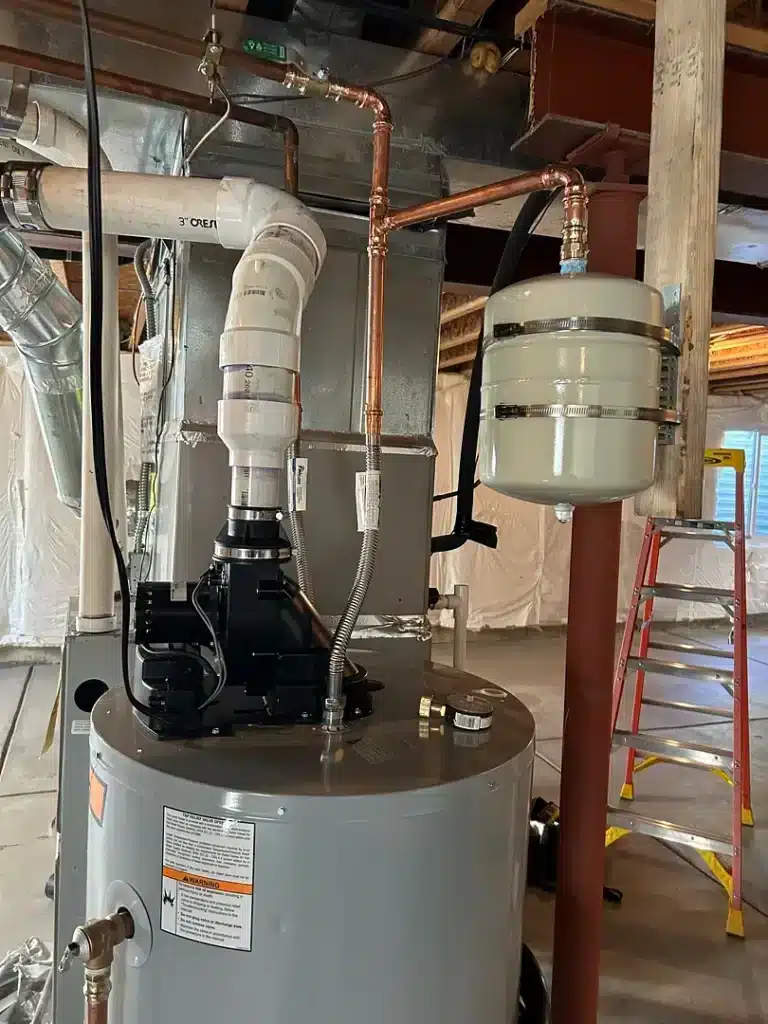
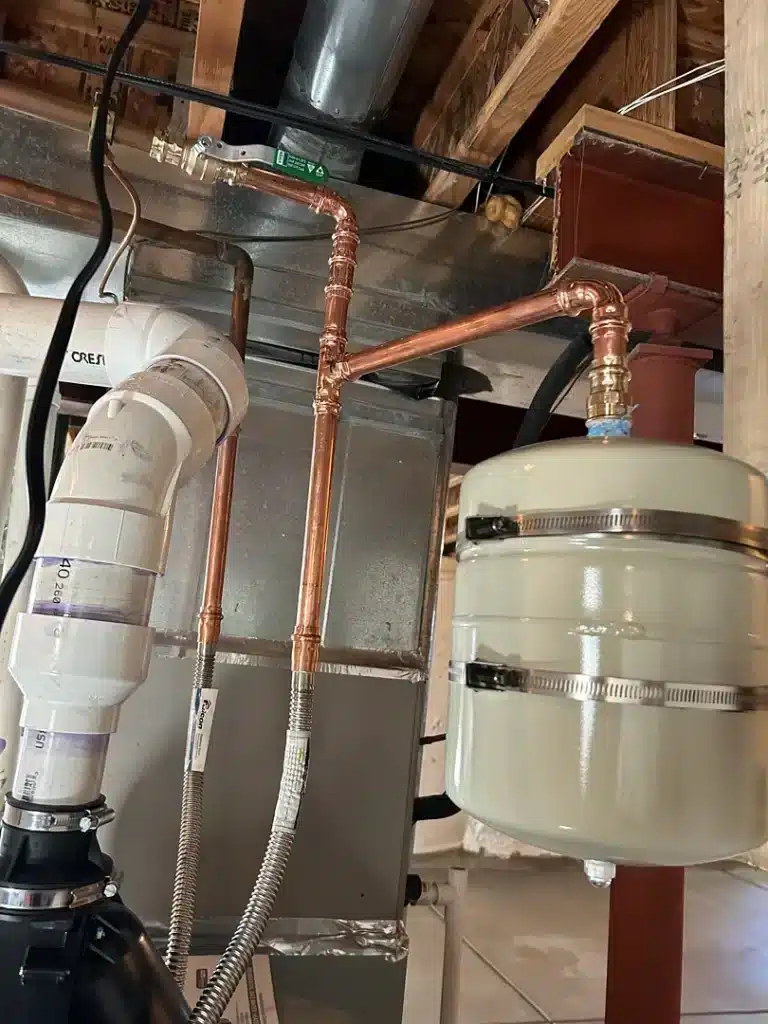
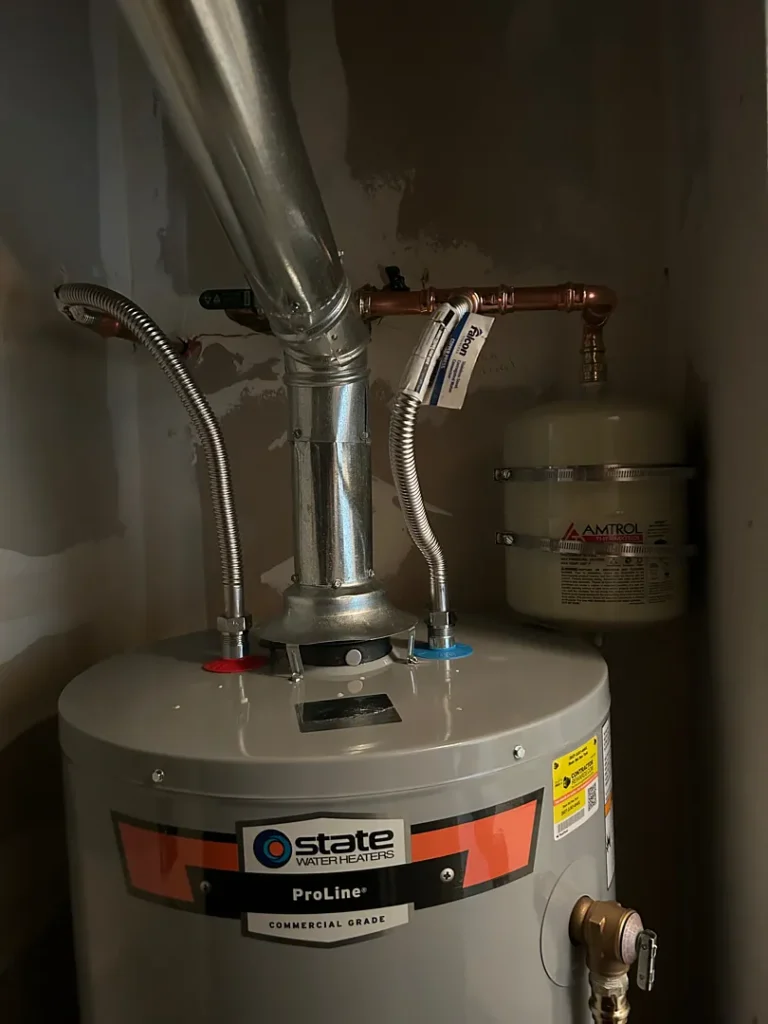
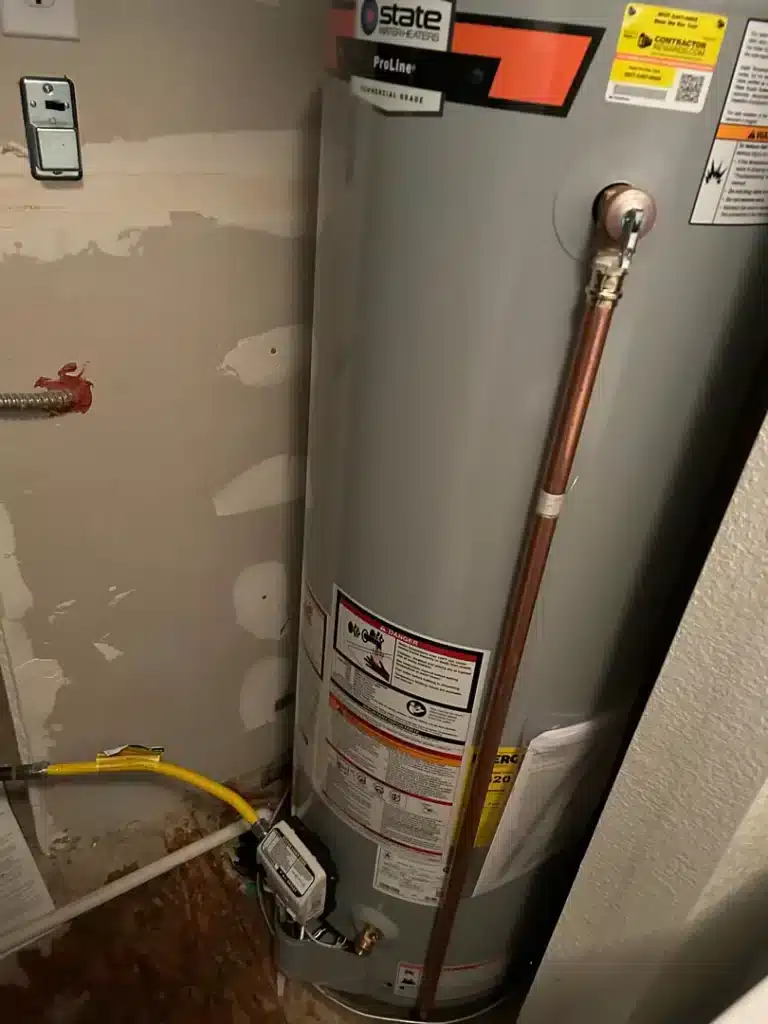
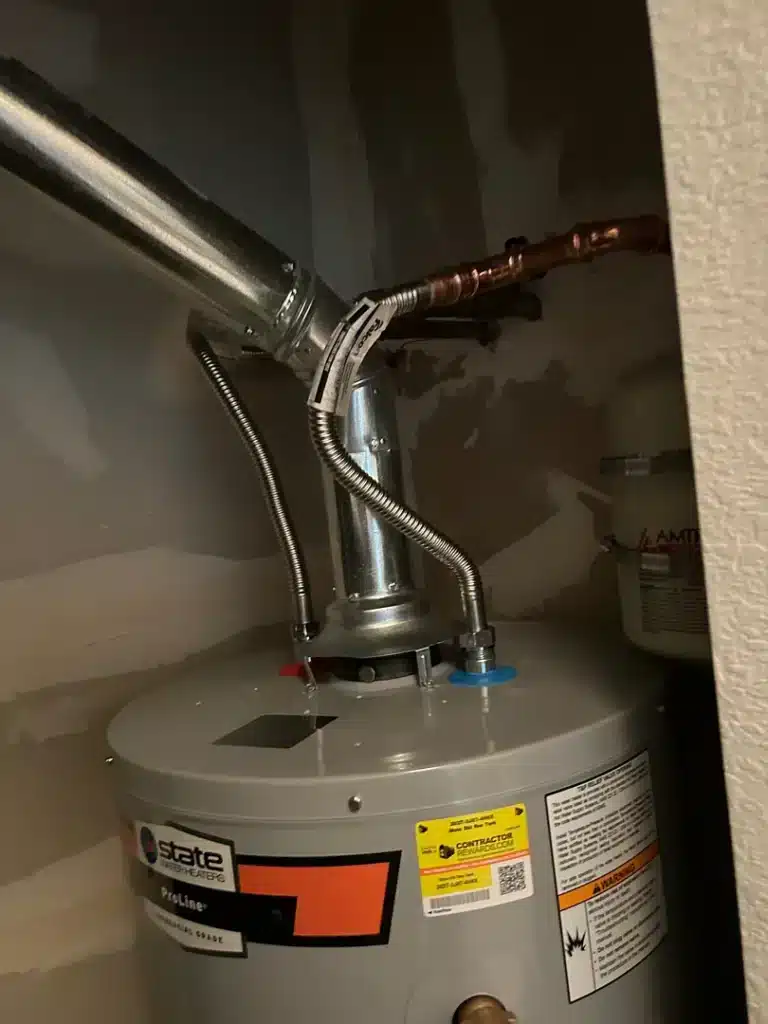
Leaking Water Heater - Thornton
- Problem: Replace water heater and include code upgrades.
- Found: Heater is leaking internally, it is a single pipe power vented unit w 3” abs piping to outside, there is fresh air near furnace.
- Fixed: Completed install of power vented water heater tied onto vent with no hub and ran pvc to 2” reducer to unit, tested unit for leaks and had another leaking press fitting very slowly at 1 drip a minute out of 3/4” 90, cut it out and found no visible issues with insertion or install installed new 90 and no leak.
- Outcome: Fired up and tested unit.
No Hot Water - Thornton
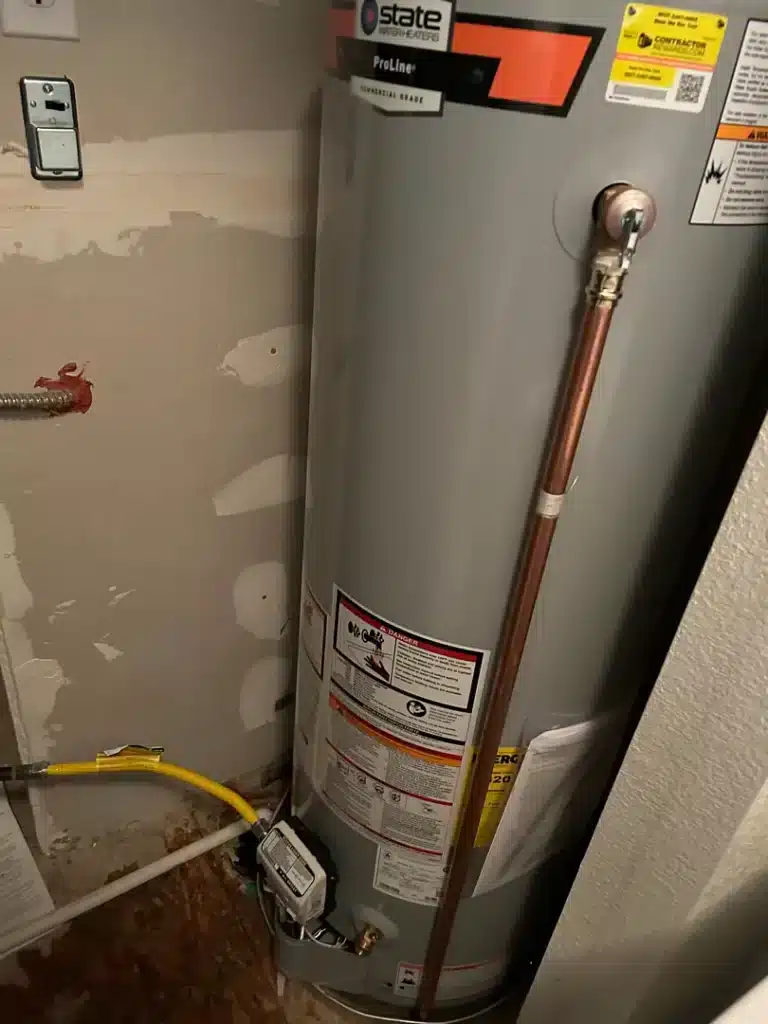
- Problem: Replace water heater after attempted repair
- Found: Heater is nine years old and we got the gas valve to spark but could not get the flame to light up. Gas valve is broken.
- Fixed: We installed per code with several code upgrades in our bid.
- Outcome: Tested and working properly
Environmental Conditions & Tankless Water Heater Implications
Thornton's Front Range location creates environmental conditions that directly impact tankless water heater selection, installation, and maintenance requirements.
Water Quality Characteristics
Thornton receives treated water from the city's water utility, sourced primarily from the South Platte River system and supplemented by various reservoirs. The water tests moderately hard – typically ranging from 152 to 356 mg/L of dissolved minerals. This hardness level accelerates scale formation inside tankless heat exchangers, making annual descaling maintenance more than just a recommendation.
- Calcium carbonate levels – sufficient to create visible scale buildup within 12-18 months without treatment
- pH levels – generally neutral to slightly alkaline, reducing pipe corrosion concerns
- Chlorine treatment – standard municipal treatment that doesn't impact tankless operation
- Seasonal variations – spring snowmelt can temporarily change mineral content and sediment levels
Climate Impact on System Performance
Thornton experiences significant temperature swings – summer highs above 95°F and winter lows below zero. Incoming water temperature follows these patterns, dropping to 38-42°F during January and February. This cold inlet temperature means tankless units work harder during winter months, affecting both capacity and energy consumption.
- Winter temperature rise requirements can exceed 70°F – pushing units toward maximum capacity
- Summer operation is significantly more efficient with inlet temperatures around 55-60°F
- Rapid temperature changes during spring and fall can cause condensation issues in improperly vented systems
- Hail storms – common along the Front Range – can damage outdoor-mounted units without protective covers
Soil and Drainage Considerations
Thornton's clay-heavy soils create drainage challenges that affect tankless installations. Condensate lines from high-efficiency condensing units must drain properly – frozen condensate lines in winter can trigger system shutdowns. Underground water lines in older neighborhoods may have reduced flow rates from mineral deposits or soil settling, impacting available flow to tankless units.
Water Infrastructure and Utility Data in Thornton
Understanding Thornton's water infrastructure helps explain why tankless water heater performance varies across different parts of the city. The City of Thornton operates an independent water utility serving over 140,000 residents, with water sourced from multiple locations including the South Platte River, Clear Creek, and the Northern Colorado Water Conservancy District.
Water Supply Statistics and Trends
- Average water pressure – 60-80 PSI throughout most of Thornton, though homes at higher elevations in northwest Thornton may experience lower pressure
- Infrastructure age – water mains in original Thornton neighborhoods date to the 1950s-1960s, while newer developments feature modern PVC and ductile iron systems
- Annual water quality reports – consistently meet or exceed EPA standards, with hardness levels averaging 8-10 grains per gallon
- Peak demand periods – summer irrigation creates pressure fluctuations that can affect tankless unit performance during morning and evening hours
Natural Gas Infrastructure
Xcel Energy provides natural gas service throughout Thornton, with infrastructure capacity varying by neighborhood age. Older areas may have smaller service lines – typically 3/4-inch – that limit the BTU capacity available for high-demand tankless units. Newer developments generally feature 1-inch or larger service lines capable of supporting whole-house tankless systems without upgrades.
Gas pressure in Thornton residential areas typically runs 0.25-0.5 PSI at the meter, which most tankless units can accommodate. However, homes with multiple gas appliances – furnaces, ranges, fireplaces, and dryers – may need pressure regulators adjusted or supply lines upgraded when adding a tankless water heater.
How Infrastructure Affects Tankless Installation
- Homes with older 3/4-inch gas lines may require upsizing to 1-inch for units above 150,000 BTU
- Water pressure above 80 PSI requires pressure-reducing valves to protect tankless components
- Areas with known hard water issues benefit from whole-house water softening systems
- Neighborhoods with aging water mains may experience sediment that requires inlet filtration
Cardom Plumbing & Heating evaluates these infrastructure factors during every consultation, ensuring the recommended tankless system matches both your household needs and your home's utility capabilities.
Tankless Water Heater in Other Service Areas
Permits, Rebates and Local Rules in Thornton
In Thornton, installing or replacing a water heater needs a building permit from the City Development Building Inspection Division. For a home that is lived in, the city allows the water heater inspection to be done by video call. Thornton charges plumbing permits by job value: $30 for the first $1,000, plus $10 for each added $1,000. An ENERGY STAR heat pump water heater can qualify for an Xcel Energy rebate, and the State of Colorado credit gives at least $83 off a registered contractor's bill. Thornton Water reported hardness averaging about 230 mg/L, or 13.5 grains per gallon, in 2025, and its 2026 report says the city's treatment plants do not remove hardness.


