Cardom Plumbing & Heating offers expert tankless water heater services in Lakewood, CO, ensuring a continuous supply of hot water tailored to local conditions. Their professional installation addresses unique challenges posed by the area's elevation and water quality.
Tankless water heaters heat water on demand, eliminating standby heat loss and providing energy savings of 24-34%.
Professional installation is crucial due to Lakewood's cold groundwater temperatures and varying housing infrastructure.
Cardom Plumbing & Heating's technicians are trained for high-altitude adjustments and ensure compliance with local building codes.
What is a tankless water heater?
A tankless water heater is a system that heats water on demand, providing a continuous supply of hot water without the need for a storage tank. Unlike traditional water heaters that store and reheat large volumes of water, tankless units heat water as it flows through the system, making them more efficient and ideal for homes with varying hot water needs.
Tankless Water Heater Services in Lakewood, CO
That moment when hot water runs out mid-shower feels especially brutal during a Lakewood winter. Traditional tank water heaters store and constantly reheat 40 to 80 gallons of water – whether you need it or not. Tankless systems take a different approach, heating water on demand as it flows through the unit.
A tankless water heater – also called an on-demand or instantaneous water heater – uses high-powered burners or electric coils to rapidly heat water only when a faucet or appliance calls for it. This technology eliminates standby heat loss and provides a continuous supply of hot water for households that have outgrown their traditional tank systems.
Why Professional Installation Matters
Lakewood's mile-high elevation, cold groundwater temperatures, and variable housing stock create specific challenges for tankless water heater performance. Professional diagnosis ensures your system is properly sized, vented, and configured for local conditions.
Continuous hot water supply without storage tank limitations
Energy savings of 24-34% for homes using less than 41 gallons daily
Compact wall-mounted design that frees up floor space
Extended equipment lifespan of 20+ years with proper maintenance
Common Tankless Water Heater Issues in Lakewood, CO
Cardom Plumbing & Heating provides Tankless Water Heater services in all neighborhoods of Lakewood including Applewood, Avenida Lakewood 55+ Active Living, Barnum West, Camden Lakeway, Edgemont, Green Mountain Village, Heron Shores, Marston, Nevada Place, Parkview Terrace, Ponderosa Ridge, Rooney Valley, Sage Corner, Shadow Hills, Spivak, and West Link at Oak Station.
Lakewood sits at approximately 5,500 feet elevation along the Front Range, where incoming groundwater temperatures can drop into the low 40s during winter months. This cold inlet water forces tankless units to work harder to achieve desired output temperatures – a factor that directly impacts sizing requirements and system performance.
The city's housing inventory spans multiple decades, from post-war bungalows near Belmar to newer construction in Green Mountain Village. Older homes often have undersized gas lines, outdated electrical panels, or venting configurations that complicate tankless installations. Denver Water serves most of Lakewood, delivering moderately hard water that can accelerate scale buildup inside heat exchangers.
Seasonal and Infrastructure Factors
Winter temperature swings along the Front Range create unique stress on water heating systems. Ground temperatures affect incoming water by 15-20 degrees between summer and winter, dramatically changing the temperature rise your unit must achieve.
Hard water mineral deposits – Denver Water's calcium and magnesium content causes scale accumulation that reduces efficiency and triggers error codes
Cold inlet water temperatures – Winter groundwater in the 40s requires larger BTU capacity than manufacturer specifications based on warmer climates
Altitude effects on combustion – Gas units require high-altitude conversion kits and proper venting adjustments above 4,500 feet
Aging gas infrastructure – Many Lakewood homes have 1/2-inch gas lines inadequate for tankless demand
Electrical capacity limitations – Electric tankless units often require 150-200 amp service upgrades in older homes
Freeze protection concerns – Exterior-mounted units and poorly insulated pipe runs face freeze damage during cold snaps
Warning Signs Your System Needs Attention
Watch for these indicators that your tankless water heater requires professional service:
Fluctuating water temperatures during use
Error codes appearing on the digital display
Reduced hot water flow rate
Unusual sounds during operation – clicking, humming, or rumbling
Our approach to tankless water heater services combines thorough assessment with precision installation and ongoing support. Every Lakewood home presents unique challenges – we address them systematically.
Our Installation Process
Initial consultation and load calculation – We evaluate your household's hot water demand by counting fixtures, determining simultaneous use patterns, and measuring incoming water temperature
Infrastructure assessment – Our technicians inspect gas line capacity, electrical service, venting options, and mounting locations to identify any upgrades needed
System selection and sizing – Based on your specific needs and Lakewood's conditions, we recommend appropriate equipment with proper BTU output or electrical capacity
Permit acquisition – We handle Jefferson County permit requirements and ensure compliance with local building codes
Professional installation – Our licensed technicians complete gas line modifications, venting installation, electrical connections, and unit mounting
System commissioning – We configure altitude settings, test all safety controls, verify proper combustion, and calibrate temperature output
Customer orientation – You receive hands-on instruction for operating your new system, understanding error codes, and performing basic maintenance
Diagnostic and Repair Techniques
When your existing tankless system malfunctions, we employ targeted diagnostic methods:
Error code interpretation and manufacturer-specific troubleshooting protocols
Combustion analysis to verify proper gas-to-air ratios at altitude
Heat exchanger inspection using specialized cameras
Flow rate testing to identify restrictions or sensor failures
Descaling services using professional-grade solutions
Ignition system testing and component replacement
Maintenance Services
Annual maintenance extends equipment life and maintains efficiency. Our service includes:
Flushing the heat exchanger with food-grade descaling solution
Cleaning inlet water filters and checking flow sensors
Inspecting venting for proper draft and condensate drainage
Testing ignition components and flame sensors
Verifying gas pressure and adjusting if needed
Checking freeze protection functionality
Recent Work
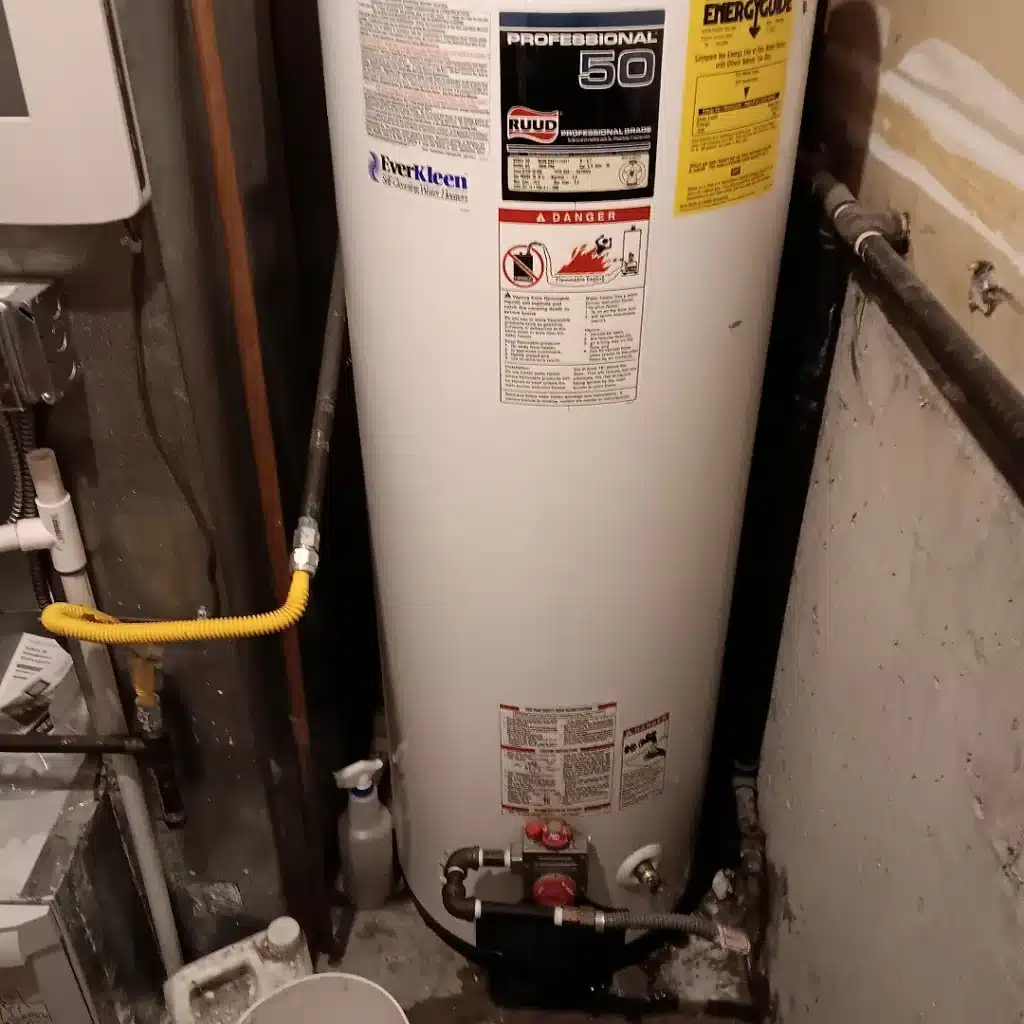
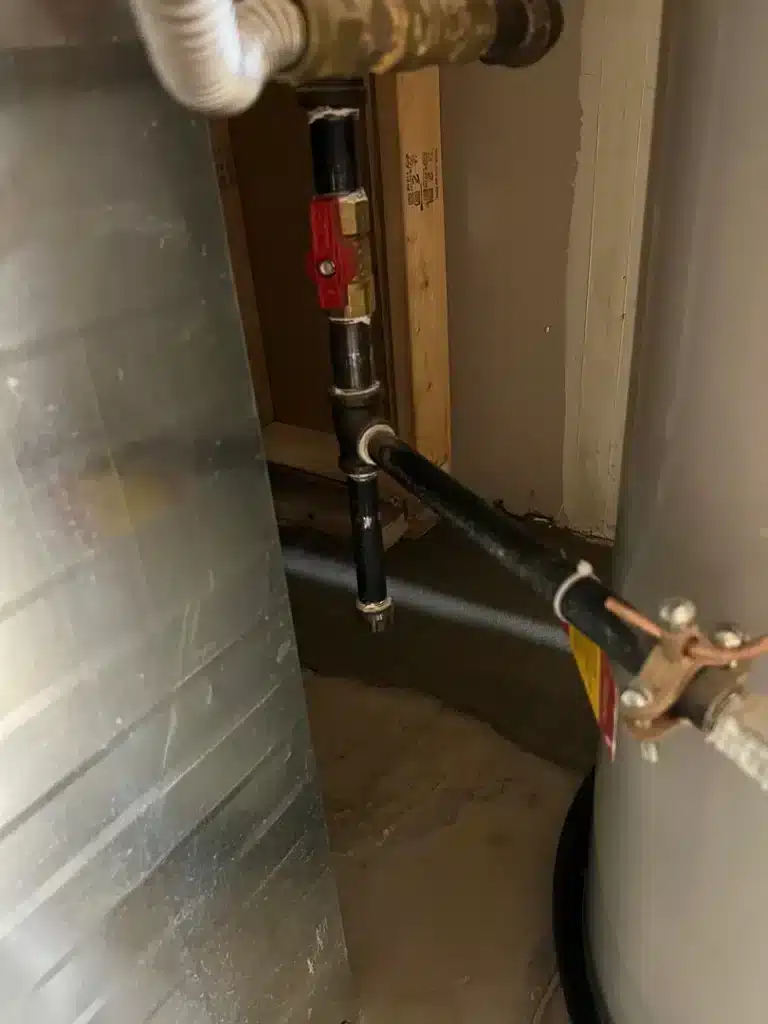
Water Heater Servicing - Lakewood
Problem:Service water heater and test for leaks
Found:Found small drip
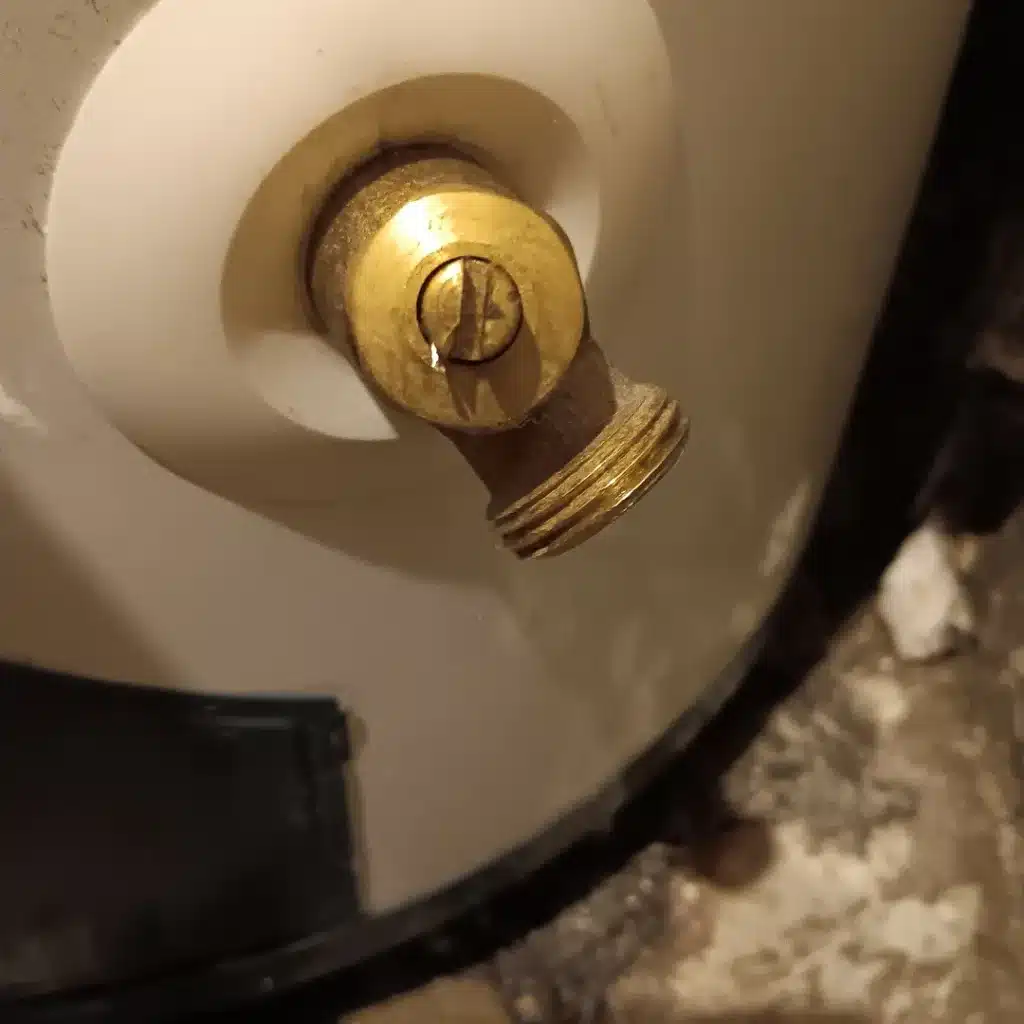
Fixed:Drained five gallons of water from boiler drain at base of water heater. Turned water heater back on and checked for drips. Tightened boiler drain.
Outcome:Tested and no leak.
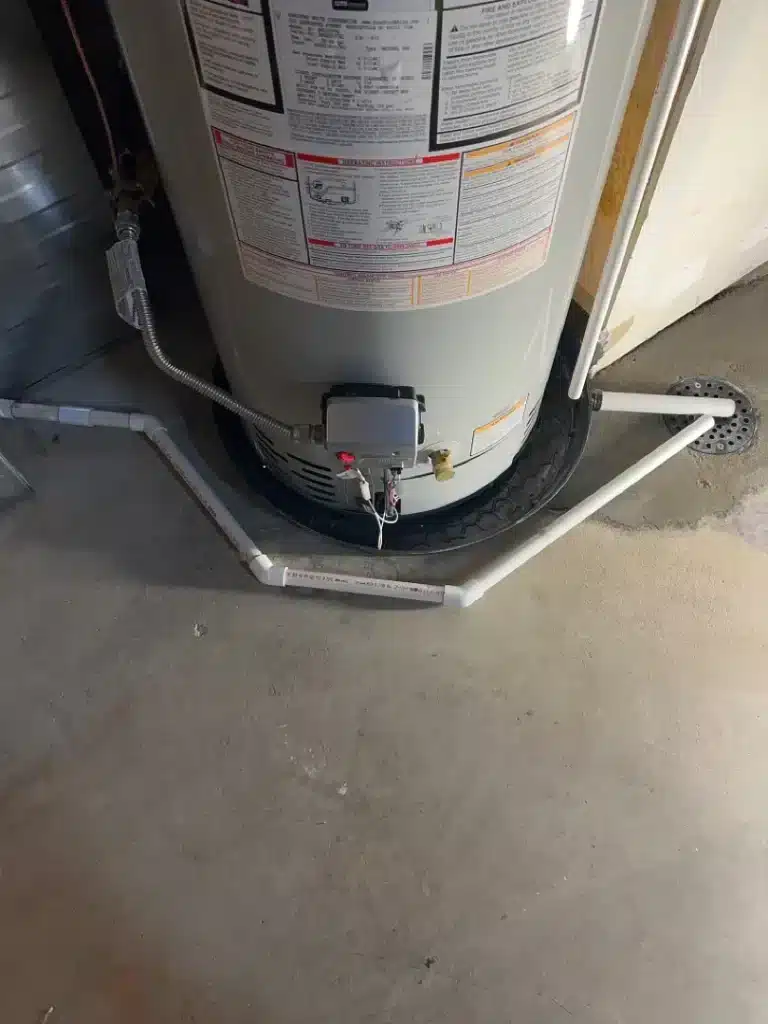
Reinstall Water Heater - Lakewood
Problem:Installing water heater
Found:New water heater
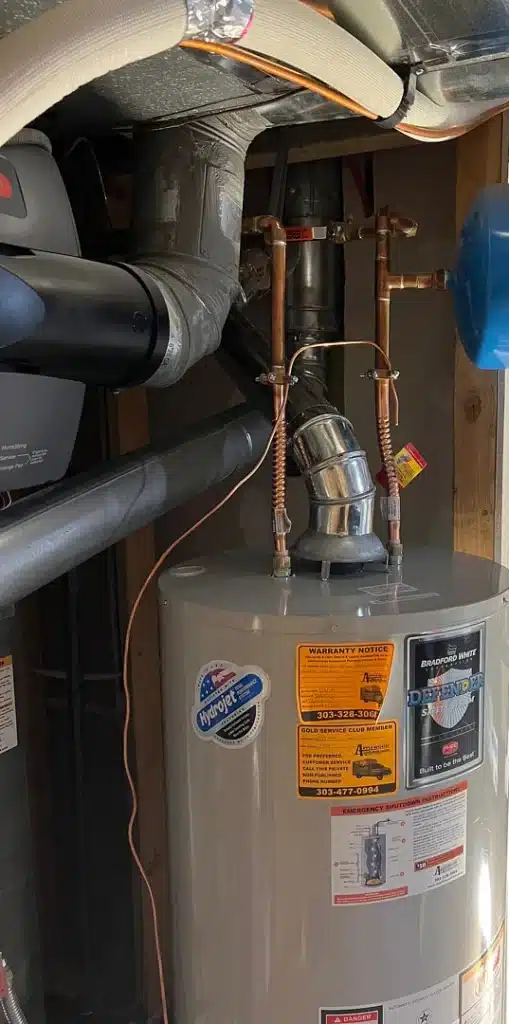
Fixed:Re install water heater, no material needed everything was to code, I did have to rerun condensate from furnace.
Outcome:Tested and working properly.
Why Choose Cardom Plumbing & Heating
Tankless water heater installation demands specific expertise that general plumbers often lack. Our technicians hold manufacturer certifications for major brands and complete ongoing training on the latest equipment. We understand the altitude adjustments, gas line requirements, and venting specifications that Lakewood installations demand.
Local knowledge makes a measurable difference. We've installed and serviced tankless systems throughout Lakewood's diverse neighborhoods – from the older homes near Wadsworth and Colfax to newer developments in Solterra. This experience means we anticipate challenges before they become problems and recommend solutions proven to work in our specific climate and water conditions.
What Sets Us Apart
Altitude expertise – Every gas unit we install receives proper high-altitude conversion and combustion verification
Comprehensive assessments – We evaluate your entire hot water system, not just the heater itself
Code compliance – Our installations meet or exceed Jefferson County requirements with proper permits and inspections
Clear communication – You receive detailed explanations of findings, options, and recommendations without pressure tactics
Follow-up support – Questions after installation? We're available to help you get the most from your new system
Warranty protection – Proper installation preserves manufacturer warranties that DIY or improper installation can void
We carry diagnostic equipment and common replacement parts on our service vehicles, allowing us to resolve many issues in a single visit. For installations, we coordinate efficiently to minimize disruption to your household.
Housing Characteristics & Tankless Water Heater Considerations
Lakewood's housing stock reflects decades of Front Range development patterns. The city contains approximately 65,000 housing units spanning construction eras from the 1940s through today. Each era presents distinct considerations for tankless water heater installation.
Mid-Century Homes (1940s-1960s)
These properties – common in neighborhoods like Eiber and Morse Park – typically feature:
Smaller footprints with limited mechanical space
Original 1/2-inch gas lines requiring upsizing for tankless demand
60-100 amp electrical panels inadequate for electric tankless units
Galvanized steel or copper plumbing with potential flow restrictions
Atmospheric water heater venting that may need reconfiguration
1970s-1990s Construction
Homes built during Lakewood's expansion period – found in Green Mountain and Bear Creek areas – often have:
Larger floor plans with multiple bathrooms increasing hot water demand
3/4-inch gas lines that may support smaller tankless units
100-150 amp electrical service with potential upgrade capacity
Copper plumbing in good condition
Better insulation reducing pipe heat loss
Modern Construction (2000s-Present)
Newer developments in areas like Solterra and along the Union Boulevard corridor typically include:
Gas lines pre-sized for high-efficiency equipment
200 amp electrical panels with capacity for electric tankless
PEX plumbing with efficient manifold distribution
Direct vent or power vent pathways already established
Mechanical rooms designed for modern equipment
Understanding your home's era helps us anticipate infrastructure requirements and provide accurate project scopes before work begins.
Environmental Conditions & Tankless Water Heater Implications
Lakewood's Front Range location creates environmental factors that directly impact tankless water heater selection, installation, and maintenance. Understanding these conditions helps homeowners make informed decisions about their hot water systems.
Water Quality Characteristics
Denver Water supplies most of Lakewood through a system drawing from mountain reservoirs and the South Platte River. The water quality affects tankless systems in several ways:
Hardness levels – Denver Water reports moderate hardness of 50-150 mg/L depending on source blend, causing gradual scale accumulation in heat exchangers
pH levels – Slightly alkaline water (pH 7.5-8.5) contributes to mineral deposition
Chlorine treatment – Residual chlorine can affect rubber components over time
Seasonal variation – Water source blending changes throughout the year, affecting mineral content
Annual descaling service becomes particularly important given these water characteristics. Homes with extremely hard well water may benefit from water softening or conditioning equipment.
Climate Impacts
Lakewood experiences a semi-arid climate with significant temperature swings. These conditions affect tankless systems throughout the year:
Winter ground temperatures – Inlet water can drop to 40-45°F, requiring units to achieve 60-70°F temperature rise
Rapid temperature changes – Chinook winds can swing temperatures 40+ degrees in hours, stressing exterior components
Low humidity – Dry conditions affect combustion air quality and can impact ignition reliability
Freeze risk – Despite built-in freeze protection, power outages during cold snaps can damage unprotected units
Altitude Considerations
At 5,500 feet elevation, Lakewood's thin air affects gas combustion. Tankless water heaters require:
High-altitude orifices or conversion kits for proper fuel-to-air ratios
Derating calculations – gas units lose approximately 4% capacity per 1,000 feet above sea level
Proper venting sizing to account for reduced air density
Combustion analysis verification after installation
Soil conditions in Lakewood vary from clay-heavy areas prone to shifting to rocky substrates. While this primarily affects underground plumbing, foundation movement can stress water connections to tankless units mounted on exterior walls.
Lakewood Water Infrastructure & Heating Demand Data
Understanding Lakewood's water infrastructure and energy consumption patterns provides context for tankless water heater decisions. The city's utility data reveals important trends affecting homeowner choices.
Water Supply and Temperature Data
Denver Water serves approximately 90% of Lakewood residents through an interconnected system of reservoirs, treatment plants, and distribution mains. Key data points relevant to tankless sizing include:
Average inlet water temperature – Ranges from 42°F in January to 65°F in August, based on ground temperature monitoring
Required temperature rise – Winter conditions demand 68-78°F rise to achieve 110-120°F output
Water pressure – Municipal pressure typically ranges 50-80 PSI, with pressure reducing valves common in higher elevation neighborhoods
Distribution system age – Many Lakewood mains date to 1950s-1970s infrastructure expansion
Energy Consumption Patterns
Xcel Energy data for the Denver metro area indicates water heating accounts for 15-20% of residential energy consumption. Lakewood households show distinct patterns:
Peak hot water demand occurs during morning hours (6-9 AM) and evening hours (5-8 PM)
Winter natural gas consumption for water heating increases 30-40% over summer baseline
Homes switching from tank to tankless report 20-35% reduction in water heating energy costs
Electric tankless installations often require service upgrades costing $1,500-3,000 for panel and meter modifications
Local Installation Considerations
Jefferson County building department records indicate increasing tankless water heater permits over the past decade. Common permit requirements include:
Gas line sizing verification for units exceeding 150,000 BTU
Venting inspection for proper termination clearances
Electrical permit for new circuits or service upgrades
Combustion air calculations for interior installations
This local data reinforces the importance of professional assessment before tankless installation. Proper sizing based on actual Lakewood water temperatures – rather than national averages – prevents undersized systems that can't meet demand during cold months.
A tankless water heater, also known as an on-demand or instantaneous water heater, heats water directly as it flows through the unit. Unlike traditional water heaters that store hot water in a tank, tankless systems provide hot water only when needed, which can help save energy and reduce costs.
Tankless water heaters use high-powered burners or electric coils to heat water instantly as it passes through the unit. When you turn on a hot water tap, cold water travels through the pipe into the unit, where it is heated and delivered to your faucet or appliance.
In Lakewood, the cold groundwater temperatures and high elevation can make tankless water heaters particularly effective. They provide a continuous supply of hot water without the limitations of a storage tank, making them ideal for households that require more hot water.
Tankless water heaters offer several advantages, including energy savings of 24-34% for homes using less than 41 gallons of hot water daily, a compact design that saves space, and an extended lifespan of over 20 years with proper maintenance.
Choosing the right size involves considering your household's hot water needs, the number of appliances and fixtures that will use hot water simultaneously, and the incoming water temperature. A professional can help assess these factors to ensure you select a unit that meets your requirements.
Common issues include scale buildup due to hard water, which can affect performance, and challenges related to the cold groundwater temperatures that can impact heating efficiency. Proper installation and regular maintenance can help mitigate these problems.
You can find professional installation services for tankless water heaters throughout Lakewood. It's advisable to choose a local plumbing service that understands the specific challenges posed by the area's elevation and water conditions.