Tankless water heaters in Golden, CO provide an efficient solution for homeowners facing the inconvenience of running out of hot water. These systems heat water on demand, eliminating standby heat loss and saving space while requiring careful installation due to local conditions.
Tankless systems heat water as it flows, ensuring endless hot water for multiple uses without waiting.
They reduce energy consumption by eliminating the need to keep a tank of water hot at all times.
Proper installation is crucial due to Golden's altitude and cold groundwater temperatures, which affect performance.
What is a tankless water heater?
A tankless water heater is a system that heats water on demand rather than storing it in a tank. This technology provides hot water as it flows through the unit, eliminating the need for a large storage tank and addressing common issues faced by homeowners with traditional water heaters.
Tankless Water Heater Services in Golden, CO
That moment when hot water runs out mid-shower feels especially brutal during a Golden winter morning. Traditional tank water heaters store and constantly reheat 40-80 gallons of water – whether you need it or not. Tankless systems take a fundamentally different approach, heating water on demand as it flows through the unit. This shift in technology addresses many frustrations Golden homeowners face with conventional water heating.
A tankless water heater – also called an on-demand or instantaneous water heater – uses high-powered burners (gas) or electric elements to rapidly heat water as it passes through a heat exchanger. When you turn on a hot water tap, cold water travels through the unit, gets heated to your set temperature, and flows directly to your fixture. No storage tank, no standby heat loss, no running out during back-to-back showers.
Professional installation and service matter significantly with these systems. Golden's elevation of 5,675 feet affects gas combustion efficiency and requires specific venting calculations. The area's cold groundwater temperatures – often hovering around 45-50°F in winter – demand properly sized units to achieve adequate temperature rise. A miscalculated installation leads to lukewarm water, premature component failure, or safety hazards.
Endless hot water supply – multiple showers, laundry, and dishwashing without waiting for tank recovery
Reduced energy consumption – no standby heat loss from maintaining a tank of hot water 24/7
Space savings – wall-mounted units free up valuable floor space in basements or utility areas
Extended lifespan – properly maintained tankless units often last 20+ years compared to 10-12 for tank heaters
Cardom Plumbing & Heating provides Tankless Water Heater services in all neighborhoods of Golden including Briarwood Commons, Canyon View, Golden Hills, Golden Pointe Apartmements, and Mesa View Estates.
Golden's location along Clear Creek at the base of the foothills creates specific challenges for tankless water heater performance. The municipal water supply, sourced from Clear Creek and supplemented by other mountain sources, carries mineral content that affects system longevity. Hard water minerals – particularly calcium and magnesium – accumulate inside heat exchangers over time, reducing efficiency and eventually causing component failure.
Seasonal temperature swings hit tankless systems hard in this region. Winter groundwater temperatures plummet, requiring your unit to work significantly harder to achieve the same output temperature. A unit sized marginally for summer conditions may struggle to deliver adequate hot water when January arrives and incoming water drops below 45°F. This temperature differential – called "temperature rise" – determines whether your tankless system performs adequately year-round.
Many Golden homes were built during specific development periods – mining-era structures downtown, mid-century ranches in established neighborhoods, and newer construction in developments like Genesee or Coal Creek Canyon. Each era brings different gas line configurations, electrical service capacities, and venting possibilities that affect tankless installation complexity.
Local Factors Affecting Tankless Performance
Hard water mineral buildup – Golden's water requires regular descaling to prevent heat exchanger damage
High altitude combustion – gas units need altitude-adjusted burners and specific venting configurations
Cold inlet water temperatures – winter groundwater conditions demand properly sized units with adequate BTU ratings
Older gas infrastructure – some established neighborhoods have undersized gas lines requiring upgrades
Electrical service limitations – electric tankless units often need panel upgrades in homes built before 1990
Freeze protection concerns – units installed in garages or exterior walls need proper freeze prevention measures
Warning Signs Your Tankless System Needs Attention
Fluctuating water temperatures during use – the "cold water sandwich" effect between hot water draws
Error codes displaying on the unit's control panel
Reduced hot water flow rate compared to previous performance
Unusual noises – clicking, humming, or rumbling during operation
Visible scale buildup around connections or in discharged flush water
Increased gas or electric bills without corresponding usage changes
Recent Work
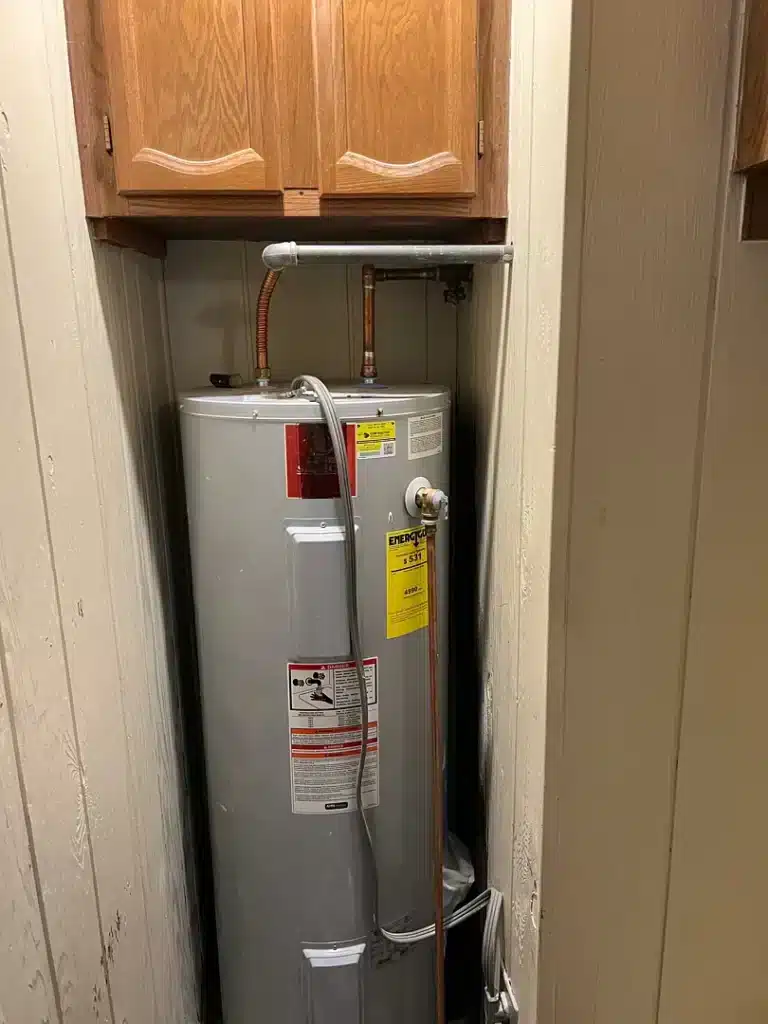
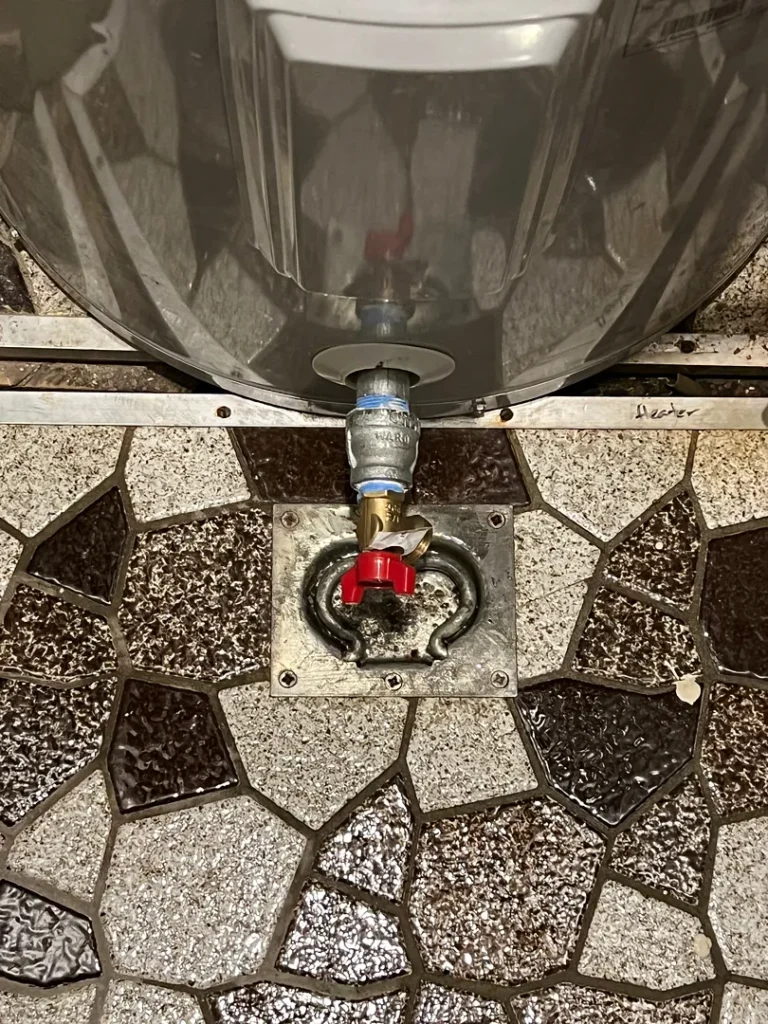
Rebuild Electric Water Heater - Golden
Problem:Replace water heater
Found:Old water heater
Fixed:Drain heater. Remove minerals, replace drain on heater and replace both elements, both stats and high limit. Test after filling and purging
How Cardom Plumbing & Heating Addresses Your Tankless Water Heater Needs
Every tankless water heater service call begins with understanding your household's specific hot water demands and evaluating your existing infrastructure. We don't assume a one-size-fits-all approach works in Golden's diverse housing stock.
Our Tankless Service Process
Initial Assessment – We evaluate your current water heating setup, gas line capacity or electrical service, venting options, and household hot water usage patterns
Water Quality Testing – We check incoming water hardness levels to determine appropriate maintenance schedules and whether water treatment equipment would extend system life
Sizing Calculations – Using Golden's specific groundwater temperatures and your peak demand scenarios, we calculate the required BTU rating or kilowatt capacity
Infrastructure Evaluation – We assess whether existing gas lines, electrical panels, or venting systems need modifications to support tankless operation
Installation or Repair Execution – Our technicians complete the work according to manufacturer specifications and local code requirements
System Testing and Calibration – We verify proper operation across multiple fixtures, check for error codes, and adjust settings for optimal performance
Homeowner Education – We walk you through basic operation, maintenance requirements, and warning signs to watch for
Diagnostic and Repair Techniques
Heat exchanger inspection using specialized cameras to identify scale accumulation
Flow sensor testing to diagnose activation issues
Gas pressure measurement to verify adequate supply for high-altitude operation
Combustion analysis for gas units to confirm safe, efficient burning
Electrical component testing including thermistors, igniters, and control boards
Descaling service using food-grade vinegar solutions to remove mineral buildup
Quality Control Measures
Before leaving any installation or repair, we run comprehensive system checks. This includes verifying temperature output at multiple fixtures, confirming proper venting draft, checking all gas connections with electronic leak detection, and testing freeze protection features if applicable. We document system settings and provide written maintenance recommendations specific to Golden's water conditions.
Why Choose Cardom Plumbing & Heating
Tankless water heater work demands more than general plumbing knowledge. These systems integrate plumbing, gas fitting, electrical work, and combustion venting – all disciplines where mistakes create safety hazards or expensive callbacks. Cardom Plumbing & Heating maintains certifications from major tankless manufacturers including Rinnai, Navien, and Noritz, ensuring our technicians understand the specific requirements of each brand's equipment.
Our familiarity with Golden's building landscape – from historic downtown structures to mountain properties along Lookout Mountain Road – means we've encountered virtually every installation scenario this area presents. We understand which neighborhoods have adequate gas pressure for high-capacity units and which require pressure regulators or line upgrades. We know the permitting requirements and inspection expectations of Jefferson County and Golden's building department.
What Sets Us Apart
Manufacturer-certified technicians trained on current tankless technology
Local service response – we're based in the area, not dispatched from Denver
High-altitude expertise – we understand combustion adjustments and venting requirements above 5,000 feet
Transparent communication – we explain options and costs before beginning work
Follow-up service – we schedule maintenance reminders based on your system's needs and local water conditions
Warranty support – we handle manufacturer warranty claims and maintain documentation
Emergency situations receive priority attention. A failed water heater in January isn't a minor inconvenience – it's a household crisis. We maintain parts inventory for common repairs and can often restore hot water service during the initial visit rather than requiring multiple appointments.
Housing Characteristics & Tankless Water Heater Considerations
Golden's housing stock reflects over 150 years of development, from territorial-era buildings near downtown to contemporary construction in surrounding developments. Each building period presents distinct considerations for tankless water heater installation and service.
Historic and Pre-1950 Homes
Properties in the downtown historic district and older residential areas often feature:
Undersized gas lines originally designed for smaller appliance loads
Limited electrical panel capacity – often 100-amp service or less
Challenging venting routes through finished spaces
Galvanized steel piping that may restrict flow rates
Basement or crawlspace installations requiring freeze protection
Mid-Century Ranch and Split-Level Homes (1950-1980)
Many established Golden neighborhoods contain homes from this era, typically featuring:
Adequate gas line sizing for standard tankless units
Mechanical rooms with existing venting that may need modification
Copper or early PEX piping systems
150-200 amp electrical service – often sufficient for gas tankless, may need evaluation for electric
Contemporary Construction (1990-Present)
Newer developments in Golden and surrounding Jefferson County areas generally offer:
Pre-planned mechanical spaces with appropriate venting options
Adequate gas and electrical infrastructure
PEX or modern copper piping with good flow characteristics
Existing high-efficiency equipment that integrates well with tankless systems
Mountain and Foothill Properties
Homes along Lookout Mountain, in Coal Creek Canyon, or other mountain locations face additional considerations:
Propane fuel supply requiring different equipment specifications
Environmental Conditions & Tankless Water Heater Implications
Water Quality Characteristics
Golden's water supply comes primarily from Clear Creek, treated at the Golden Water Treatment Plant. The water exhibits moderate hardness levels – typically ranging from 80-120 mg/L as calcium carbonate depending on seasonal source variations. This hardness level falls in the "moderately hard" category, meaning mineral accumulation inside tankless heat exchangers occurs gradually but consistently.
Annual descaling service recommended for most Golden homes
Homes with particularly hard water may benefit from point-of-entry water softening
Scale accumulation reduces efficiency by 15-30% if left untreated
Manufacturer warranties often require documented maintenance including descaling
Climate Impacts on System Performance
Golden experiences significant temperature variation – summer highs frequently exceed 90°F while winter lows drop below 0°F. This 100+ degree swing affects tankless water heater operation in several ways:
Winter inlet water temperatures drop to 42-48°F, requiring maximum heat exchanger output
Summer inlet temperatures rise to 55-65°F, reducing system workload
Freeze protection activation increases energy consumption during cold snaps
Outdoor-mounted units face extreme thermal stress and require weatherproofing
Altitude and Combustion Considerations
At 5,675 feet elevation, gas appliances operate differently than at sea level. Reduced oxygen density affects combustion efficiency, requiring specific adjustments:
Gas tankless units need altitude-adjusted orifices or electronic compensation
Venting calculations must account for reduced draft at elevation
BTU output decreases approximately 4% per 1,000 feet – affecting sizing decisions
Combustion analysis during installation verifies safe, efficient operation
Soil and Drainage Effects
Golden's clay-heavy soils and variable terrain affect plumbing infrastructure over time. Ground movement from freeze-thaw cycles and expansive clay can stress underground utilities, occasionally affecting water pressure and flow rates that impact tankless performance. Properties with well water face additional considerations including variable pressure, iron content, and seasonal water table fluctuations.
Golden Water Infrastructure and Energy Data
Understanding Golden's municipal water and energy infrastructure helps homeowners make informed decisions about tankless water heater selection and operation. The city operates its own water utility, providing treated surface water to approximately 22,000 residents within city limits and surrounding service areas.
Municipal Water System Facts
Primary water source: Clear Creek surface water supplemented by raw water storage
Treatment facility capacity: 8 million gallons per day
Distribution system includes over 90 miles of water mains
Average residential water pressure: 50-80 PSI depending on elevation zone
Water hardness: Approximately 90-110 mg/L (moderately hard)
Xcel Energy provides natural gas service throughout Golden and Jefferson County. Gas pressure and availability vary by neighborhood – older areas near downtown typically have adequate infrastructure for standard residential tankless units, while some newer developments or mountain properties may require pressure verification before installation.
Energy Efficiency Context
Colorado's cold winters and Golden's high-altitude location make water heating a significant portion of residential energy consumption. According to Department of Energy data, water heating accounts for approximately 18-20% of home energy use nationally – a figure that trends higher in colder climates with lower groundwater temperatures.
Tankless water heaters typically achieve 80-98% energy efficiency ratings
Traditional tank heaters operate at 60-70% efficiency with additional standby losses
Golden homeowners report 15-30% reduction in water heating costs after tankless conversion
Condensing tankless units capture additional heat from exhaust gases, maximizing efficiency
Jefferson County building codes require permits for water heater installations, including tankless conversions. Inspections verify proper gas line sizing, venting configuration, and electrical connections. Cardom Plumbing & Heating handles permit acquisition and inspection scheduling as part of our installation service – ensuring your system meets all local requirements and maintains warranty coverage.
A tankless water heater, also known as an on-demand or instantaneous water heater, heats water directly as it flows through the unit. Unlike traditional water heaters that store hot water in a tank, tankless systems provide hot water only when needed, which can help save energy and reduce costs.
Tankless water heaters work by using high-powered burners or electric elements to heat water on demand. When you turn on a hot water tap, cold water travels through the unit, gets heated to your desired temperature, and flows directly to your fixture without the need for a storage tank.
Tankless water heaters offer several advantages, including an endless supply of hot water, reduced energy consumption due to no standby heat loss, and space savings since they can be wall-mounted. Additionally, they often have a longer lifespan compared to traditional tank heaters.
Yes, tankless water heaters can be very effective in Golden, CO, but proper sizing and installation are crucial. The area's elevation and cold groundwater temperatures require specific calculations to ensure the unit can provide adequate hot water without issues.
Regular maintenance for tankless water heaters includes descaling to remove mineral buildup, especially in areas with hard water. It's also important to check the filters and ensure proper venting to maintain efficiency and extend the lifespan of the unit.
With proper maintenance, tankless water heaters can last over 20 years, significantly longer than traditional tank water heaters, which typically last around 10 to 12 years. Regular servicing can help maximize their lifespan.
You can find tankless water heater installation services in Golden, CO, through local plumbing and heating companies. It's advisable to choose professionals familiar with the specific challenges of the area, such as elevation and water quality, to ensure a successful installation.