
Recent Posts
Categories
Preparing Your Plumbing for Arvada’s Fall Leaves and Debris
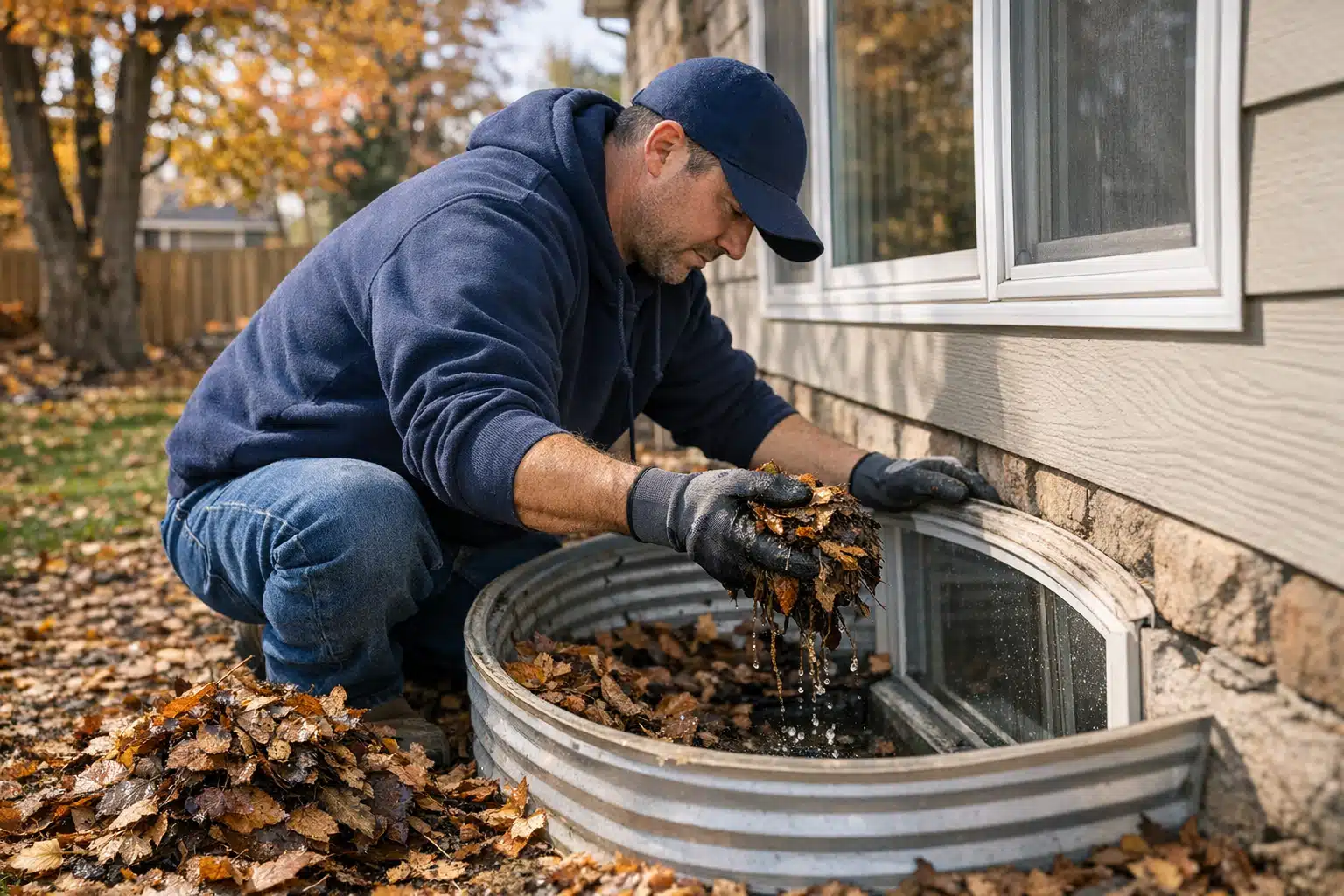
Every October in Arvada, backed-up drains follow the first big wind storm as cottonwood and maple leaves clog exterior drainage paths. This guide covers which drains fail first, how to protect them, and when to call for professional help.
- Window well drains are the top cause of fall basement flooding in Arvada. Leaves pack into yard drains, gutter outlets, and sump pump discharge lines before the first freeze.
- Sewer lines face peak stress in fall as tree roots chase moisture while leaf debris adds extra load. Warning signs include gurgling toilets, slow floor drains, and faint sewage smells.
- Disconnect garden hoses and drain outdoor spigots before the first hard freeze. A split spigot from a trapped hose is the most common frozen-pipe repair each cold snap.
Start by clearing leaves and debris from outdoor drains, gutters, and downspouts before the first major wind storm. Install mesh guards over exposed drain openings to prevent clogs. Disconnect and drain garden hoses, and inspect sump pump discharge lines for blockages. Schedule a professional drain inspection if your property has mature cottonwood, box elder, or silver maple trees nearby.
Every October in Arvada, we get the same call: a backed-up floor drain after the first big wind storm sends cottonwood and maple leaves into every low spot on a property. Fall plumbing preparation matters here because our Front Range cottonwoods, box elders, and silver maples drop debris fast once nighttime temperatures hit the 30s.
This post walks you step by step past the leaf-related drain problems we see most along the Arvada and Wheat Ridge corridor. You will learn which drains clog first, how to protect them, and when to call for help.
Why Fall Leaves Threaten Arvada Plumbing Systems
Leaves themselves do not enter your interior pipes. The damage starts outside, where falling debris blocks the drainage paths that keep water away from your foundation and sewer line.
In older Arvada neighborhoods like Olde Town and Lamar Heights, mature trees overhang clay sewer laterals. Roots and wet leaf mats team up to slow flow at the exact moment seasonal rain picks up.
The Cottonwood Problem Near Ralston Creek
Homes near Ralston Creek and along the Van Bibber Creek trail sit under heavy cottonwood cover. Cottonwood leaves break down into a slimy paste that packs area drains and window well drains tight.
We have pulled fist-sized plugs of this material from exterior drains in the Allendale and Scenic Heights areas. Once it hardens with the first freeze, it stops water cold.
Outdoor Drains That Clog First Each Fall
Start your fall plumbing preparation outside, where leaf buildup begins. Clear these spots before the heaviest leaf drop in late October.
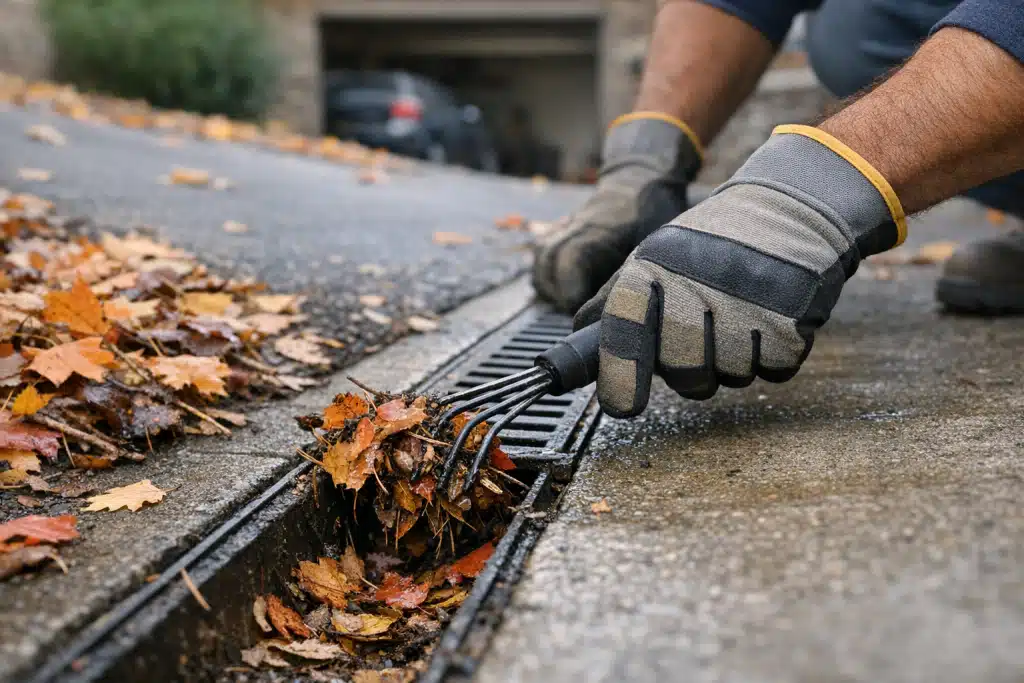
- Window well drains — Common on Arvada split-levels and ranch homes with basements.
- Yard and area drains — Low spots in driveways and patios collect leaf mats fast.
- Gutter downspout outlets — Leaves pack where downspouts meet underground drain pipe.
- Driveway trench drains — Found on sloped lots in Candelas and Leyden Rock.
- Sump pump discharge lines — Debris and early frost block the outlet point.
A clogged window well drain is the number one cause of fall basement flooding we treat in Arvada. Water has nowhere to go, rises in the well, and seeps past the basement window.
How to Clear a Window Well Drain
- Remove leaves and mulch from the gravel surface of the well.
- Pour a bucket of water into the well to test drainage.
- If water pools, the buried drain is blocked below the gravel.
- Call a plumber if flushing with a garden hose does not clear it.
Do not run a power auger into a window well drain yourself. Many tie directly into the foundation drain, and a wrong move can crack the pipe.
Protecting Your Sewer Line From Fall Root and Leaf Activity
Your main sewer line faces its hardest test in fall. Tree roots chase moisture as the ground dries, and they invade pipe joints right when leaf debris adds extra load.
A sewer backup is when wastewater flows back into your home instead of draining out. In Arvada’s older clay-pipe neighborhoods, fall is peak season for this.
Warning Signs Before a Full Backup
- Gurgling sounds from toilets when you run the washing machine.
- Slow floor drains in the basement.
- Multiple fixtures draining slowly at once.
- A faint sewage smell near basement drains.
Catch any of those early and a camera inspection can find the blockage before it floods your lowest level. We run sewer scopes across Arvada, Wheat Ridge, and Westminster to spot root intrusion before freeze-up.
What a Fall Sewer Scope Costs
A straightforward residential sewer camera inspection in the Arvada area runs roughly $200 to $400. If we find root intrusion, hydro jetting to clear the line usually falls between $350 and $700, depending on severity.
These numbers are ballpark figures for planning. Your exact price depends on pipe length, access, and the blockage type.
Indoor Fall Plumbing Preparation Steps
Leaves drive the outdoor work, but fall is also the moment to ready indoor plumbing for Colorado’s quick temperature swings. A 70-degree afternoon can drop below freezing by midnight here.
- Disconnect and drain garden hoses. A hose left attached traps water in the spigot, which freezes and splits the pipe.
- Shut off and drain exterior spigots. Find the interior shutoff valve and open the outside faucet to empty it.
- Insulate exposed pipes. Focus on crawl spaces and the rim joist area in unfinished basements.
- Test your sump pump. Pour water into the pit and confirm it kicks on and discharges cleanly.
- Flush your water heater. Fall sediment flushing keeps the unit efficient before winter demand climbs.
A split outdoor spigot is the most frequent frozen-pipe repair we handle each first cold snap. Draining it in October costs you nothing and saves a messy repair in December.
Why Arvada’s Elevation Speeds Up Freezing
Arvada sits above 5,300 feet. At this elevation, overnight temperatures fall faster and harder than many homeowners expect after a warm day.
An exposed pipe that would survive the night in a lower-elevation town can freeze here. That is why we push fall prep earlier than the calendar might suggest.
Gutters, Downspouts, and Your Foundation Drain
Gutters packed with Arvada maple and ash leaves overflow during fall rain. That water pools against your foundation and overloads the perimeter drain.
Clean gutters twice each fall if you have mature trees. Direct downspouts at least four feet from the foundation to keep water away from basement walls.
- Clear gutters after the first heavy drop in early October.
- Clear them again after the final leaf fall in early November.
- Flush downspout underground outlets with a hose to confirm flow.
- Add splash blocks where downspouts discharge near the house.
When a downspout drains into a buried pipe, leaves pack that junction out of sight. We have cleared these hidden clogs across Broomfield and Westminster after homeowners noticed water running down basement walls.

 Posted on Google
5 Common Fall Plumbing Emergencies in Arvada Homes
These are the leaf-and-cold-driven calls we field most across Arvada each autumn:
- Window well flooding from a leaf-clogged well drain during fall rain.
- Sewer backup from combined root growth and debris in clay laterals.
- Burst outdoor spigot from the first hard freeze on an undrained hose bib.
- Sump pump failure from a frozen or leaf-blocked discharge line.
- Basement seepage from overflowing gutters and blocked foundation drains.
Four of these five trace back to leaves or debris blocking water’s path. That is the pattern that makes Arvada fall prep different from other seasons.
How Cardom’s Seasonal Maintenance Visit Works
Our fall maintenance visit targets the exact failure points above. We built the checklist from years of Arvada and Wheat Ridge service calls, not a generic template.
During a visit, our team will:
- Inspect and test exterior drains and window well drains.
- Scope your sewer line if you have mature trees or past backups.
- Drain and winterize outdoor spigots.
- Test the sump pump and discharge line.
- Flush the water heater and check for sediment.
Booking this in September or early October gives you time to fix issues before the first freeze. Waiting until November means competing with everyone else’s emergency calls.
Conclusion
Fall plumbing preparation in Arvada starts outside, where cottonwood and maple leaves clog the drains that protect your foundation and sewer line. Clear your window wells and gutters, drain your spigots, and scope your sewer before the first hard freeze. Early action in October prevents the basement floods and burst pipes we repair every November.
Ready to protect your home this fall? Call or text Cardom Plumbing & Heating at 720‑775‑8322, email tomd@cardomcolorado.com, or visit https://www.cardomcolorado.com to schedule your Arvada seasonal maintenance visit.
Sources
- U.S. Environmental Protection Agency – Fix a Leak Week
- Ready.gov – Winter Weather Preparedness
- American Red Cross – Preventing and Thawing Frozen Pipes


