
Recent Posts
Categories
Signs Your Sump Pump Needs Repair in Arvada
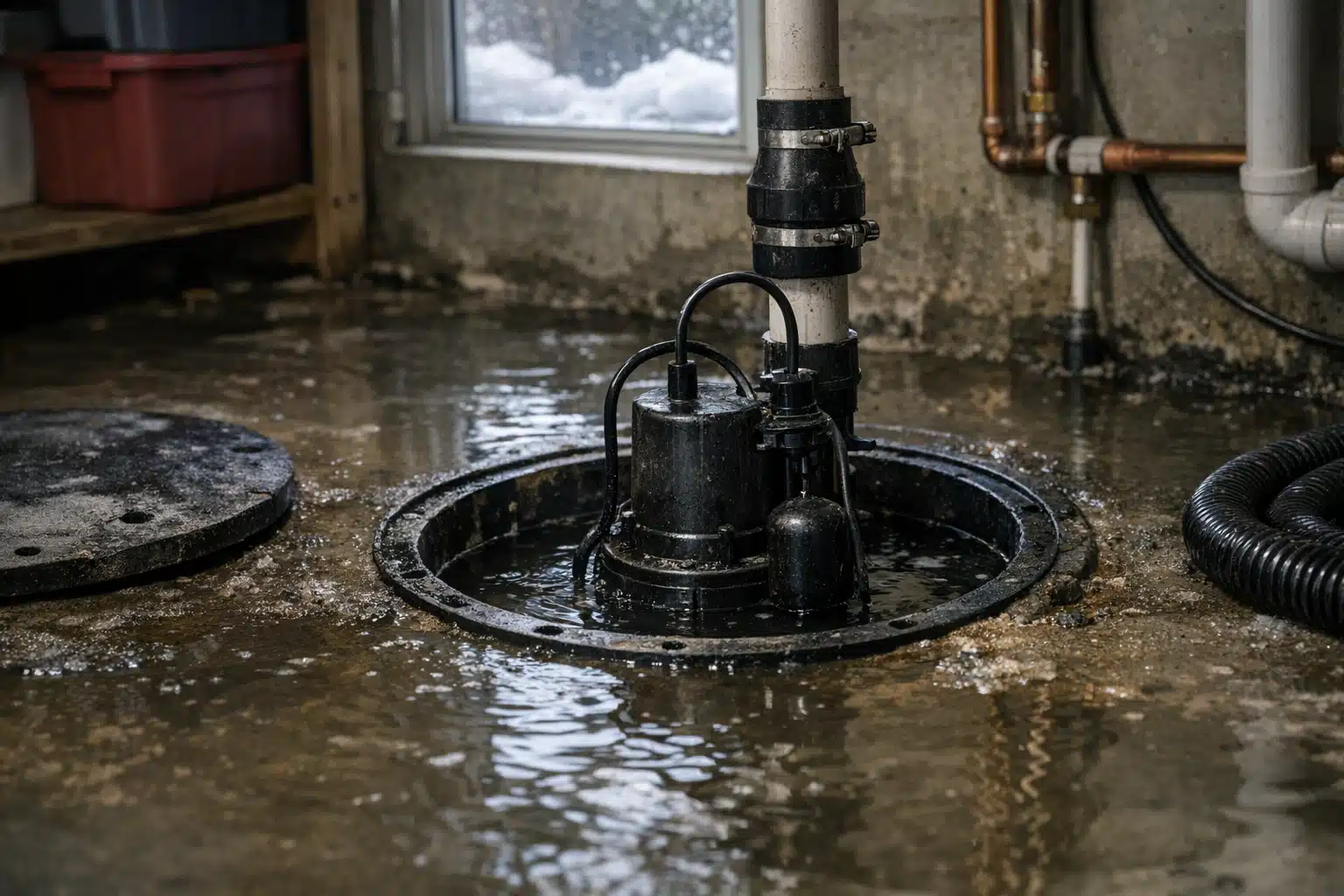
Arvada homeowners should watch for warning signs that their sump pump needs repair, as Colorado's seasonal snowmelt and storm patterns put extra strain on these systems. Early detection prevents basement flooding and costly water damage.
- Strange noises like grinding, rattling, or high-pitched whining indicate mechanical problems such as damaged impellers, loose hardware, or worn motor bearings. Frequent cycling or continuous running suggests float switch issues or check valve failure.
- Visible rust, corrosion, and slow drainage signal age-related decline. Test pump capacity monthly during wet seasons by adding water and timing how quickly it empties - 10 gallons should clear in under two minutes.
- Foul odors point to stagnant water and debris buildup, while electrical issues like tripping GFCI outlets create safety hazards. Pumps over 7-10 years old with major failures typically need full replacement rather than repair.
Common signs your sump pump needs repair include strange grinding or humming noises during operation, frequent cycling on and off, visible rust or corrosion, a musty odor coming from the sump pit, and the pump running continuously without shutting off. Water pooling around the unit or slow drainage also indicate potential problems that require professional attention.
Last spring, an Arvada homeowner discovered their basement flooded after heavy snowmelt overwhelmed their failing sump pump. The warning signs had been there for months: strange grinding noises, frequent cycling, and a musty smell from the sump pit. Signs your sump pump needs repair in Arvada become more apparent during Colorado’s wet seasons when groundwater levels rise dramatically.
Arvada homeowners face unique challenges with seasonal snowmelt and Front Range storm patterns that put extra strain on sump pump systems. Recognizing early warning signs prevents basement flooding and costly water damage.
This guide covers the most common red flags that indicate your sump pump requires immediate attention, helping you avoid emergency repairs during peak demand periods.
Strange Noises Signal Mechanical Problems
A properly functioning sump pump operates quietly with minimal noise during normal cycling. Unusual sounds indicate internal components are wearing out or debris is interfering with operation.
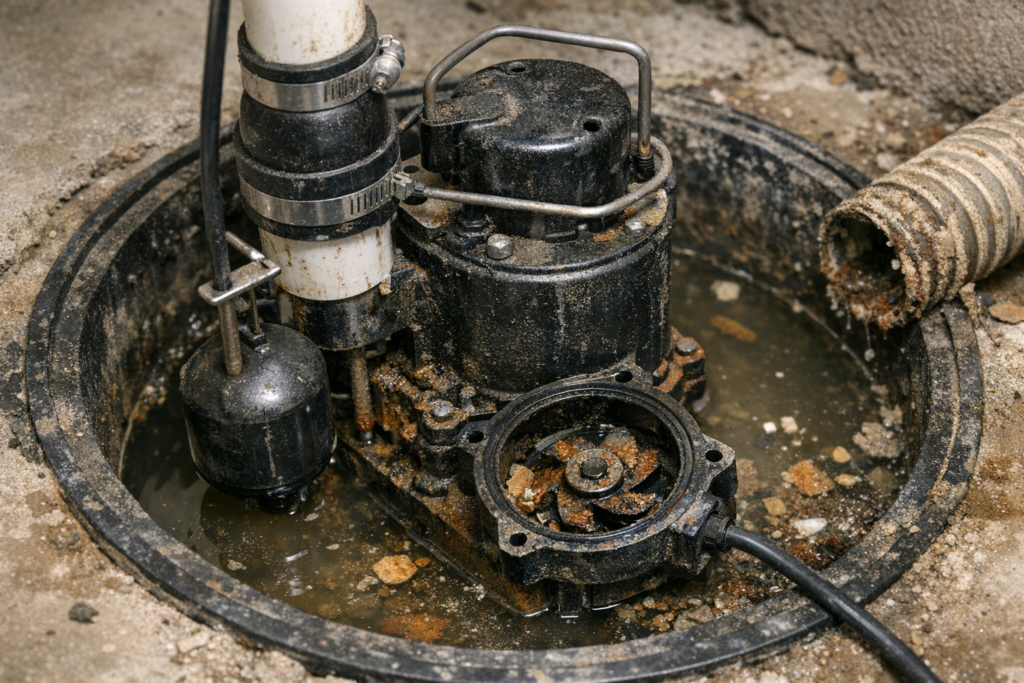
Grinding or scraping noises suggest the impeller is damaged or debris has entered the pump housing. This commonly happens in Arvada homes where construction sediment or small rocks wash into sump pits during heavy rains.
Rattling sounds point to loose mounting hardware or a damaged motor bearing. The pump may still function temporarily, but continued operation risks complete failure when you need it most.
Motor Strain Indicators
Listen for these specific warning sounds:
- High-pitched whining from worn motor bearings
- Gurgling when water enters the discharge pipe
- Clicking from electrical relay problems
- Banging against the pit walls from loose components
Frequent Cycling Means Inefficient Operation
Normal sump pump operation involves cycling on and off based on water levels in the pit. Excessive cycling indicates the pump cannot effectively remove water or control mechanisms are malfunctioning.
Short cycling occurs when the pump runs for brief periods before shutting off, then immediately restarts. This pattern wears out electrical components rapidly and signals potential float switch problems.
Continuous running during dry periods suggests the pump cannot reach its shut-off point. Check valve failure allows discharged water to flow back into the pit, creating an endless cycle.
Seasonal Cycling Patterns in Arvada
Local weather patterns create predictable demand cycles:
- Spring snowmelt: 2-4 cycles per hour during peak flow
- Summer storms: Brief intensive cycling during heavy rainfall
- Fall preparation: Monthly test cycles recommended
- Winter freeze protection: Minimal cycling unless basement pipes leak
Visible Rust and Corrosion Indicate Age-Related Failure
Colorado’s mineral-rich groundwater accelerates corrosion in sump pump components. Rust formation on the pump housing, discharge pipe, or electrical connections compromises system reliability.
Surface rust on cast iron components is normal after several years of service. Heavy rust flaking or holes in the pump housing require immediate replacement before the next wet season.
Corroded electrical connections create fire hazards and pump failure risks. Green corrosion on copper fittings or white deposits on aluminum parts indicate water infiltration into electrical systems.
Common Corrosion Points
Inspect these areas during routine maintenance:
- Pump housing around mounting bolts
- Discharge pipe joints and fittings
- Float switch mechanism and wiring
- Check valve body and internal components
- Electrical junction boxes near the sump pit
Slow Drainage Creates Flood Risk
Reduced pumping capacity allows water to accumulate faster than removal during heavy rainfall or snowmelt events. This performance decline happens gradually, making it easy to miss until flooding occurs.
Test your pump’s capacity by pouring water into the pit and timing how quickly it empties. A standard residential pump should clear 10 gallons in under two minutes.
Blocked discharge lines reduce flow rates significantly. Ice formation during Arvada’s freeze-thaw cycles can completely obstruct outdoor discharge points, causing backups into basements.
Performance Testing Steps
Verify pump capacity with this simple test:
- Add 5 gallons of water to activate the float switch
- Time the complete pumping cycle from start to finish
- Listen for smooth operation without unusual noises
- Check that water exits the discharge line outdoors
- Repeat monthly during wet season months
Foul Odors Point to Stagnant Water Problems
Musty or sewage-like smells from the sump pit indicate standing water that cannot drain properly. Stagnant conditions promote bacterial growth and create health hazards in basement areas.
Poor pit drainage allows debris accumulation that clogs the pump intake screen. Leaves, sediment, and organic matter from Arvada’s clay soils commonly cause these blockages during spring runoff.
Sewage odors suggest contamination from nearby septic systems or sewer line infiltration. This requires immediate attention to prevent health risks and basement contamination.
Addressing Odor Sources
Common causes and quick fixes include:
- Clean debris from pit bottom and pump intake
- Check for proper pit liner installation and sealing
- Verify discharge line slopes away from foundation
- Install pit cover to reduce debris entry
Electrical Issues Create Safety Hazards
Ground fault circuit interrupter (GFCI) outlets tripping repeatedly indicate electrical problems requiring immediate attention. Water and electricity create dangerous combinations that risk electrocution and fire.
Flickering lights when the pump cycles suggest inadequate electrical supply or loose wiring connections. Older Arvada homes may lack proper electrical capacity for modern high-efficiency pumps.
Burn marks around electrical connections or melted wire insulation require emergency electrical service. Never attempt repairs on wet electrical components yourself.

Thanks especially to Tonie — for patiently teaching me about my home’s plumbing systems while making essential repairs and upgrades.
 Posted on Google
Local Weather Makes Regular Maintenance Critical
Arvada’s location at 5,300 feet elevation creates unique challenges for sump pump systems. Rapid spring snowmelt combined with afternoon thunderstorms can overwhelm unprepared drainage systems.
Clay soils throughout Jefferson County expand when saturated, creating hydrostatic pressure against foundation walls. This increases groundwater infiltration and sump pump demand during wet periods.
Front Range weather patterns produce intense but brief rainfall that can deposit large amounts of water quickly. Peak demand periods occur from April through June when snowpack melts while spring storms arrive.
Seasonal Maintenance Schedule for Arvada Homeowners
Follow this timeline to prevent failures:
- March: Test pump operation before snowmelt season
- May: Clean debris from pit and check discharge lines
- August: Inspect electrical connections after summer storms
- November: Winterize outdoor discharge lines
When Professional Repair Becomes Necessary
DIY maintenance handles basic cleaning and testing, but mechanical repairs require trained technicians. Attempting pump motor repairs without proper tools risks electrical shock and equipment damage.
Emergency repairs during flooding events cost significantly more than scheduled maintenance visits. Cardom Plumbing & Heating maintains emergency repair capacity during peak demand periods when other contractors may be unavailable.
Replacement recommendations depend on pump age, repair costs, and system capacity needs. Pumps over 7-10 years old with major component failures typically warrant complete replacement rather than costly repairs.
Preventing Costly Water Damage Through Early Detection
Basement flooding cleanup costs average $3,000-$7,000 for finished spaces, not including personal property losses. Prompt sump pump repairs typically cost under $500, making early detection financially smart.
Water damage restoration becomes exponentially more expensive when flooding affects electrical systems, HVAC equipment, or finished living spaces. Many homeowners insurance policies exclude groundwater damage, leaving repair costs entirely out-of-pocket.
Document pump performance issues with photos and maintenance records. This documentation helps insurance claims and provides repair technicians with diagnostic information.
Contact Professional Technicians at First Warning Signs
Don’t wait for complete sump pump failure during Arvada’s next heavy rainfall or snowmelt event. Early intervention prevents basement flooding and protects your home investment.
Cardom Plumbing & Heating provides emergency sump pump repair throughout Arvada, Westminster, Broomfield, and surrounding Front Range communities. Our local technicians understand Colorado’s unique groundwater challenges and stock common replacement parts for immediate repairs.
Call 720-775-8322 or visit https://www.cardomcolorado.com to schedule your sump pump inspection before the next storm season arrives.
Sources
- Ready.gov – Flood Preparedness and Safety
- EPA WaterSense – Sump Pump Information
- National Weather Service – Boulder Climate Data
- Colorado Geological Survey – Groundwater Resources


