
Recent Posts
Categories
Choosing the Right Drain Cleaner for Arvada Homes: Pros and Cons
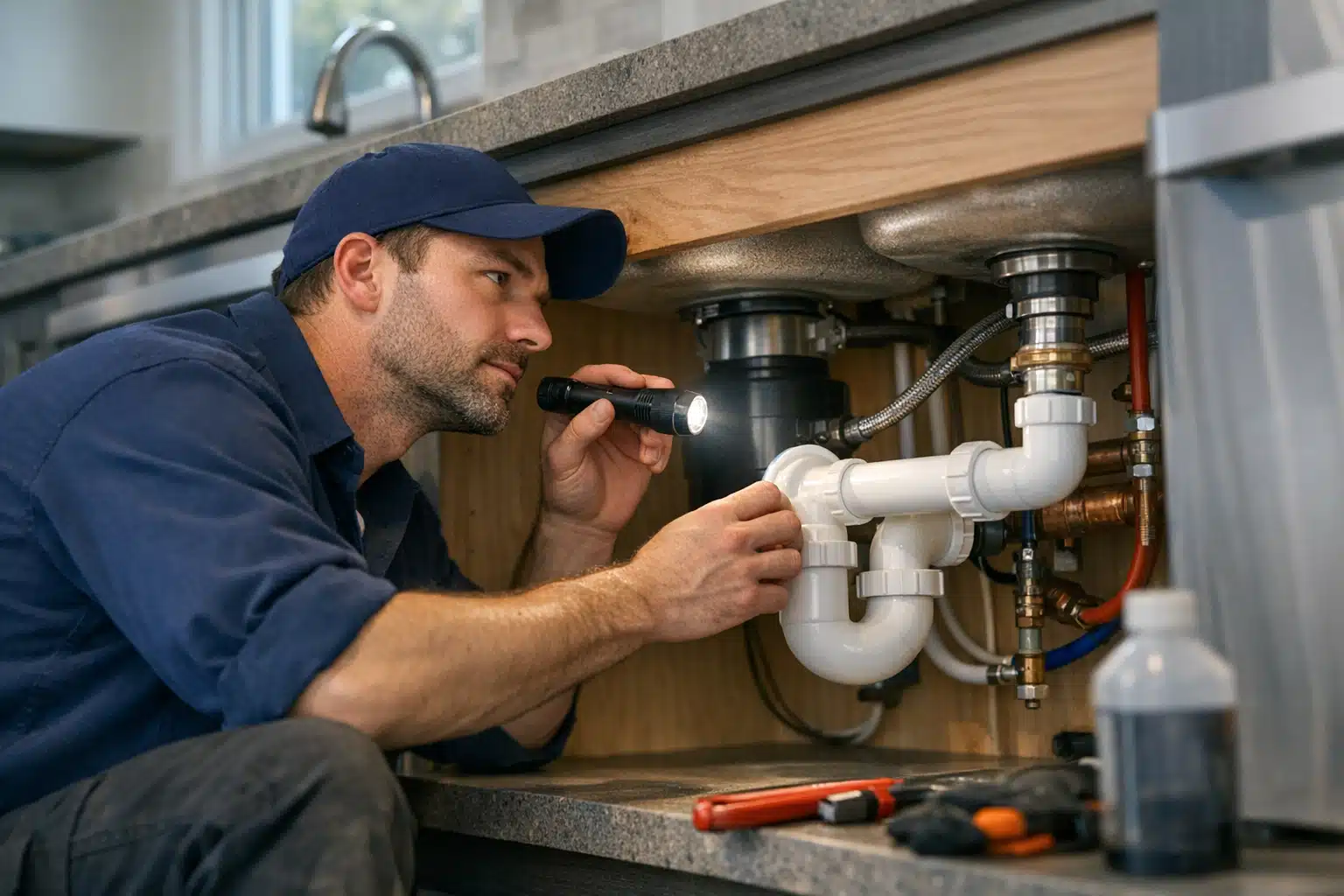
Cardom Plumbing & Heating explains how Arvada homeowners can choose the right drain cleaner based on pipe material, clog type, and home age, while warning against harsh chemicals that damage older Colorado plumbing.
- Chemical caustic cleaners work fast on grease and hair but can warp PVC and corrode galvanized pipes found in pre-1990 homes. Enzyme cleaners are safer for all pipe types and septic systems but take longer to work.
- Homes built after 2000 with PVC drains do well with enzyme products and hand augers. Older homes with galvanized or cast iron pipes should avoid chemical cleaners and use mechanical clearing instead.
- Signs you need a plumber include multiple drains backing up at once, gurgling toilets, sewage smells, or repeat clogs in the same drain. Tree roots in older sewer lines cause many spring backups in Arvada.
Chemical drain cleaners work quickly on minor clogs but can damage older pipes and release harmful fumes. Enzymatic cleaners are safer for plumbing and the environment but work slowly and struggle with tough blockages. Mechanical options like drain snakes effectively clear stubborn clogs without chemicals but require more effort and skill to use properly.
A clogged kitchen sink the night before Thanksgiving is one of the most common calls our Arvada plumbers field each fall. Most homeowners reach for a store-bought drain cleaner first, and some of those products do more harm than good to older Colorado pipes.
This post breaks down the main types of drain cleaners, their real pros and cons, and which ones suit the plumbing found in older and newer Arvada homes. You will learn what to avoid, what to keep under your sink, and when to call a plumber instead.
What a Drain Cleaner Actually Does
A drain cleaner is a product that dissolves or dislodges material blocking a pipe. Common clog sources include grease, hair, soap scum, food scraps, and mineral buildup from hard water.
Arvada sits along the Front Range, where water hardness runs high. That mineral content speeds up buildup inside galvanized and copper lines in homes built before the 1990s.
Picking the right product depends on three things:
- Pipe material — PVC, copper, cast iron, or galvanized steel
- Clog type — organic (hair, grease) vs. mineral or foreign object
- Drain location — kitchen, bathroom, floor drain, or main line
Comparing the Main Types of Drain Cleaner for Arvada Homes
Not every clog calls for the same product. Here is how the main categories stack up for local plumbing systems.
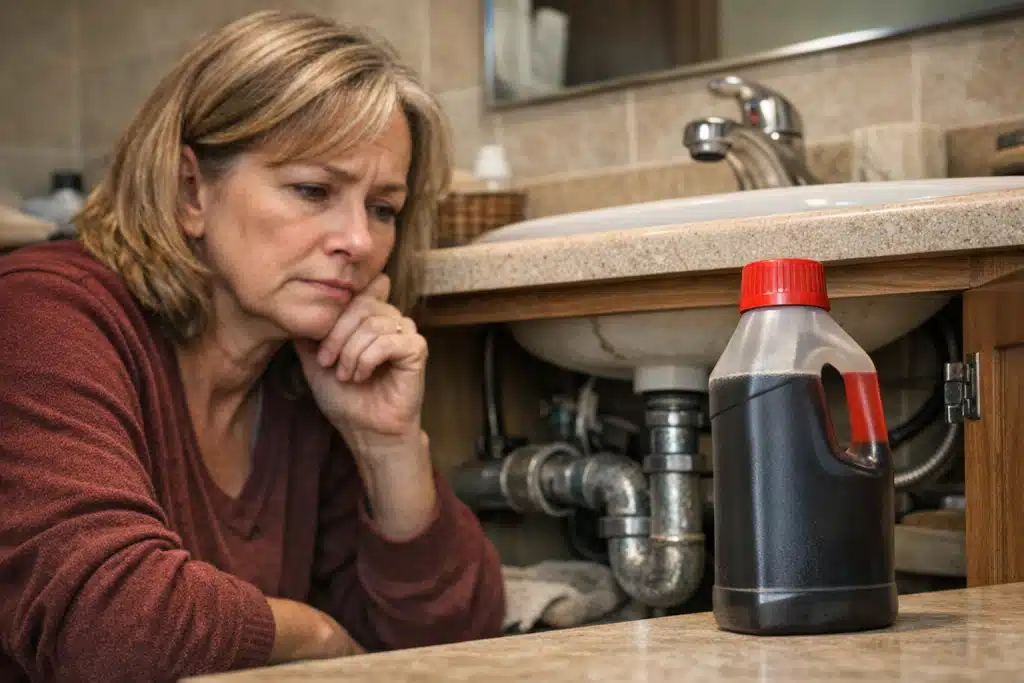
Chemical Caustic Cleaners (Lye and Bleach Based)
These products use sodium hydroxide or sodium hypochlorite to break down organic matter. They work fast on grease and hair in bathroom and kitchen drains.
Pros:
- Cheap, usually $5 to $12 per bottle
- Fast action on fresh organic clogs
- Available at any Arvada hardware store
Cons:
- Heat from the reaction can warp or soften PVC joints
- Corrodes older galvanized pipes common in pre-1990 homes
- Dangerous fumes and skin burns if misused
We caution against repeat use in older Arvada houses. We have pulled cracked PVC traps that failed after months of caustic cleaner abuse.
Acidic Cleaners (Sulfuric or Hydrochloric Acid)
Acid-based products are stronger and meant for tough clogs. Most are sold for plumber use rather than general retail.
Pros:
- Cuts hardened grease and some mineral scale
- Works when caustic cleaners fail
Cons:
- Severe damage risk to metal pipes and fixtures
- Hazardous fumes that irritate lungs and eyes
- Not suited for DIY use in most homes
Leave acid cleaners to trained hands. The hard-water scale in many Arvada lines reacts unpredictably with strong acids.
Enzyme and Bacterial Cleaners
Enzyme cleaners use live bacteria or enzymes to eat organic waste over time. They are the gentlest choice for pipes and septic systems.
Pros:
- Safe for all pipe materials, including old galvanized
- Safe for septic tanks in rural Arvada and Jefferson County
- Low odor and low toxicity
Cons:
- Slow, often needing 6 to 24 hours to work
- Useless on mineral scale or solid objects
- Costs more, around $15 to $25 per bottle
We recommend enzyme products as monthly maintenance, not emergency fixes. Pour one down slow kitchen drains overnight to slow grease buildup.
Mechanical Methods (Augers and Hydro Jetting)
Mechanical cleaning uses physical force instead of chemicals. A hand auger clears hair clogs, and hydro jetting blasts out heavy buildup with pressurized water.
Pros:
- No chemical damage to any pipe type
- Hydro jetting removes mineral scale and grease fully
- Long-lasting results on main lines
Cons:
- Hand augers need some skill to avoid scratching fixtures
- Hydro jetting requires a plumber and costs more up front
For recurring main-line clogs, hydro jetting beats any bottle. We use camera inspection first to confirm the pipe can handle the pressure.
Which Drain Cleaner Fits Your Arvada Home’s Pipes
Match the product to your plumbing to avoid costly damage.
- Homes built after 2000 (PVC drains): Enzyme cleaners for maintenance, hand auger for hair clogs. Skip caustic products when you can.
- Homes from 1960–1990 (galvanized or cast iron): Avoid chemical cleaners entirely. Mechanical clearing protects aging metal.
- Septic homes near Leyden or rural Arvada: Enzyme-only. Chemicals kill the bacteria your tank needs.
- Kitchen grease clogs: Enzyme maintenance plus hot water flushes work best long term.
- Main sewer line backups: Call for a camera inspection and hydro jetting.
5 Signs a Store-Bought Drain Cleaner Won’t Cut It
Some clogs point to a bigger problem no bottle can fix. Watch for warning signs.
- Multiple drains back up at once — points to a main-line blockage
- Gurgling toilets when you run the sink or shower
- Sewage smell near floor drains or in the yard
- Water backing up into the tub after flushing
- Repeat clogs in the same drain within weeks
Any of these calls for a plumber, not another bottle. Tree roots in older Arvada sewer laterals cause many of these backups each spring.

 Posted on Google
Seasonal Drain Care for Front Range Homes
Colorado seasons stress local plumbing in predictable ways. A few habits cut down on emergency calls.
- Fall: Flush kitchen drains weekly before holiday cooking season
- Winter: Avoid pouring hot grease down drains that run along cold exterior walls
- Spring: Watch for slow main drains, a sign of root intrusion after snowmelt
- Summer: Clear hair from shower drains more after high-use pool and sport days
Hard water scale builds year-round in Arvada. A water softener slows buildup and extends the life of your drains and fixtures.
What to Keep Under Your Sink
Stock the right items so you are ready for a minor clog without reaching for harsh chemicals.
- A quality enzyme cleaner for monthly maintenance
- A hand auger (drain snake) for hair clogs
- A sink plunger separate from your toilet plunger
- A drain strainer for every shower and sink
Those four items handle most everyday clogs in a typical Arvada home. Save the plumber call for the backups they cannot touch.
Conclusion
The right drain cleaner depends on your pipe material, clog type, and how often the problem returns. Enzyme cleaners and mechanical clearing protect older Arvada plumbing better than harsh chemicals that corrode aging pipes.
When a clog keeps coming back or more than one drain backs up, you need a plumber who knows local pipes. Call or text Cardom Plumbing & Heating at 720‑775‑8322, email tomd@cardomcolorado.com, or visit https://www.cardomcolorado.com for drain service in Arvada and nearby Front Range communities.


