
Recent Posts
Categories
Summer Plumbing Maintenance Checklist for Broomfield Homes
This checklist from Cardom Plumbing & Heating covers summer plumbing maintenance steps for Broomfield homes, where sprinkler systems and air conditioning strain outdoor spigots, water heaters, and supply lines during peak water use months.
- Homeowners should inspect outdoor faucets for freeze damage, test sprinkler systems for leaks and broken heads, and flush water heaters annually to clear hard water sediment buildup.
- Common summer emergencies include burst washing machine hoses, water heater failures, clogged main lines from tree roots, and overwhelmed sump pumps during storms.
- Preventive maintenance costs far less than emergency repairs - a $150 water heater flush now beats a $2,000 replacement in August.
A summer plumbing maintenance checklist includes inspecting outdoor spigots and hose connections for leaks, checking sprinkler system lines for damage, flushing your water heater to remove sediment buildup, testing sump pumps before monsoon season, examining supply lines for wear, and clearing drain traps. These steps help prevent costly repairs during peak water usage months.
Broomfield homes hit hard summer stress once sprinkler systems kick on and air conditioning runs nonstop. That combination strains outdoor spigots, water heaters, and supply lines all at once. This checklist covers the summer plumbing maintenance steps that matter most for Front Range homeowners.
You will learn how to test irrigation lines, flush your water heater, and catch small leaks before they turn into emergency calls. Every tip reflects what our team sees on real Broomfield service visits during June, July, and August.
Why Summer Plumbing Maintenance Matters Along the Front Range
Summer plumbing maintenance protects your home when water use peaks. A single household in Broomfield can double its outdoor water demand once lawns and gardens need daily watering.
Colorado’s dry heat and hard water speed up mineral buildup inside pipes and fixtures. Left alone, that scale reduces water pressure and shortens the life of your water heater.
Summer storms add another twist. Heavy rain after weeks of dry soil can overwhelm sump pumps and backyard drains in older neighborhoods.
Your Summer Plumbing Maintenance Checklist for Broomfield Homes
Work down this list once at the start of summer, then spot-check monthly. Most items take under 20 minutes each.
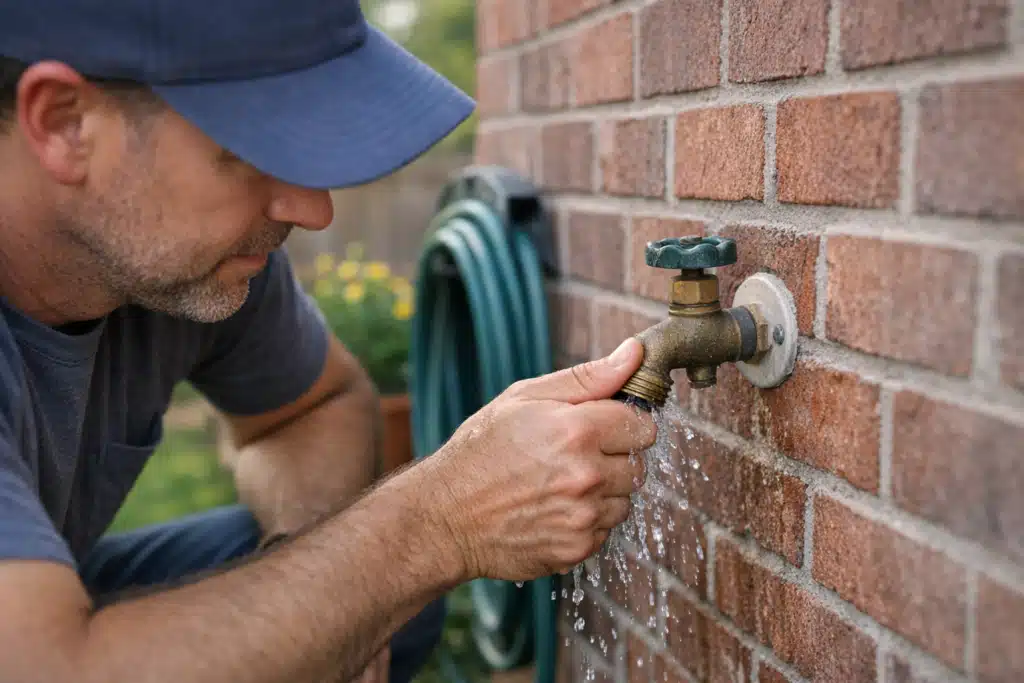
1. Inspect Outdoor Spigots and Hose Bibs
Turn on each outdoor faucet and place your thumb over the opening. If you can stop the flow easily, you may have a hidden interior leak from winter freeze damage.
Check the wall behind the spigot for damp drywall or paint bubbling. Freeze-damaged pipes often leak inside the wall before showing outside.
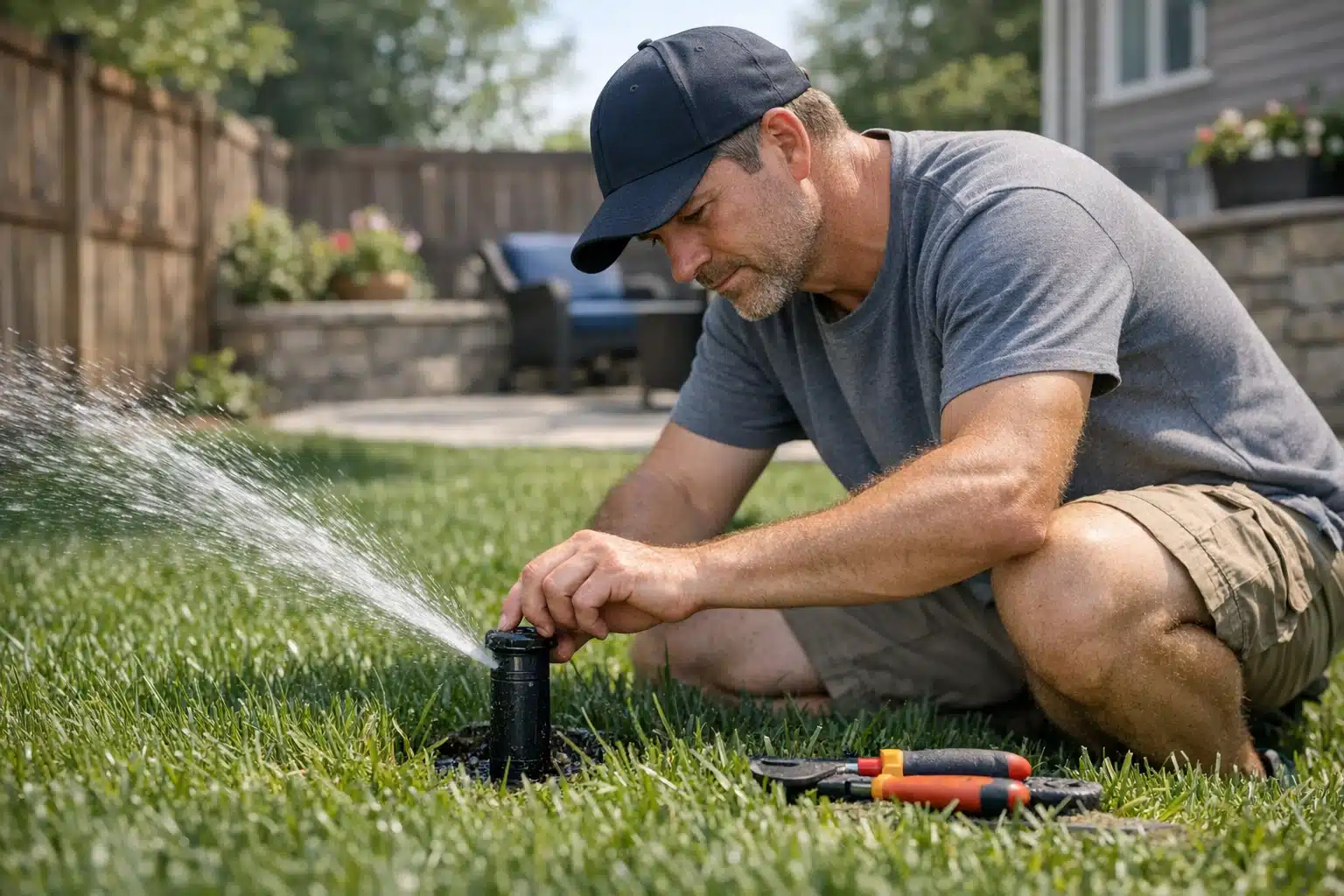
2. Test and Tune Your Sprinkler System
Run each irrigation zone for a full cycle and watch for problems. Broken heads and cracked lines waste hundreds of gallons over a summer.
- Look for geysers or misting from cracked sprinkler heads
- Check for soggy spots that signal an underground line break
- Confirm the backflow preventer holds pressure without dripping
- Adjust heads so water lands on the lawn, not the sidewalk
Colorado requires annual backflow testing on most irrigation systems. A failed device can pull lawn chemicals back into your drinking water.
3. Flush Your Water Heater
Front Range hard water leaves sediment at the bottom of every tank. That layer forces the unit to work harder and rust out sooner.
Flushing once a year clears the buildup. Here is the order that works:
- Turn off power or set a gas unit to pilot
- Shut the cold water supply valve
- Attach a hose to the drain valve and run it outside
- Open the drain and a hot tap upstairs to break the vacuum
- Let the tank empty, then flush with short cold-water bursts
If the water runs rusty or the tank is over 10 years old, call before draining. Old valves sometimes fail to reseal.
4. Check the Washing Machine Hoses
Summer means more laundry from pool towels and sweaty sports clothes. Rubber supply hoses crack with age and burst under that added load.
Replace worn rubber hoses with braided stainless steel lines. A burst washer hose can dump 500 gallons an hour onto your floor.
5. Test the Sump Pump Before Storm Season
Broomfield’s summer afternoon storms drop heavy rain fast. A dead sump pump means a flooded basement within an hour.
Pour a bucket of water into the pit and confirm the pump kicks on. If it hums but does not move water, the impeller may be jammed.
6. Watch for Slab Leaks
A slab leak is a break in a water line running under your concrete foundation. Summer temperature swings shift soil and can crack these buried pipes.
Warning signs include a warm spot on the floor, a spinning water meter with everything off, and a spike in your bill. Catching one early saves thousands in foundation repair.
5 Common Summer Plumbing Emergencies in Broomfield Homes
Our crews respond to the same seasonal problems every year. Knowing them helps you act fast.
- Burst washing machine hose flooding a laundry room or basement
- Water heater failure from sediment buildup and rusted tanks
- Sprinkler backflow leaks after the system sits pressurized all season
- Clogged main line from tree roots hunting moisture in dry soil
- Overwhelmed sump pump during fast-moving hail and rain storms
Tree root intrusion spikes in July. Cottonwoods and elms send roots toward the only water source around, which is your sewer line.
What Summer Plumbing Repairs Cost in the Broomfield Area
Prices vary by home and problem severity. These ranges reflect common Front Range jobs to help you budget.
- Water heater flush: $100–$200 for a standard tank
- Hose bib replacement: $150–$350 depending on access
- Backflow testing: $75–$150 for annual certification
- Sump pump replacement: $400–$900 installed
- Slab leak repair: $1,500–$4,000 based on location
A $150 flush now beats a $2,000 water heater replacement in August. Preventive work almost always costs less than emergency calls.

 Posted on Google
Save Water and Money This Summer
Denver Water district rates rise with heavy summer use. Small fixes trim your bill and reduce strain on the whole system.
Quick Wins That Cut Waste
- Fix running toilets, which can waste 200 gallons a day
- Install a smart sprinkler controller that skips rainy days
- Add aerators to bathroom and kitchen faucets
- Water lawns before 8 a.m. to reduce evaporation loss
A single silent toilet leak adds real dollars over a hot Broomfield summer. Drop food coloring in the tank and watch the bowl to spot one.
When to Call a Plumber Instead of DIY
Many checklist items suit a handy homeowner. Others call for tools and training you may not have.
Reach out right away if you notice any of the following:
- Water pooling near your foundation or under the slab
- A water heater over 12 years old showing rust or noise
- Sewer smells or slow drains across multiple fixtures
- A backflow preventer that drips or fails testing
A slow drain in one sink is minor. Slow drains everywhere point to a main line problem that needs a camera inspection.
Get Ahead of Summer Plumbing Problems
Summer plumbing maintenance keeps your Broomfield home safe from burst hoses, sediment-clogged water heaters, and storm-season floods. A short seasonal checklist today prevents costly emergency repairs later. The steps above cover the issues our team sees most across the Front Range.
Want a trained set of eyes on your system? Contact Cardom Plumbing & Heating at 720‑775‑8322 by call or text, or email tomd@cardomcolorado.com to book summer service in Broomfield, Arvada, and nearby communities.
Sources
- EPA WaterSense – Fix a Leak Week
- Denver Water – Conservation Tips and Rebates
- U.S. Department of Energy – Water Heaters
- Colorado Department of Public Health and Environment – Backflow Prevention


