In Denver, tankless water heaters provide an efficient solution for homeowners facing high-altitude challenges. These systems heat water on demand, eliminating standby energy losses and ensuring a continuous supply of hot water.
Tankless units are compact and save valuable space in homes. They typically last over 20 years with proper maintenance. Local expertise is crucial for installation and service due to Denver's unique altitude and water conditions.
Tankless Water Heater Services in Denver, CO That cold shock during your morning shower hits differently at 5,280 feet.
When your traditional water heater struggles to keep up with Denver’s demanding conditions – or when you’re ready to eliminate that bulky tank altogether – a tankless water heater system offers a modern solution designed for high-altitude living.
What is a tankless water heater?
A tankless water heater is a compact, wall-mounted system that heats water on demand, providing continuous hot water without the energy losses associated with traditional tank heaters. This modern solution is particularly effective in high-altitude areas like Denver, where conventional systems may struggle to meet hot water demands.
Tankless Water Heater Services in Denver, CO
That cold shock during your morning shower hits differently at 5,280 feet. When your traditional water heater struggles to keep up with Denver's demanding conditions – or when you're ready to eliminate that bulky tank altogether – a tankless water heater system offers a modern solution designed for high-altitude living. These compact, wall-mounted units heat water on demand, delivering continuous hot water without the standby energy losses that plague conventional tank systems.
Tankless water heaters work by rapidly heating water as it flows through the unit using either natural gas burners or electric heating elements. When you turn on a hot water tap, cold water travels through a pipe into the unit, where a gas burner or electric element heats it instantly. The result is a steady supply of hot water without waiting for a storage tank to fill and reheat.
Endless hot water supply – no more running out during back-to-back showers
Reduced energy consumption – units only operate when hot water is needed
Space savings – compact design frees up valuable floor space in basements and utility rooms
Extended lifespan – tankless units typically last 20+ years with proper maintenance
Professional installation and service matter significantly in Denver's unique environment. Altitude affects gas combustion ratios, incoming water temperatures drop dramatically in winter, and hard water from Denver's municipal supply creates scale buildup that can damage heating elements. A plumber who understands these local factors will size your unit correctly, adjust combustion settings for altitude, and configure your system to handle the specific challenges of Front Range living.
Denver's combination of high altitude, extreme temperature swings, and mineral-rich water creates a unique set of challenges for tankless water heater systems. Homeowners throughout the metro area – from Capitol Hill Victorians to new construction in Green Valley Ranch – encounter specific problems that differ from what you'd see at sea level or in regions with softer water.
The Mile High City's elevation directly impacts gas-fired tankless units. At 5,280 feet, air contains roughly 17% less oxygen than at sea level. This reduced oxygen density affects combustion efficiency, potentially causing incomplete fuel burning, error codes, and premature shutdowns. Units installed without proper altitude adjustments often underperform or fail entirely during peak demand periods.
Winter brings additional stress to tankless systems. Denver's incoming water temperature can drop to 37-42°F during January and February – significantly colder than the 50-55°F baseline most manufacturers use for sizing calculations. This temperature differential means your unit must work harder to achieve the desired output temperature, sometimes reducing flow rates during the coldest months.
Local Factors Affecting Tankless Water Heater Performance
Hard water scale accumulation – Denver Water reports hardness levels of 50-150 mg/L, causing mineral deposits inside heat exchangers that reduce efficiency and trigger error codes
Altitude combustion issues – Gas units require derating and adjustment for proper operation above 4,500 feet elevation
Extreme cold groundwater – Winter inlet temperatures require upsizing units by 20-30% compared to sea-level recommendations
Rapid temperature fluctuations – Denver's 50-degree daily temperature swings stress venting systems and condensation management
Aging gas infrastructure – Older neighborhoods may have undersized gas lines that cannot support high-BTU tankless units
Dry climate static buildup – Low humidity can affect electronic control boards and sensor reliability
Warning Signs Your Tankless System Needs Attention
Watch for these indicators that your tankless water heater requires professional diagnosis:
Fluctuating water temperatures during single-use periods
Error codes appearing on the unit's display panel
Reduced hot water flow compared to when the unit was new
Unusual sounds – popping, clicking, or rumbling during operation
Visible scale or white deposits around connections
Delayed hot water delivery taking longer than normal
Recent Work
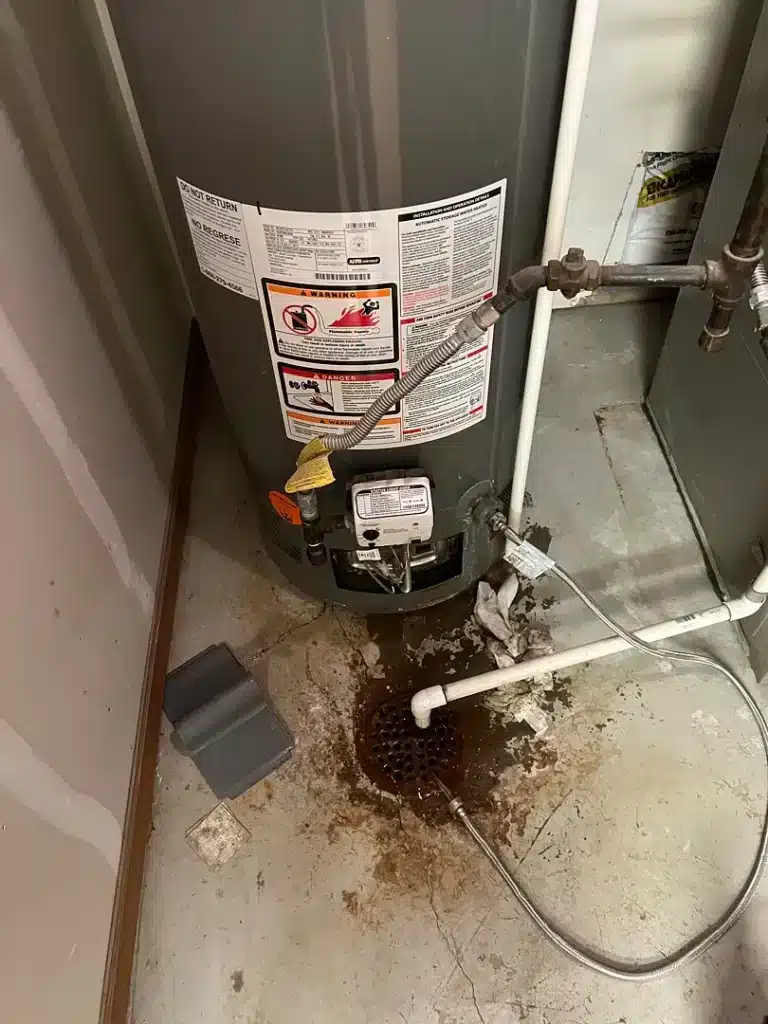
Replace Leaking Water Heater - Denver
Problem:Leaking water heater
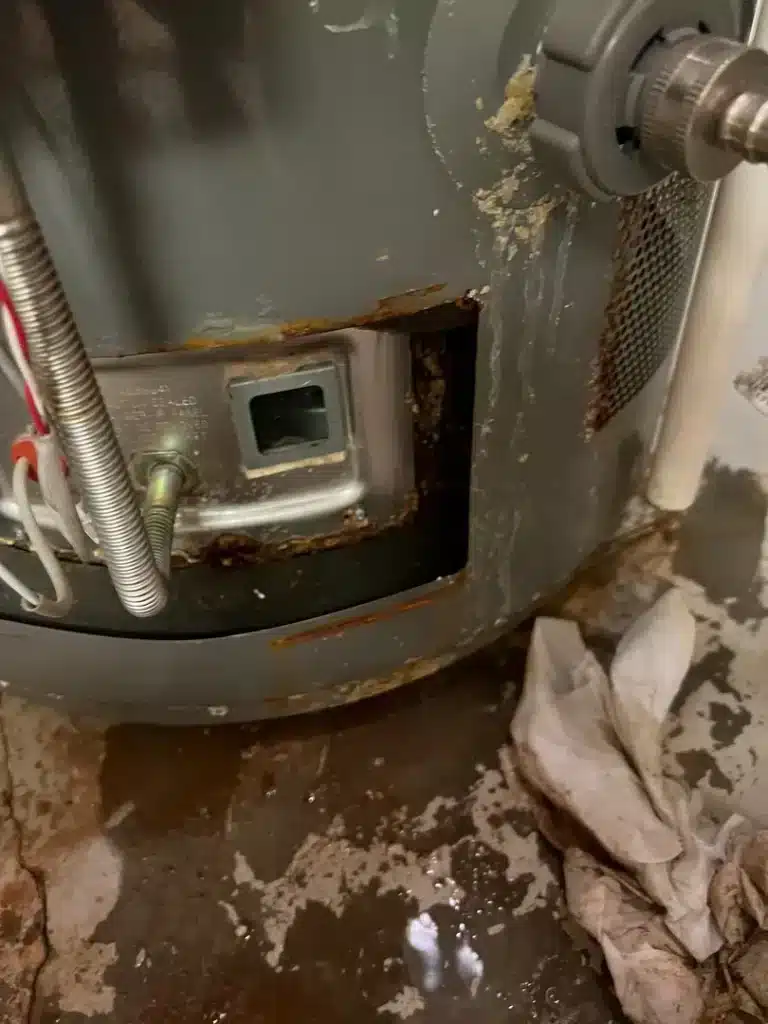
Found:Pan was filled with water.
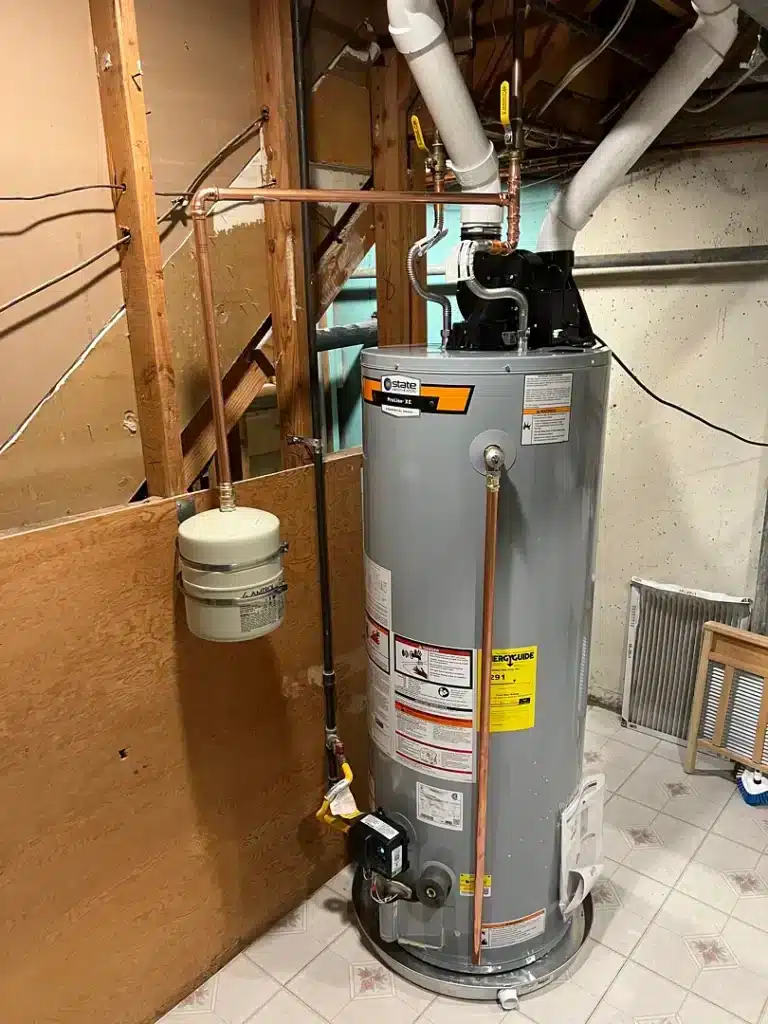
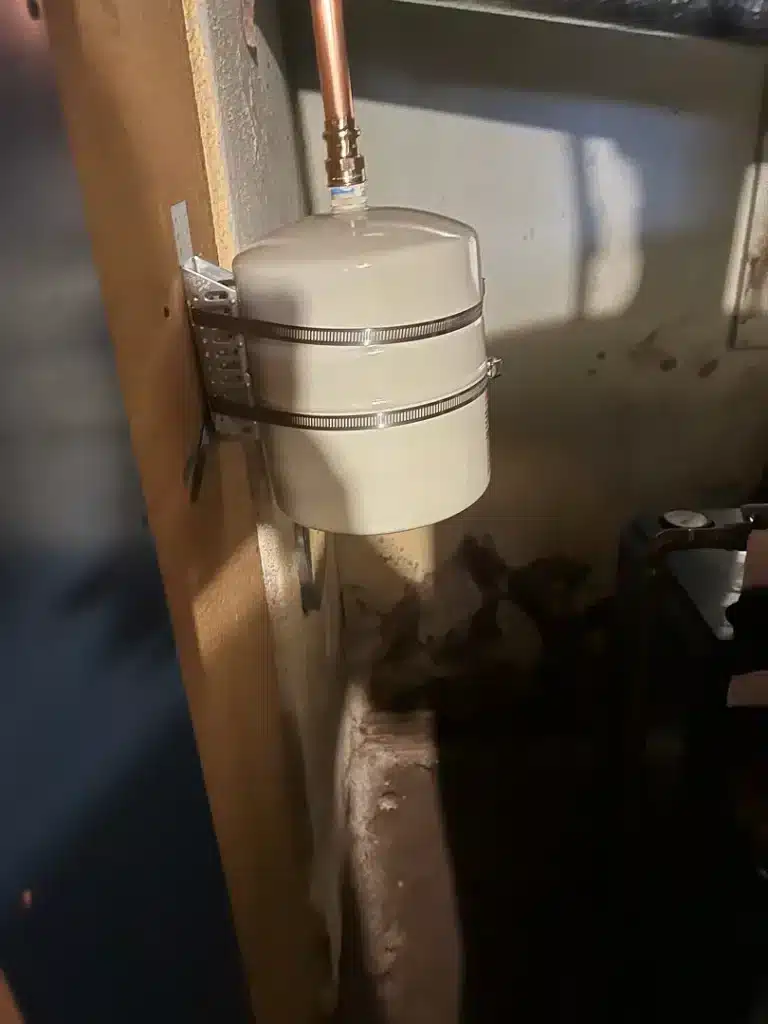
Fixed:Replaced heater and added a thermal expansion tank. Mounted it inside of a tank kit and scrwed the kit to the wall. Pressurized the tank with air to the incoming water pressure of the bldg. Tied into the new tee fitting below the new ball valve on the heater.
Outcome:Finished full installation and set heater at 120F and tested for gas leaks and flue draw. Working well.
Water Heater Replacement - Denver
Problem:Installed power vented water heater
Found:Old exhaust
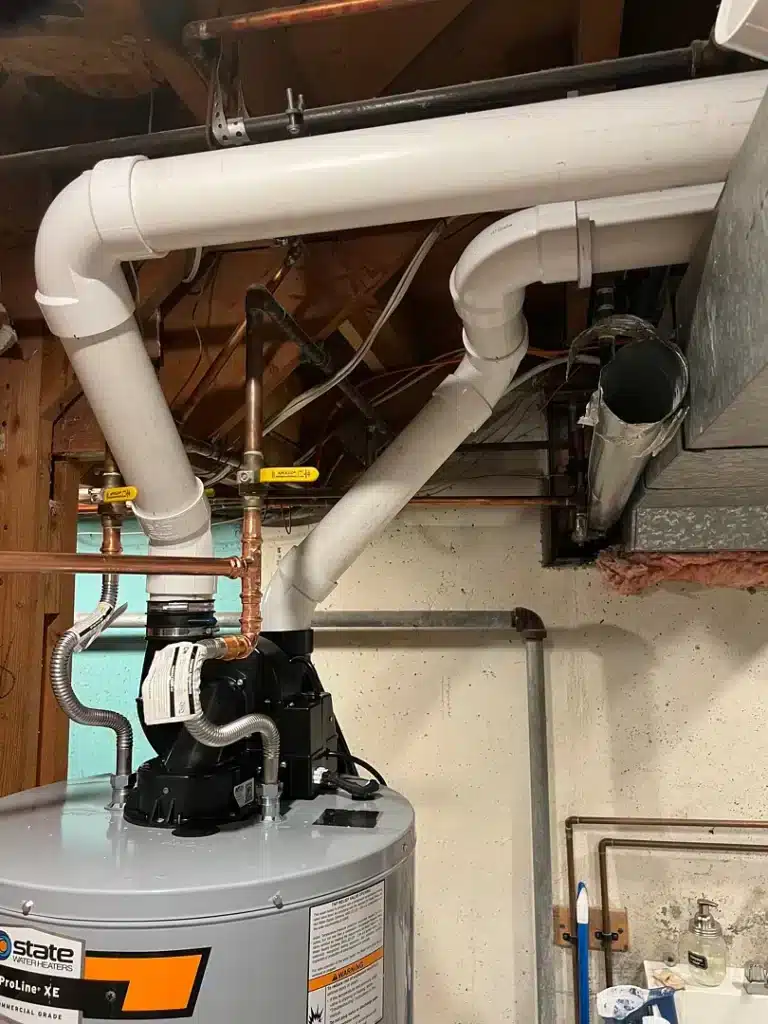
Fixed:Remove and replaced water heater with new power venting type. Removed old exhaust that was installed wrong, back pitched and going downhill through crawlspace and then back up hill and was never taken directly outside . Cut intake and exhaust through side of home sealing wall with hydraulic cement.
Outcome:Turned on and tested everything no issues found.
Replace Water Heater - Denver
Problem:Replace 50 gallon water heater
Found:Broken water heater.
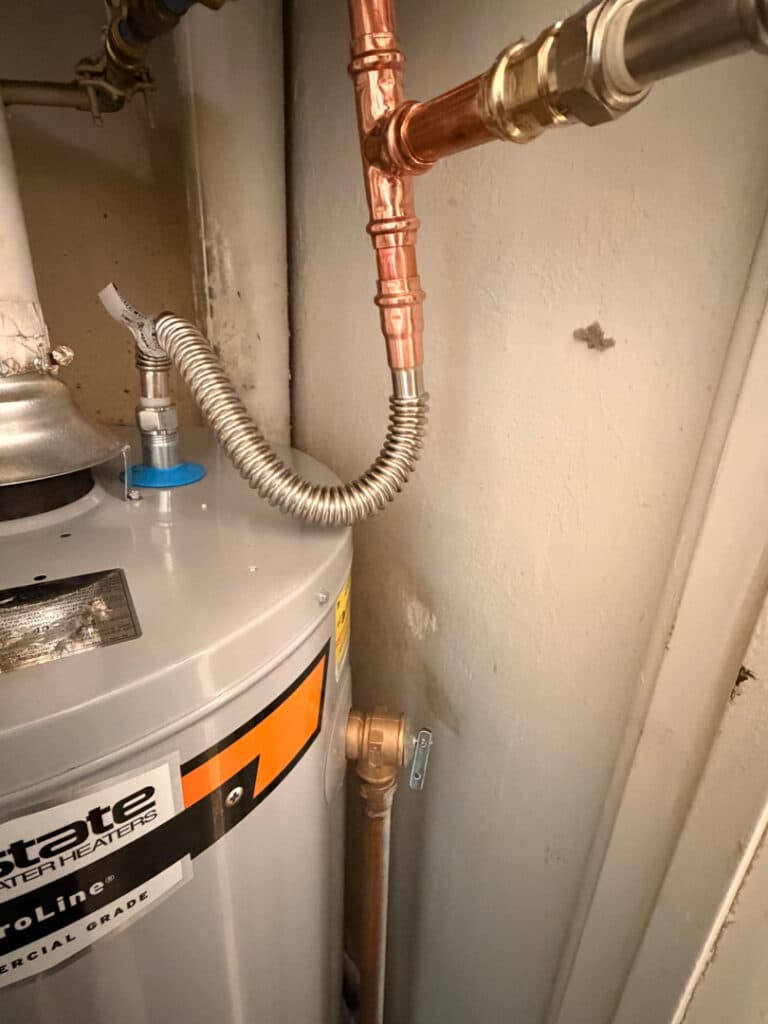
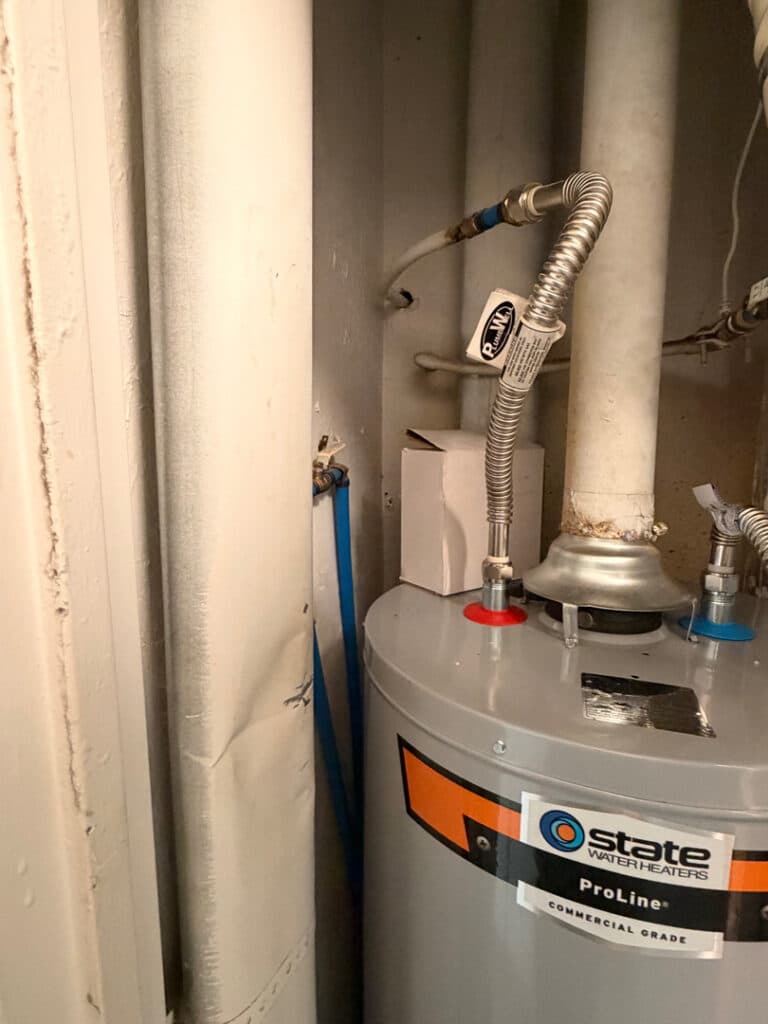
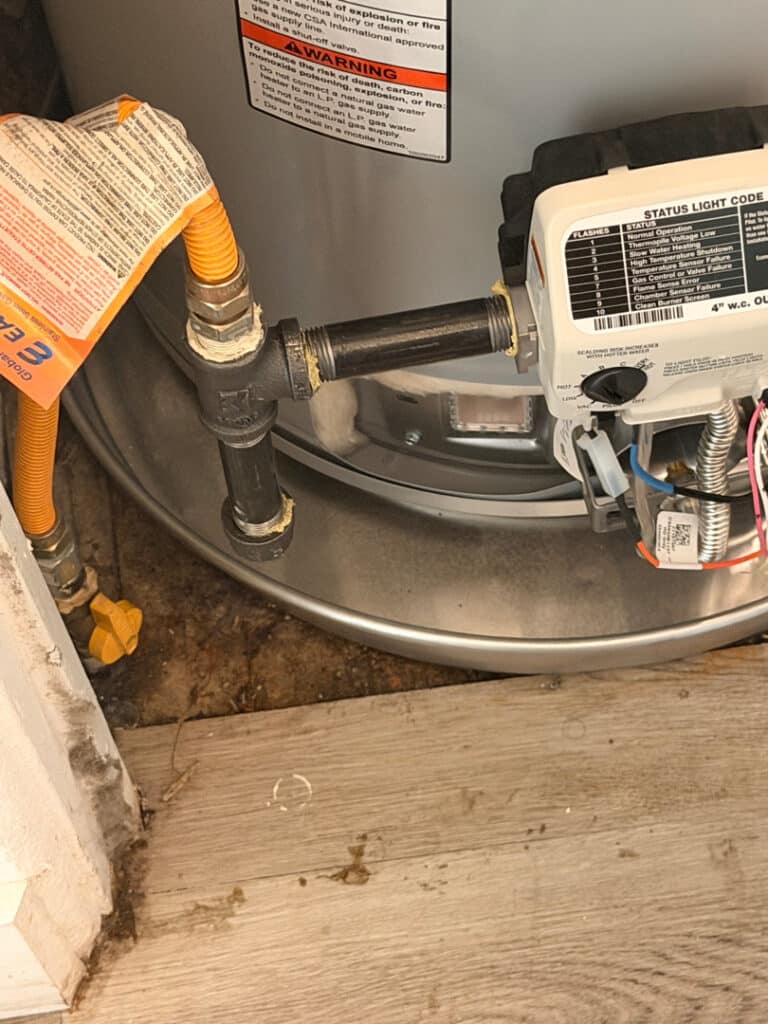
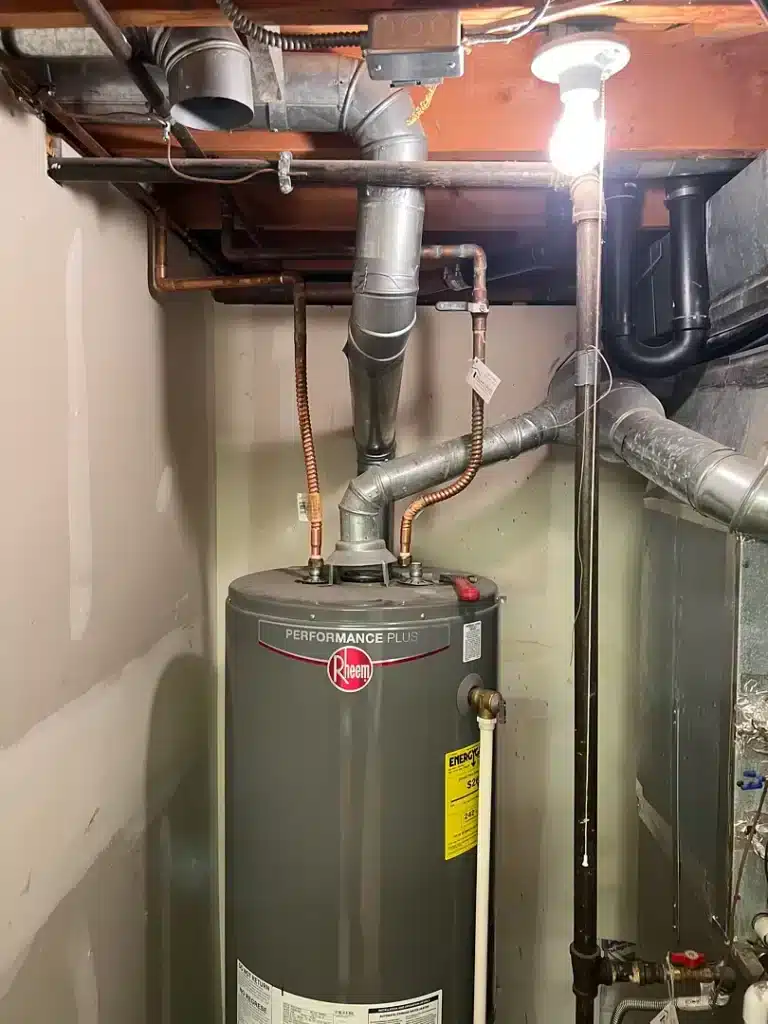
Fixed:Replace gas valve and stainless steel flex to the heater. Furnished and installed a thermal expansion tank and mounted it on the wall. Pressurized the tank to the incoming water pressure. Set heater in pan.
Outcome:Tested and working properly.
Replace water heater with new - Denver
Problem:Remove and replace water heater.
Found:Old water heater.
Fixed:Add new gas valve and new flex , new cold main water shut off with expansion tank, also set heater in pan.
Our approach to tankless water heater service combines systematic diagnostics with altitude-specific expertise developed through years of serving Denver homeowners. Whether you're experiencing performance issues with an existing unit or considering a new installation, we follow proven processes designed for reliable outcomes.
Our Tankless Water Heater Service Process
Initial assessment and consultation – We evaluate your current hot water demands, review your home's gas supply capacity or electrical service, and discuss your household's usage patterns
System inspection and diagnostics – For existing units, we check error code history, test ignition systems, measure flow rates, and inspect heat exchangers for scale buildup
Water quality testing – We assess hardness levels and recommend appropriate descaling schedules or water treatment options
Sizing calculations – For new installations, we calculate proper unit capacity using Denver-specific inlet temperatures and altitude factors
Installation or repair execution – Our technicians complete work according to manufacturer specifications with altitude adjustments
System testing and calibration – We verify proper operation across multiple fixtures, check combustion readings, and confirm venting performance
Homeowner education – We walk you through maintenance requirements, error code meanings, and optimal operation practices
Methods and Techniques We Use
Combustion analysis testing to verify proper gas-to-air ratios at altitude
Flow rate measurement at multiple fixtures to confirm adequate sizing
Heat exchanger inspection using specialized cameras when accessible
Descaling service using food-grade citric acid solutions for safe mineral removal
Gas pressure testing to confirm adequate supply for high-BTU units
Venting inspection for proper condensate drainage and termination clearances
Quality Control and Communication
Before leaving any job, we run the system through its full operating cycle, testing multiple hot water draws simultaneously when applicable. We document our findings, photograph any concerns, and provide clear explanations of what we discovered and what we recommend.
Throughout the service process, you'll receive direct communication from your assigned technician. We explain what we're finding in plain language, present options without pressure, and answer questions thoroughly. If parts need ordering or additional work is required, we communicate timelines clearly and follow up as promised.
Why Choose Cardom Plumbing & Heating
Tankless water heater work demands specialized knowledge that goes beyond general plumbing skills. Our technicians hold manufacturer certifications for major tankless brands and receive ongoing training on altitude-specific installation requirements. We understand the combustion adjustments, venting configurations, and sizing calculations that make the difference between a system that performs flawlessly and one that frustrates you with cold water sandwiches and error codes.
Local knowledge matters when diagnosing tankless issues. We know which Denver neighborhoods have older gas infrastructure that may require line upgrades. We understand how homes in Wash Park differ from those in Stapleton regarding basement configurations and venting options. This familiarity helps us anticipate challenges and provide accurate assessments before work begins.
What Sets Us Apart
Altitude expertise – Every installation includes proper derating calculations and combustion adjustments for Mile High performance
Comprehensive diagnostics – We identify root causes rather than simply resetting error codes
Honest assessments – If your existing unit can be repaired cost-effectively, we'll tell you; if replacement makes more sense, we'll explain why
Follow-up support – We check in after installations to confirm satisfaction and address any questions
Maintenance programs – Scheduled descaling and inspection services to protect your investment
Our response times reflect our commitment to Denver homeowners. When your tankless unit fails on a January morning, you need prompt attention – not a callback in three days. We maintain scheduling flexibility for urgent situations while respecting appointments for planned work. Every technician arrives with fully stocked vehicles, reducing the need for return trips to complete common repairs.
Housing Characteristics & Tankless Water Heater Considerations
Denver's housing stock spans more than 140 years of construction, creating diverse installation scenarios for tankless water heater systems. Understanding your home's specific characteristics helps determine the best approach for reliable hot water delivery.
Historic and Mid-Century Homes
Homes built before 1960 – common in neighborhoods like Park Hill, Congress Park, and Baker – present specific tankless installation considerations:
Gas line sizing – Original 1/2" gas lines often cannot support modern high-BTU tankless units requiring 3/4" or larger supply
Electrical capacity – Older panels may lack capacity for electric tankless units, which can draw 100+ amps
Venting routes – Historic homes may have limited options for direct-vent or power-vent terminations
Space constraints – Small utility areas and finished basements can complicate installation access
Ranch-Style and Split-Level Homes
Denver's 1950s-1980s suburban development brought thousands of ranch and split-level homes to areas like Lakewood, Arvada, and Aurora. These properties typically feature:
Accessible basement mechanical rooms with existing gas and water connections
Adequate gas line sizing for most tankless applications
Straightforward venting through rim joists or existing chimney chases
Long pipe runs to master bathrooms that may benefit from recirculation systems
New Construction and Modern Builds
Homes built after 2000 in areas like Lowry, Central Park, and Green Valley Ranch often include tankless-ready infrastructure. However, builder-grade installations sometimes cut corners on sizing or skip altitude adjustments. Common issues we encounter include undersized units for the home's fixture count and improper venting configurations that cause condensation problems.
Multi-Unit Buildings and Condominiums
Denver's condominium market – from LoDo lofts to high-rise units downtown – presents unique tankless considerations:
HOA approval requirements for exterior venting modifications
Shared gas riser capacity limitations
Electric tankless options where gas isn't available
Noise transmission concerns in multi-family settings
Environmental Conditions & Tankless Water Heater Implications
Denver's high-desert climate and municipal water characteristics create specific operating conditions that directly impact tankless water heater performance and longevity. Understanding these factors helps you make informed decisions about equipment selection and maintenance schedules.
Water Quality Characteristics
Denver Water supplies the metropolitan area from a combination of mountain reservoirs and South Platte River sources. The water quality directly affects tankless system maintenance needs:
Hardness levels – Ranging from 50-150 mg/L depending on source blend, creating moderate scale accumulation in heat exchangers
pH levels – Typically 7.5-8.5, slightly alkaline and conducive to mineral precipitation
Seasonal variation – Spring runoff periods bring different mineral content than winter reservoir draws
Chloramine treatment – Denver Water uses chloramine disinfection, which is less aggressive to equipment than chlorine
These water characteristics mean most Denver tankless units require descaling service every 12-18 months to maintain efficiency and prevent heat exchanger damage. Homes in areas with particularly hard water may benefit from whole-house water softening or point-of-use treatment.
Climate Impacts on System Performance
Denver's semi-arid climate with dramatic temperature swings affects tankless operation in several ways:
Winter inlet temperatures – Groundwater temperatures drop to 37-42°F, requiring units to produce 70+ degree temperature rises
Condensation management – Cold outdoor temperatures create significant condensate during operation of high-efficiency units
Freeze protection – Exterior-mounted units and outdoor venting require freeze protection measures
Low humidity effects – Denver's dry air can affect electronic components and sensor accuracy over time
Soil and Drainage Considerations
While tankless units are wall-mounted, the supporting plumbing infrastructure interacts with Denver's soil conditions. The region's expansive clay soils cause foundation movement that can stress water and gas lines. Homes in areas with significant soil movement may experience connection leaks or fitting failures that require attention during tankless service visits.
Condensate drainage from high-efficiency tankless units must be properly routed – the acidic condensate can damage concrete floors and requires neutralization or proper drainage connections. Denver's freeze-thaw cycles make exterior condensate routing problematic without proper protection.
Denver Water Infrastructure and Tankless System Compatibility
Denver's water delivery infrastructure influences tankless water heater installation requirements and long-term performance. The city's water system serves approximately 1.5 million people across a 4,000-square-mile service area, with water traveling from mountain collection points through an extensive distribution network before reaching your home.
The age and condition of neighborhood water mains varies significantly across the metro area. Older distribution lines in established neighborhoods like Capitol Hill, Five Points, and West Colfax may experience pressure fluctuations that affect tankless operation. Tankless units require minimum flow rates and pressure levels to activate – typically 0.5 GPM minimum flow and 20 PSI minimum pressure. Homes with marginal pressure may experience ignition failures or inconsistent heating.
Key Infrastructure Data Points
Average water pressure – Denver Water maintains 40-80 PSI throughout most of the system, with pressure-reducing valves required in some foothill areas
Pipe replacement programs – Ongoing lead service line replacement affects some older neighborhoods, potentially improving flow characteristics
Seasonal demand patterns – Summer irrigation demands can reduce pressure in some areas during peak usage hours
Elevation variations – Denver's topography creates pressure zones, with higher-elevation areas sometimes experiencing lower delivery pressure
Gas infrastructure also varies by neighborhood age. Xcel Energy maintains the natural gas distribution system, but service line sizing from the meter to your home depends on original construction standards. Homes built before 1970 often have 1/2" service lines adequate for traditional water heaters but undersized for high-BTU tankless units requiring 150,000+ BTU input. Upgrading gas service adds cost and complexity to tankless installations in these properties.
Understanding your specific neighborhood's infrastructure characteristics helps us provide accurate assessments and avoid surprises during installation. We routinely check gas meter capacity, measure incoming water pressure, and evaluate existing line sizing as part of our pre-installation evaluation process.
A tankless water heater is a system that heats water on demand rather than storing it in a tank. When you turn on a hot water tap, cold water flows through the unit, where it is heated instantly by either gas burners or electric elements, providing a continuous supply of hot water.
Tankless water heaters work by using either natural gas or electricity to heat water as it flows through the unit. This means you get hot water immediately without waiting for a tank to fill and heat, making it an efficient option for households.
In Denver, a tankless water heater can be particularly beneficial due to the high altitude and cold water temperatures. These systems provide endless hot water, reduce energy consumption, and save space compared to traditional tank heaters.
The main benefits include a continuous supply of hot water, lower energy bills since they only heat water when needed, and a compact design that saves space. Additionally, tankless units often have a longer lifespan than traditional water heaters.
While tankless water heaters offer many advantages, they can have higher upfront costs and may require professional installation to ensure they function properly, especially in Denver's unique conditions. Some users also report that they may struggle to supply multiple outlets with hot water simultaneously.
With proper maintenance, tankless water heaters can last over 20 years, significantly longer than traditional tank water heaters. Regular servicing helps prevent issues like scale buildup, which can be a concern in areas with hard water.
You can find professional installation services for tankless water heaters in Denver by searching online or contacting local plumbing companies. It's important to choose a plumber familiar with the unique challenges of high-altitude installations to ensure optimal performance.