
Recent Posts
Categories
How to Prevent Pipe Corrosion in Arvada Homes
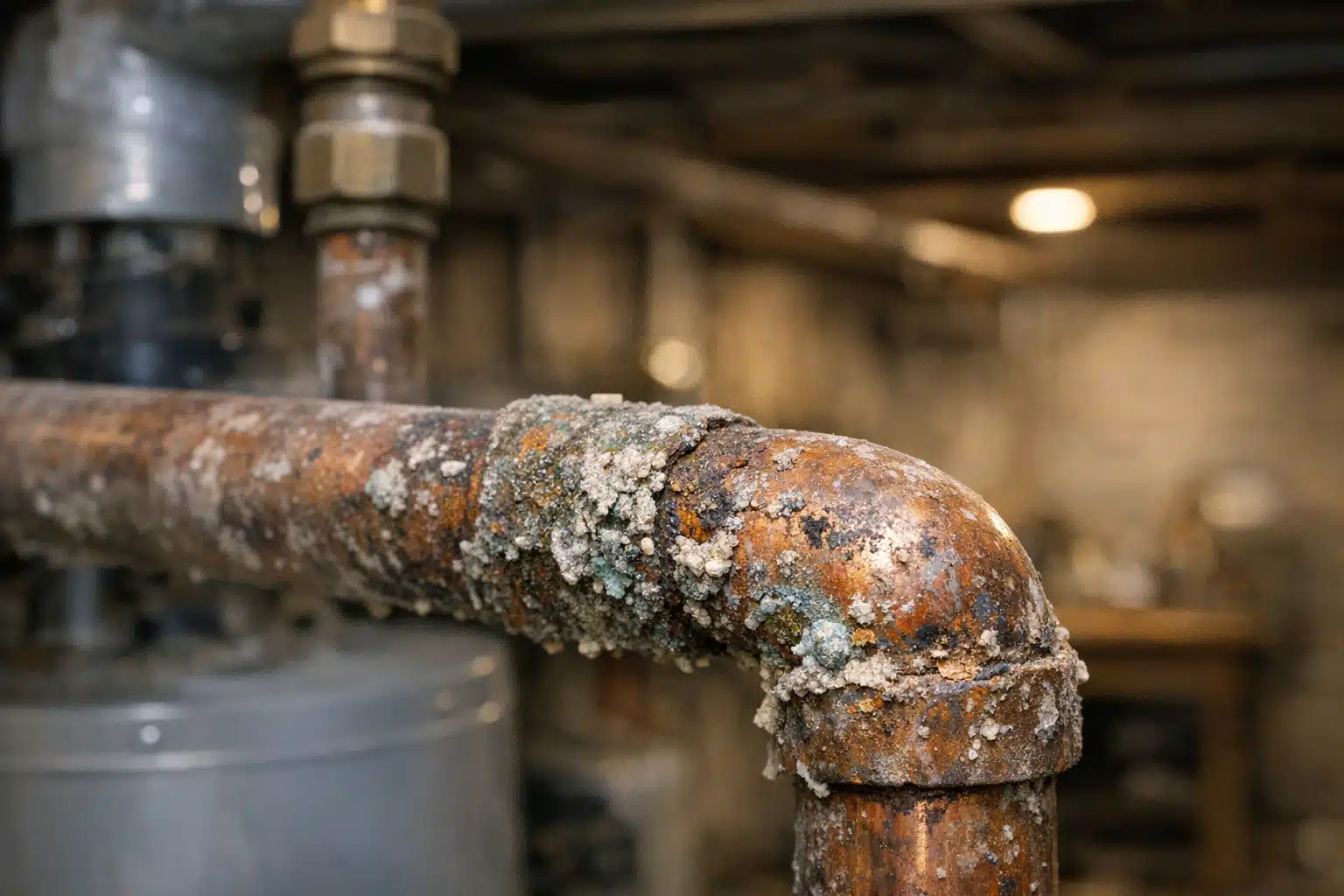
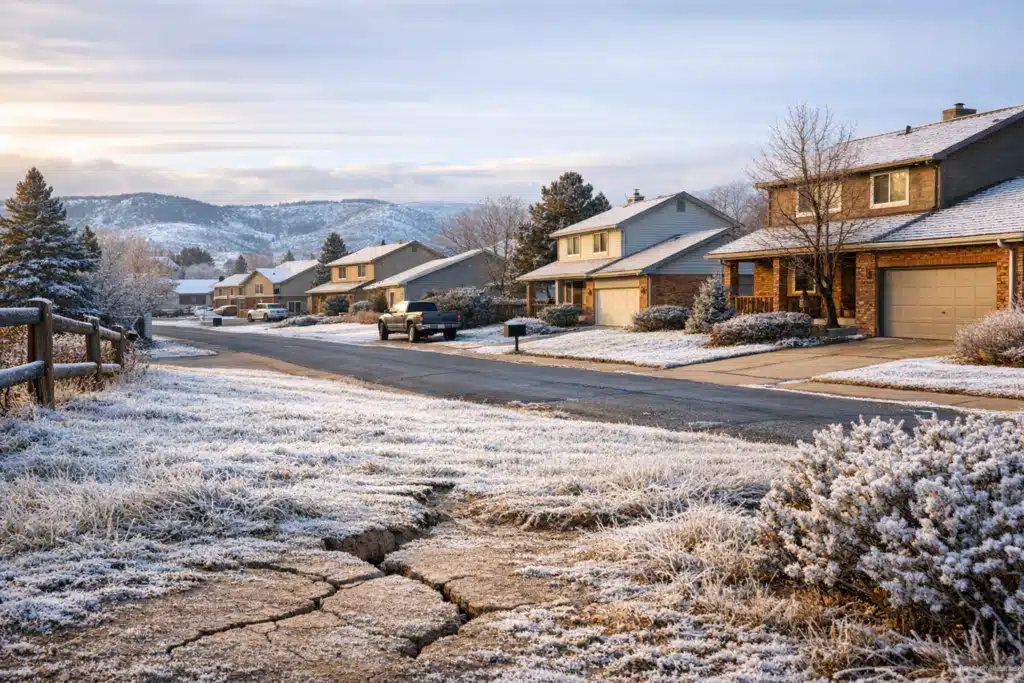
Arvada homes face accelerated pipe corrosion due to hard water with high calcium and magnesium levels, alkaline pH that damages copper, and expansive clay soil that stresses buried lines during freeze-thaw cycles.
- Installing a whole-home water softener and testing water chemistry yearly helps reduce scale buildup and catch corrosive changes early. Replacing old galvanized pipes and adding dielectric unions at metal connections also protects plumbing.
- Warning signs include discolored water, metallic taste, low pressure, pinhole leaks, and blue-green stains in tubs. Catching these early prevents costly water damage repairs.
- PEX piping resists scale and handles temperature swings better than copper or CPVC. Whole-home repipes with PEX typically cost $4,000 to $12,000 in the Arvada area.
Preventing pipe corrosion in Arvada homes starts with understanding local water conditions. Install a water softener to reduce hard water minerals that wear down metal pipes. Consider adding a whole-house filtration system and schedule regular plumbing inspections. For homes with copper pipes over 25 years old, a professional assessment can identify early corrosion before leaks develop.
If your Arvada home has copper pipes over 25 years old, corrosion is already working against you. Hard water minerals and shifting soil along the Front Range wear down plumbing faster than many homeowners expect. Good pipe corrosion prevention starts with knowing what makes Arvada water so tough on metal.
This post explains why local pipes corrode, how to spot early warning signs, and what steps keep your plumbing healthy. You’ll get practical Arvada plumbing tips based on real repairs we’ve made across Jefferson County.
What Causes Pipe Corrosion in Arvada Homes?
Pipe corrosion is the gradual breakdown of metal pipes caused by chemical reactions with water and minerals. In Arvada, three local conditions speed up that breakdown.
Arvada’s Hard Water and Mineral Content
Water in Arvada comes mainly from Clear Creek and Ralston Reservoir sources. It carries high levels of calcium and magnesium, measuring roughly 100–180 mg/L hardness in many neighborhoods.
Those minerals build up inside pipes over time. Scale layers trap water against copper walls and create pitting, which are tiny holes that grow into pinhole leaks.
High pH and Copper Pitting
Front Range treated water runs slightly alkaline, with a pH near 7.5–8.5. When pH swings, it strips the protective oxide layer inside copper lines.
We see this most in homes built between 1970 and 1995 near Ralston Valley and Olde Town. Thin-wall copper from that era pits early, then fails at solder joints.
Soil Movement and Temperature Swings
Arvada sits on expansive clay soil that shifts with moisture and freeze-thaw cycles. That movement stresses buried water and gas lines.
Winter temperature drops from 50°F afternoons to single digits overnight. Metal expands and contracts, cracking corroded joints that were already weak.
Pipe Corrosion Prevention Steps for Arvada Homeowners
You can slow corrosion with a few targeted actions. Here is what works for local water conditions.
- Install a whole-home water softener. Reducing calcium and magnesium cuts scale buildup on copper and galvanized lines.
- Add a phosphate feeder if you have well water. It coats pipe interiors and blocks direct metal contact.
- Test your water chemistry yearly. Track pH and hardness so you catch corrosive shifts early.
- Replace galvanized steel pipes. Homes near Arvada’s older districts still have rusting galvanized lines from the 1950s and 60s.
- Add dielectric unions at metal connections. They stop galvanic corrosion where copper meets steel.
- Insulate pipes in crawl spaces and garages. Stable temperatures reduce expansion stress during Arvada winters.
Warning Signs Your Pipes Are Corroding
Catching corrosion early saves thousands in water damage repairs. Watch for the signals below.
- Discolored water. Brown, orange, or blue-green tints point to rust or copper breakdown.
- Metallic taste. Dissolved metals change how tap water tastes and smells.
- Low water pressure. Scale narrows pipe openings and chokes flow.
- Frequent pinhole leaks. Small drips under sinks or in basements signal pitting.
- Green or white crust on fittings. Visible buildup on valves means active corrosion.
- Rust flakes in aerators. Debris in faucet screens comes from degrading pipe walls.
Blue-green stains in tubs and sinks are a classic Arvada sign. They mean copper is leaching into your water supply.
Which Pipe Materials Resist Corrosion Best?
Choosing the right material matters during repiping or new construction. Each type handles Front Range water differently.
PEX Piping
PEX is flexible plastic tubing that resists scale and mineral buildup. It handles freeze-thaw cycles better than rigid metal.
Most repipe jobs we do in Arvada now use PEX. It costs less to install and does not pit like copper.
Copper
Copper lasts decades when water chemistry stays balanced. It still suffers pitting in high-pH Arvada supplies without treatment.
CPVC
CPVC resists corrosion and handles hot water lines. It can grow brittle in cold garages and crawl spaces, though.
Cost Expectations for Corrosion Repairs in Arvada
Pricing depends on pipe location, material, and damage extent. Here are general ranges for local homes.
- Single pinhole leak repair: $200–$500 for accessible joints.
- Water softener installation: $1,200–$3,000 depending on system size.
- Partial repipe (one bathroom): $1,500–$4,000.
- Whole-home repipe with PEX: $4,000–$12,000 based on square footage.
- Galvanized line replacement: $2,500–$8,000 for older Arvada homes.
Fixing early corrosion always costs less than repairing water damage. One burst line behind drywall can run past $10,000 in restoration.

 Posted on Google
Seasonal Corrosion Risks Along the Front Range
Arvada plumbing faces different threats each season. Knowing the pattern helps you plan maintenance.
- Winter: Freeze-thaw cracks weak corroded joints, causing sudden leaks.
- Spring: Soil swells with snowmelt and stresses buried lines.
- Summer: Higher water use pulls more minerals across pipe walls.
- Fall: Best time for inspections before the first hard freeze.
We recommend a fall plumbing check for every Arvada household. Catching a corroded valve in October beats an emergency in January.
How to Keep Your Water Heater Corrosion-Free
Water heaters take the worst of Arvada’s hard water. The tank corrodes from the inside out.
The anode rod is a sacrificial metal bar that rusts instead of your tank. Check it every two years and replace it when heavily worn.
Flush your tank yearly to clear sediment. Mineral buildup at the bottom accelerates rust and shortens heater life by years.
When to Call a Plumber
Some corrosion problems need a licensed plumber right away. Contact one if you notice these situations:
- Recurring pinhole leaks in the same area
- Water discoloration that lasts more than a day
- Visible corrosion on your main shutoff valve
- Reduced pressure across multiple fixtures
- Any leak inside walls or under slabs
A trained Arvada plumber can test your water and map corrosion spots. That prevents guesswork and stops small issues from spreading.
Final Takeaways
Arvada’s hard water, alkaline pH, and shifting clay soil all attack metal pipes. Softening your water, testing chemistry yearly, and upgrading old galvanized lines are the strongest defenses. Early action on discoloration and pinhole leaks keeps repair costs low.
Ready to protect your plumbing? Call or text Cardom Plumbing & Heating at 720‑775‑8322, email tomd@cardomcolorado.com, or visit https://www.cardomcolorado.com for corrosion inspection and repair in Arvada and nearby Front Range communities.
Sources
- U.S. Environmental Protection Agency – Lead and Copper Rule
- U.S. Geological Survey – Hardness of Water
- Centers for Disease Control and Prevention – Copper in Drinking Water


