
Recent Posts
Categories
Avoiding Costly DIY Plumbing Mistakes in Arvada Homes
Arvada homeowners often face costly plumbing repairs due to small DIY mistakes made worse by local conditions like hard water, freeze cycles, and aging pipes. This guide from Cardom Plumbing & Heating explains which repairs are safe to try and when to call a licensed plumber.
- Common DIY errors include overtightening old fittings, mixing incompatible pipe materials, skipping the main shutoff, and aggressive drain snaking - each can turn a $200 fix into thousands in damage.
- Seasonal risks like frozen outdoor spigots and burst supply lines can be prevented with fall maintenance such as disconnecting hoses, insulating exposed pipes, and testing sump pumps.
- Simple tasks like replacing toilet flappers or clearing shallow clogs are safe to DIY, but work behind walls, under slabs, or involving gas lines should go to a licensed plumber.
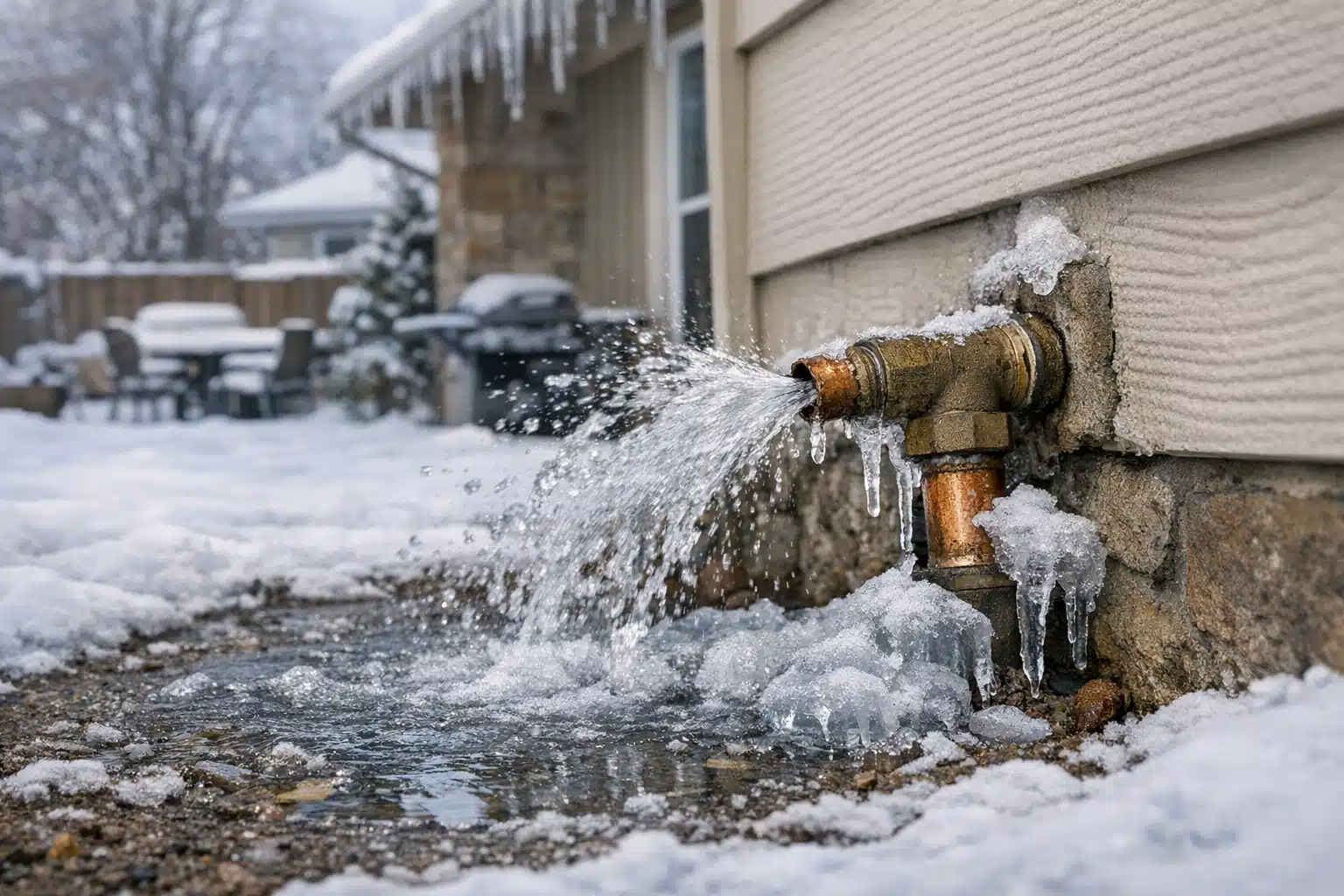
Common DIY plumbing mistakes that lead to burst pipes include loose fittings that slowly leak over time, skipping the installation of proper shutoff valves, and failing to insulate pipes in areas prone to freezing temperatures. These small oversights during home improvement projects often go unnoticed for months before causing significant water damage to basements and living spaces.
Every February, Arvada homeowners call us after a burst pipe floods a basement finished last summer. The cause is almost always a small DIY plumbing mistake made months earlier. A loose fitting, a skipped shutoff, or a frozen line nobody insulated.
This post covers the specific errors we see most in local homes. You will learn which repairs are safe to try, which ones backfire, and when calling a licensed plumber saves you money.
Arvada sits at 5,300 feet with cold winters, hard water, and older housing stock. That combination creates plumbing problems that generic online tutorials never mention.
Why DIY Plumbing Mistakes Cost More in Arvada Homes
A DIY plumbing mistake is any repair error that causes water damage, code violations, or a bigger failure than the original problem. In Arvada, three local conditions make errors worse.
- Hard water: Denver-area water averages high mineral content, which stiffens valves and corrodes older fittings.
- Freeze cycles: Repeated freeze-thaw swings crack pipes that a summer repair left slightly loose.
- Aging homes: Many Arvada houses built between 1960 and 1990 still have galvanized steel or polybutylene pipe.
A weekend fix that ignores any of these can turn a $200 problem into a $5,000 restoration bill.
The Real Price of a Small Slab Leak
A slab leak is water escaping from a pipe buried under your foundation. Homeowners spot warm floor patches or a spiking water bill and assume it is minor.
Trying to jackhammer concrete without locating the exact leak point wastes days. Repair costs in the Denver metro range from $1,000 to $4,000 when done right, far more after a botched attempt.
Common DIY Plumbing Mistakes We See in Arvada
Over years of local calls, the same errors repeat. Knowing them helps you avoid the priciest ones.
1. Overtightening Fittings on Old Pipe
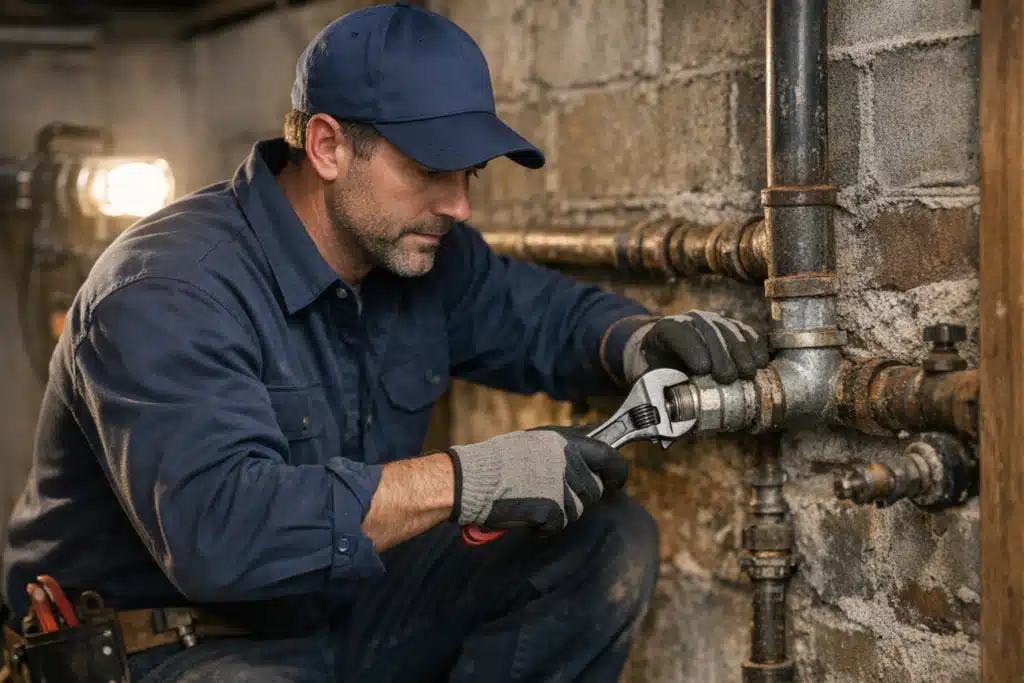
Galvanized and brass fittings in older Arvada homes grow brittle with age. Cranking a wrench too hard cracks the fitting instead of sealing it.
The result is a slow drip behind a wall that rots framing for weeks before you notice.
2. Using the Wrong Pipe Materials
Mixing copper and galvanized steel without a dielectric union speeds corrosion. Colorado’s mineral-heavy water accelerates this reaction.
Within a year, the joint leaks. We replace these mismatched connections in Wheat Ridge and Westminster homes regularly.
3. Ignoring the Main Shutoff Before Starting
Skipping the shutoff is the fastest way to flood a room. Many homeowners cannot locate their main valve until water is already spraying.
Find yours now. It is usually near the water heater or where the supply line enters the basement.
4. Snaking a Drain Too Aggressively
A cheap auger scratches or punctures older cast iron and PVC lines. The clog clears, but the pipe now leaks underground.
Tree roots in older Arvada neighborhoods make this worse, since roots re-enter any cracked section fast.
5. DIY Water Heater Repairs
Gas water heaters combine electricity, gas, and pressurized hot water. A wrong move risks scalding, gas leaks, or carbon monoxide.
Colorado code requires proper venting and a temperature-pressure relief valve. A misinstalled TPR valve can turn a tank into a hazard.
Seasonal Plumbing Risks Every Arvada Homeowner Faces
Front Range weather drives predictable plumbing failures. Timing your prevention around the calendar avoids most of them.
5 Winter Plumbing Emergencies in Arvada and Broomfield Homes
- Frozen outdoor spigots: Hoses left attached in fall trap water that freezes and splits the pipe inside the wall.
- Burst supply lines: Uninsulated basement and crawlspace pipes crack during single-digit nights.
- Failed water heaters: Cold incoming water strains aging tanks, causing sudden failures in January.
- Frozen kitchen lines: Pipes running along exterior walls freeze first when cabinet doors stay closed.
- Sump pump failures: Spring snowmelt overwhelms pumps that were never tested after winter.
Each of these has a cheap prevention step and an expensive repair. The gap between them is usually a single afternoon of maintenance.
Fall Prevention Steps That Actually Work
Before the first hard freeze, do this checklist. It takes under an hour.
- Disconnect and drain all garden hoses.
- Shut off interior valves feeding outdoor spigots.
- Insulate exposed pipes in the crawlspace and garage.
- Test your sump pump by pouring water into the pit.
- Flush sediment from your water heater tank.
How Hard Water Damages Arvada Plumbing Fixtures
Denver-area water leaves mineral scale inside pipes, faucets, and water heaters. Over time, scale narrows pipe diameter and clogs fixture screens.
DIY descaling with harsh chemicals can eat through gaskets and seals. We see ruined cartridge faucets after homeowners soak parts in acid too long.
Signs Hard Water Is Already Costing You
- White crust on faucet aerators and showerheads.
- Reduced hot water flow within a few years of a new heater.
- Spotty dishes and stiff laundry.
- Rumbling sounds from a sediment-filled water heater.
A water softener installed correctly extends fixture life. Installed wrong, it wastes salt and floods a utility room.

 Posted on Google
Which Plumbing Jobs Are Safe to DIY
Not every repair needs a plumber. Knowing the line saves money on both sides.
Reasonable DIY tasks:
- Replacing a worn toilet flapper or fill valve.
- Swapping a faucet aerator or showerhead.
- Clearing a shallow sink clog with a plunger.
- Caulking around a tub or sink base.
Jobs that need a licensed Arvada plumbing team:
- Any work behind a wall or under the slab.
- Water heater installation or gas line work.
- Main sewer line clogs or backups.
- Re-piping galvanized or polybutylene systems.
- Anything requiring a permit or inspection.
When to Call Cardom Plumbing & Heating Instead
Call a plumber the moment a repair moves past a simple part swap. Waiting turns a fixable issue into water damage.
Contact us right away if you notice any of the following:
- Water pooling near the foundation or a warm floor spot.
- A sewage smell or slow drains across the whole house.
- No hot water paired with a leaking tank.
- A pipe you cannot fully shut off.
- Any gas odor near your water heater or furnace.
Our team knows local code, older Arvada pipe systems, and how hard water affects each repair. That local knowledge stops small problems from becoming reconstruction projects.
Conclusion
Most costly plumbing damage in Arvada starts with a small DIY error made worse by cold weather and hard water. Stick to simple swaps, prep your home each fall, and call a licensed plumber before a repair grows.
When a job moves past your comfort level, reach Cardom Plumbing & Heating in Arvada by phone or text at 720‑775‑8322, or email tomd@cardomcolorado.com. Fast local help beats an expensive cleanup every time.
Sources
- U.S. Environmental Protection Agency – Fix a Leak Week
- U.S. Geological Survey – Hardness of Water
- American Red Cross – Preventing and Thawing Frozen Pipes


