
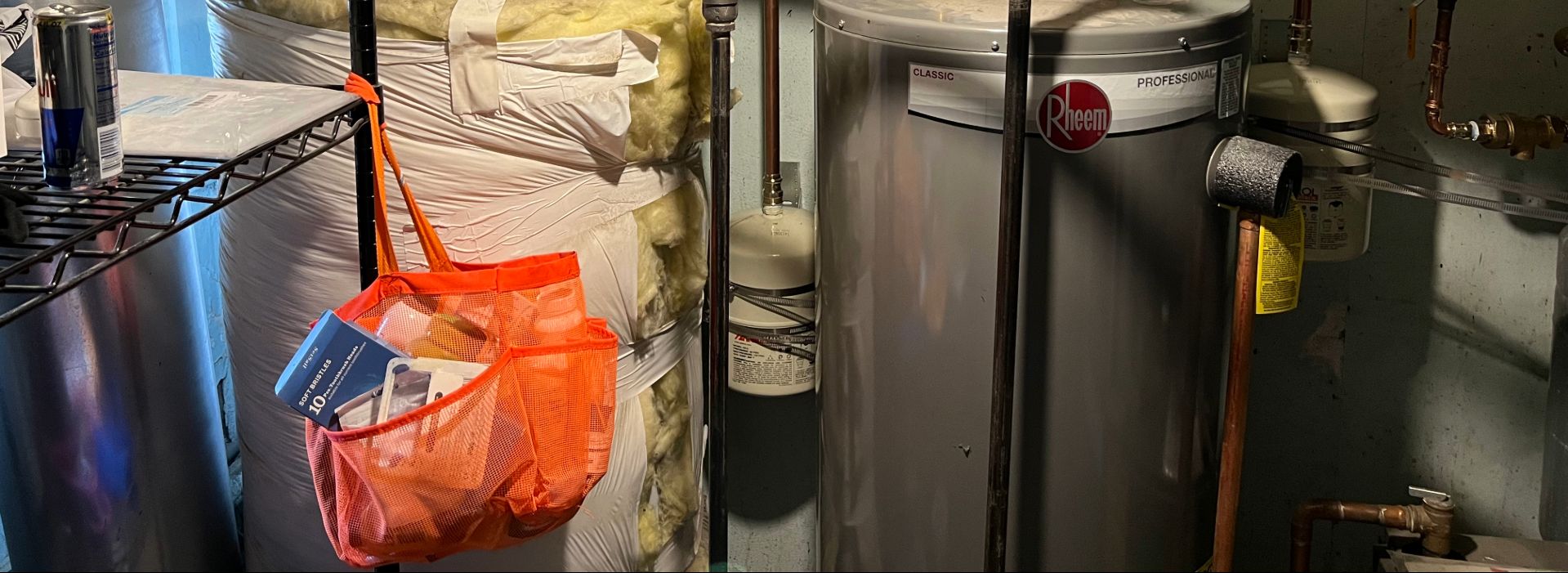
Boiler installation in Broomfield, CO involves a detailed process of selecting and integrating a hydronic heating system tailored to the specific needs of each home. The local climate and housing characteristics present unique challenges that require professional expertise for optimal performance.
- Proper installation is critical to avoid issues like carbon monoxide risks and leaks. They assess factors such as home size, insulation, and local water quality during the installation process.
- Broomfield's altitude and hard water conditions necessitate specialized adjustments and treatments to ensure boiler efficiency and longevity.
- Their team is experienced with the diverse housing stock in Broomfield, allowing for tailored solutions that meet local requirements and regulations.
Professional boiler installation includes assessing your home's heating needs, selecting the appropriate boiler type, and ensuring proper placement and connections. Technicians will also handle venting, water supply, and safety checks to guarantee efficient operation. This process ensures your heating system functions effectively and meets local codes.
Boiler Installation in Broomfield, CO
Your heating system just failed during a February cold snap, and the temperature inside your Broomfield home is dropping fast. Or perhaps your aging boiler has been making concerning sounds for months, and you're finally ready to address the problem before winter arrives. Whatever brought you here, understanding what professional boiler installation involves can help you make informed decisions about your home's heating infrastructure.
Boiler installation encompasses the complete process of sizing, selecting, and integrating a hydronic heating system into your home's existing infrastructure. This includes connecting to gas or electrical supply lines, integrating with your water system, installing proper venting, and configuring distribution through radiators, baseboard heaters, or radiant floor systems.
Why Professional Installation Matters
Boilers operate under pressure and involve combustion processes that demand precise installation. Improper sizing leads to short-cycling and premature wear. Incorrect venting creates carbon monoxide risks. Poor pipe connections cause leaks that damage your home's structure.
- Proper BTU calculations based on your home's square footage, insulation quality, and window exposure
- Code-compliant gas line connections and pressure testing
- Correct expansion tank sizing to handle pressure fluctuations at Broomfield's 5,420-foot elevation
- Integration with existing distribution systems – whether radiators, baseboards, or in-floor heating
Broomfield's semi-arid climate, hard water conditions, and mix of housing ages create specific challenges for boiler systems. Homes built in the 1970s and 1980s may have outdated pipe materials, while newer construction often features radiant floor heating that requires specialized boiler configurations. The altitude affects combustion efficiency, making proper adjustment and testing a requirement rather than an option.
Common Boiler Installation Issues in Broomfield, CO
Broomfield sits at the intersection of several factors that directly impact boiler performance and installation requirements. The city's position along the Front Range means dramatic temperature swings – sometimes 40 degrees or more within a single day – that stress heating systems in ways that milder climates never experience.
The local water supply, drawn primarily from the Northern Colorado Water Conservancy District and supplemented by local sources, carries mineral content that accumulates inside boiler heat exchangers over time. This scaling reduces efficiency and shortens equipment lifespan, making water treatment considerations part of any installation conversation.
Local Factors Affecting Boiler Systems
- Altitude effects on combustion: At 5,420 feet, air contains roughly 17% less oxygen than at sea level, requiring specific burner adjustments for complete fuel combustion
- Hard water mineral content: Calcium and magnesium deposits form scale inside heat exchangers, reducing heat transfer efficiency by up to 12% annually without treatment
- Rapid temperature fluctuations: Chinook winds can raise temperatures 30-40 degrees in hours, causing expansion and contraction stress on system components
- Aging infrastructure in established neighborhoods: Original Broomfield developments from the 1960s-1980s often have undersized gas lines or outdated venting that requires upgrades during boiler replacement
- Soil movement and settling: Expansive clay soils common throughout Broomfield can shift foundation walls, stressing rigid pipe connections to boiler systems
- Freeze risk during heating season: November through March brings regular sub-zero nights that can freeze condensate lines or exposed piping if installation doesn't account for cold weather protection
Recent Work
Boiler Repairs - Broomfield
- Problem: Boilers not working
- Found: Numerous Boiler Repairs
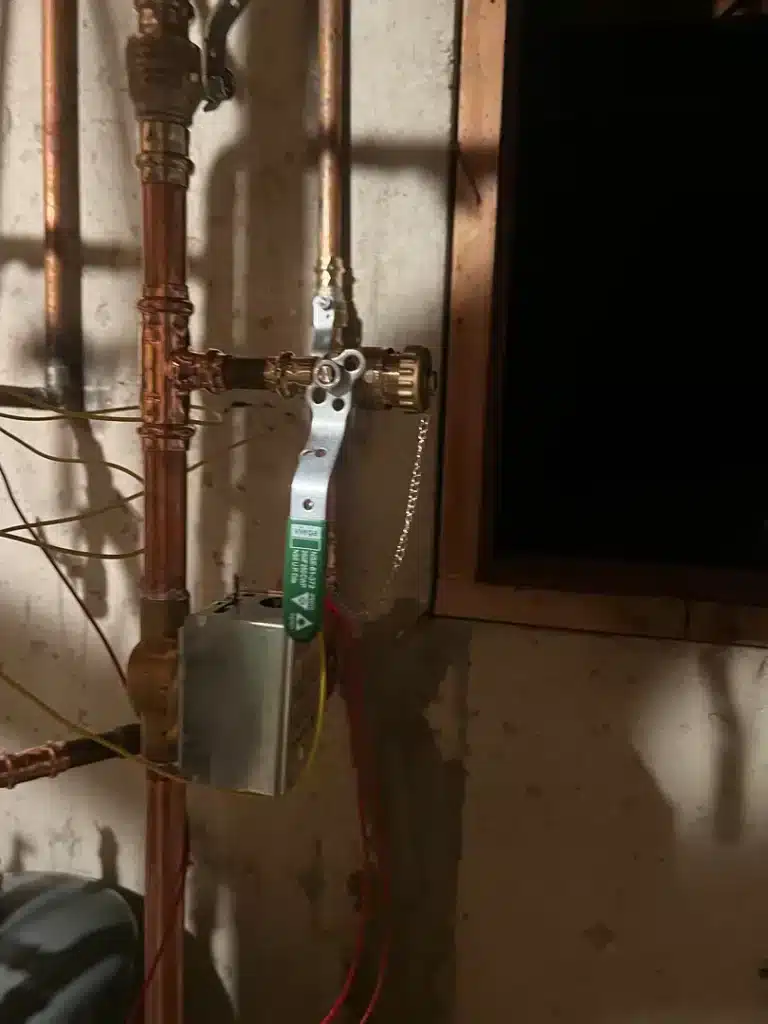
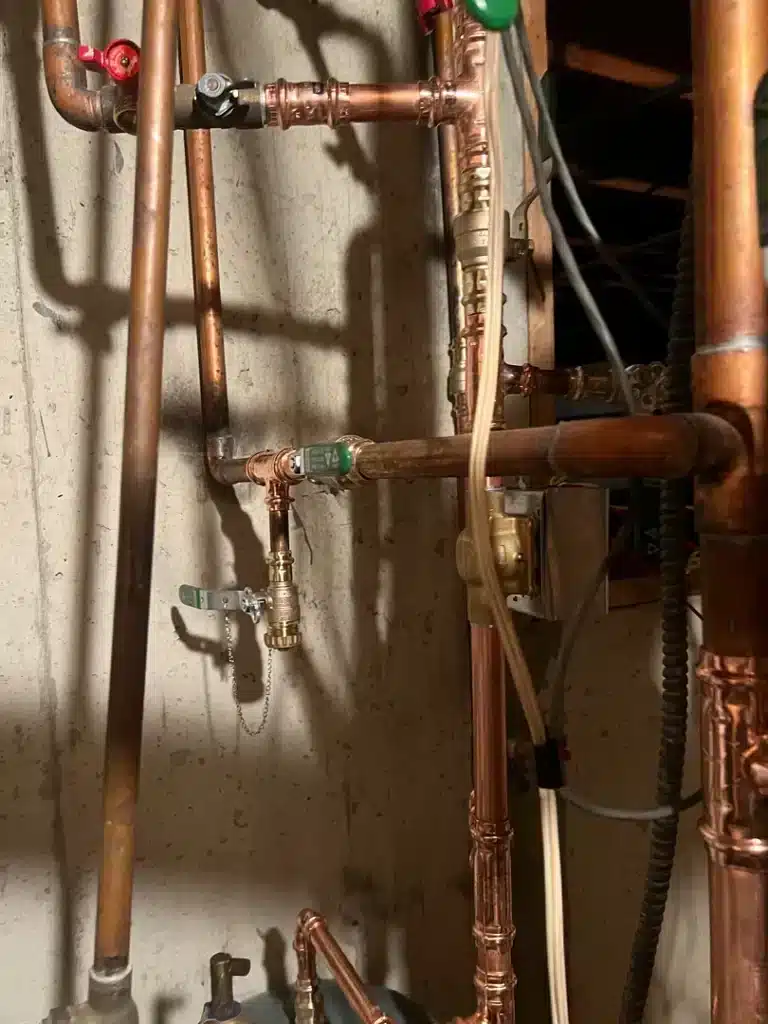
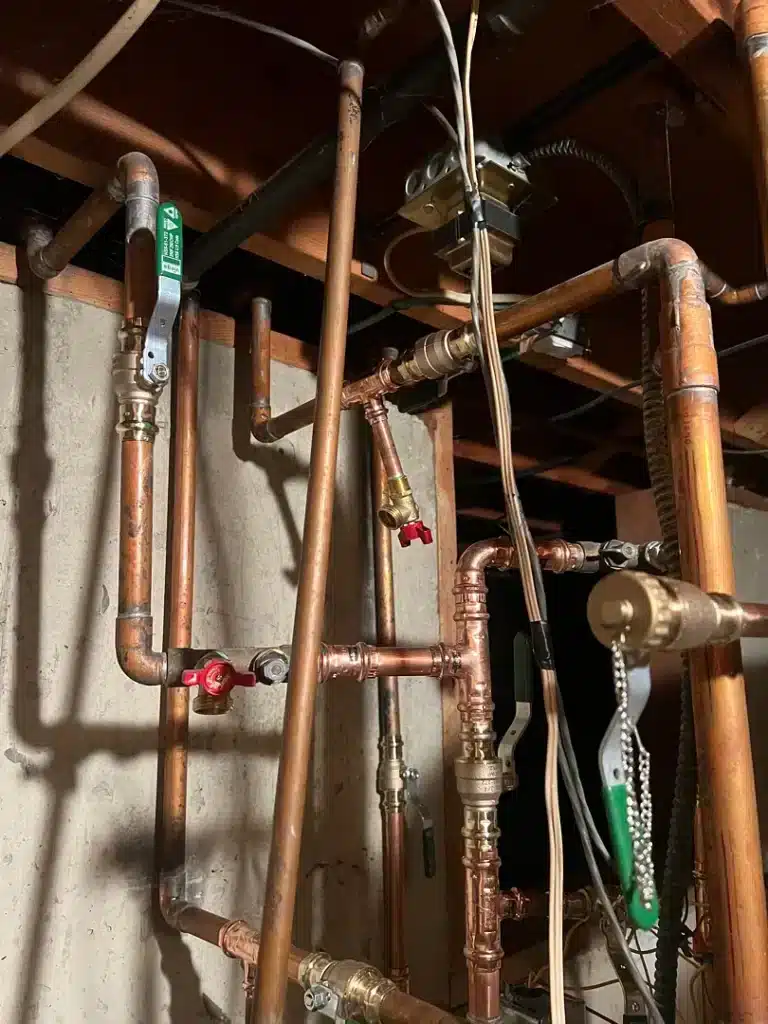
- Fixed: Replaced circ pump. Replace expansion tank. Removed both the supply and return mains that were leaking and replaced with new. Installed iso ball valve on the supply and return main. Replaced both WR zone valves with Honeywell Installed 8ea. iso ball valves and tee with boiler drains for purging the system. Re-wired boiler.
- Outcome: Tested. Found that Aquastat relay wasnly putting out 19 Volts. Rewired system where there was 30 volts available and system fired up and started working. Aquastat relay is going out. Notified owner that he should replace the boiler with new and not replace the aquastat relay because the boiler is about 55 years old. Boiler is dying and should be replaced.
Warning Signs That Indicate Installation or Replacement Needs
Recognizing when your current system needs replacement helps you plan installations during favorable weather rather than scrambling during emergencies.
- Boiler age exceeding 15-20 years, regardless of apparent function
- Yellow or orange burner flames instead of steady blue
- Increasing frequency of repair calls – more than two per heating season
- Uneven heating throughout your home despite thermostat adjustments
- Visible corrosion on the boiler jacket or pipe connections
- Rising utility bills without corresponding usage increases
How Cardom Plumbing & Heating Approaches Boiler Installation
Every boiler installation begins with understanding your specific situation – not just your home's square footage, but how you actually use your space and what comfort expectations you have.
Our Installation Process
- Initial assessment and heat load calculation: We evaluate your home's insulation levels, window types, ceiling heights, and exposure to determine actual heating requirements – not estimates based on generic formulas
- System design and equipment selection: Based on assessment data, we recommend boiler types and sizes that match your needs, discussing efficiency ratings, fuel options, and distribution system compatibility
- Infrastructure evaluation: We inspect existing gas lines, electrical connections, venting pathways, and water supply to identify any upgrades needed before installation day
- Preparation and scheduling: We coordinate equipment delivery, permit acquisition, and installation timing to minimize disruption to your household
- Professional installation: Our technicians complete all connections, from gas supply through distribution piping, following manufacturer specifications and local code requirements
- System testing and commissioning: We verify proper operation through pressure testing, combustion analysis, and distribution system balancing
- Owner orientation: Before leaving, we walk you through system operation, thermostat programming, and maintenance requirements
Methods and Techniques We Employ
- Combustion analysis: Electronic testing equipment measures flue gas composition to verify proper air-fuel mixture at Broomfield's altitude
- Pressure testing: We test all connections at pressures exceeding normal operating conditions to identify potential leak points before they become problems
- Digital manometer readings: Precise gas pressure measurements at the meter, regulator, and appliance ensure proper fuel delivery
- Infrared thermal imaging: Post-installation scans identify any distribution system issues or insulation gaps affecting performance
- Water quality testing: We assess incoming water hardness to recommend appropriate treatment equipment when necessary
Communication Throughout the Process
You'll receive clear updates at each phase – from initial assessment findings through final testing results. If we discover unexpected conditions during installation, we discuss options and costs before proceeding. No surprises on your final invoice.
Why Choose Cardom Plumbing & Heating
Boiler installation requires technicians who understand both the equipment and the local conditions affecting its performance. Our team brings specific experience with Broomfield's housing stock, from the original Broomfield Heights developments through newer communities like Anthem and Interlocken.
Qualifications That Matter
- Licensed master plumbers and certified gas technicians
- Manufacturer training on major boiler brands including Weil-McLain, Burnham, and Viessmann
- Ongoing education in high-efficiency condensing boiler technology
- NATE certification for hydronic heating systems
We've worked in Broomfield long enough to know which neighborhoods have original cast iron distribution systems, which areas experience the hardest water, and which home designs create unique venting challenges. This local knowledge translates into installations that perform reliably for years.
Our Service Commitments
When your heating fails in January, waiting days for service isn't acceptable. We maintain scheduling flexibility for urgent situations while providing planned installation appointments that respect your time. Our technicians arrive in fully-stocked vehicles, reducing delays from missing parts or equipment.
- Detailed written proposals before any work begins
- Permit acquisition and inspection coordination handled by our team
- Post-installation follow-up to verify system performance
- Clear documentation of all work performed, including equipment specifications and warranty information
Housing Characteristics & Boiler Installation Considerations
Broomfield's housing stock reflects the city's growth patterns from a small agricultural community to a thriving Denver-Boulder corridor suburb. Each era of construction presents distinct considerations for boiler installation.
Housing by Era and Installation Implications
- Pre-1970 homes (Original Broomfield): Often feature gravity-fed hot water systems with large-diameter steel piping. Boiler replacement may require adapters to connect modern equipment to oversized distribution pipes. Basements typically have adequate space for equipment but may need electrical upgrades.
- 1970s-1980s construction: Common in neighborhoods like Broadlands and northwest Broomfield. These homes frequently have forced-air furnaces originally, but some include hydronic baseboard systems. Venting through existing chimneys requires liner installation for modern high-efficiency boilers.
- 1990s-2000s developments: Anthem, Interlocken, and similar communities often feature radiant floor heating that requires specific boiler configurations with mixing valves and outdoor reset controls.
- Recent construction (2010-present): Newer homes typically have high-efficiency mechanical systems already, but may benefit from boiler additions for radiant floor zones or domestic hot water production.
Foundation and Structural Considerations
Broomfield sits on expansive clay soils that swell when wet and shrink during dry periods. This soil movement affects foundations throughout the city, with implications for boiler installations.
- Rigid copper connections may stress and crack as foundations shift – flexible connectors reduce this risk
- Floor drains near boiler locations should be verified for proper function before installation
- Equipment placement should account for potential floor movement over time
- Homes with slab-on-grade construction require different installation approaches than those with basements
Square footage in Broomfield ranges from compact 1,200 square foot ranch homes to expansive 4,000+ square foot properties. Boiler sizing must account for actual heated space, not just total square footage – finished basements, vaulted ceilings, and sunroom additions all affect heat load calculations.
Environmental Conditions & Boiler Installation Implications
Broomfield's position along Colorado's Front Range creates environmental conditions that directly impact boiler selection, installation methods, and long-term system performance.
Water Quality Characteristics
The City and County of Broomfield draws water from multiple sources, including the Colorado-Big Thompson Project and local reservoirs. Water hardness typically ranges from 120-180 parts per million – classified as moderately hard to hard.
- Calcium carbonate deposits accumulate inside boiler heat exchangers at approximately 1/16 inch per year without treatment
- Scale buildup reduces heat transfer efficiency, forcing longer run times and higher fuel consumption
- Condensing boilers are particularly susceptible to scale damage in their secondary heat exchangers
- Water softening or scale inhibitor systems should be discussed during installation planning
Climate Impacts on Heating Systems
Broomfield experiences approximately 5,500 heating degree days annually – a measure of how much heating a building requires. This places significant demands on boiler systems throughout the October-April heating season.
- Temperature extremes: Winter lows regularly reach single digits or below zero, requiring boilers sized for worst-case conditions
- Chinook wind events: Rapid warming can cause thermal shock to system components if not properly designed
- Low humidity: Average relative humidity of 40-50% affects comfort perception, sometimes requiring higher water temperatures to achieve satisfactory warmth
- Solar gain: Over 300 sunny days annually means south-facing rooms may overheat while north-facing spaces need additional heat – zoning considerations become important
Altitude and Combustion Efficiency
At 5,420 feet elevation, atmospheric pressure measures approximately 24.6 inches of mercury compared to 29.92 at sea level. This reduced air density affects combustion in gas-fired boilers.
- Burner orifices must be sized for altitude – sea-level settings produce incomplete combustion
- Input ratings are typically derated 4% per 1,000 feet above sea level
- Proper combustion air supply becomes more critical at altitude
- Venting systems must account for reduced draft from lower air density
Energy Usage and Heating Costs in Broomfield
Understanding local energy patterns helps homeowners make informed decisions about boiler efficiency levels and expected return on investment. Broomfield residents face specific energy cost considerations that influence equipment selection.
Natural Gas Pricing and Consumption
Xcel Energy serves most Broomfield residences for natural gas. Colorado natural gas prices have historically remained below national averages due to proximity to production areas, though recent market volatility has narrowed this gap.
- Average residential natural gas consumption in Broomfield: 650-850 therms annually for homes with gas heating
- Heating accounts for approximately 45-55% of total household energy consumption during winter months
- High-efficiency condensing boilers (95%+ AFUE) can reduce gas consumption by 15-25% compared to standard efficiency equipment
- Payback periods for efficiency upgrades typically range from 5-8 years depending on usage patterns and equipment costs
Local Rebate and Incentive Programs
Several programs help offset boiler installation costs for Broomfield residents. Xcel Energy offers rebates for high-efficiency heating equipment installation, with amounts varying based on equipment efficiency ratings. The Colorado Energy Office periodically offers additional incentives for residential energy improvements.
- ENERGY STAR certified boilers may qualify for utility rebates
- Some programs offer enhanced incentives for replacing equipment over 20 years old
- Rebate availability and amounts change periodically – verification at time of installation is recommended
Broomfield's participation in regional sustainability initiatives has increased focus on residential energy efficiency. Homeowners replacing aging boilers with high-efficiency models contribute to community-wide energy reduction goals while benefiting from lower operating costs. The combination of rebate programs, reduced fuel consumption, and improved comfort makes boiler upgrades financially attractive for many Broomfield households.


