
Boiler installation in Boulder, CO, is a critical decision for homeowners facing heating challenges, impacting comfort and energy efficiency for years. The process requires professional expertise to navigate local conditions and ensure optimal performance.
- Boulder homeowners must consider unique factors like elevation and temperature extremes during boiler installation. Professional installation includes load calculations and proper venting to meet local regulations.
- Cardom Plumbing & Heating specializes in hydronic systems, offering tailored solutions for various housing types in Boulder.
- Their thorough approach ensures compliance with safety standards and maximizes system efficiency, providing long-term reliability for heating needs.
Boiler installation in Boulder, CO involves selecting the appropriate boiler system based on the home’s heating needs and energy efficiency. This process includes assessing the current heating setup, ensuring proper sizing, and following local codes for installation. Professional installation is crucial for optimal performance and safety.
Boiler Installation in Boulder, CO
Your heating system just failed during a cold snap, or perhaps you've noticed your energy bills climbing while your home struggles to stay warm. These scenarios push Boulder homeowners toward a decision that impacts comfort, efficiency, and monthly expenses for the next two decades – selecting and installing the right boiler system.
Boiler installation involves far more than simply swapping out equipment. The process encompasses load calculations, fuel line connections, venting system design, water supply integration, and zone control configuration. In Boulder's unique mountain environment – where elevation affects combustion efficiency and temperature swings test equipment daily – professional installation becomes the difference between a system that performs flawlessly and one that creates ongoing headaches.
Key Benefits of Professional Boiler Installation
- Proper sizing calculations that account for Boulder's 5,430-foot elevation and its effect on combustion and heat output
- Correct venting configuration to handle altitude-related draft challenges and prevent dangerous backdrafting
- Integration with existing plumbing infrastructure, including compatibility with Boulder's mineral-rich water supply
- Code-compliant installation meeting both Colorado state requirements and Boulder County regulations
Boulder's housing stock ranges from historic homes near Pearl Street to modern builds in North Boulder and Gunbarrel. Each presents distinct installation challenges – from navigating tight basement spaces in older properties to designing efficient hydronic systems for contemporary open floor plans. Understanding these local variables separates adequate installation from exceptional performance.
Common Boiler Installation Issues in Boulder, CO
Cardom Plumbing & Heating provides Boiler Installation services in all neighborhoods of Boulder including Arapahoe Ridge, Dakota Ridge, East Aurora, Frazier Meadows, Goss-Grove, Holiday, Keewaydin, Martin Acres, Meadow Glen, Park East, Promontory North, Table Mesa, The Hill, The Promontory, Washington Village, and Wonderland Hills.
Boulder sits at the intersection of several factors that directly influence boiler system performance and installation requirements. The city's semi-arid climate delivers over 300 days of sunshine annually, yet winter temperatures regularly plunge below freezing – sometimes dramatically. This creates thermal stress on heating equipment that coastal or lower-elevation systems never experience.
The municipal water supply, sourced primarily from Boulder Creek and the Colorado-Big Thompson Project, carries mineral content that affects boiler longevity. Calcium and magnesium deposits accumulate inside heat exchangers and piping, reducing efficiency and potentially causing premature failure if systems aren't properly specified and maintained.
Local Factors Affecting Boiler Performance
- Elevation effects – At 5,430 feet, atmospheric pressure reduces combustion efficiency by approximately 4% compared to sea level, requiring specific burner adjustments
- Temperature extremes – Winter lows reaching -20°F demand robust heating capacity, while 70°F temperature swings within 24 hours stress expansion components
- Water hardness – Boulder's water averages 4-7 grains per gallon hardness, accelerating scale buildup in boiler systems without proper treatment
- Aging infrastructure – Many homes built before 1980 have undersized gas lines or outdated venting that requires upgrades during installation
- Freeze risk – Outdoor reset sensors and condensate lines face freezing challenges during extended cold periods
- Wildfire smoke impacts – Summer smoke events can affect combustion air quality in atmospheric boilers
Warning Signs Your Boiler Needs Replacement
Recognizing when repair no longer makes sense saves money and prevents emergency situations. Watch for these indicators:
- Heating bills increasing despite similar usage patterns
- Uneven heating between rooms or zones
- Frequent pilot light failures or ignition problems
- Visible corrosion on the boiler body or connections
- Water pooling beneath the unit
- Strange noises – banging, whistling, or gurgling – during operation
- System age exceeding 15-20 years
Recent Work
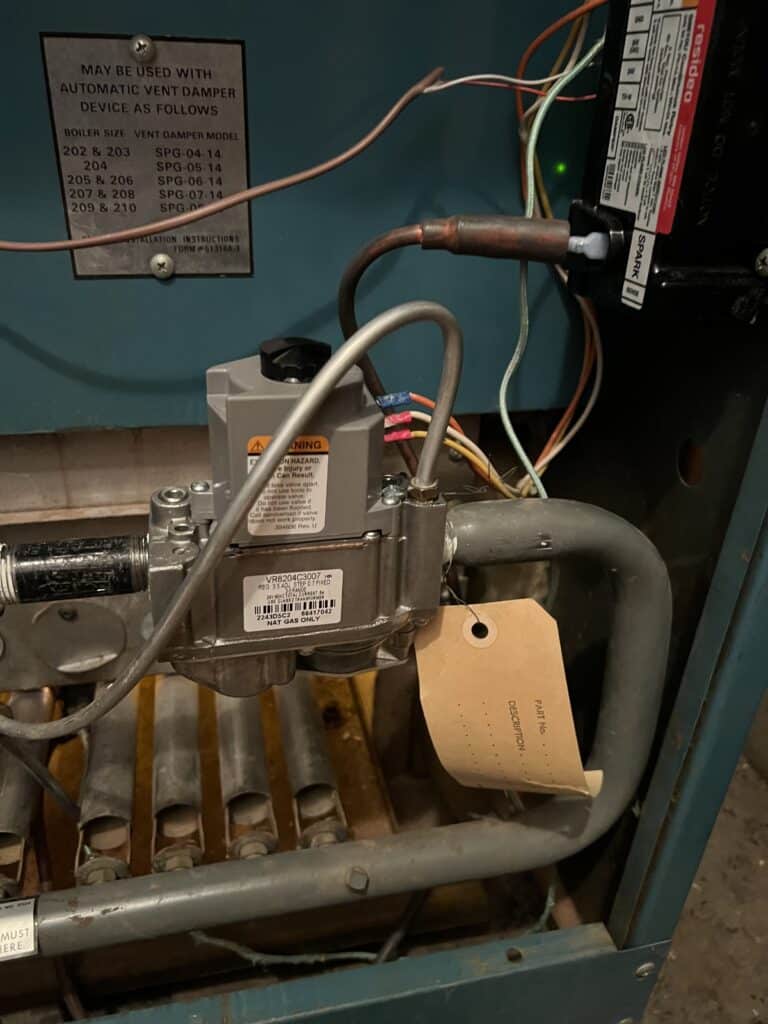
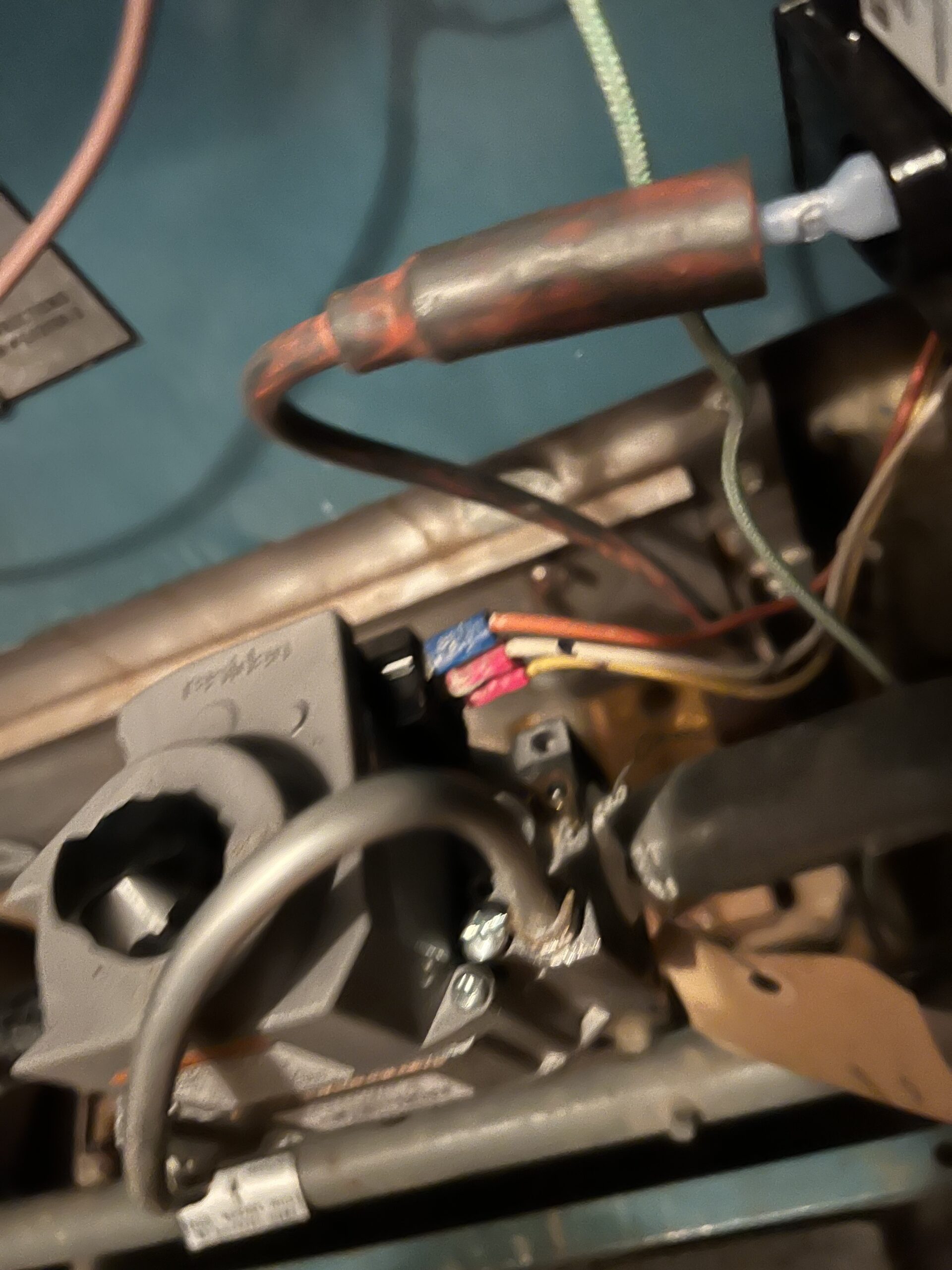
Boiler issue - Boulder
- Problem: Boiler shutting down
- Found: Boiler was failing and working intermittently.
- Fixed: Ordered up replacement valve and got quick ship in over the weekend.
- Outcome: Replaced valve and tested six times. Pilot and main burner were stronger.
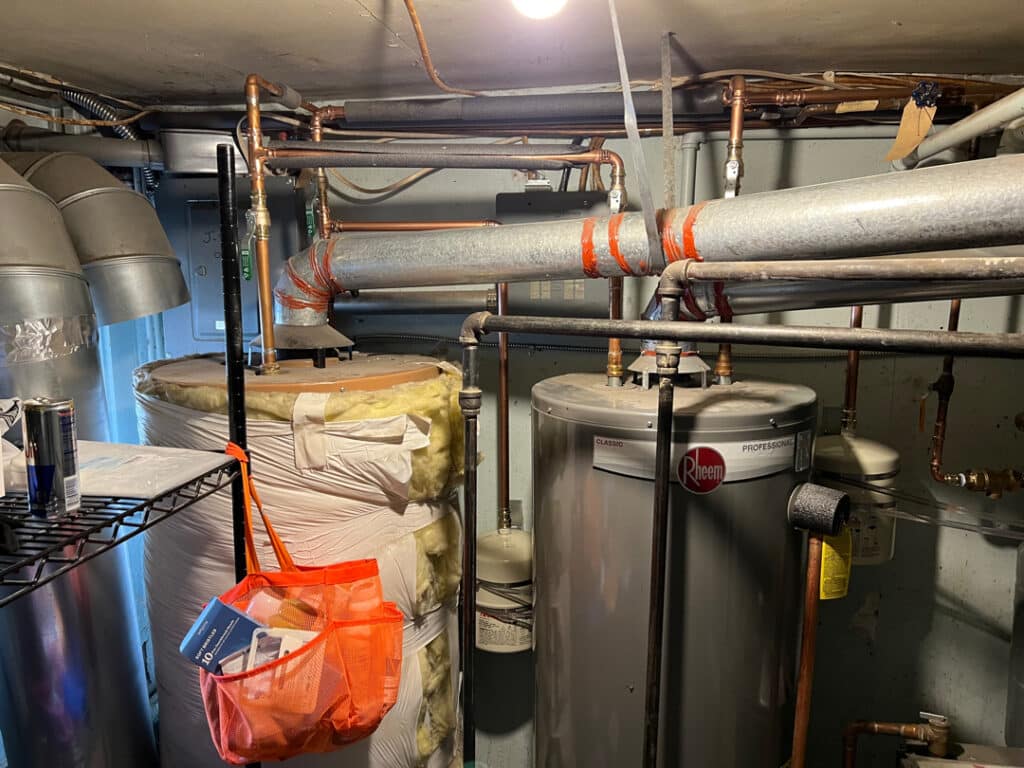
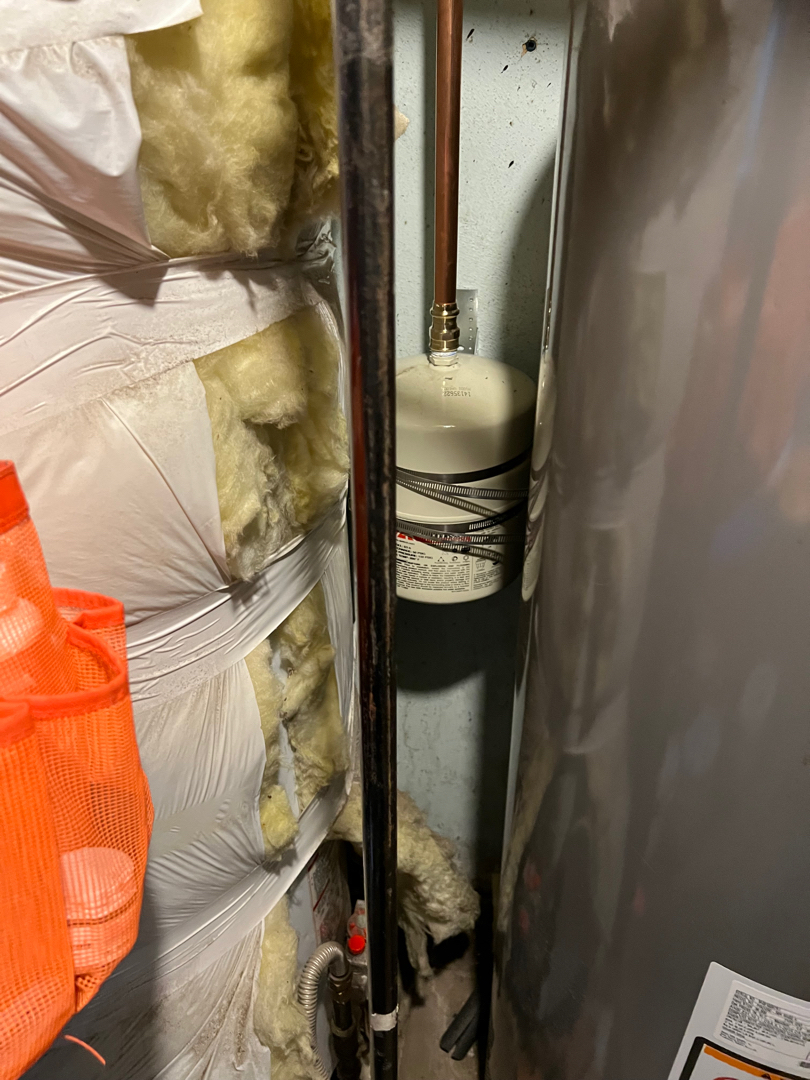
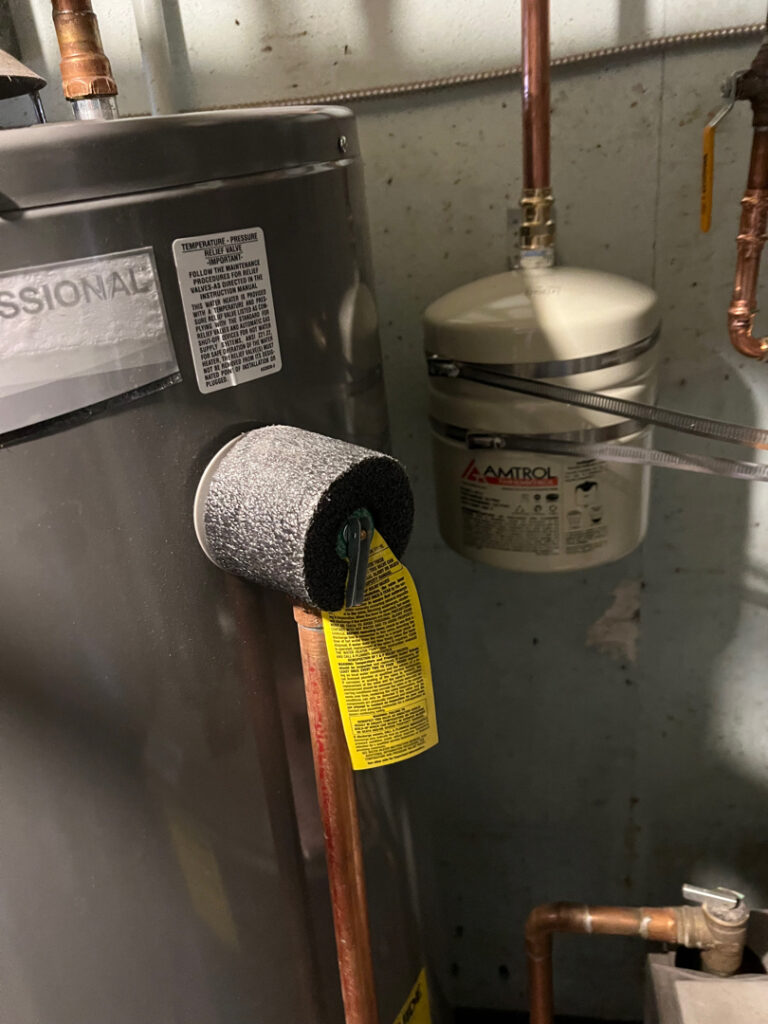
Boiler and Water Heater Repairs - Boulder
- Problem: Water heater and boiler service and code upgrades
- Found: Found leak coming from ceiling and leaking into the boiler room.
- Fixed: The boiler we added a new air scoop and a new circ pump as well as a new backflow/fill valve
- Outcome: Tested and no leak.
How Cardom Plumbing & Heating Can Help
Professional boiler installation follows a methodical process designed to maximize system performance and longevity. Cardom Plumbing & Heating approaches each project with thorough planning before any equipment arrives on site.
Our Installation Process
- Initial assessment – We evaluate your existing system, measure your home's heating requirements, inspect gas lines and venting, and discuss your comfort goals and budget parameters
- Load calculation – Using Manual J methodology adjusted for Boulder's elevation, we determine the precise heating capacity your home requires – avoiding both undersizing and wasteful oversizing
- System design – We specify equipment, plan piping routes, design zone configurations, and identify any infrastructure upgrades needed
- Preparation work – Before installation day, we address prerequisites like gas line upsizing, electrical modifications, or venting system changes
- Equipment installation – Our technicians mount the boiler, connect fuel and water supplies, install expansion tanks and air eliminators, and configure zone controls
- Venting completion – We install appropriate venting – whether direct vent, power vent, or chimney-lined – ensuring proper draft and code compliance
- System commissioning – We fill, purge, pressure test, and fire the system, adjusting combustion for Boulder's altitude and verifying all safety controls
- Customer orientation – We walk you through system operation, thermostat programming, and maintenance requirements
Methods and Techniques
Quality installation requires specific techniques adapted to local conditions:
- Combustion analysis with digital analyzers to optimize efficiency at altitude
- Pressure testing all connections before system fill
- Glycol antifreeze protection for systems with outdoor exposure
- Water treatment system integration when hardness levels warrant
- Expansion tank sizing calculated for system volume and temperature differential
- Zone valve or circulator pump selection based on radiation type and loop lengths
Quality Control and Communication
Every installation undergoes multi-point inspection before completion. We document combustion readings, pressure test results, and safety control verification. You receive a complete record of your new system's specifications and baseline performance data.
Throughout the project, we maintain clear communication about scheduling, any unexpected findings, and decision points requiring your input. No surprises – just professional execution from assessment through final walkthrough.
Why Choose Cardom Plumbing & Heating
Boiler installation demands specialized knowledge that general contractors and HVAC generalists often lack. Cardom Plumbing & Heating focuses specifically on hydronic heating systems – the piping, controls, and combustion expertise that boilers require. Our technicians hold certifications in gas fitting, hydronic system design, and combustion analysis. We maintain current licensing with Colorado's Division of Professions and Occupations and carry comprehensive liability coverage.
What Sets Us Apart
- Local expertise – We've installed boilers throughout Boulder County for years, understanding the specific challenges of homes in Mapleton Hill, Martin Acres, Table Mesa, and surrounding neighborhoods
- Altitude-specific knowledge – Every system we install receives combustion tuning calibrated for Boulder's elevation, maximizing efficiency and safety
- Manufacturer relationships – We work with leading boiler manufacturers and maintain training certifications that ensure warranty protection for your equipment
- Complete service capability – From initial installation through ongoing maintenance and eventual repairs, one company handles your entire heating relationship
We respond promptly to consultation requests and provide detailed written proposals before any work begins. Our installation teams arrive on schedule, protect your home during work, and clean up thoroughly before leaving. After installation, we remain available for questions, adjustments, and the ongoing service your system needs to perform reliably through Boulder's demanding winters.
Diagnostic technology matters in modern boiler work. We use combustion analyzers that measure oxygen, carbon monoxide, stack temperature, and efficiency in real time. This data-driven approach ensures your system operates at peak performance from day one – not just "close enough" based on visual inspection.
Housing Characteristics & Boiler Installation Considerations
Boulder's housing stock presents a diverse range of installation scenarios. Understanding your home's characteristics helps predict installation complexity and system requirements.
Historic Properties (Pre-1950)
Older homes near downtown and in established neighborhoods like Whittier and Newlands often feature:
- Cast iron radiators designed for high-temperature water – compatible with traditional boilers but requiring specific operating parameters
- Original gravity-fed systems that may need circulation pumps added
- Undersized gas lines requiring upgrades for modern high-efficiency equipment
- Chimney venting that needs relining for condensing boilers
- Basement mechanical rooms with limited access for equipment replacement
Mid-Century Homes (1950-1980)
Properties from this era – common in Table Mesa, Martin Acres, and parts of North Boulder – typically have:
- Baseboard or radiant floor heating systems well-suited for modern condensing boilers
- Adequate gas line sizing for standard efficiency equipment
- Atmospheric venting that may require conversion for high-efficiency upgrades
- Zoning potential through circulator pump or zone valve additions
Contemporary Construction (1990-Present)
Newer homes in Gunbarrel, North Boulder developments, and recent infill projects generally offer:
- Radiant floor heating – the ideal match for condensing boiler technology
- Pre-planned mechanical spaces with adequate clearances
- Modern gas and electrical infrastructure ready for high-efficiency equipment
- Tight building envelopes that reduce heating loads but require careful ventilation planning
Boulder's mix of architectural styles – from Victorian-era homes to modernist designs to mountain contemporary construction – means no single installation approach works universally. Site-specific assessment identifies the optimal equipment and configuration for your particular property.
Environmental Conditions & Boiler Installation Implications
Boulder's environmental characteristics directly influence boiler selection, installation methods, and long-term system performance. Understanding these factors helps explain why local expertise matters.
Water Quality Characteristics
Boulder's municipal water comes primarily from surface sources – Boulder Creek, Barker Reservoir, and the Colorado-Big Thompson Project. The city treats this water to meet federal standards, but mineral content remains a consideration for boiler systems:
- Hardness levels typically range from 4-7 grains per gallon – moderate but sufficient to cause scaling over time
- pH levels generally fall between 7.5-8.5, slightly alkaline
- Chlorine residuals from treatment can affect certain boiler components
- Seasonal variations occur as source water proportions change throughout the year
For boiler installations, we evaluate whether water treatment – softening, filtration, or chemical treatment – makes sense based on system type and expected longevity goals.
Climate Impacts on Heating Systems
Boulder's climate creates specific demands on boiler equipment:
- Heating degree days – Boulder averages approximately 5,500-6,000 heating degree days annually, indicating significant heating demand
- Temperature extremes – Design temperatures reach -10°F to -15°F, requiring adequate capacity for worst-case conditions
- Solar gain – Over 300 sunny days annually create substantial passive solar heating, affecting load calculations
- Rapid temperature changes – Chinook winds can raise temperatures 40-50°F in hours, demanding responsive control systems
- Low humidity – Dry air affects comfort perception and may influence humidification system integration
Soil and Drainage Considerations
For systems with outdoor components or underground piping, Boulder's soil characteristics matter. The area's clay-heavy soils expand and contract with moisture changes, potentially stressing buried lines. Frost depth reaches approximately 30 inches, requiring proper burial depth for any outdoor hydronic piping. Drainage patterns around foundations affect basement moisture levels where most boilers are installed.
Boulder Energy Efficiency Programs and Heating Regulations
Boulder maintains some of Colorado's most progressive energy policies, directly affecting boiler installation decisions and available incentives. The city's Climate Commitment goals target 100% renewable electricity by 2030 and an 80% reduction in community greenhouse gas emissions, creating a regulatory environment that favors high-efficiency heating equipment.
SmartRegs and Rental Property Requirements
Boulder's SmartRegs program requires rental properties to meet minimum energy efficiency standards. For heating systems, this means:
- Rental properties must achieve a minimum Home Energy Score or complete prescriptive efficiency upgrades
- Boiler efficiency directly impacts compliance – high-efficiency condensing units help meet requirements
- Properties changing from owner-occupied to rental status must comply before tenant occupancy
- Non-compliant properties face increasing penalties and potential rental license issues
Available Incentives and Rebates
Several programs offset high-efficiency boiler installation costs:
- Xcel Energy rebates – Up to $1,000 for qualifying high-efficiency heating equipment installations
- EnergySmart program – Boulder County's efficiency program offers assessments and contractor connections
- Federal tax credits – Energy-efficient heating equipment may qualify for federal incentives under current legislation
Building permit requirements in Boulder include mechanical permits for boiler installations, with inspections verifying proper installation, venting, and gas connections. The city's building department enforces current International Mechanical Code and International Fuel Gas Code standards, with local amendments addressing altitude-specific requirements.
Understanding these regulations and incentives helps Boulder homeowners make informed decisions about boiler investments. Cardom Plumbing & Heating stays current with local requirements and can guide you through permit processes and rebate applications as part of your installation project.


