
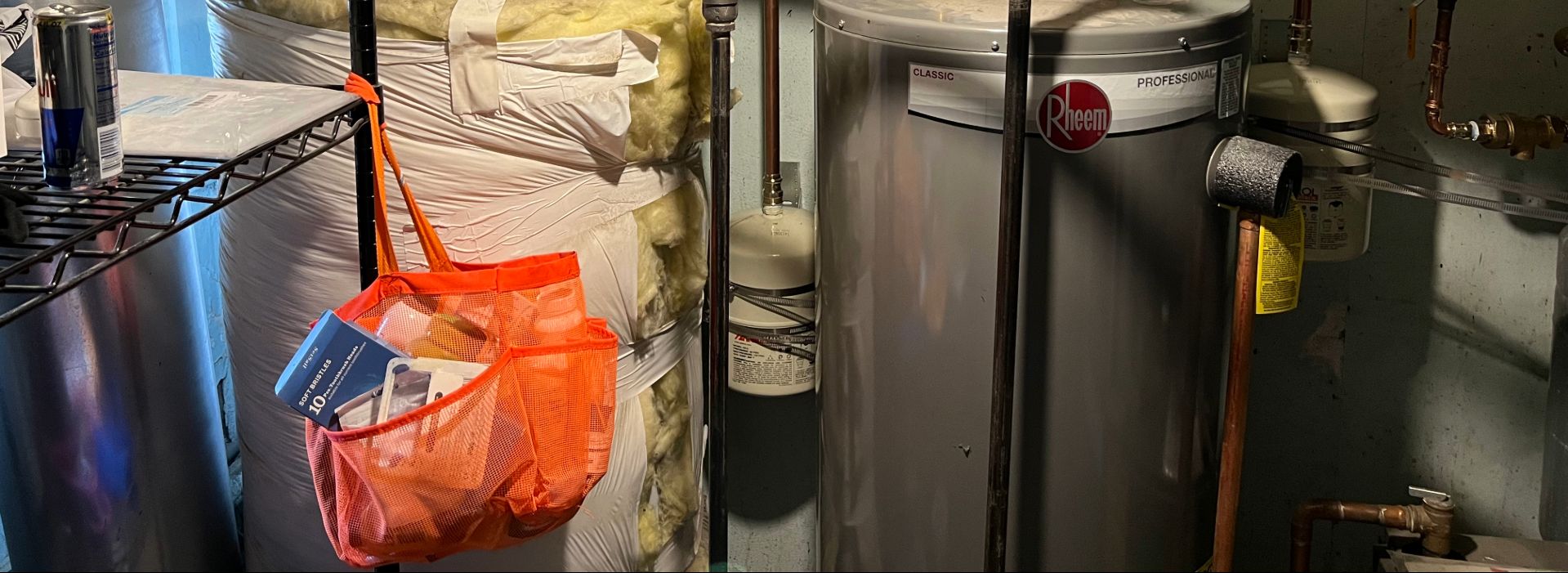
Boiler installation in Ken Caryl, CO, is essential for maintaining home comfort during harsh winters and ensuring safety. The process requires expert handling to address unique local challenges and optimize system performance.
- Professional installation considers home size, insulation, and local climate factors to ensure efficiency.
- Improper installation can lead to safety risks, including carbon monoxide exposure and equipment failure.
- Cardom Plumbing & Heating offers tailored assessments and expert installation to meet Ken Caryl's specific needs.
Professional boiler installation in Ken Caryl, CO is essential for ensuring efficient heating during harsh winters. An aging or inefficient boiler can compromise home comfort and safety, making expert installation a vital investment for maintaining optimal home performance and protecting your family from potential heating issues.
Boiler Installation in Ken Caryl, CO
When your home's heating system struggles to keep up with Colorado's demanding winters, or your aging boiler shows signs of inefficiency, the decision to install a new boiler becomes more than a comfort issue – it's about protecting your home and family. Ken Caryl residents face unique heating challenges that make professional boiler installation a critical investment in long-term home performance.
Boiler installation involves far more than simply swapping out old equipment. The process requires precise sizing calculations based on your home's square footage, insulation quality, and heat loss characteristics. Professional installation also addresses water supply connections, gas line configurations, venting systems, and integration with existing radiators or radiant floor heating. In Ken Caryl's foothills environment, proper installation directly impacts system longevity and operational costs.
Why Professional Installation Matters
A boiler operates under pressure and involves both water and gas systems – two elements that demand expert handling. Improper installation can lead to carbon monoxide risks, water damage, and premature equipment failure. Ken Caryl's elevation, water mineral content, and temperature extremes create conditions where installation precision becomes even more critical.
- Proper sizing prevents short-cycling and ensures efficient heat distribution throughout your home
- Correct venting installation protects against dangerous combustion gas accumulation
- Water treatment integration extends boiler life by addressing local mineral content
- Code-compliant gas connections meet Jefferson County safety requirements and protect your warranty
Common Boiler Installation Issues in Ken Caryl, CO
Ken Caryl sits at approximately 6,100 feet elevation along the Dakota Hogback formation, creating a microclimate that differs significantly from Denver's urban core. This foothills location means colder overnight temperatures, greater temperature swings between day and night, and longer heating seasons that stress boiler systems more intensively than lower-elevation communities.
The community's housing stock presents its own installation considerations. Many Ken Caryl homes were built during the 1970s through 1990s development boom, meaning existing heating infrastructure often reflects the standards and materials of those decades. Replacing outdated boilers in these homes requires careful assessment of existing piping, electrical capacity, and venting configurations that may not align with modern high-efficiency equipment requirements.
Local Factors Affecting Boiler Performance
Water quality in Ken Caryl comes from Denver Water's mountain reservoir system, but the mineral content and treatment chemicals still impact boiler components over time. Hard water deposits accumulate inside heat exchangers, reducing efficiency and eventually causing premature failure if not addressed during installation planning.
- Elevation effects: Lower atmospheric pressure at 6,100 feet affects combustion efficiency and requires specific burner adjustments
- Temperature extremes: Winter lows regularly drop below zero, demanding reliable heating capacity without interruption
- Dry climate: Low humidity accelerates corrosion on improperly protected metal components
- Water mineral content: Calcium and magnesium deposits require water treatment consideration during installation
- Aging infrastructure: Homes built in the 1970s-1990s often have undersized gas lines or outdated electrical panels
- Soil conditions: Clay-heavy soils in some areas create foundation settling that can stress connected piping
Warning Signs You Need Boiler Replacement
Ken Caryl homeowners should watch for these indicators that their current boiler may need replacement rather than repair:
- Heating bills increasing despite similar usage patterns
- Uneven heating between rooms or floors
- Frequent cycling on and off without reaching set temperature
- Visible corrosion, leaks, or rust-colored water in the system
- Boiler age exceeding 15-20 years
- Strange noises including banging, kettling, or gurgling sounds
How Cardom Plumbing & Heating Can Help
Our boiler installation process addresses every factor that influences long-term system performance in Ken Caryl homes. We approach each project systematically, recognizing that proper preparation determines installation success.
Our Installation Process
- Initial assessment: We evaluate your current heating system, measure heat loss characteristics, and assess existing infrastructure including gas supply, electrical capacity, and venting options
- Load calculation: Using Manual J calculations adjusted for Ken Caryl's elevation and climate, we determine precise boiler sizing to avoid oversizing or undersizing
- Equipment selection: Based on your home's needs and budget, we recommend appropriate boiler types – whether condensing, non-condensing, combi, or system boilers
- Preparation work: We address any necessary upgrades to gas lines, electrical connections, or venting systems before installation day
- Professional installation: Our licensed technicians install your new boiler following manufacturer specifications and local code requirements
- System integration: We connect and test all components including expansion tanks, circulators, zone valves, and controls
- Water treatment setup: When needed, we install water treatment equipment to protect your investment from mineral damage
- Commissioning and testing: We verify proper operation through combustion analysis, pressure testing, and full system cycling
Installation Methods and Techniques
Quality installation requires attention to details that affect both safety and performance:
- Combustion air verification to confirm adequate oxygen supply for safe operation
- Flue gas analysis to optimize burner settings for Ken Caryl's elevation
- Pressure testing of all water connections before system fill
- Proper system flushing to remove installation debris and old system contaminants
- Air elimination procedures to prevent circulation problems
- Thermostat and control programming for optimal efficiency
Communication Throughout Your Project
We keep you informed at every stage. Before work begins, you receive a detailed scope of work outlining exactly what we'll do. During installation, our technicians explain any discoveries or recommendations. After completion, we walk you through system operation and maintenance requirements specific to your new equipment.
Why Choose Cardom Plumbing & Heating
Boiler installation demands a combination of technical expertise, local knowledge, and commitment to quality that sets professional contractors apart from general handymen. Cardom Plumbing & Heating brings decades of combined experience specifically in hydronic heating systems – the category that includes boilers, radiant heating, and hot water distribution.
Our Qualifications
Our technicians hold current Colorado plumbing and mechanical licenses, manufacturer certifications for major boiler brands, and ongoing training in high-efficiency heating technology. We maintain proper insurance coverage and bonding that protects Ken Caryl homeowners throughout the installation process.
- Licensed and insured for all plumbing and heating work in Jefferson County
- Factory-trained on condensing boiler technology and controls
- Experienced with Ken Caryl's specific housing types and infrastructure
- Up-to-date on current building codes and permit requirements
Local Knowledge and Presence
We understand Ken Caryl's neighborhoods – from the older sections near the ranch to newer developments along the valley. This familiarity means we recognize common issues before they become problems and can anticipate installation challenges specific to your area's housing characteristics.
Our Service Commitment
- Responsive scheduling that respects your time and heating needs
- Clean work practices that protect your home during installation
- Thorough documentation including permits, warranties, and maintenance guides
- Follow-up contact to verify system performance after installation
- Ongoing maintenance support to protect your investment
Housing Characteristics & Boiler Installation Considerations
Ken Caryl's residential development history directly shapes boiler installation requirements throughout the community. The Ken Caryl Ranch area began significant development in the early 1970s, with continued building through the 1990s and selective infill construction since. This timeline means most homes fall into specific construction eras, each with characteristic features that affect heating system replacement.
1970s-1980s Construction
Homes from this period often feature:
- Original copper or galvanized steel supply piping that may need assessment
- Older electrical panels with limited capacity for modern controls
- Atmospheric-vented boilers using existing chimney flues
- Baseboard radiator systems designed for higher water temperatures
- Insulation levels below current standards, affecting heat loss calculations
When installing modern high-efficiency boilers in these homes, we often need to address venting changes – condensing boilers require PVC or stainless steel venting rather than traditional masonry chimneys. Electrical upgrades may be necessary for advanced controls and circulators.
1990s and Later Construction
Newer Ken Caryl homes typically have:
- PEX or copper piping in better condition
- Improved insulation allowing smaller boiler sizing
- More accessible mechanical rooms for installation
- Existing provisions for direct-vent equipment
Common Home Styles and Their Implications
Ken Caryl includes ranch-style homes, two-story colonials, and split-level designs. Each presents different installation considerations:
- Ranch homes: Often have basement mechanical rooms with good access but may have longer pipe runs to distant rooms
- Two-story homes: Require careful zone planning to balance heating between floors
- Split-level designs: Present zoning challenges due to multiple levels at different elevations
Environmental Conditions & Boiler Installation Implications
Ken Caryl's foothills location creates environmental conditions that directly impact boiler selection, installation methods, and long-term system performance. Understanding these factors helps homeowners appreciate why proper installation matters more here than in milder climates.
Water Quality Characteristics
Denver Water supplies Ken Caryl through a treated surface water system sourced primarily from mountain snowmelt. While this water meets all safety standards, its mineral content affects boiler systems:
- Moderate hardness levels – typically 50-100 mg/L – cause gradual scale buildup in heat exchangers
- Seasonal variations in source water affect mineral content throughout the year
- Chloramine treatment protects drinking water but can affect certain boiler components
- pH levels generally near neutral but can vary, affecting corrosion rates
We recommend water treatment solutions during installation when water testing indicates conditions that could shorten boiler life. Simple measures like proper system chemistry and periodic flushing extend equipment longevity significantly.
Climate Impacts on Heating Systems
Ken Caryl experiences a semi-arid climate with significant temperature variations:
- Winter temperatures regularly drop below 10°F, with occasional sub-zero periods
- Daily temperature swings of 30-40°F are common, stressing heating systems
- Heating season extends from October through April – roughly 200 heating days annually
- Low humidity accelerates evaporation in open systems and affects air quality
- Intense sun exposure on south-facing walls creates uneven heating loads
Soil and Drainage Considerations
The clay-heavy soils common in Ken Caryl expand and contract with moisture changes, potentially affecting:
- Foundation stability and connected piping integrity
- Underground gas line connections
- Condensate drainage from high-efficiency boilers
Proper installation accounts for these factors through flexible connections, appropriate supports, and drainage planning that prevents freeze-related damage to condensate lines.
Energy Costs and Heating Efficiency Data in Ken Caryl
Natural gas prices and heating efficiency directly impact Ken Caryl homeowners' decisions about boiler installation. Xcel Energy serves this area, and understanding local energy costs helps homeowners evaluate the return on investment for high-efficiency boiler upgrades.
Colorado residential natural gas rates have fluctuated significantly over recent years, with winter heating costs representing a substantial portion of household energy expenses. Ken Caryl homes – many with 2,000-4,000 square feet of living space – can see monthly heating bills ranging from $150 to over $300 during peak winter months with older, less efficient equipment.
Efficiency Upgrade Impact
Modern condensing boilers achieve efficiency ratings of 90-98%, compared to 80% or less for older atmospheric units. For Ken Caryl homes, this efficiency gain translates to meaningful savings:
- A home spending $2,400 annually on heating with an 80% efficient boiler could save $400-600 per year with 95% efficient equipment
- Higher-efficiency systems reduce carbon emissions by 15-20% compared to standard equipment
- Modulating boilers adjust output to match actual heating demand, reducing cycling losses
- Outdoor reset controls optimize water temperature based on weather conditions
Local Rebate and Incentive Programs
Xcel Energy periodically offers rebates for high-efficiency heating equipment installation. These programs can offset a portion of upgrade costs:
- Rebates typically available for ENERGY STAR certified boilers
- Additional incentives may apply for condensing equipment meeting specific efficiency thresholds
- Program availability and amounts change annually – we help customers identify current opportunities
When evaluating boiler installation options, Ken Caryl homeowners should consider both immediate costs and long-term operating expenses. Our assessments include estimated energy savings to help you make informed decisions about equipment selection and efficiency levels appropriate for your home and budget.


