

Boiler installation in Denver requires careful consideration due to the city's unique climate and housing characteristics. Proper installation ensures efficient heating during the harsh winter months and addresses specific altitude-related challenges.
- Denver experiences over 150 nights below freezing, making reliable heating essential. A well-installed boiler can significantly improve home comfort in these conditions.
- Boiler installation involves precise calculations, venting configurations, and integration with existing systems to ensure optimal performance.
- Local expertise is crucial for addressing the unique demands of Denver's diverse housing stock and environmental conditions.
Boiler installation in Denver, CO involves setting up a heating system designed to efficiently manage the cold winter temperatures typical of the region. A properly installed boiler ensures consistent heat and improved energy efficiency, addressing issues such as frequent cycling or corrosion that indicate an aging system.
Boiler Installation in Denver, CO
Your home's heating system works hardest when temperatures plummet below freezing – and in Denver, that happens more than 150 nights per year. When your existing boiler struggles to maintain consistent heat, cycles constantly, or shows visible corrosion around fittings, these symptoms point toward a system approaching the end of its service life. A properly installed boiler transforms how your home handles Colorado's demanding winter conditions.
Boiler installation involves far more than simply swapping out equipment. The process encompasses precise sizing calculations based on your home's heat loss characteristics, proper venting configuration for Denver's altitude, gas line assessment, water supply connections, and integration with your existing hydronic distribution system – whether baseboard radiators, radiant floor heating, or fan coils.
Why Professional Installation Matters at Altitude
Denver sits at 5,280 feet elevation, where atmospheric pressure significantly affects combustion efficiency. Boilers require specific adjustments for high-altitude operation that differ substantially from sea-level installations. Professional diagnosis before installation identifies:
- Current system inefficiencies and heat distribution problems
- Venting requirements specific to your home's configuration
- Gas pressure considerations for Mile High City conditions
- Water quality impacts on heat exchanger longevity
Denver's combination of hard municipal water, dramatic temperature swings, and aging housing stock creates unique demands on heating systems. Homes built during the city's various growth periods – from Victorian-era Capitol Hill residences to mid-century Park Hill bungalows – each present distinct installation considerations that require local expertise to address properly.
Common Boiler Issues in Denver, CO
Denver's climate creates a punishing environment for heating equipment. The city experiences over 300 days of sunshine annually, but winter nights regularly drop into single digits. This extreme daily temperature variation – sometimes exceeding 40 degrees within 24 hours – causes metal components to expand and contract repeatedly, accelerating wear on boiler systems.
The Front Range's notoriously hard water compounds these challenges. Denver Water reports mineral content averaging 150-200 parts per million, which deposits scale inside heat exchangers over time. This mineral buildup reduces heat transfer efficiency and forces boilers to work harder, shortening equipment lifespan and increasing utility costs.
Local Factors Affecting Boiler Performance
- Altitude combustion changes – Standard boilers lose approximately 4% efficiency per 1,000 feet of elevation, requiring high-altitude conversion kits and precise air-fuel ratio adjustments
- Rapid freeze-thaw cycles – Denver's frequent temperature swings stress expansion tanks, pressure relief valves, and pipe connections
- Dry winter air – Humidity levels often drop below 20%, affecting steam systems and accelerating corrosion on exposed metal components
- Aging infrastructure – Many Denver neighborhoods feature homes 50-100 years old with original cast iron radiators and outdated piping
- Natural gas pressure variations – Xcel Energy's distribution system experiences demand fluctuations during cold snaps that affect boiler firing
- Sediment accumulation – Mineral-rich water creates sludge deposits in boiler vessels and distribution piping
Warning Signs Indicating Installation Need
Recognizing when repair no longer makes economic sense saves Denver homeowners from repeated service calls and escalating energy bills. Watch for these indicators:
- Boiler age exceeding 15-20 years
- Repair costs approaching 50% of replacement value
- Uneven heating throughout your home despite system adjustments
- Visible rust, corrosion, or water staining around the unit
- Unusual noises – kettling, banging, or gurgling sounds
- Rising heating bills despite similar usage patterns
- Yellow or flickering pilot flame instead of steady blue
Recent Work
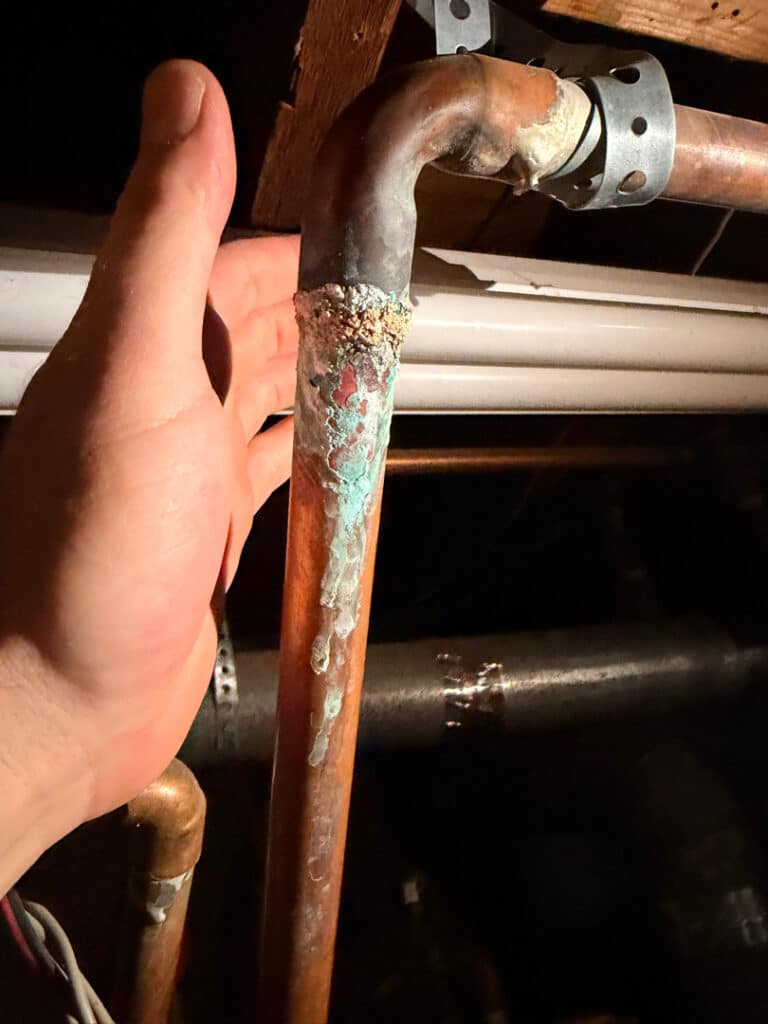
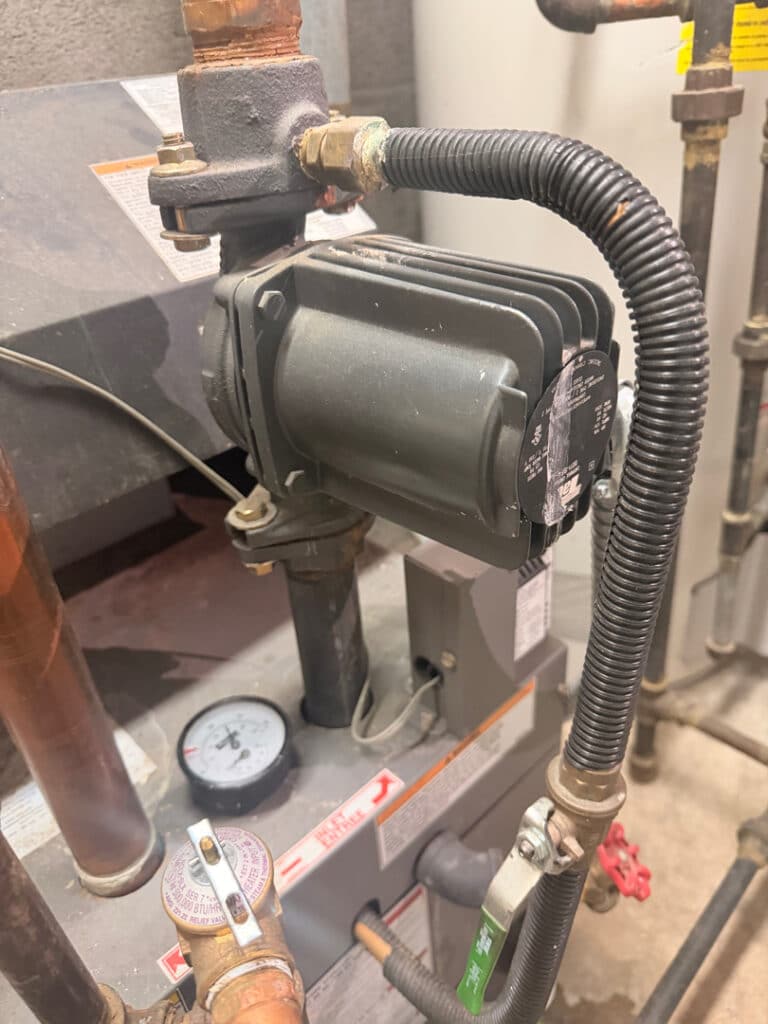
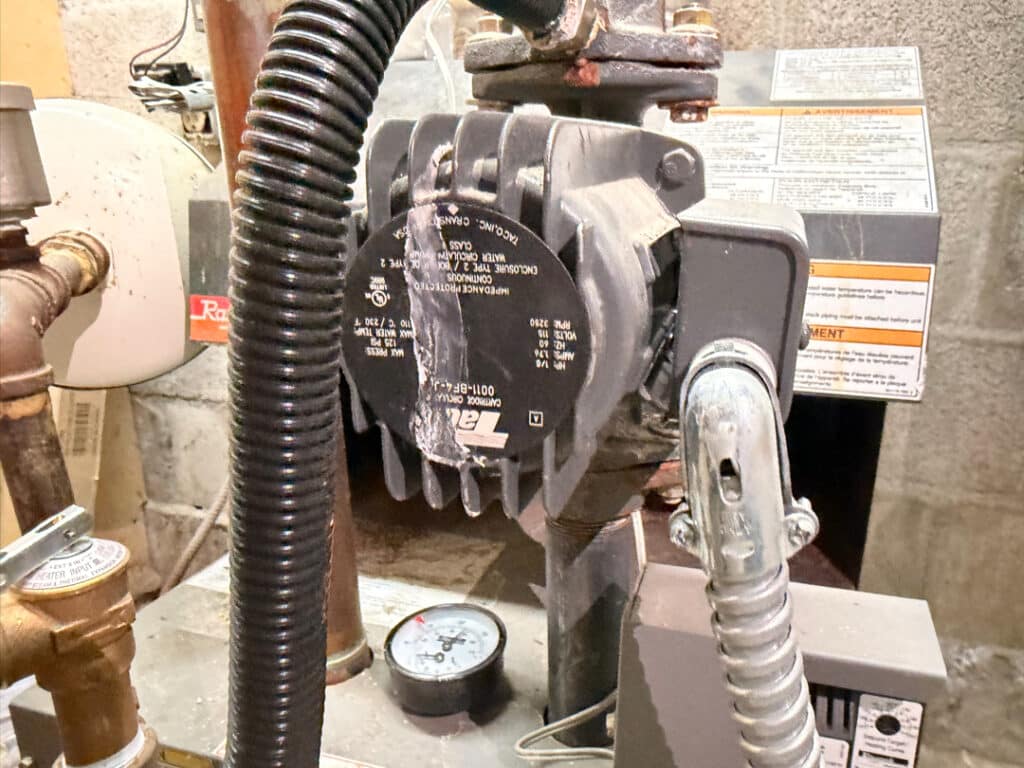
Boiler is Shut Down and Not Coming On - Denver
- Problem: Boiler was not firing.
- Found: Blown fuse on the boiler.
- Fixed: Replace motor with parts.
- Outcome: Boiler fired right up. Some of the leaks around the boiler seized up and stopped leaking when the system got hot.
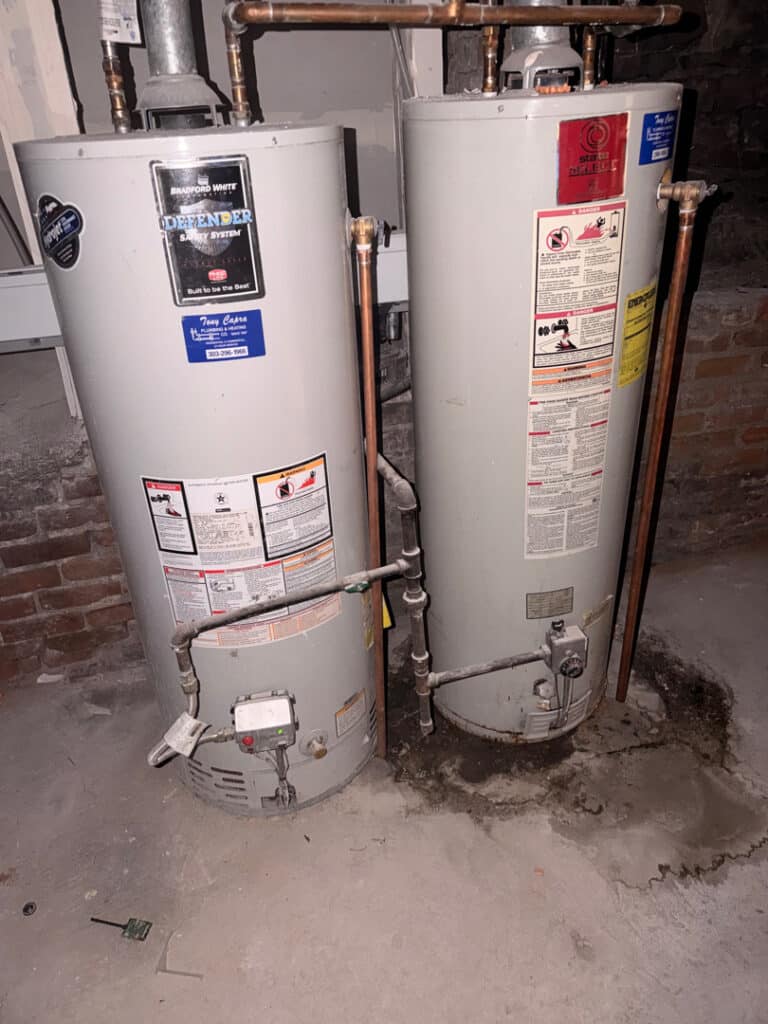
Clean Boiler and Write Up list of Problems - Denver
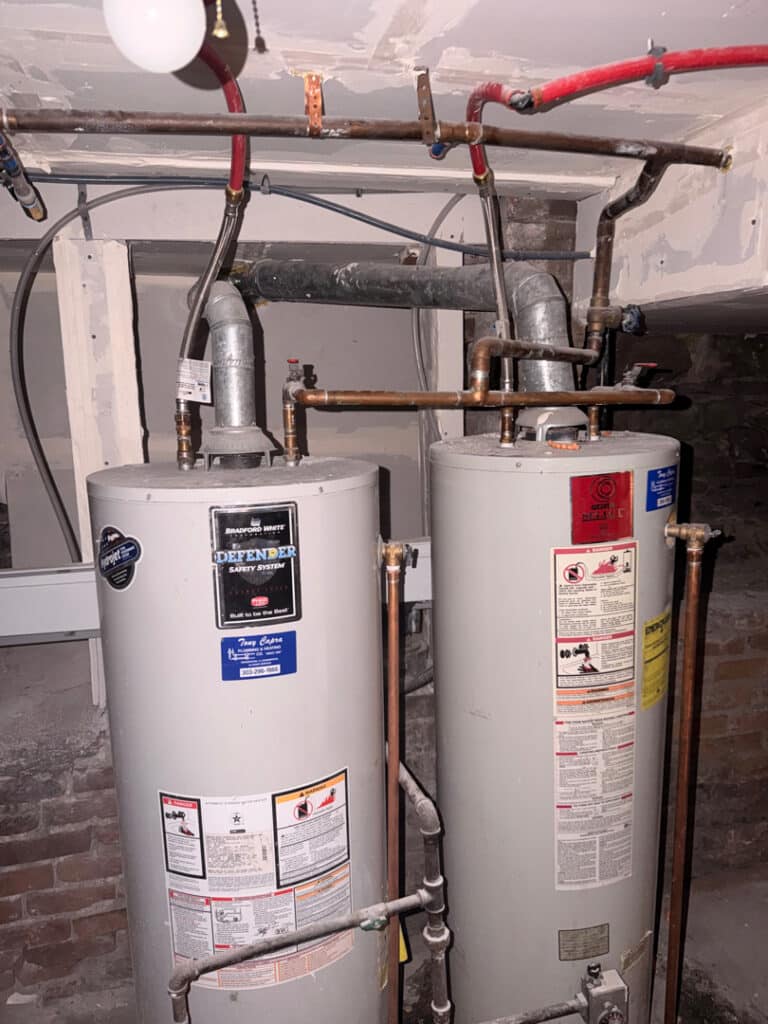
- Problem: Boiler and water heater service
- Found: Removed burners and cleaned them.
- Fixed: Cleaned off ignitor and pilot assembly.
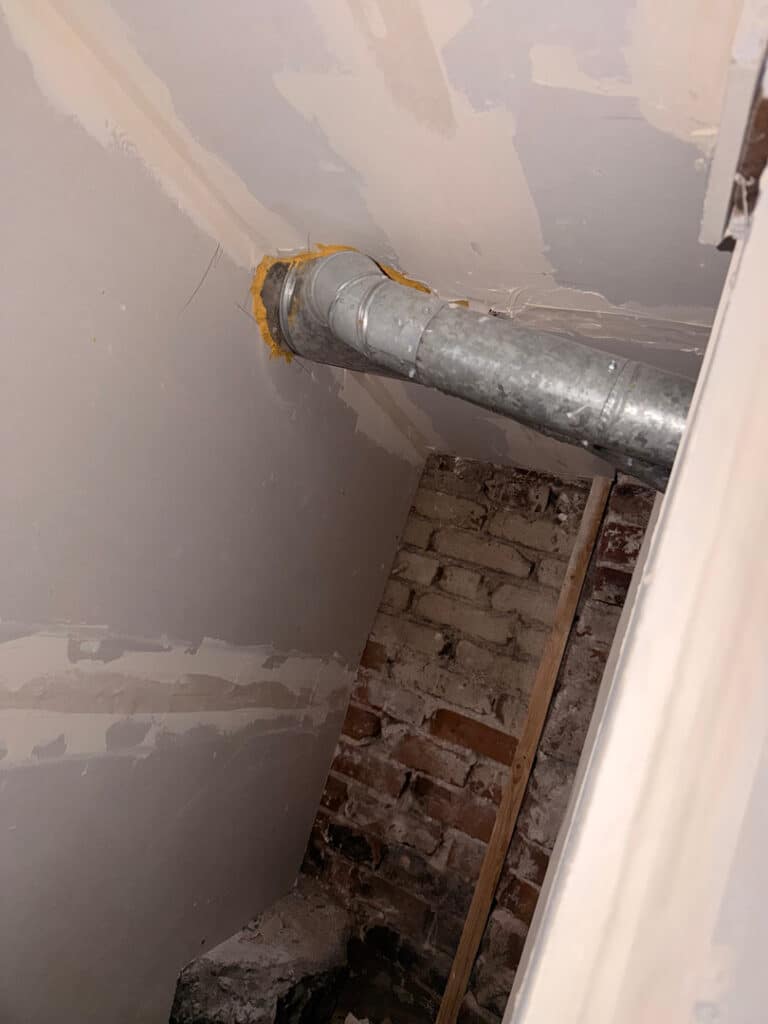
- Outcome: Boiler is drafting well. Checked both heaters.
Radiator in the Basement Apartment is Leaking - Denver
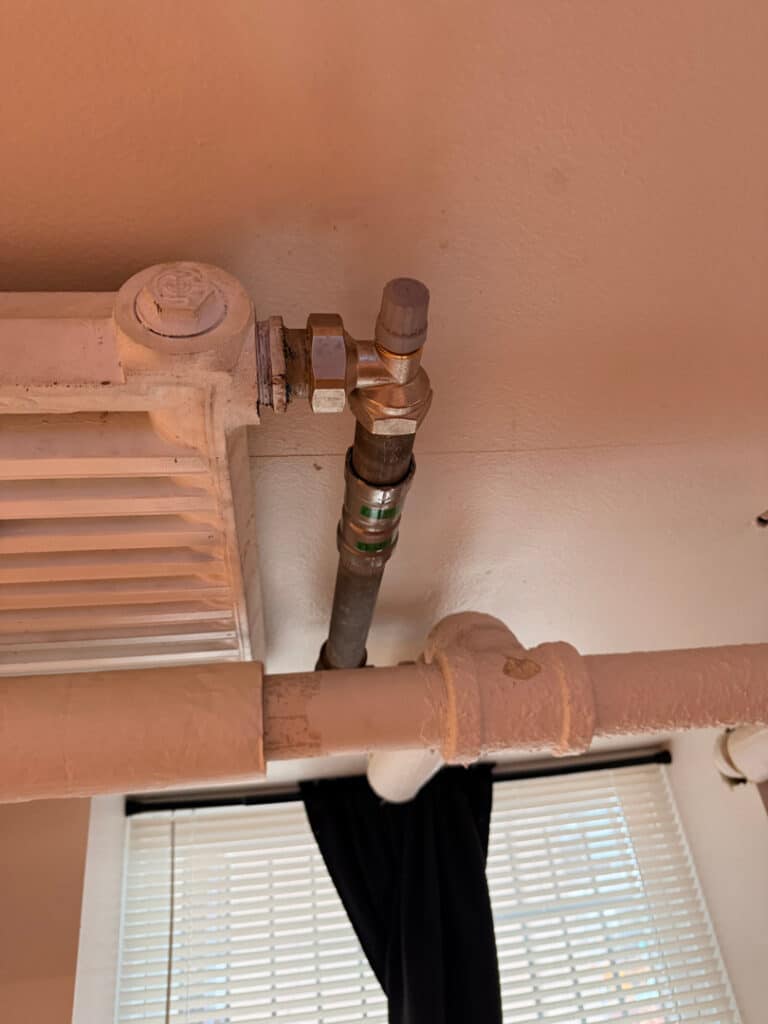
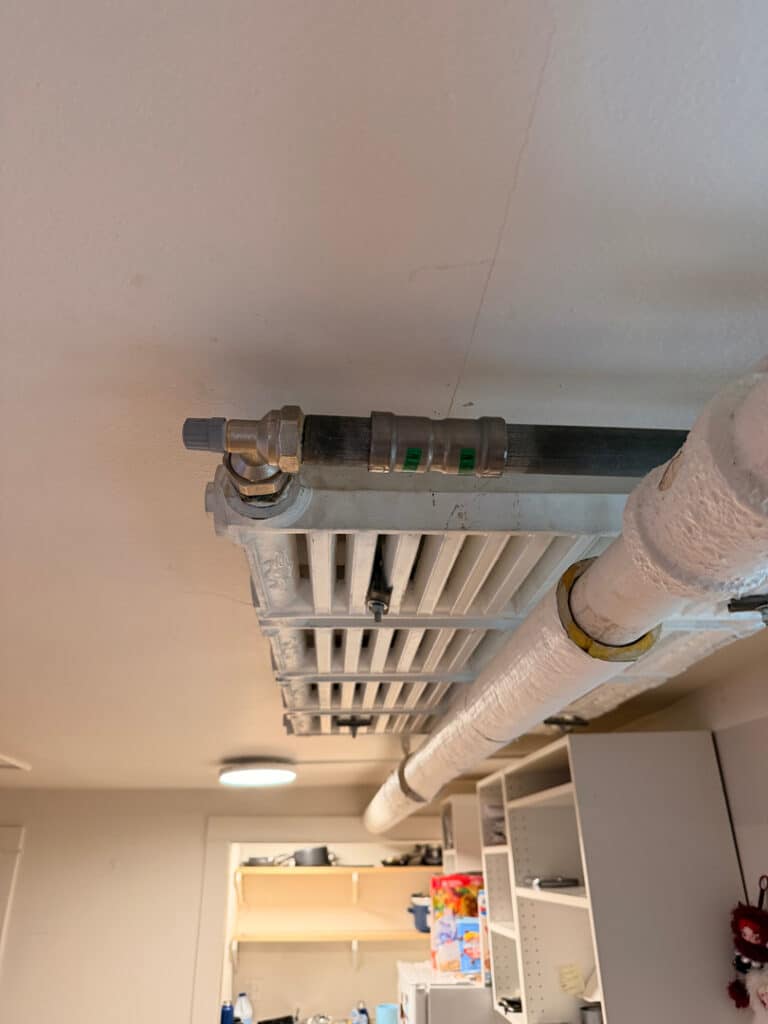
- Problem: Repair leaking radiator
- Found: Radiator suspended from the ceiling was leaking at the radiator.
- Fixed: Went out to pick up parts and returned to replace steam radiator valve fitting and short piece of pipe. Had to cut and add a coupling. When we broke apart the piping, it went out of alignement and could not be reinstalled correctly without a longer piece of pipe. Had to remove the 1 1/2" X 1 1/4" bushing going into the radiator and then reassemble all parts on the radiator.
- Outcome: Finished installation and turned on the boiler to reheat the system and test. No leaks.
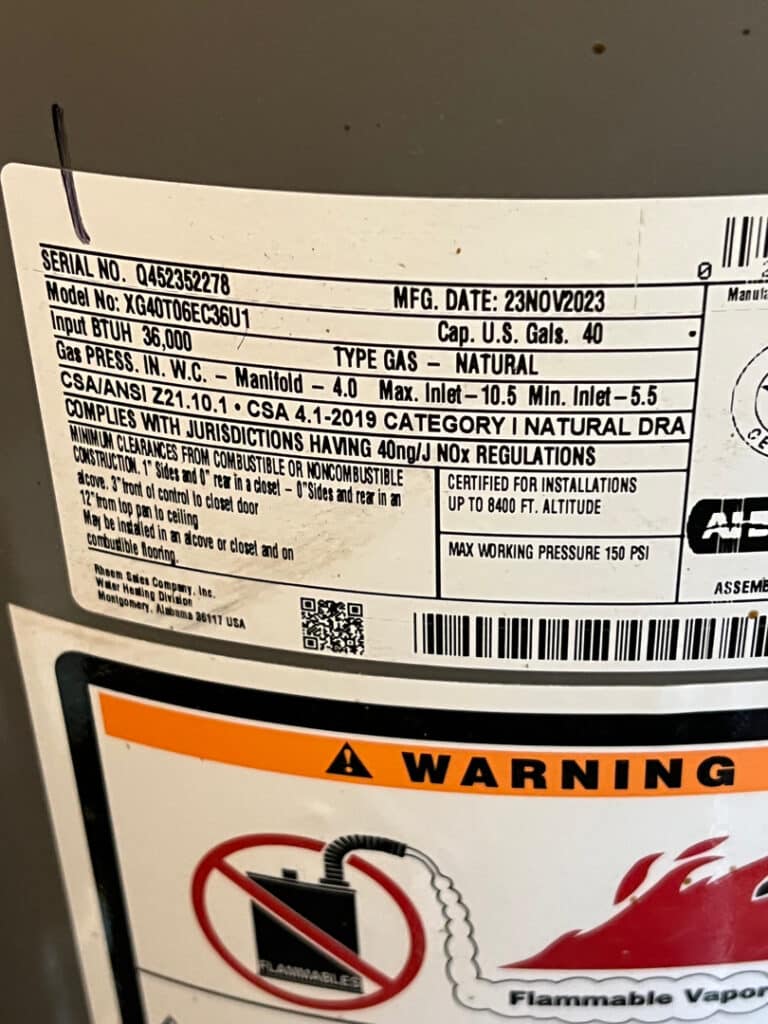
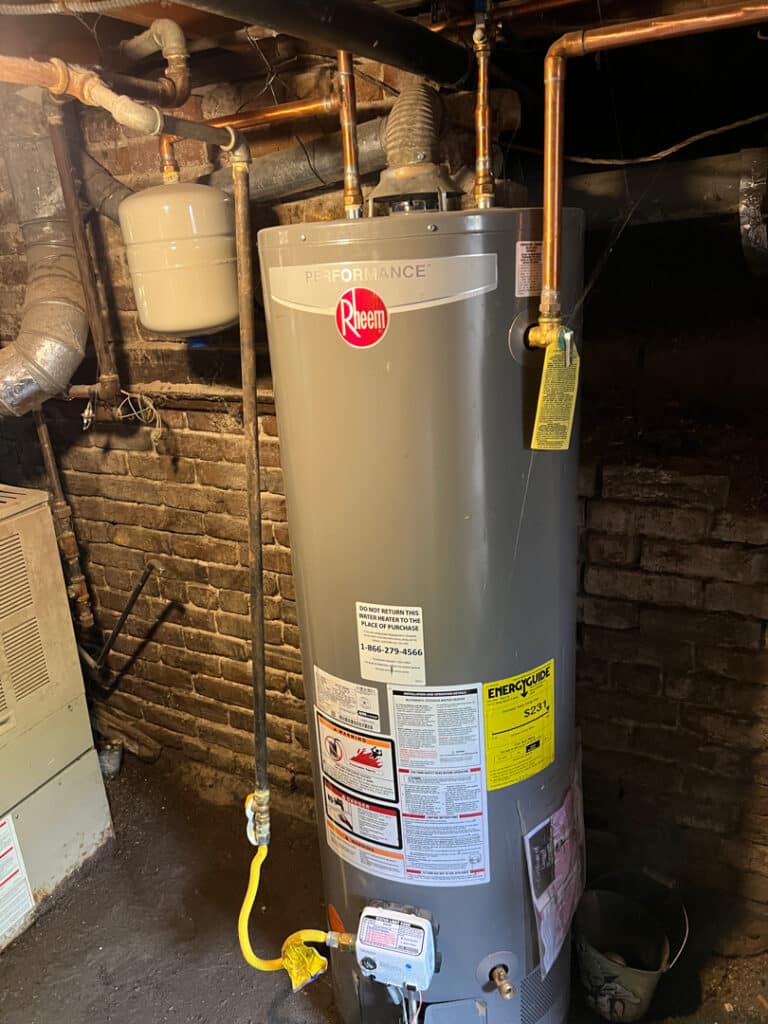
Restore Boiler for Heat and Hot Water - Denver
- Problem: Water heater is not working
- Found: The hatch access to the basement is not sealed very well which allows water to leak down inside. This caused a lot of water to go into the chamber of the heater and put out the pilot.
- Fixed: Took out the burner assemly and cleaned it. Reinstalled and lit the pilot.
- Outcome: I fired up right away and we tested it many times and it seems OK.
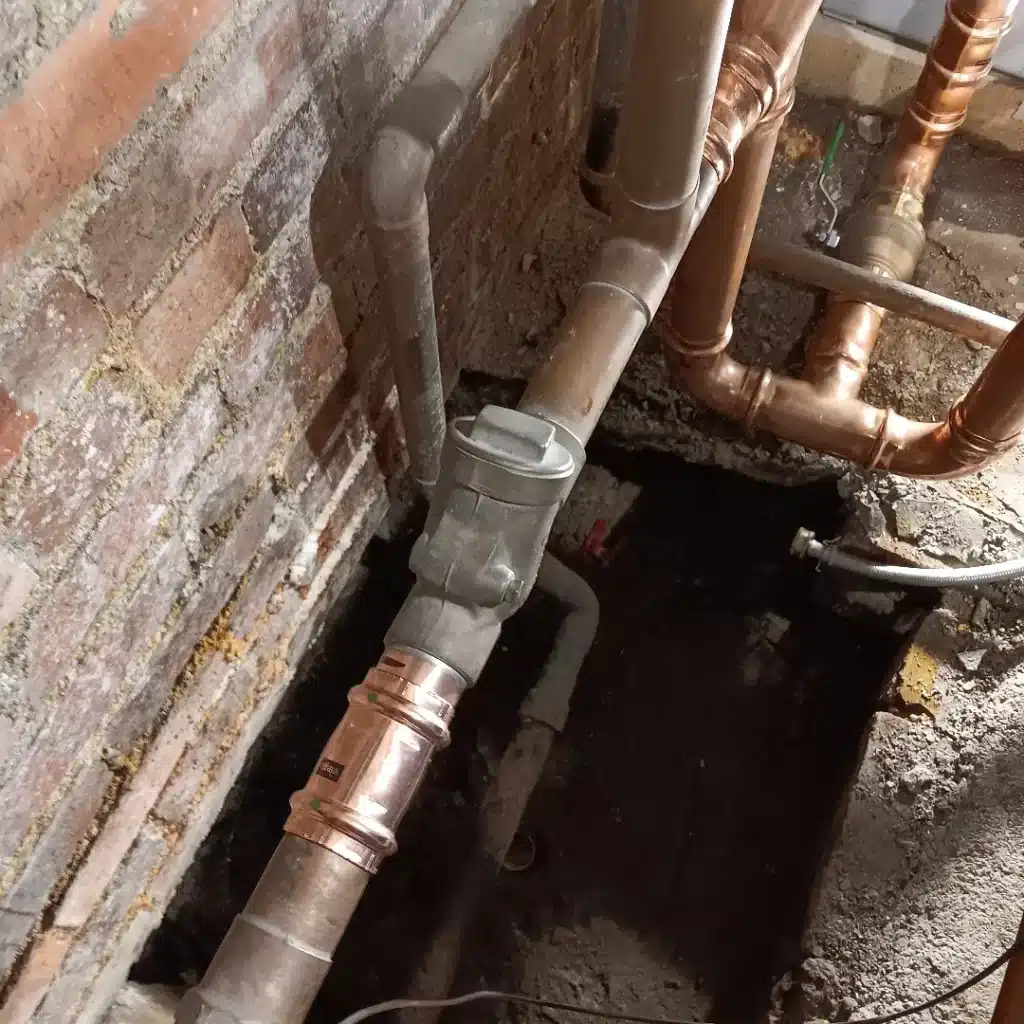
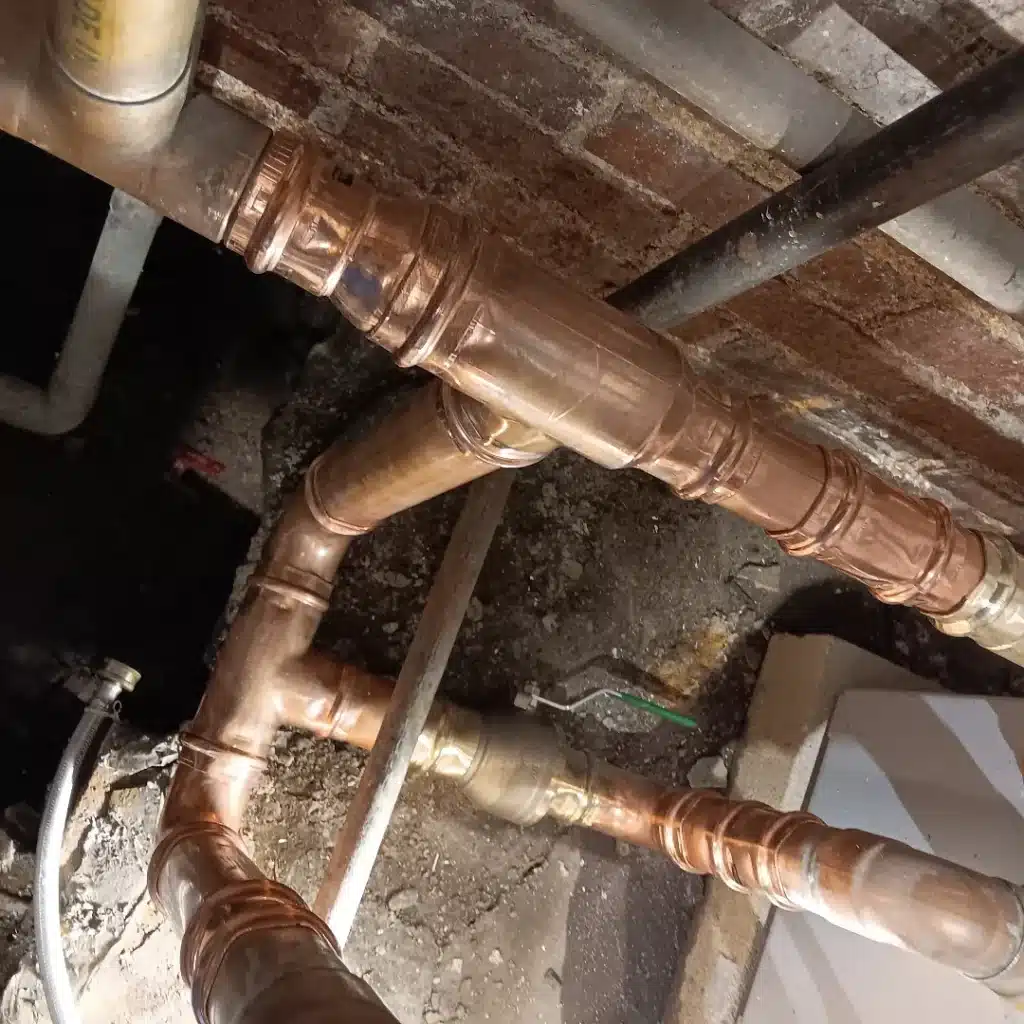
Steam Boiler Repairs to the Piping that Have Been Leaking - Denver
- Problem: Boiler repairs.
- Found: Pipe is leaking.
- Fixed: Installed new check valve and tested system for leaks. No leaks in any pipes. Filled boiler with water and set levels for proper steam functioning.
- Outcome: Tested and no leak.
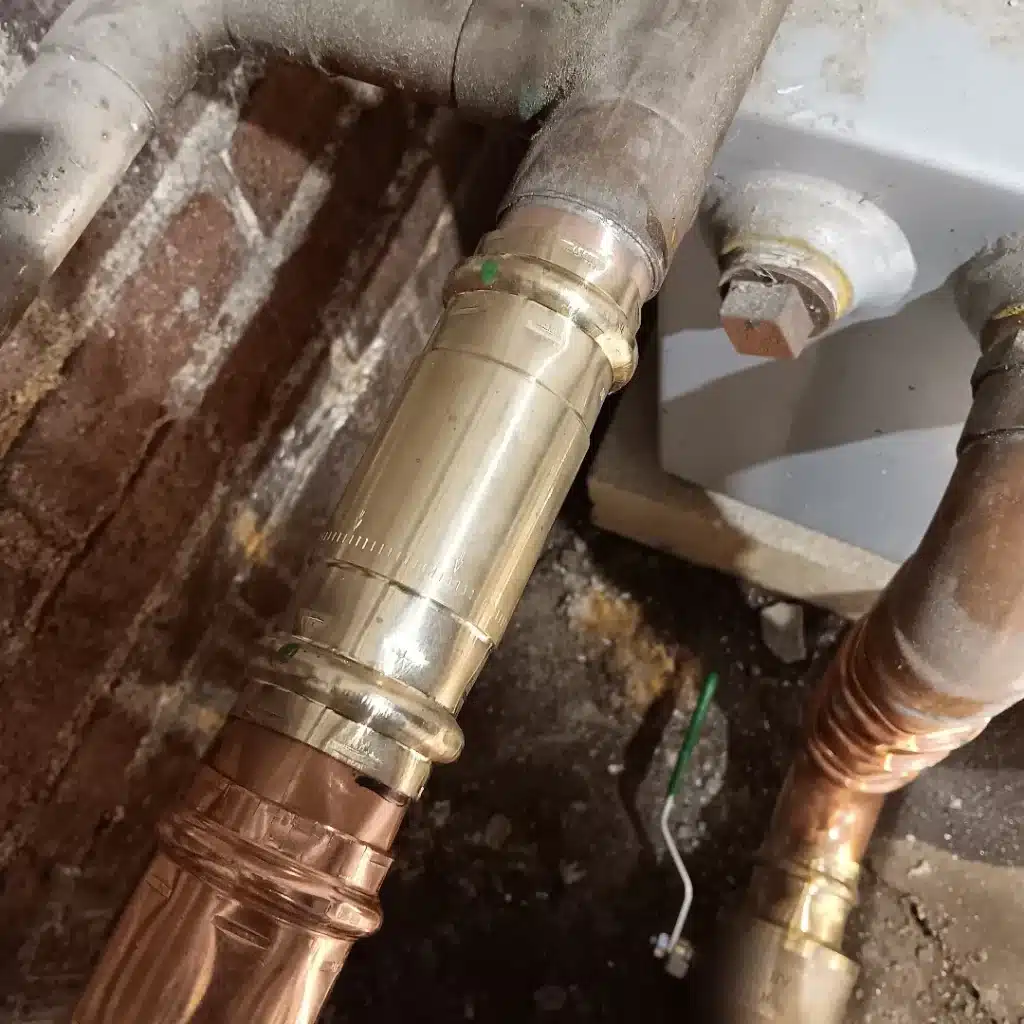
Boiler Leaking - Denver
- Problem: Boiler and water heater upgrades and repairs.
- Found: Numerous boiler and water heater repairs of leaks and code violation upgrades.
- Fixed: Water was turned back on and set at 12 PSI for this home. Expansion tanks were both pressurized to the correct amount.
- Outcome: All work was completed and tested.
Four Boiler Repairs - Denver
- Problem: Boiler leaking from several locations.
- Found: Old expansion tank.
- Fixed: Remove old expansion tank and install new with holdrite bracket pressurize to 20 psi Remove Unions and clean up and apply Teflon dope To them, Fill system back up and check for leaks, no leaks found ran boiler up to temp on the heating side and the domestic side.
- Outcome: No issues found.
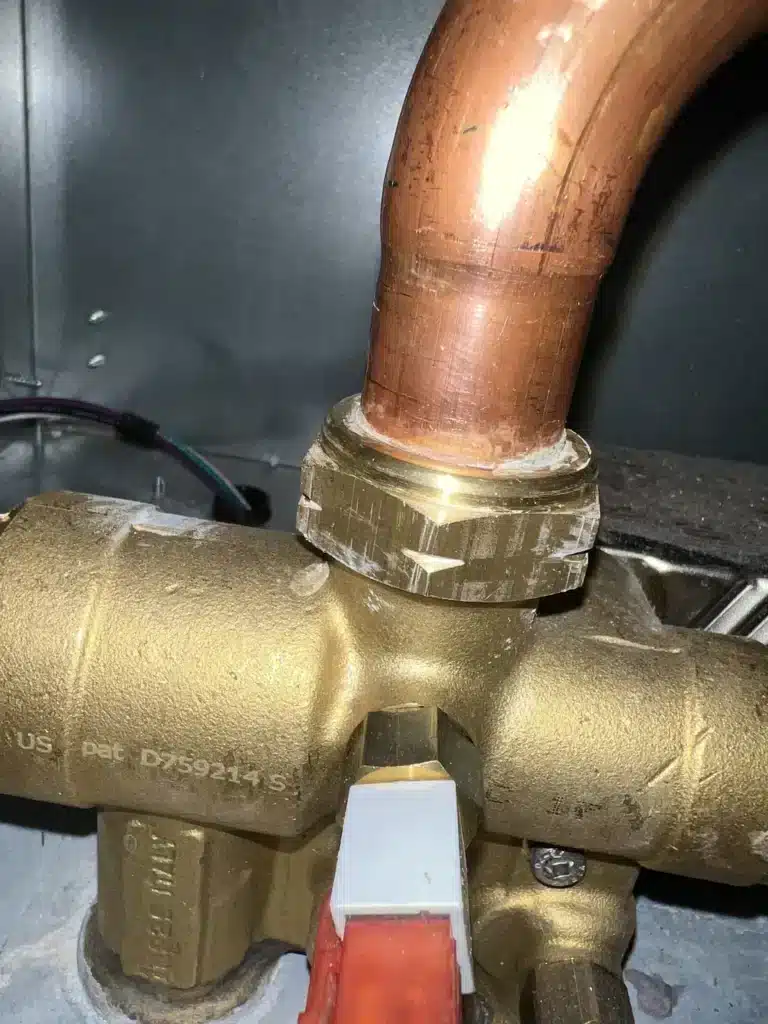
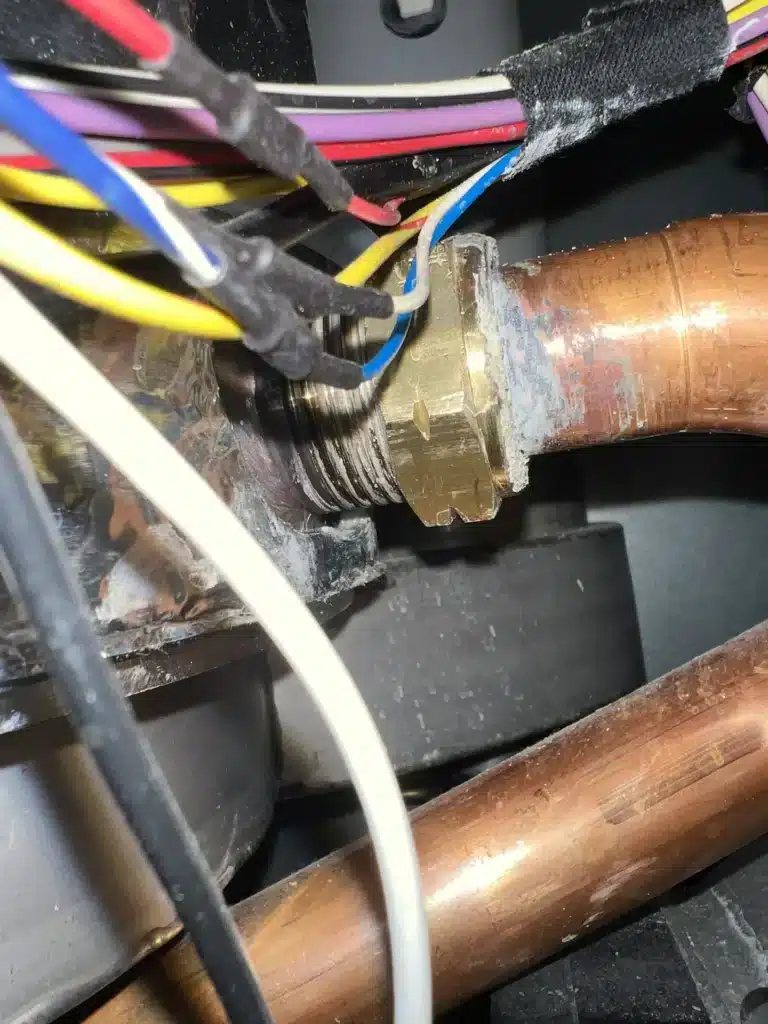
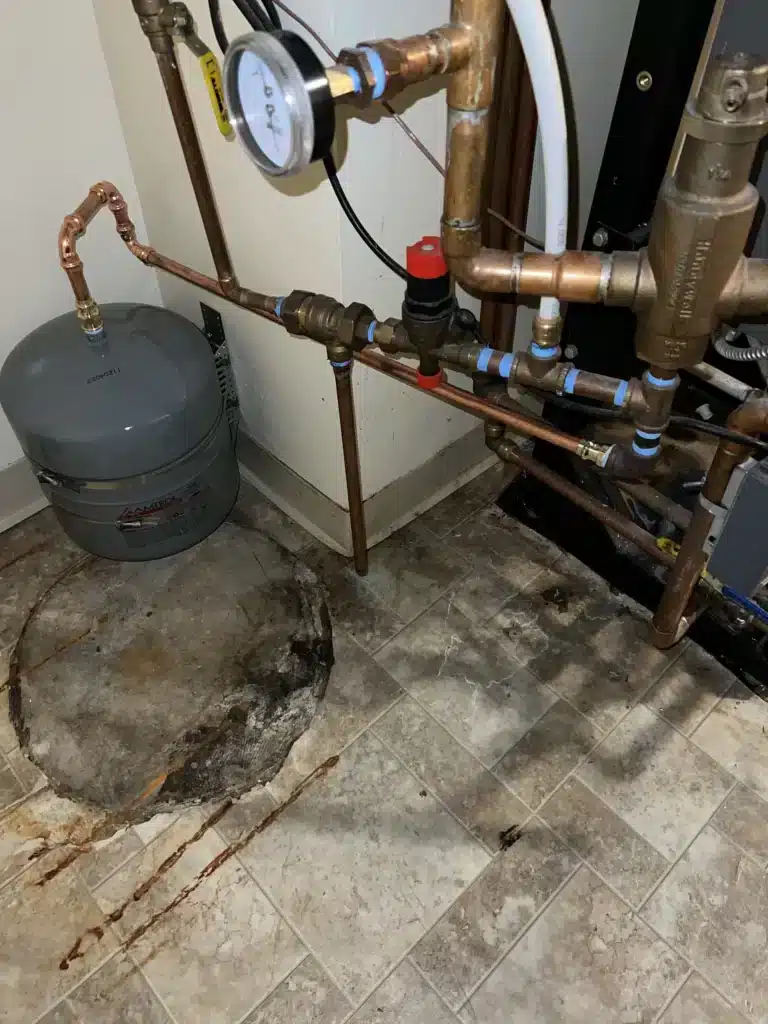
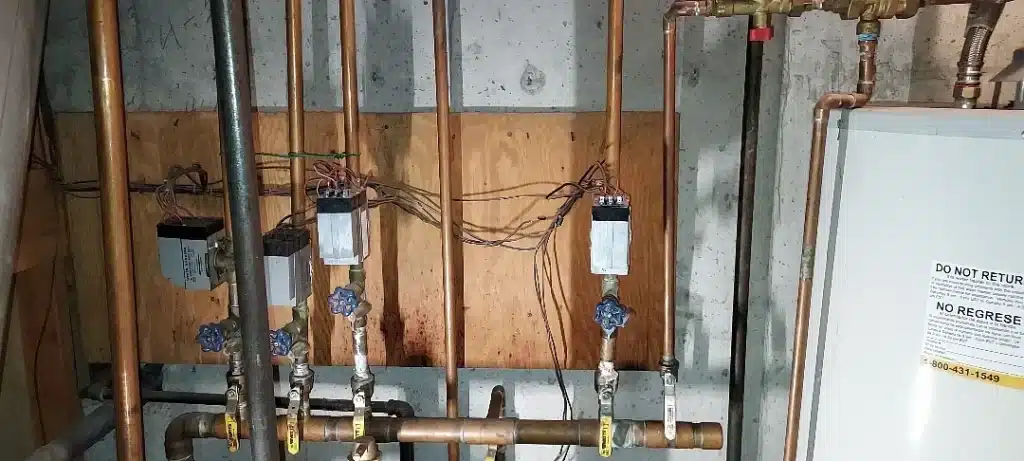
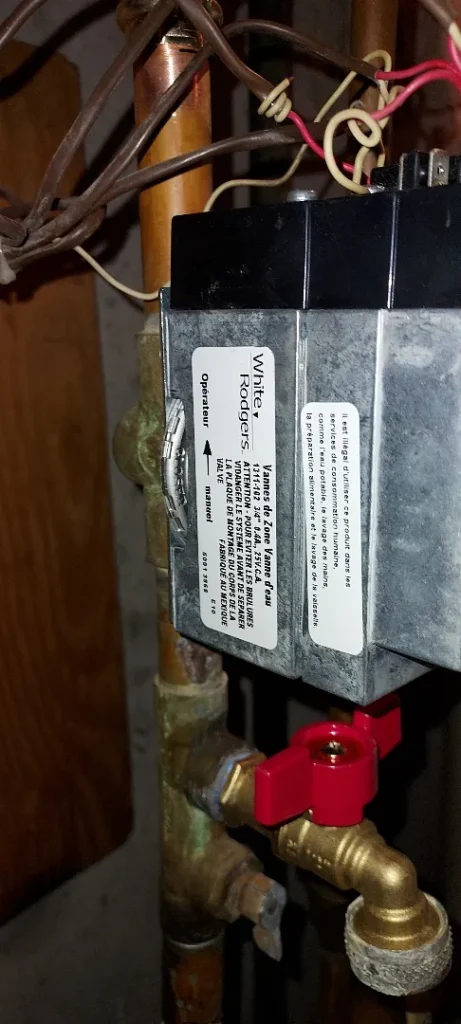
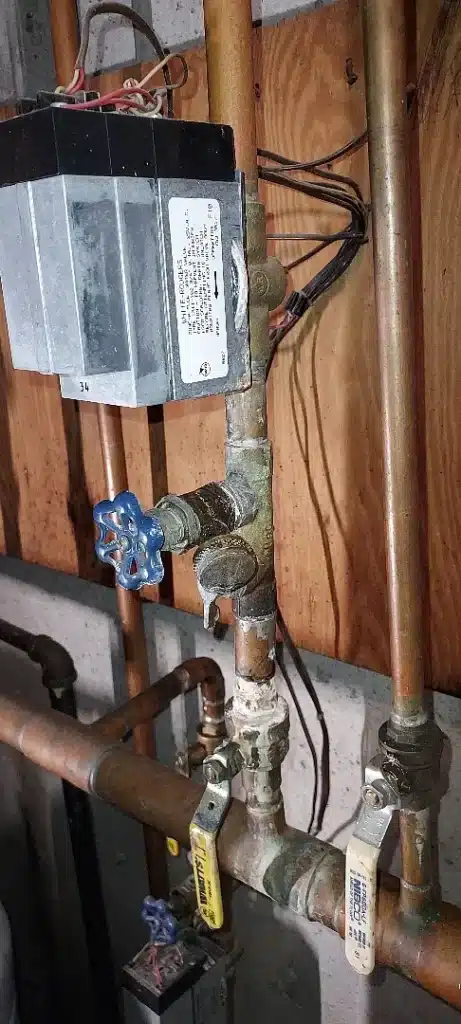
Zone Valve Leaking - Denver
- Problem: Replace leaking zone valve.
- Found: leaking zone valve
- Fixed: Removed leaking zone valve and replaced. Rewired zone valve. Replaced boiler drain to valve to zone with 1/4 turn boiler drain. Bled air out of system. Added ball valve above zone valve.
- Outcome: Tested and no leak.
How Cardom Plumbing & Heating Can Help
Our installation process begins long before equipment arrives at your Denver home. We follow a systematic approach that addresses altitude-specific requirements and your property's unique characteristics.
Our Step-by-Step Installation Process
- Initial assessment and heat load calculation – We evaluate your home's square footage, insulation levels, window quality, and existing distribution system to determine proper boiler sizing
- Equipment selection consultation – Based on assessment findings, we present options matching your heating needs, efficiency goals, and budget parameters
- Pre-installation preparation – Our team verifies gas line capacity, inspects venting pathways, and confirms water supply adequacy
- Old system removal – Careful disconnection and disposal of existing equipment, including proper handling of any hazardous materials
- New boiler positioning and mounting – Precise placement ensuring adequate clearances for maintenance access and code compliance
- Connection and integration – Gas line hookup, water supply connection, distribution system integration, and electrical wiring
- High-altitude calibration – Combustion adjustments specific to Denver's 5,280-foot elevation for optimal efficiency and safety
- System testing and commissioning – Comprehensive operation verification including pressure testing, leak detection, and performance measurement
- Homeowner walkthrough – Detailed explanation of controls, maintenance requirements, and system operation
Methods and Techniques We Employ
- Manual J heat load calculations for accurate sizing
- Combustion analysis testing to verify proper air-fuel ratios
- Digital manometer readings for gas pressure verification
- Thermal imaging to confirm heat distribution effectiveness
- Pressure decay testing to identify any system leaks
- Water quality assessment to recommend appropriate treatment
Communication Throughout Your Project
We maintain clear communication from initial contact through project completion. You receive detailed scope documentation before work begins, progress updates during installation, and comprehensive paperwork upon completion – including warranty information, equipment manuals, and maintenance schedules.
Why Choose Cardom Plumbing & Heating
Boiler installation requires specialized knowledge that general contractors and HVAC technicians often lack. Our team holds specific certifications for hydronic heating systems – the technical term for water-based heating – along with manufacturer training from leading boiler brands. This specialized focus means we understand the nuances that determine whether an installation performs flawlessly or creates ongoing headaches.
Local Knowledge That Matters
We've installed and serviced boilers throughout Denver's diverse neighborhoods – from the historic mansions of Country Club to the craftsman homes of Berkeley, from downtown loft conversions to newer construction in Stapleton. This experience across different building types, ages, and heating configurations gives us practical insight that classroom training alone cannot provide. We understand which approaches work best for Denver's specific conditions.
What Sets Us Apart
- High-altitude expertise – Every installation includes proper combustion calibration for Denver's elevation
- Licensed and insured – Full Colorado plumbing and mechanical licensing with comprehensive liability coverage
- Responsive scheduling – We understand heating failures cannot wait, especially during Denver winters
- Thorough documentation – Permit acquisition, inspection coordination, and warranty registration handled completely
- Follow-up commitment – Post-installation check-ins to verify system performance and address any questions
Our diagnostic approach uses modern tools – combustion analyzers, thermal cameras, and digital pressure gauges – to verify every aspect of installation meets specifications. This data-driven verification catches potential issues before they become problems, giving you confidence in your new heating system.
Housing Characteristics & Boiler Installation Considerations
Denver's housing stock reflects over 150 years of development, creating a diverse mix of construction types that each present unique boiler installation requirements. Understanding your home's characteristics helps determine the most appropriate heating solution.
Historic Properties (Pre-1940)
Neighborhoods like Capitol Hill, Congress Park, and Curtis Park contain thousands of homes built during Denver's early boom periods. These properties commonly feature:
- Original cast iron radiators – often oversized by modern standards but still functional
- Single-pipe steam or gravity-fed hot water systems
- Limited insulation and single-pane windows increasing heat loss
- Basement mechanical rooms with restricted access
- Older gas lines potentially requiring upgrades
Installing modern high-efficiency boilers in these homes requires careful compatibility assessment. The existing distribution system may need modifications to work properly with contemporary equipment.
Mid-Century Construction (1940-1980)
Post-war expansion created neighborhoods like Harvey Park, Montbello, and Virginia Village with different characteristics:
- Baseboard hot water heating common in ranch and split-level designs
- Smaller mechanical spaces often in utility closets
- Copper or galvanized steel distribution piping
- Original equipment frequently approaching or exceeding 40 years of service
Modern and Contemporary Homes (1980-Present)
Newer Denver construction – including infill development and suburban growth areas – typically features forced-air heating. However, radiant floor systems have gained popularity in recent decades, particularly in high-end renovations and custom builds. These systems require specific boiler types designed for lower water temperatures.
- Radiant floor heating requires condensing boilers operating at 80-120°F
- Combination systems serving both heating and domestic hot water
- Zoned systems with multiple thermostats for different areas
- Integration with smart home technology and remote monitoring
Environmental Conditions & Boiler Installation Implications
Denver's unique environmental conditions directly impact boiler selection, installation methods, and long-term system performance. These factors require specific consideration during the planning and installation process.
Water Quality Characteristics
Denver Water supplies the metropolitan area from a combination of mountain reservoir sources. While generally high-quality, the water contains mineral content that affects heating equipment:
- Hardness levels averaging 4-8 grains per gallon – moderate by national standards but sufficient to cause scale accumulation
- Calcium and magnesium deposits reduce heat exchanger efficiency over time
- pH levels typically between 7.2-7.8 – slightly alkaline, which can accelerate corrosion of certain metals
- Seasonal variation in mineral content as source water blends change
We recommend water treatment solutions for many Denver installations, particularly for high-efficiency condensing boilers with aluminum heat exchangers that are more susceptible to water quality issues.
Climate Impacts on Heating Systems
Denver's semi-arid continental climate creates specific challenges:
- Temperature extremes – Winter lows reaching -20°F require robust heating capacity with reliable ignition systems
- Rapid weather changes – Chinook winds can swing temperatures 40+ degrees in hours, demanding responsive heating controls
- Low humidity – Winter indoor humidity often drops below 20%, affecting steam systems and creating static electricity issues with electronic controls
- Intense solar gain – Even in winter, south-facing rooms may overheat during sunny afternoons, requiring zoned heating solutions
Altitude and Combustion
At 5,280 feet, Denver's atmospheric pressure is approximately 17% lower than sea level. This reduced air density directly affects combustion:
- Standard boilers require high-altitude orifices or conversion kits
- Combustion air intake sizing must account for reduced oxygen availability
- Venting calculations differ from sea-level installations
- Flame characteristics and heat output require specific calibration
Improper altitude compensation results in incomplete combustion, carbon monoxide production, and reduced efficiency – making professional installation with proper calibration a safety requirement rather than merely a preference.
Denver Energy Costs and Heating Efficiency Data
Natural gas prices and heating costs directly influence the economics of boiler installation decisions for Denver homeowners. Understanding local energy data helps evaluate the long-term value of different equipment options and efficiency levels.
Current Energy Landscape
Xcel Energy serves as the primary natural gas provider for metropolitan Denver. Recent rate structures and usage patterns reveal important considerations for boiler replacement:
- Average residential natural gas costs range from $1.00-$1.50 per therm, with seasonal variation
- Typical Denver homes consume 600-900 therms annually for heating – representing $600-$1,350 in heating fuel costs
- Winter peak demand months (December through February) account for approximately 60% of annual heating fuel consumption
- Rate increases averaging 3-5% annually make efficiency improvements increasingly valuable over time
Colorado's renewable energy initiatives and carbon reduction goals suggest continued pressure on natural gas pricing. High-efficiency boiler installations – achieving 95%+ AFUE ratings compared to 80% for standard equipment – can reduce fuel consumption by 15-20%, translating to meaningful annual savings.
Efficiency Upgrade Economics
The efficiency differential between older boilers and modern condensing units creates substantial long-term value:
- Replacing an 80% efficient boiler with 95% efficient equipment reduces fuel consumption by approximately 16%
- For a home using 800 therms annually, this represents 128 therms saved – roughly $130-$190 per year at current rates
- Equipment lifespan of 20-25 years multiplies these savings significantly
- Additional rebates and incentives from Xcel Energy periodically reduce installation costs
Denver's cold winters and extended heating season – typically October through April – mean heating efficiency matters more here than in milder climates. The payback period for high-efficiency equipment is correspondingly shorter, making premium boiler options financially sensible for many Denver homeowners.


