
Recent Posts
Categories
Water Heater Insulation: Boosting Efficiency in Arvada Homes
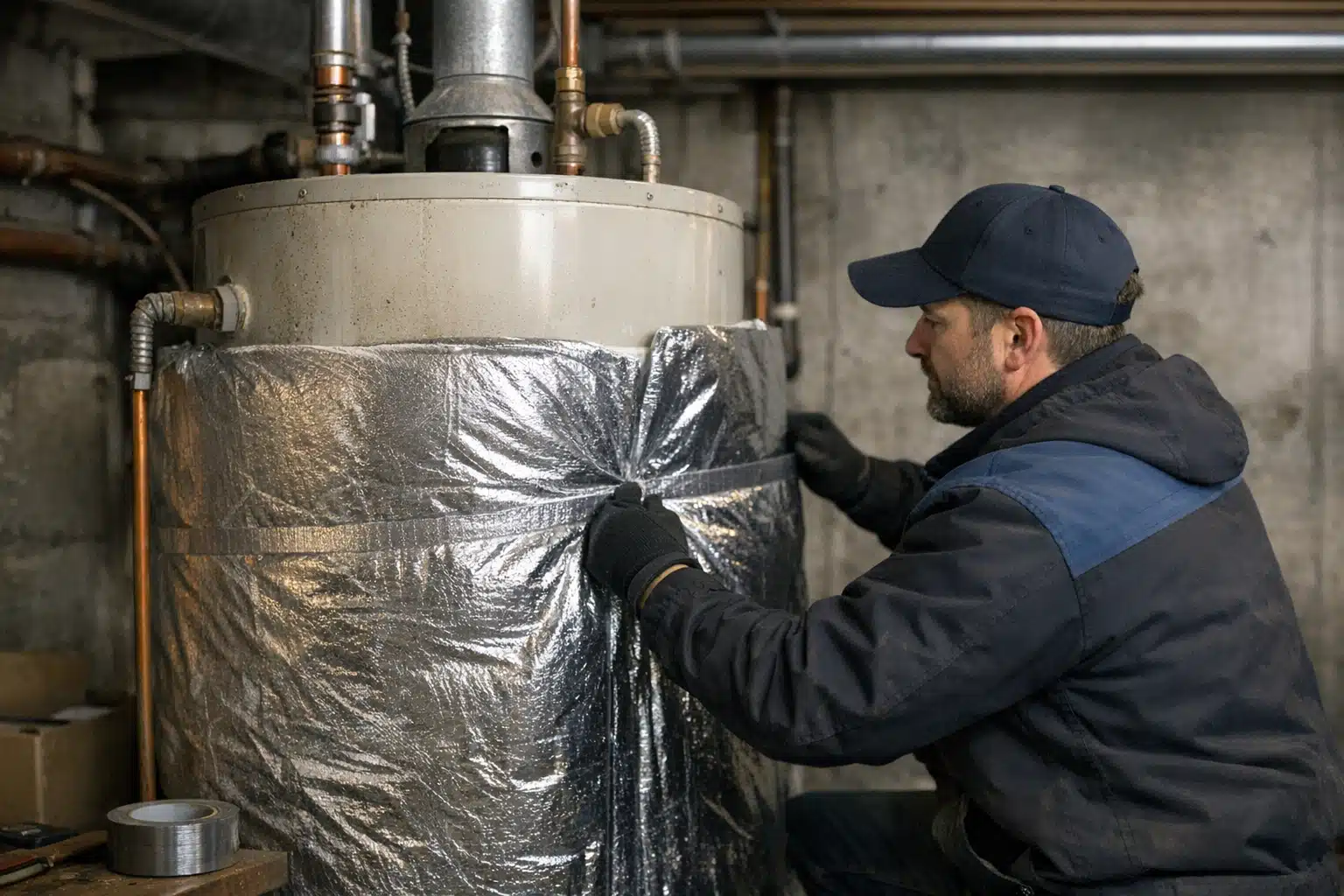
Water heater insulation reduces standby heat loss and lowers energy bills, especially for Arvada homes where tanks sit in cold garages or basements. This guide covers how to insulate tanks and pipes, common mistakes to avoid, and when to call a plumber.
- Tanks over 7 years old or with R-values below R-24 benefit most from insulation blankets costing $20 to $50. A wrapped tank can cut standby heat loss by 25 to 45 percent.
- Gas units require extra caution - never cover the flue or air intake due to carbon monoxide risks. Electric tanks are simpler to wrap and can have the top covered.
- Insulating the first six feet of hot water pipes with foam sleeves adds freeze protection and prevents heat loss. Set thermostats to 120°F and flush tanks yearly for best results.
Water heater insulation is a protective covering wrapped around your water heater tank to reduce standing heat loss. It prevents warmth from escaping through the tank walls, especially when the unit is located in cold spaces like unheated garages or basements. This simple upgrade can save homeowners hundreds of dollars each year on energy bills by reducing how hard the heater works to maintain water temperature.
When January temperatures drop below zero in Arvada, your water heater works overtime to keep up. Standing heat loss can waste hundreds of dollars each year, especially when the unit sits in an unheated garage or basement. Water heater insulation is one of the cheapest ways to cut that waste and lower your bills.
This post walks you step by step through insulating your tank, pipes, and surrounding space. You will learn what materials work best for Front Range winters and when to call a plumber instead.
What Water Heater Insulation Does
Water heater insulation is a wrap or jacket that reduces heat escaping from the tank. It keeps stored water hotter longer, so the burner or element cycles less.
Older tanks lose the most heat. If your water heater feels warm to the touch on the outside, it is leaking energy into the room.
Why Arvada’s Climate Makes This Matter
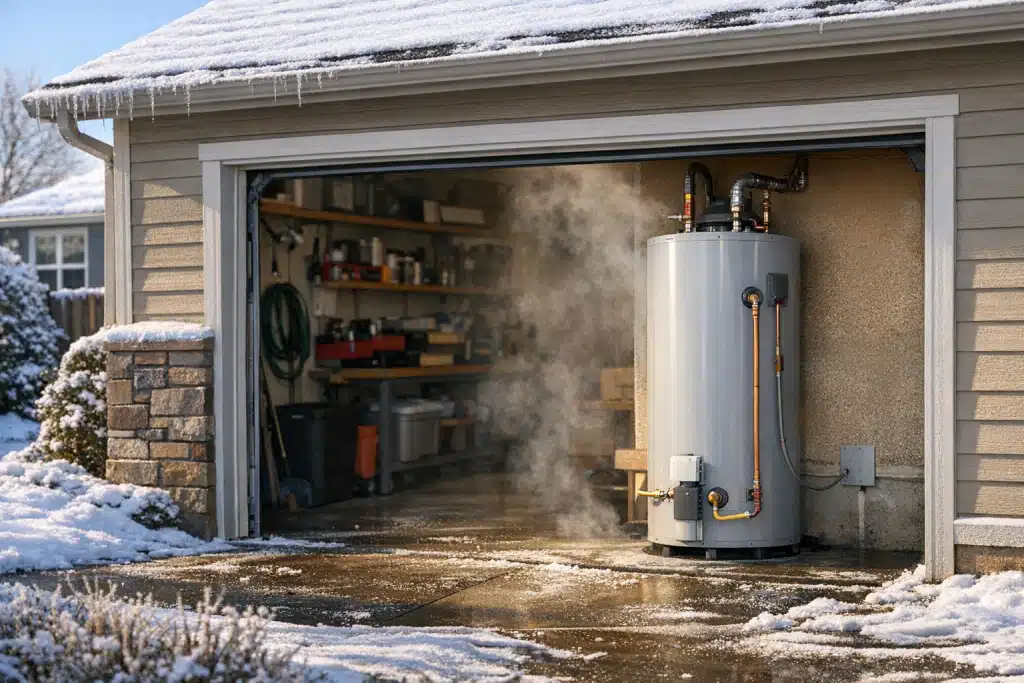
Arvada homes face wide temperature swings between day and night. Garages and crawl spaces along the Front Range can drop into the 30s or lower.
A tank sitting in that cold air loses heat fast. Insulation closes that gap and supports better Arvada efficiency year-round.
How to Tell If Your Tank Needs Insulation
Not every water heater needs a blanket. Many newer models already carry high internal R-values.
Check for an R-value label on the side of your unit. Use this quick test:
- Touch test: Place your hand on the tank. Warmth means heat loss.
- Age check: Units over 7 years old usually benefit from a wrap.
- Factory rating: An internal rating below R-24 is a candidate for added insulation.
- Location: Tanks in unheated garages or basements lose more heat.
If your manufacturer label says R-24 or higher, adding a blanket brings little gain. Focus on pipe insulation instead.
How to Insulate a Water Heater: Step by Step
You can wrap a standard electric or gas tank in under an hour. Follow this order to stay safe and avoid blocking airflow.
- Turn off the power or gas. Flip the breaker for electric units. Set a gas unit to pilot.
- Measure the tank. Note the height and circumference before buying a blanket kit.
- Buy a rated jacket. Choose an R-8 or higher fiberglass blanket made for water heaters.
- Wrap the sides. Position the blanket so seams meet neatly. Tape them closed.
- Cut around controls. Leave the thermostat, access panels, and burner area open.
- Keep the top clear on gas units. Never cover the flue or exhaust vent.
- Restore power or gas. Relight the pilot if needed.
Gas units need extra care. Blocking the flue or air intake creates a carbon monoxide risk.
Electric vs. Gas: Key Differences
Electric tanks are simpler to wrap. You can cover the top as long as you leave access panels reachable.
Gas tanks draw combustion air from the room. Leave the bottom intake and top flue fully open at all times.
Don’t Forget the Pipes
Bare hot water pipes bleed heat the second water leaves the tank. Insulating the first six feet makes a measurable difference.
Foam pipe sleeves cost a few dollars per section. Here is how to apply them:
- Measure the pipe diameter, usually 1/2 inch or 3/4 inch.
- Buy foam sleeves that match the size.
- Slide the sleeve over the pipe and press the slit closed.
- Secure seams with tape or the self-sealing adhesive strip.
- Keep foam at least six inches from a gas flue.
In Arvada homes with pipes running along cold garage walls, this step doubles as freeze protection. Insulated lines hold heat and resist winter bursts.
Cost Breakdown for Arvada Homeowners
Most of this work costs very little compared to the savings. Here is what to budget:
- Tank insulation blanket: $20 to $50 per kit
- Foam pipe sleeves: $2 to $5 per six-foot length
- Insulating tape: $5 to $10 per roll
- Plumber installation: $75 to $150 if you want it done right
A wrapped tank can cut standby heat loss by 25 to 45 percent. For many Arvada households, that pays for the materials within a single winter.

 Posted on Google
Common Mistakes We See on Service Calls
Our crews run across the same insulation errors across Arvada and Wheat Ridge. Avoid these to stay safe and compliant.
- Covering the gas flue: This traps exhaust and risks carbon monoxide buildup.
- Blocking access panels: Hidden thermostats make future repairs harder.
- Wrapping a leaking tank: Insulation hides corrosion and rust until it fails.
- Setting the thermostat too high: Pairing insulation with 140°F water wastes the gain.
- Ignoring pipe insulation: Bare pipes undo much of the tank savings.
Set your thermostat to 120°F for most homes. That temperature balances comfort, safety, and savings.
When Hard Water Complicates Things
Front Range water carries mineral content that builds sediment inside tanks. A heavy sediment layer forces the burner to work harder, even with insulation in place.
Flush your tank once a year to clear that buildup. Insulation and a clean tank together give the biggest return.
When to Call a Plumber Instead
Some situations call for a trained hand. Reach out if any of the following apply:
- Your water heater is gas and you are unsure about flue clearance.
- The tank shows rust, moisture, or pooling water at the base.
- Your unit is over 10 years old and nearing replacement.
- You want to pair insulation with a thermostat adjustment and tank flush.
A quick visit confirms your setup meets local code and runs safely. It also catches small issues before they turn into cold showers in February.
Seasonal Timing for Best Results
Early fall is the smart time to insulate in Arvada. You lock in savings before the coldest months hit.
Pair the work with a pre-winter check of your heating system. One visit covers both the water heater and freeze prevention for exposed lines.
Boost Your Water Heater Efficiency Today
Water heater insulation lowers bills, stabilizes temperatures, and protects against winter cold. Wrap the tank, sleeve the pipes, set the thermostat to 120°F, and flush yearly for the best results.
Want it handled right the first time? Contact Cardom Plumbing & Heating for water heater insulation and efficiency help in Arvada, Wheat Ridge, Westminster, and nearby areas. Call or text 720‑775‑8322, email tomd@cardomcolorado.com, or visit https://www.cardomcolorado.com.


