Cardom Plumbing & Heating offers comprehensive water heater services in Wheat Ridge, CO, addressing common issues such as cold showers and unusual noises from aging units. Their expertise includes maintenance, repairs, and replacements tailored to the unique challenges posed by the local environment.
They provide routine maintenance and emergency repairs for various water heater types. Their technicians are trained to handle the specific conditions of Wheat Ridge homes, ensuring efficient service. Homeowners receive clear communication and education on maintaining their water heaters for optimal performance.
Water Heater Services in Wheat Ridge, CO That morning shower turning cold halfway through?
The water heater in your basement making strange popping or rumbling sounds?
What does a water heater do in a home?
A water heater is essential for providing hot water for various household needs, including showers, dishwashing, laundry, and cleaning. It operates continuously to ensure that hot water is readily available, making it a crucial appliance for daily comfort and convenience.
Water Heater Services in Wheat Ridge, CO
That morning shower turning cold halfway through? The water heater in your basement making strange popping or rumbling sounds? These frustrations hit harder when you're dealing with Wheat Ridge's chilly mornings and the demands of daily life. Your water heater works constantly – heating water for showers, dishes, laundry, and cleaning – yet most homeowners don't think about it until something goes wrong.
Water heater service encompasses everything from routine maintenance and efficiency tune-ups to complete system replacements and emergency repairs. Whether you have a traditional tank-style unit, a tankless on-demand system, or a hybrid heat pump model, professional diagnosis matters because these appliances involve complex interactions between water pressure, gas or electrical systems, and temperature controls.
Wheat Ridge presents unique challenges for water heaters. The city sits at approximately 5,400 feet elevation, which affects combustion efficiency in gas units. Hard water from the Denver Water supply accelerates sediment buildup inside tanks. And homes built during Wheat Ridge's mid-century development boom often have aging water heater installations that need modernization.
Extended equipment lifespan through proper maintenance and early problem detection
Lower utility bills from optimized heating efficiency and reduced standby heat loss
Consistent hot water supply sized appropriately for your household's actual usage patterns
Safety assurance through professional inspection of gas connections, venting, and pressure relief systems
Cardom Plumbing & Heating provides Water Heater services in all neighborhoods of Wheat Ridge including Applewood Lane, Kipling Villiage, Outlook Clear Creek, The Ridge, and Vista Village.
Wheat Ridge's housing stock tells a story through its water heaters. Many homes here were built between 1950 and 1980, meaning original plumbing infrastructure has seen decades of use. Water heaters installed during renovations in the 1990s and early 2000s are now reaching the end of their service life. This aging equipment meets demanding conditions that accelerate wear.
The Front Range's dramatic temperature swings stress water heaters significantly. Winter nights dropping below zero mean cold incoming water – sometimes as low as 40°F – requires far more energy to heat than summer supply temperatures around 60°F. Your water heater works hardest during the coldest months, precisely when failure causes the most disruption.
Local Factors Affecting Water Heater Performance
High mineral content in water supply – Denver Water sources from mountain snowmelt, carrying dissolved minerals that form scale deposits inside tanks and on heating elements
Elevation-related combustion challenges – Gas water heaters at 5,400 feet receive less oxygen per cubic foot of air, requiring proper adjustment for efficient burning
Older home electrical systems – Many mid-century Wheat Ridge homes have 100-amp or smaller electrical panels that struggle to support modern electric water heaters
Basement installation conditions – Unfinished basements common in older Wheat Ridge homes expose water heaters to temperature extremes and dust accumulation
Original galvanized supply lines – Corrosion from aging pipes introduces sediment that clogs water heater components
Inadequate venting in retrofitted installations – Water heaters upgraded without proper venting modifications can develop dangerous backdraft conditions
Warning Signs Wheat Ridge Homeowners Should Monitor
Catching problems early prevents emergency failures and water damage. Watch for these indicators:
Rusty or discolored hot water – particularly when only the hot side shows discoloration
Rumbling, popping, or banging sounds during heating cycles
Water pooling around the base of the unit or visible corrosion on tank surfaces
Hot water running out faster than it used to
Pilot light repeatedly going out or yellow/orange flame instead of blue
Rotten egg smell indicating bacterial growth in the tank
Temperature fluctuations despite thermostat remaining unchanged
Professional water heater service goes far beyond swapping out an old unit for a new one. Cardom Plumbing & Heating approaches every water heater call with systematic diagnosis and customized solutions based on your home's specific conditions and your household's hot water demands.
Our Water Heater Service Process
Initial assessment and history review – We examine your current equipment, discuss symptoms you've noticed, and review your home's plumbing configuration
Comprehensive diagnostic inspection – Testing includes checking gas pressure or electrical connections, measuring inlet and outlet temperatures, inspecting anode rods, examining venting systems, and evaluating tank condition
Water quality evaluation – We assess sediment accumulation and scale buildup to determine if water treatment might extend equipment life
Solution presentation – You receive clear options ranging from repairs and maintenance to replacement, with honest assessment of each approach's long-term value
Professional installation or repair – Work proceeds according to manufacturer specifications and local code requirements
System testing and calibration – We verify proper operation, adjust temperature settings, and confirm safety device function before considering the job complete
Homeowner education – You learn about maintenance tasks, warning signs to watch for, and how to maximize your water heater's efficiency
Techniques and Methods We Employ
Tank flushing and sediment removal – Clearing accumulated mineral deposits restores heating efficiency and extends tank life
Anode rod inspection and replacement – This sacrificial component protects your tank from corrosion but requires periodic replacement
Thermostat calibration – Proper temperature settings balance comfort, safety, and energy efficiency
Expansion tank installation – Closed-loop systems need expansion tanks to prevent pressure damage
Venting system evaluation – Atmospheric and power-vent units require different venting configurations that must meet code
Gas line pressure testing – Proper gas supply pressure affects combustion efficiency and safety
Seismic strapping installation – Securing tanks prevents movement that can damage connections
Throughout every service call, we maintain clear communication. You'll understand what we're doing, why it matters, and what to expect next. No surprises, no pressure – just honest professional guidance.
Recent Work
Water Heater is Not Working - Wheat Ridge
Problem:Water heater not working and needs to be replaced.
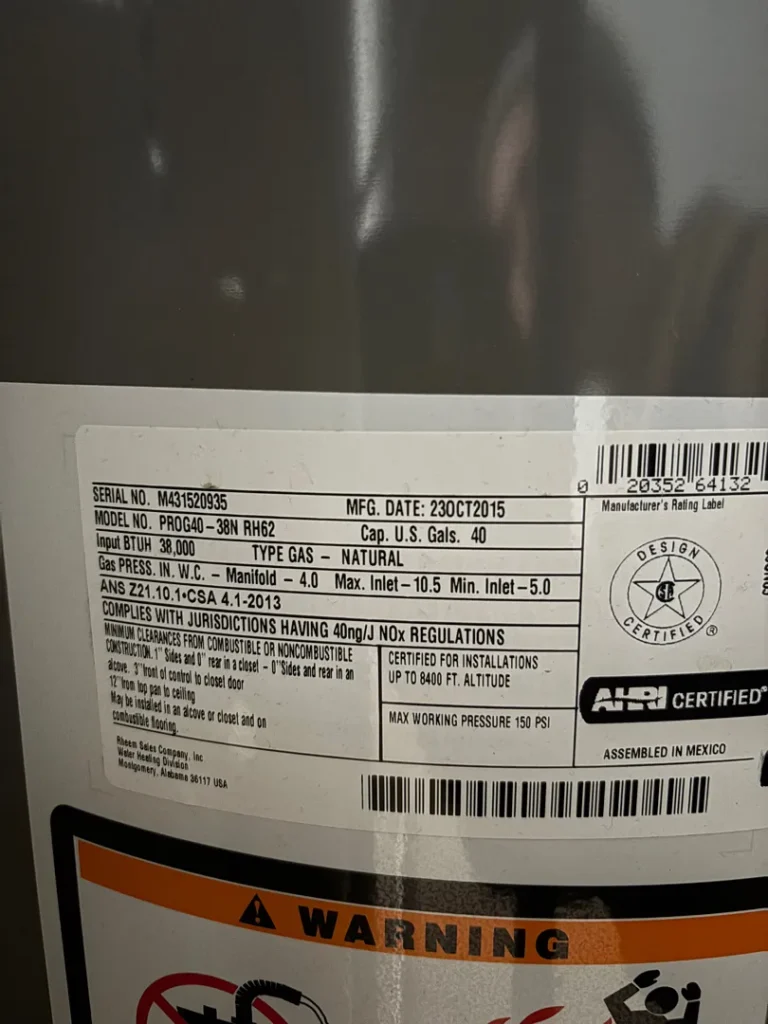
Found:12 years old water heater
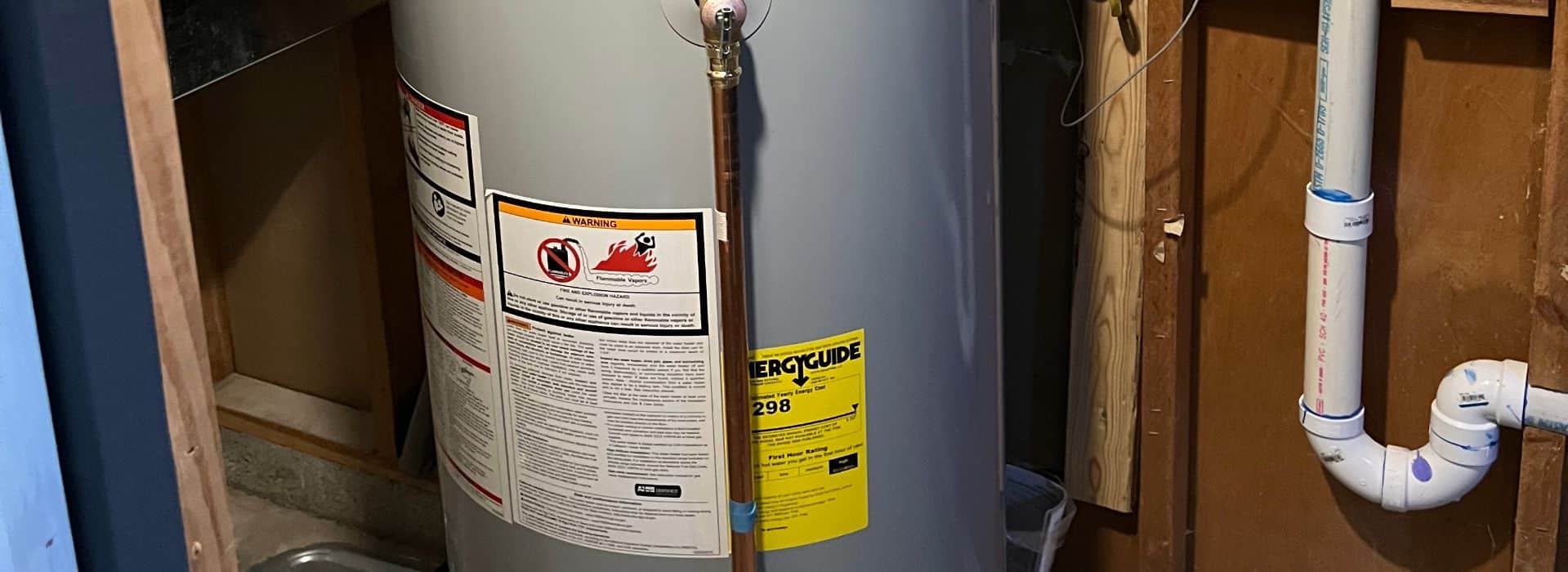
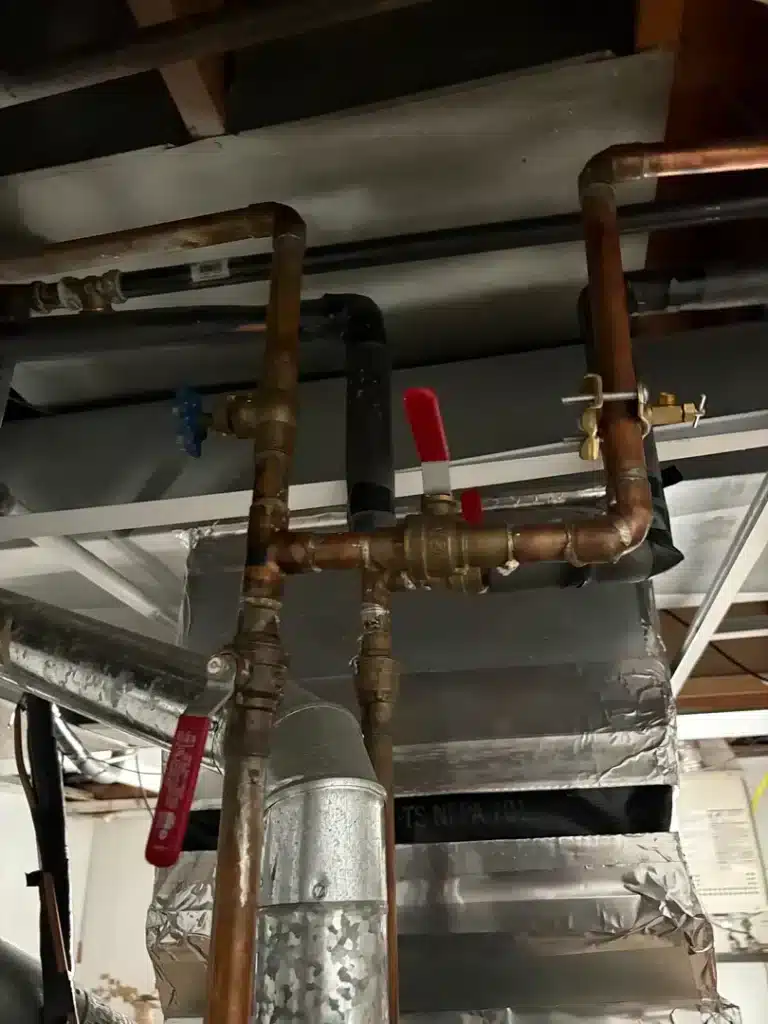
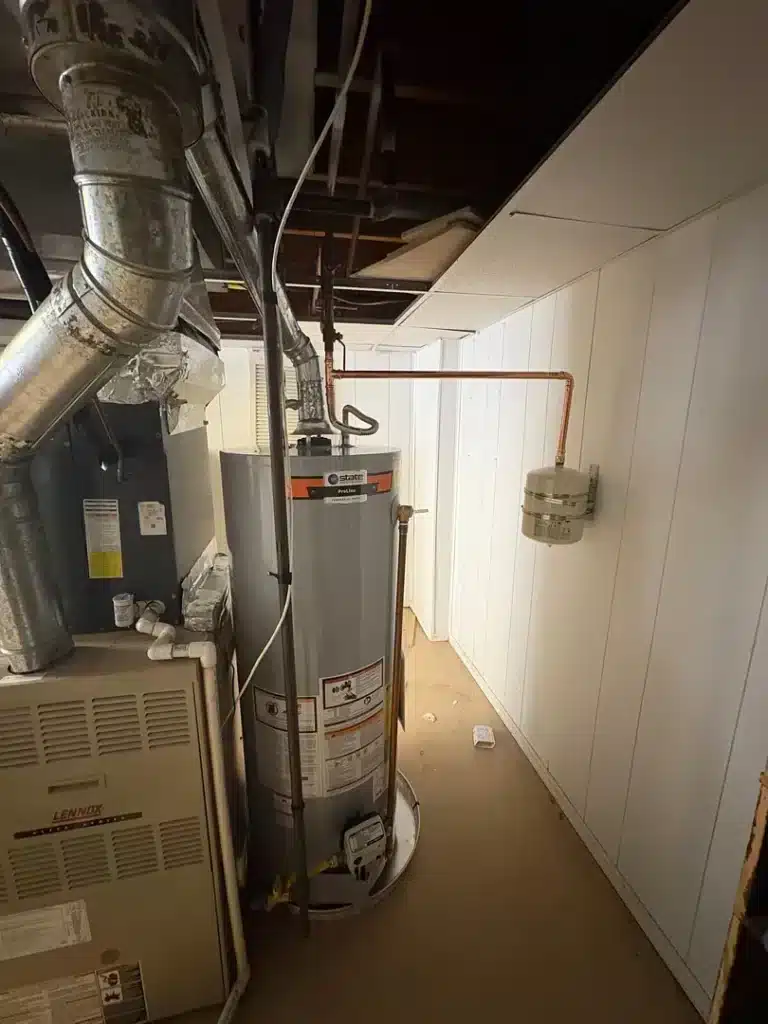
Fixed:Replaced heater and corrected all the code problems. ( Expansion tank, water heater pan, Gas line.) Installed heater and tested it out. Turn on the valve and fix the water closet.
Outcome:Tested heater and it is working perfectly. Remove and dispose of old heater.
Why Choose Cardom Plumbing & Heating
Wheat Ridge homeowners have options when water heater problems arise. Cardom Plumbing & Heating earns your trust through demonstrated expertise, responsive service, and genuine commitment to solving problems correctly the first time. Our technicians hold current certifications and receive ongoing training on evolving water heater technology – from traditional tank units to the latest hybrid heat pump models.
Local knowledge matters with water heater service. We understand Wheat Ridge's housing patterns, from the brick ranches near Prospect Park to the split-levels along Wadsworth. We know which neighborhoods have particularly hard water, which areas experience low gas pressure, and which older subdivisions commonly have undersized electrical service. This familiarity translates into faster diagnosis and more appropriate solutions.
What Sets Us Apart
Same-day response for water heater emergencies – No hot water affects your entire household, and we prioritize getting you back to normal
Upfront assessment before any work begins – You approve the approach and understand costs before we proceed
Licensed, insured, and bonded – Full protection for your home and peace of mind for you
Manufacturer-trained on major brands – Proper installation and repair according to factory specifications
Code-compliant installations – We pull permits when required and ensure all work meets current standards
Follow-up commitment – We stand behind our work and remain available for questions after service
We treat your home with respect – wearing boot covers, protecting floors, and cleaning up thoroughly. Our goal isn't just fixing today's problem; it's building a relationship where you confidently call us for any plumbing or heating need.
Housing Characteristics & Water Heater Considerations
Wheat Ridge's development history creates distinct water heater service patterns across different neighborhoods. The city experienced its major growth surge between 1950 and 1975, with approximately 60% of housing stock dating from this era. These mid-century homes share common characteristics that directly affect water heater selection and installation.
Housing Types and Their Water Heater Implications
1950s-1960s brick ranches – Typically feature 40-gallon gas water heaters in unfinished basements with atmospheric venting through existing chimneys; upgrades often require new venting solutions
1970s split-levels and bi-levels – Mechanical rooms frequently located in lower-level utility areas with limited space for larger capacity units
1980s-1990s construction – Generally have dedicated mechanical rooms with better access and more modern electrical service
Recent infill development – Newer homes often feature tankless or hybrid systems requiring different maintenance approaches
Basement conditions in older Wheat Ridge homes deserve particular attention. Unfinished basements with dirt floors or minimal insulation expose water heaters to temperature extremes and moisture. These conditions accelerate corrosion and reduce efficiency. Many homeowners benefit from simple improvements like insulation blankets and proper drainage around the water heater area.
Capacity Considerations by Home Type
Original water heater sizing often doesn't match modern household demands. A 40-gallon tank that served a family of four in 1965 may struggle with today's larger showerheads, dishwashers, and washing machines. We evaluate actual hot water usage patterns when recommending replacement units:
Single-bathroom homes typically need 40-50 gallon capacity
Two-bathroom homes with 2-3 occupants generally require 50-65 gallons
Larger homes or households with high simultaneous demand benefit from 65+ gallon tanks or tankless systems
Homes with jetted tubs or multiple shower heads may need specialized high-recovery units
Environmental Conditions & Water Heater Implications
Wheat Ridge's environmental conditions create specific challenges for water heater operation and longevity. Understanding these factors helps homeowners make informed decisions about equipment selection, maintenance schedules, and efficiency optimization.
Water Quality Characteristics
Denver Water supplies Wheat Ridge through an extensive distribution system drawing primarily from mountain watersheds. While this water meets all safety standards, it carries mineral content that affects water heaters:
Moderate hardness levels – Typically 50-150 mg/L calcium carbonate, enough to cause gradual scale accumulation inside tanks and on heating elements
Seasonal variation – Spring snowmelt brings higher sediment loads that can accelerate buildup
Chlorine treatment – Disinfection chemicals can accelerate anode rod depletion in some conditions
pH levels – Generally neutral to slightly alkaline, which affects corrosion rates differently than acidic water
Annual tank flushing becomes particularly valuable in Wheat Ridge given these water quality factors. Removing accumulated sediment before it hardens into scale maintains heating efficiency and extends tank life significantly.
Climate Impact on Water Heater Performance
Wheat Ridge experiences a semi-arid continental climate with significant seasonal temperature variation. These conditions affect water heaters in several ways:
Winter incoming water temperatures – Ground temperatures drop supply water to 40-45°F, requiring substantially more energy to reach set point
Summer efficiency gains – Warmer incoming water around 55-65°F reduces heating demand and operating costs
Freeze risk for exterior components – Pressure relief discharge pipes routed outside can freeze, creating safety hazards
Altitude effects on gas combustion – Reduced oxygen density at 5,400 feet requires properly adjusted burners for complete combustion
Low humidity – Dry conditions can accelerate dust accumulation on burners and vents, requiring more frequent cleaning
Soil and Installation Environment
Wheat Ridge sits on varied soil compositions ranging from clay-heavy areas near Clear Creek to sandier deposits in other neighborhoods. While soil conditions primarily affect underground plumbing, they influence water heater installations through basement moisture levels and foundation settlement that can stress connections.
Water Heater Energy Efficiency and Utility Data in Wheat Ridge
Energy costs represent a significant factor in water heater decisions for Wheat Ridge homeowners. Xcel Energy serves the area with both natural gas and electricity, and understanding local utility rates helps homeowners evaluate different water heater technologies and their long-term operating costs.
Natural gas prices in the Denver metro area have fluctuated considerably in recent years, though gas water heaters typically cost less to operate than standard electric resistance models. However, the equation changes when considering newer technologies:
Standard gas water heaters – Energy Factor ratings of 0.58-0.70 for atmospheric vent models; higher efficiency power-vent units reach 0.80+
Electric resistance heaters – Nearly 100% efficient at converting electricity to heat, but higher electricity costs offset this advantage
Heat pump water heaters – Achieve 200-300% efficiency by extracting heat from surrounding air; particularly effective in Wheat Ridge basements that stay 55-65°F year-round
Tankless gas units – Energy factors of 0.82-0.95 eliminate standby heat loss but require adequate gas line sizing
Local Rebate and Incentive Programs
Wheat Ridge homeowners can access several programs that offset high-efficiency water heater costs:
Xcel Energy rebates for qualifying heat pump water heaters and high-efficiency gas units
Federal tax credits for heat pump water heaters meeting efficiency thresholds
Colorado state incentives for energy efficiency improvements
Manufacturer rebates periodically available through authorized installers
Cardom Plumbing & Heating stays current on available incentives and helps customers navigate rebate applications. When evaluating water heater options, we calculate projected operating costs based on your household's usage patterns and current utility rates – giving you complete information to make the best decision for your situation.
The average Wheat Ridge household spends 15-20% of utility costs on water heating. Upgrading from a 15-year-old standard efficiency unit to a modern high-efficiency model often reduces water heating costs by 25-40%, with heat pump models achieving even greater savings in appropriate installations.
Common signs include inconsistent water temperatures, strange noises like popping or rumbling, and leaks around the unit. If your water heater is older than 10 years, it may also be time to consider a replacement.
It's recommended to have your water heater serviced at least once a year. Regular maintenance can help extend its lifespan and improve efficiency by addressing issues like sediment buildup.
In Wheat Ridge, you can find traditional tank-style water heaters, tankless on-demand systems, and hybrid heat pump models. Each type has its own benefits, so it's important to choose one that fits your household's needs.
You can improve efficiency by regularly flushing the tank to remove sediment, insulating the unit and pipes, and setting the thermostat to a lower temperature. These steps can help reduce energy costs and prolong the life of your water heater.
If your water heater is leaking, turn off the power and water supply immediately to prevent further damage. Then, contact a professional plumber to assess the situation and recommend repairs or replacement.
Yes, Wheat Ridge has specific building codes and regulations regarding water heater installations, particularly concerning venting and safety measures. It's best to consult with a local professional to ensure compliance.
The lifespan of a water heater typically ranges from 8 to 12 years, depending on the type and maintenance. Regular servicing can help maximize its longevity and performance.