
Recent Posts
Categories
Upgrading to Eco-Friendly Plumbing Fixtures in Denver Homes
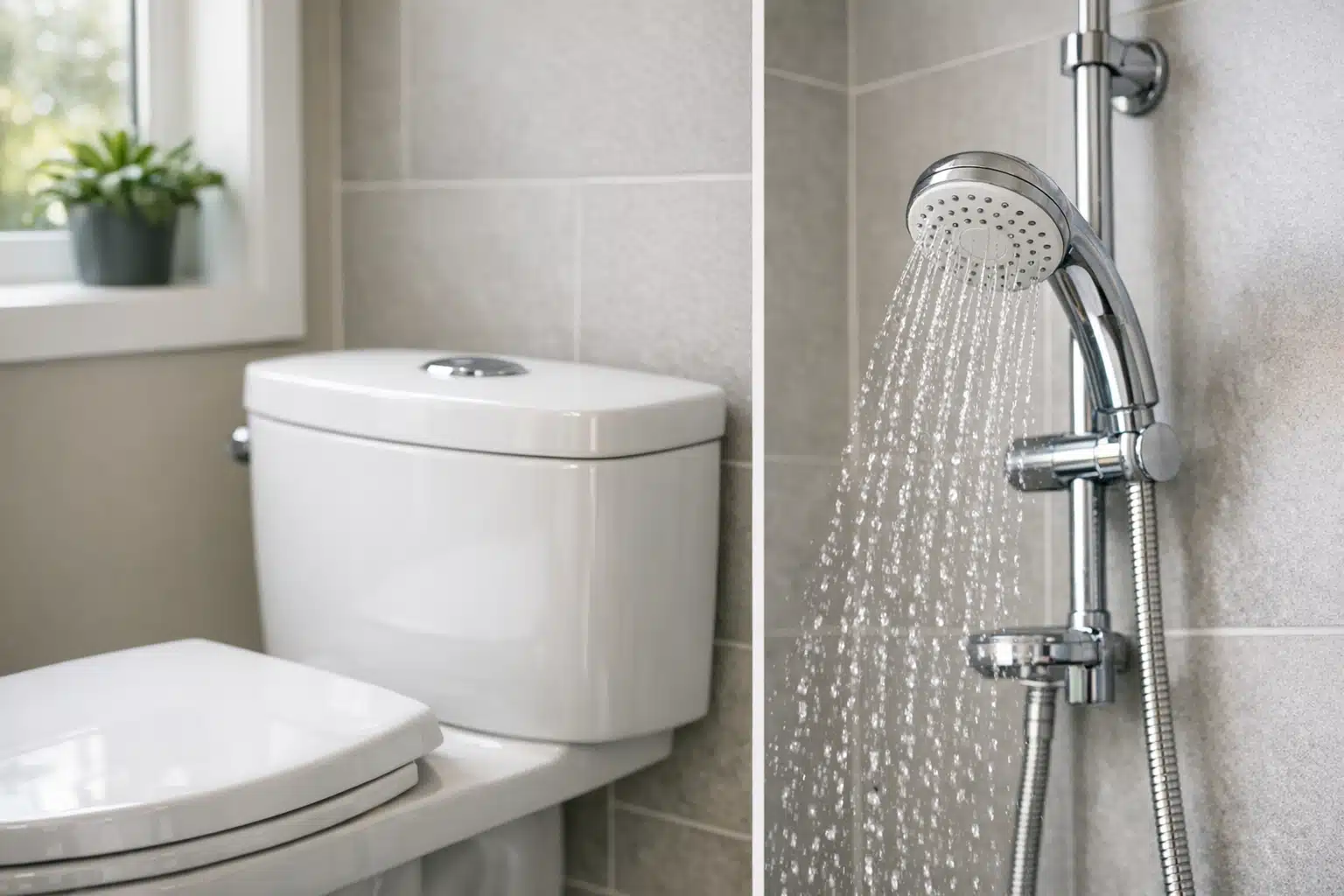
Cardom Plumbing & Heating explains how Denver homeowners can reduce water bills by upgrading to eco-friendly fixtures, detailing costs, rebates, and installation considerations for the Front Range area.
- WaterSense toilets use 1.28 gallons per flush compared to 3.5 in older models and can reduce indoor water use by 20 to 30 percent. Faucet aerators pay for themselves within months.
- Denver Water, Xcel Energy, and Resource Central offer rebates on qualifying fixtures. Federal tax credits cover part of heat pump water heater costs.
- Front Range hard water causes mineral buildup in aerators and tankless heaters. Yearly descaling and checking shutoff valves before installation helps protect your investment.
Eco-friendly plumbing fixtures are water-saving devices like low-flow showerheads, dual-flush toilets, and efficient faucet aerators that reduce water consumption without sacrificing performance. These fixtures help Denver homeowners lower monthly water bills, especially during dry summer months when usage typically spikes. By replacing outdated fixtures, households can cut water waste while maintaining everyday comfort and convenience.
Denver water bills climb every summer when lawns, showers, and dishwashers run nonstop during dry Front Range months. Swapping outdated fixtures for eco-friendly plumbing fixtures cuts that waste without changing how you live. Homeowners across Arvada and Denver keep asking us which upgrades save the most money.
This post covers the fixtures worth replacing, the rebates available in the Denver metro area, and what each upgrade costs. You will learn where hard water shortens fixture life and how to plan smart Denver upgrades.
What Counts as an Eco-Friendly Plumbing Fixture?
An eco-friendly plumbing fixture uses less water or energy than a standard model to do the same job. Most carry the EPA WaterSense label or an ENERGY STAR rating.
The Front Range sits in a semi-arid zone. Denver Water enforces watering rules and pushes conservation because the region depends on mountain snowpack. Low-flow fixtures fit that reality.
The Fixtures That Save the Most Water
- WaterSense toilets: Use 1.28 gallons per flush versus 3.5 in older models.
- Low-flow showerheads: Deliver 2.0 GPM or less without weak pressure.
- Aerated faucets: Cut flow to 1.5 GPM at the tap.
- Tankless water heaters: Heat water on demand, trimming gas or electric use.
- Smart irrigation controllers: Match watering to weather, a big win on Arvada lawns.
Why Denver Homes Benefit More Than Most
Denver Water serves roughly 1.5 million people from a limited mountain supply. Conservation is not a trend here. It shapes local code and rebate programs.
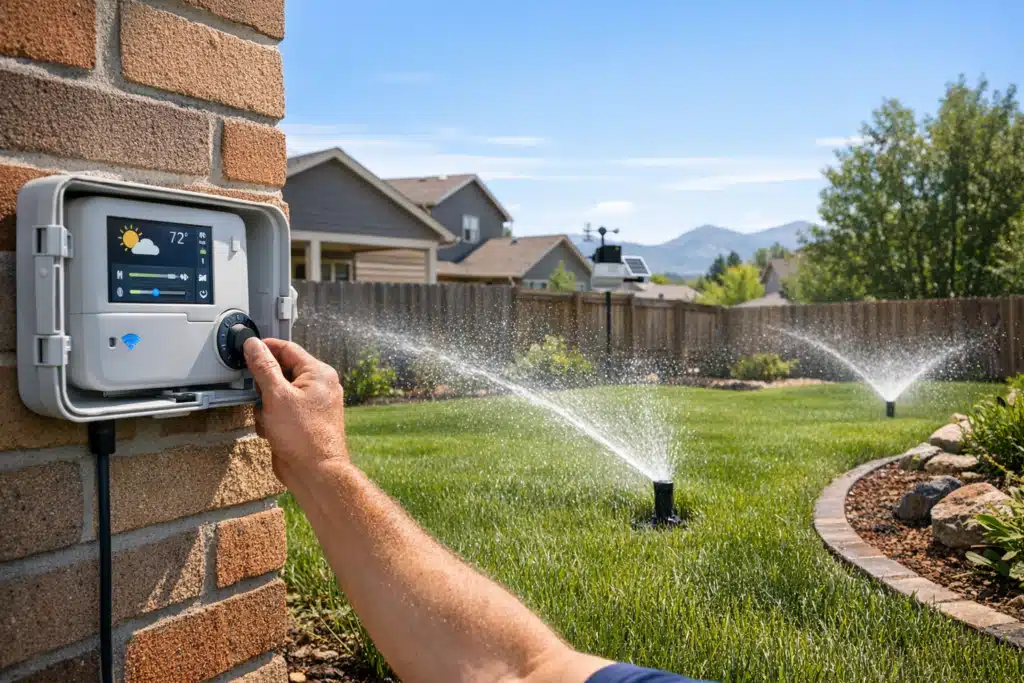
An older Wheat Ridge home with 3.5-gallon toilets can waste thousands of gallons yearly. Replacing three toilets alone can drop indoor water use by 20 to 30 percent.
When Denver’s Hard Water Affects Your Plumbing Fixtures
Front Range water carries moderate mineral content. Calcium and magnesium build up inside faucet aerators and showerhead nozzles.
We see clogged aerators cut flow long before a fixture fails. Hard water also scales the inside of tankless heaters. A yearly descaling flush keeps eco-friendly fixtures working as designed.
Rebates and Incentives for Denver Upgrades
Money back changes the math on any upgrade. Local programs cover part of the cost for qualifying fixtures.
- Denver Water rebates: Offers cash back on WaterSense toilets for eligible customers.
- Resource Central programs: Runs toilet and fixture exchange events across the metro.
- Xcel Energy rebates: Provides incentives on ENERGY STAR water heaters.
- Federal tax credits: Cover part of high-efficiency heat pump water heater costs.
Check eligibility before you buy. Some rebates require the fixture on a pre-approved list and proof of installation.
What Each Upgrade Costs in the Denver Metro
Prices vary by fixture model and home layout. Below are typical installed ranges we quote across Arvada, Broomfield, and Westminster.
- WaterSense toilet: $350 to $700 installed per unit.
- Low-flow showerhead: $80 to $200 including labor.
- Faucet aerator swap: $30 to $75 per fixture.
- Tankless water heater: $3,000 to $5,500 depending on gas line needs.
- Heat pump water heater: $2,500 to $4,500 before rebates.
A tankless unit costs more upfront than a tank model. It lasts around 20 years, roughly double a standard tank.
Payback Timelines Worth Knowing
A WaterSense toilet often pays for itself in three to five years. Faucet aerators return their cost within months.
Water heaters take longer because the savings come from lower gas or electric bills. A heat pump model paired with a rebate shortens that window.
Common Fixture Problems We Fix in Arvada Homes
Upgrades work best when the surrounding plumbing is sound. Here are issues we run into during fixture swaps across the metro.
- Corroded shutoff valves: Old valves seize and must be replaced during a toilet install.
- Undersized supply lines: Some 1970s Arvada homes have narrow lines that limit flow.
- Failed wax rings: A leaking toilet base signals a bad seal, not just a worn fixture.
- Sediment-clogged shutoffs: Hard water minerals jam angle stops over time.
- Improper venting: A slow drain after a new fixture points to a vent problem.
We check these during any fixture replacement. Catching them early prevents leaks behind walls and under floors.
Winter Timing for Fixture Upgrades
Cold months slow outdoor projects but suit indoor fixture work. A frozen outdoor line does not stop a bathroom remodel.
Planning water heater replacement before winter avoids cold showers during a January failure. We schedule many Denver upgrades in fall for that reason.

They left the work area clean and tidy, and the whole job was handled with real care and expertise. It's clear they take pride in their work. Highly recommend Cardom Plumbing & Heating — we'll definitely be calling them again!
 Posted on Google
How Cardom Approaches Eco-Friendly Fixture Installs
We match fixtures to your water pressure and home age. A 2.0 GPM showerhead feels weak on a low-pressure line, so we test first.
For tankless units, we size the heater to your peak demand. A family running two showers and a dishwasher needs more capacity than a couple in a condo.
We install a whole-home descaling setup where hard water threatens fixture life. That protects your investment in efficient hardware.
Quick Checklist Before You Upgrade
- Check your current toilet flush volume, stamped inside the tank.
- Confirm your fixture qualifies for a Denver Water or Xcel rebate.
- Inspect shutoff valves for corrosion or stiffness.
- Test water pressure at an outdoor spigot.
- Book installation before peak summer or winter demand.
Conclusion
Eco-friendly plumbing fixtures cut water and energy use while keeping strong performance in Denver homes. Rebates from Denver Water and Xcel make many upgrades affordable, and hard water care keeps them running for years. Smart timing and correct sizing separate a good install from a frustrating one.
Ready to lower your water bills with the right fixtures? Call or text Cardom Plumbing & Heating at 720‑775‑8322, email tomd@cardomcolorado.com, or visit https://www.cardomcolorado.com to schedule service in Arvada, Denver, or nearby Front Range areas.
Sources
- U.S. EPA – WaterSense Program
- Denver Water – Rebates and Conservation Tips
- ENERGY STAR – Water Heaters
- U.S. Department of Energy – Tankless Water Heaters


