Cardom Plumbing & Heating offers expert sink plumbing services in Denver, addressing unique local challenges such as hard water and altitude-related pressure variations. Their professional approach ensures accurate diagnosis and effective solutions tailored to the specific needs of Denver homeowners.
They identify root causes of plumbing issues rather than just treating symptoms. This includes addressing problems like mineral buildup and pressure fluctuations.
Their technicians are experienced with Denver's diverse housing stock, ensuring tailored solutions for each home.
Cardom Plumbing prioritizes responsive scheduling and transparent communication, making the repair process straightforward and efficient.
What are common sink plumbing issues in Denver?
Common sink plumbing issues in Denver include dripping faucets, slow-draining sinks, and stubborn clogs that resist plungers. These problems often indicate underlying issues within the plumbing system, influenced by Denver's unique environmental factors, which can complicate typical home maintenance and repairs.
Sink Plumbing Services in Denver, CO
A dripping kitchen faucet at 2 AM. A bathroom sink that drains slower each day. That stubborn clog that plungers can't seem to budge. These everyday frustrations signal something deeper happening within your home's plumbing infrastructure – and in Denver's unique environment, sink issues often point to factors you might not expect.
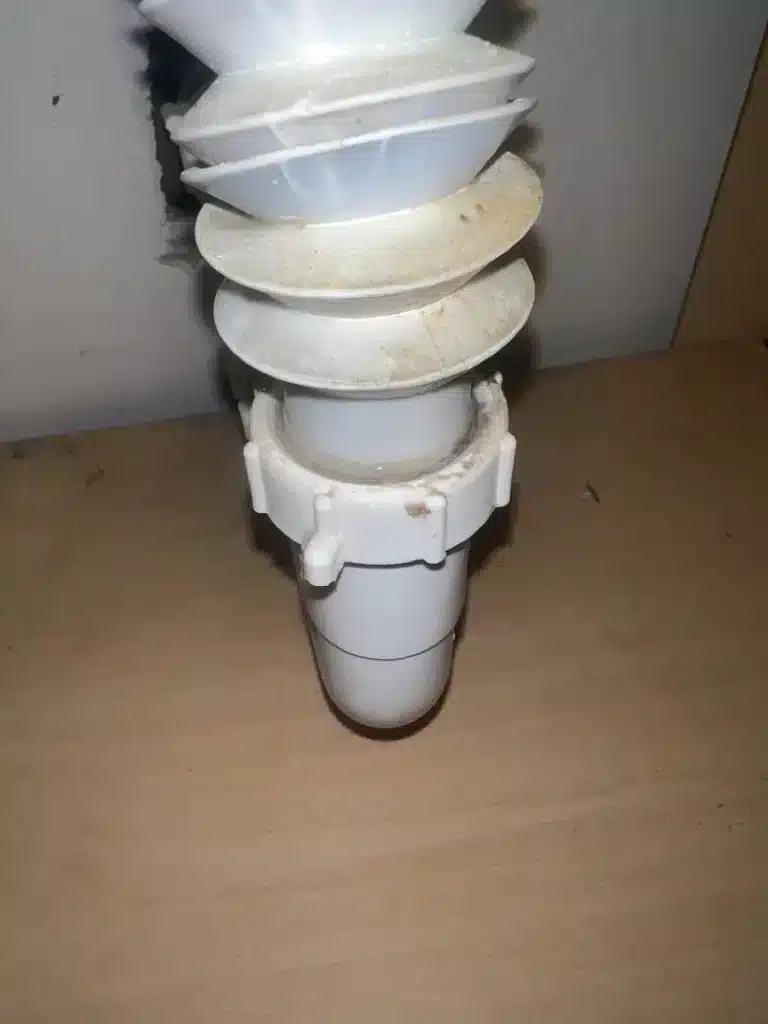
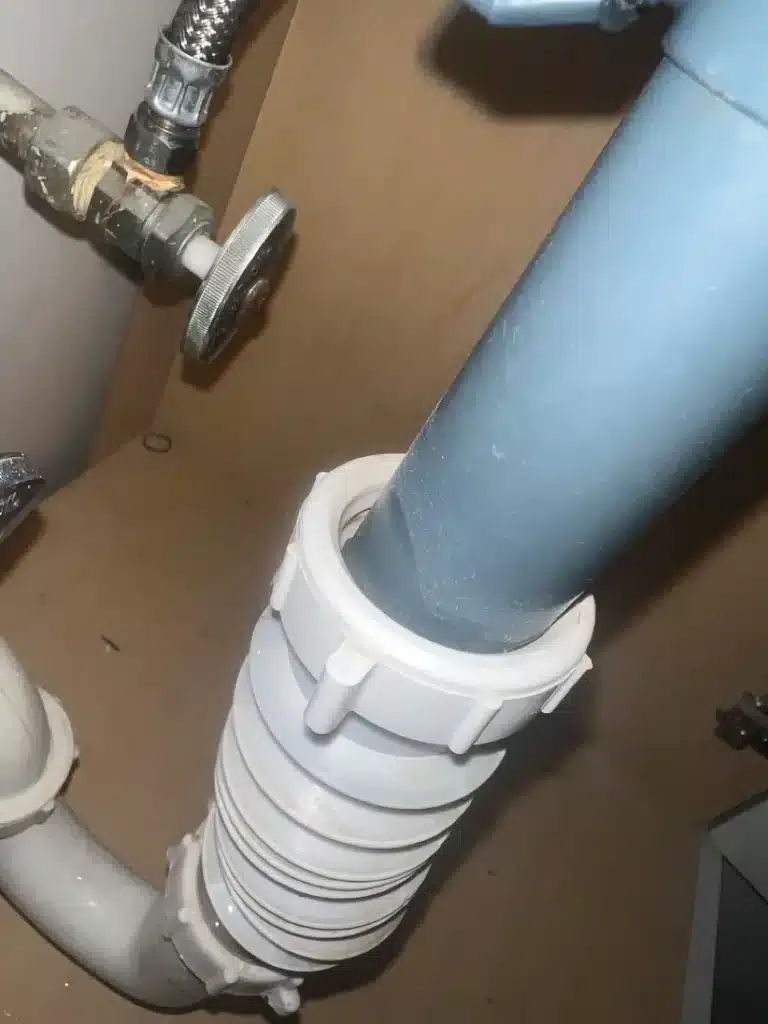
Sink plumbing encompasses every component that brings water to your basin and carries wastewater away. This includes supply lines, shut-off valves, faucet assemblies, drain pipes, P-traps, and connections to your home's main water and drainage systems. When any element fails, the ripple effects impact your daily routine and potentially your home's structural integrity.
Why Professional Diagnosis Matters
Denver's mile-high altitude, mineral-rich water supply, and dramatic temperature swings create plumbing conditions unlike anywhere else in the country. What appears to be a simple leak might actually stem from pressure fluctuations caused by elevation, while slow drains could indicate mineral buildup from our characteristically hard water. Professional assessment identifies root causes rather than just treating symptoms.
Accurate identification of underlying issues – not just surface symptoms
Prevention of water damage to cabinets, flooring, and subflooring
Proper sizing and installation that accounts for Denver's water pressure variables
Long-term solutions that address our region's specific plumbing challenges
Denver homeowners face a distinctive combination of plumbing challenges that stem from our geography, climate, and infrastructure history. The city's water originates primarily from mountain snowmelt, traveling through an extensive treatment and distribution system before reaching your tap. Along the way, it picks up minerals that gradually affect every fixture in your home.
Our region's housing stock spans over a century of construction methods and materials. Homes in Capitol Hill or Park Hill might still contain original galvanized steel pipes from the early 1900s, while newer developments in Green Valley Ranch feature modern PEX systems. This diversity means sink plumbing problems manifest differently across neighborhoods – and solutions must be tailored accordingly.
Seasonal Considerations
Denver's 300 days of sunshine come with a catch: extreme temperature variability. Winter nights regularly plunge below zero, while summer afternoons exceed 90 degrees. This thermal cycling stresses pipe joints, fittings, and seals throughout your sink's plumbing system. Spring thaw periods often reveal damage that accumulated during freeze events.
Local Factors Affecting Your Sink Plumbing
Hard water mineral content – Denver Water reports moderate to high mineral levels that cause calcium and lime deposits inside pipes and aerators
Altitude-related pressure variations – Lower atmospheric pressure at 5,280 feet affects water flow dynamics and can stress older fixtures
Aging infrastructure in established neighborhoods – Many central Denver homes have cast iron or galvanized drain lines approaching or exceeding their service life
Freeze-thaw cycling – Pipes in exterior walls or unheated spaces face repeated expansion and contraction stress
Soil movement and settling – Denver's clay-heavy soils expand and contract seasonally, potentially shifting drain line connections
Construction debris in newer developments – Rapid growth areas sometimes see drywall mud, sawdust, or other materials entering drain systems during building
Addressing sink plumbing problems requires methodical investigation and precise execution. Our approach combines traditional plumbing expertise with modern diagnostic capabilities to deliver lasting repairs.
Our Sink Plumbing Process
Initial assessment and consultation – We listen to your concerns, ask targeted questions about when problems occur, and gather history about the fixture and your home's plumbing system
Visual and hands-on inspection – Our technicians examine visible components including supply lines, drain assemblies, faucet connections, and cabinet condition for moisture damage
Diagnostic testing – Depending on symptoms, we may perform pressure tests, drain flow assessments, or camera inspections to identify hidden issues
Problem identification and explanation – We share our findings in plain language, explaining what's happening and why
Solution presentation – You receive options ranging from targeted repairs to component replacement, with clear explanations of each approach
Professional repair or installation – Our technicians complete the work using quality materials suited to Denver's water conditions
Testing and verification – Every repair undergoes thorough testing before we consider the job complete
Cleanup and walkthrough – We leave your space clean and walk you through what was done
Methods and Techniques We Employ
Drain cleaning and clearing – Mechanical snaking, hydro-jetting for stubborn blockages, and enzymatic treatments for organic buildup
Leak detection – Pressure testing, moisture meters, and visual inspection to pinpoint water escape points
Faucet repair and replacement – Cartridge replacement, valve seat resurfacing, and complete fixture installation
Supply line upgrades – Replacement of aging rubber or plastic lines with braided stainless steel for improved durability
P-trap and drain assembly work – Clearing blockages, replacing corroded components, and ensuring proper venting
Garbage disposal integration – Installation, repair, and proper connection to sink drainage systems
Quality Control and Communication
Every repair receives a final inspection before completion. We test water flow, check for leaks under pressure, and verify proper drainage. You'll know exactly what was done – and what to watch for going forward.
Why Choose Cardom Plumbing & Heating
Selecting a plumbing service involves trusting someone with your home's essential systems. Cardom Plumbing & Heating brings the qualifications, local knowledge, and service commitment that Denver homeowners deserve. Our technicians hold current Colorado plumbing licenses and maintain ongoing training in evolving techniques and code requirements.
Local Knowledge That Matters
We've worked in Denver neighborhoods from Sloan's Lake to Stapleton, from historic Highlands bungalows to modern Lowry townhomes. This experience translates into faster problem identification and more effective solutions. We understand which pipe materials were common in different eras, how Denver Water's supply characteristics affect fixtures, and what seasonal patterns create plumbing emergencies.
Our Service Commitment
Responsive scheduling – We recognize that sink problems disrupt your daily life and prioritize timely appointments
Transparent communication – No surprises, no jargon, no pressure tactics
Respect for your home – Drop cloths, booties, and thorough cleanup are standard practice
Follow-up accountability – If something isn't right after our visit, we make it right
Modern diagnostic equipment – Camera inspection, electronic leak detection, and pressure testing capabilities
Cardom Plumbing & Heating operates as a full-service plumbing and heating company – meaning we understand how your sink's plumbing connects to your home's broader systems. This comprehensive perspective helps us identify issues that single-service providers might miss.
Denver's housing landscape tells a story through its pipes. Each era of construction brought different materials, methods, and standards that directly impact today's sink plumbing needs.
Historic Homes (Pre-1950)
Neighborhoods like Capitol Hill, Cheesman Park, and parts of North Denver contain Denver's oldest housing stock. These homes often feature original cast iron drain lines and galvanized steel supply pipes. Sink plumbing in these properties frequently involves:
Corroded galvanized pipes restricting water flow to fixtures
Cast iron drain lines with internal scale buildup or joint deterioration
Non-standard sizing requiring adapter fittings for modern fixtures
Lead solder joints at connections – a health consideration during repairs
Mid-Century Homes (1950-1980)
Denver's post-war expansion created neighborhoods like Harvey Park, University Hills, and Virginia Village. Copper supply lines became standard during this period, though drain materials varied. Common sink plumbing considerations include:
Copper pipes with pinhole leak potential from water chemistry interaction
Early plastic drain components approaching end of service life
Original faucets and valves often requiring complete replacement rather than repair
Modern Construction (1990-Present)
Newer developments in areas like Stapleton, Green Valley Ranch, and Central Park feature contemporary plumbing materials. PEX supply lines and PVC drainage are typical. While these systems are generally reliable, rapid construction timelines sometimes result in:
Improperly secured connections that loosen over time
Construction debris partially blocking drain lines
Builder-grade fixtures requiring earlier replacement than quality alternatives
Denver's environment creates specific challenges for residential plumbing systems. Understanding these factors helps homeowners recognize why certain problems occur – and why professional solutions outperform DIY attempts.
Water Quality Characteristics
Denver Water draws from multiple mountain watersheds including the South Platte River, Blue River, and various reservoirs. This snowmelt-sourced water undergoes treatment but retains mineral content that affects plumbing fixtures. Key water quality factors include:
Moderate hardness – Calcium and magnesium levels cause scale buildup in aerators, valves, and supply lines
Chloramine disinfection – While safe for consumption, chloramine can accelerate degradation of certain rubber components in older fixtures
Seasonal variation – Runoff periods bring different mineral concentrations than winter months
Soil and Drainage Considerations
Denver sits on a mix of clay-heavy soils and sandy deposits. This composition creates ground movement that affects underground plumbing connections. Homes with sinks on exterior walls or slab foundations may experience:
Shifting drain line connections as soil expands and contracts
Stress on pipes where they penetrate foundation walls
Root intrusion in older clay or cast iron drain lines
Climate Impacts on Sink Plumbing
Denver's semi-arid climate with extreme temperature swings creates unique stress patterns. The combination of low humidity, intense UV exposure, and freeze-thaw cycling affects exposed and concealed plumbing components differently.
Winter freeze risk – Sinks in exterior walls, garages, or poorly insulated spaces face pipe freezing when temperatures drop suddenly
Thermal expansion stress – Daily temperature swings of 30-40 degrees cause repeated expansion and contraction at joints
Low humidity effects – Rubber gaskets and seals dry out faster in Denver's arid climate, leading to earlier failure
UV degradation – Visible supply lines near windows may experience accelerated material breakdown
Recent Work
Leak under Lavatory - Denver
Problem:Drain leak in the bathroom
Found:Leak under bathroom vanity
Fixed:Replaced washer and tested.
Outcome:Leak fixed.
Lavatory Drain Plugged - Denver
Problem:Stopped up lavatory drain.
Found:Lavatory were loose and leaking.
Fixed:Removed the P-trap and ran the cable down over 25 ft and opened up the line. Did not pull anything out of the line but the drain is flowing freely. Put trap together and tested for leaks.
Outcome:Working fine at this time with no leaks.
Large Leak Under Kitchen Sink - Denver
Problem:Leak under kitchen sink.
Found:Found a pin hole in discharge line.
Fixed:Picked up a dishwasher drain hose and installed.
Outcome:Tested and no leaks.
Trim Out Kitchen Sink. - Denver
Problem:Kitchen sink strainers.
Found:Old ISE top.
Fixed:Removed disposal and then took out the old ISE top. Replace with Blanco, satin nickel top. Reinstalled disposal. Remove the basket strainer in the kitchen sink and replaced with Blanco satin Nickel strainer. Reassemble waste piping.
Outcome:Filled up both sink and tested for leaks.
Denver Water Infrastructure & Service Delivery
Denver's water infrastructure represents over 150 years of continuous development and expansion. Understanding this system helps explain why sink plumbing issues arise and how professional service addresses them effectively.
Municipal Water System Overview
Denver Water serves approximately 1.5 million people across a 335-square-mile service area. The system includes over 3,000 miles of distribution pipes ranging from century-old mains to recently installed lines. This infrastructure diversity directly impacts residential sink plumbing:
Pressure variations by neighborhood – Homes at different elevations and distances from pumping stations experience different baseline pressures
Main line condition effects – Older distribution mains can introduce sediment or experience pressure fluctuations that affect fixture performance
Service line materials – The connection between city mains and your home may be copper, galvanized steel, or in some older areas, lead – affecting water quality at the tap
Infrastructure Age and Sink Performance
Denver Water has undertaken significant infrastructure replacement programs, yet portions of the distribution system date to the early 1900s. Areas with older mains may experience:
Periodic discolored water during main flushing or repairs
Pressure drops during peak usage periods
Mineral deposits from internal pipe corrosion entering home plumbing
These municipal factors combine with individual home plumbing conditions to create the specific challenges each Denver sink faces. Cardom Plumbing & Heating's familiarity with both city infrastructure and residential systems allows us to diagnose problems accurately and implement solutions that account for all contributing factors. When we service your sink plumbing, we consider not just the fixture itself but its connection to Denver's broader water system.
Common signs include slow drainage, frequent clogs, and leaks around the faucet or under the sink. A dripping faucet, especially at odd hours, can also indicate a plumbing problem that needs attention.
Denver's water is known for its mineral content, which can lead to mineral buildup in pipes and fixtures. This buildup can cause slow drains and reduced water pressure, making regular maintenance important.
Hiring a professional ensures that the root cause of the problem is accurately diagnosed and addressed. Professionals are trained to handle the unique plumbing challenges posed by Denver's altitude and water quality.
You can find reliable sink plumbing services by searching online directories, reading customer reviews, or asking for recommendations from friends and family in the Denver area.
If your sink is draining slowly, try using a plunger or a drain cleaner. If these methods don't work, it may be time to call a professional to investigate potential blockages or plumbing issues.
Regular maintenance, such as cleaning drains and checking for leaks, can help prevent sink plumbing issues. Additionally, being mindful of what goes down the drain can reduce the risk of clogs.
The cost for sink plumbing services in Denver can vary widely based on the complexity of the issue and the specific service required. On average, you might expect to pay between $100 to $300 for common repairs.