
Recent Posts
Categories
Understanding High Water Bills in Denver: Causes and Solutions
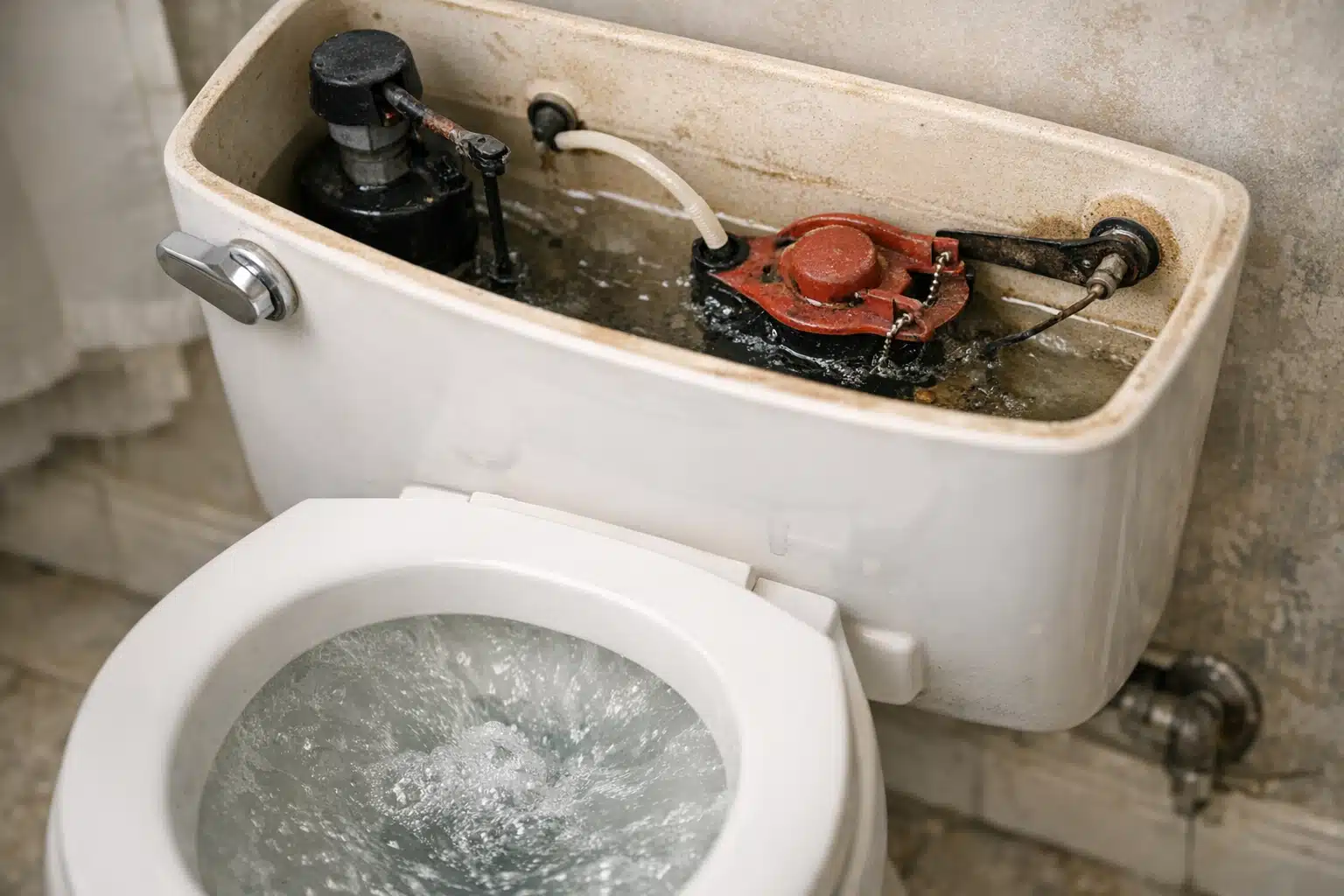
High water bills in Denver typically result from hidden leaks, running toilets, or seasonal irrigation issues. Cardom Plumbing & Heating explains how local conditions like hard water and winter freezes contribute to these problems and offers solutions.
- A running toilet can waste 200 gallons daily, and Denver's two-month billing cycle means small leaks go undetected for weeks. Hard water buildup wears out toilet flappers and valves, causing silent leaks.
- Winter freeze damage often cracks pipes and outdoor spigots when homeowners forget to disconnect hoses. Underground sprinkler leaks can waste hundreds of gallons without visible signs.
- Homeowners can test for leaks by turning off all fixtures and watching the meter for 20 minutes. Installing a water softener and disconnecting hoses before freezes helps prevent costly damage.
A sudden spike in your Denver water bill often points to hidden leaks, running toilets, or faulty irrigation systems. Seasonal rate increases, meter reading errors, and unnoticed outdoor water use can also drive costs up. Check for dripping faucets, inspect your toilet flappers, and review your meter for unusual activity to identify the source of excess usage.
You open your Denver Water bill and the number jumps 40% over last month. Nothing changed in your house. No new appliances, no extra guests, no pool. Yet the charge keeps climbing.
This is one of the most common calls we get at Cardom Plumbing & Heating. High water bills almost always point to a problem you can trace and fix. Below you will learn why they happen along the Front Range, how to find the cause, and what repairs cost.
Homeowners in Arvada, Wheat Ridge, and Broomfield face local conditions that push bills higher than the national average. We see the patterns every week.
Why Are My Water Bills So High? The Short Answer
A sudden spike almost always means one of three things:
- A hidden leak somewhere in your plumbing or irrigation line.
- A running or leaking toilet that wastes water day and night.
- Seasonal outdoor use, like sprinklers running longer than you think.
A leak is any point where water escapes before it reaches a fixture. Even a slow drip adds up fast. One running toilet can waste 200 gallons per day.
Denver Water bills every two months for most residential customers. That billing cycle means a small leak can run undetected for weeks before you notice the cost.
Local Factors That Drive Up Denver Water Bills
Our region creates plumbing stress you do not find everywhere. These are the issues we trace most often in local homes.
When Denver’s Hard Water Wears Down Your Fixtures
Front Range water carries high mineral content. Calcium and magnesium build up inside pipes, valves, and water heaters.
That scale wears out fill valves and flappers inside toilets. A worn flapper lets water slip past into the bowl silently. We find this in older Arvada and Wheat Ridge homes constantly.
Hard water also shortens the life of water heaters. A failing tank can develop a slow leak at the base that drains onto your utility bill.
Winter Freeze Damage on the Front Range
Denver winters swing between warm afternoons and hard overnight freezes. That cycle cracks pipes and outdoor spigots.
A common culprit is the hose bib. Homeowners forget to disconnect hoses before the first freeze. Water trapped in the line expands and splits the pipe behind the wall.
The crack may not show until spring. When you turn the outdoor water back on, it pours inside the wall instead of out the spigot.
Seasonal Irrigation and Sprinkler Leaks
Lawn watering drives up summer bills across Westminster and Broomfield. Denver Water enforces watering rules during drought periods.
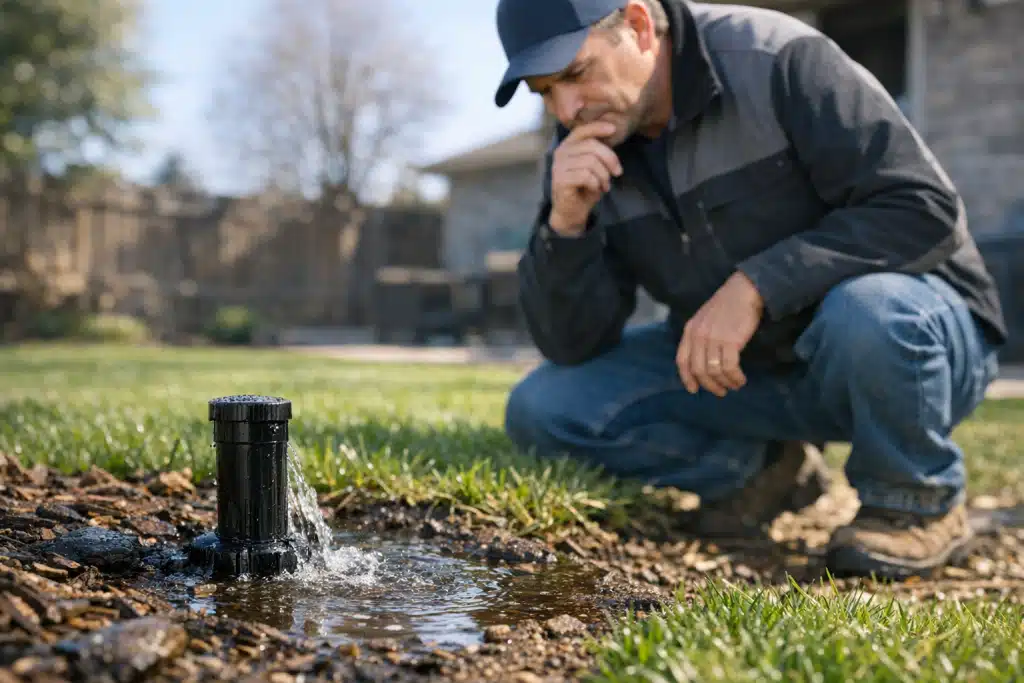
A cracked sprinkler head or underground line leak can waste hundreds of gallons each cycle. You may never see the water because it drains straight into the soil.
How to Find the Source of High Water Bills
You can run a few checks before calling a plumber. Follow these steps in order.
- Read your water meter. Locate it near the street or in a basement pit.
- Turn off every water fixture inside and outside the house.
- Watch the meter for 20 minutes. If the dial moves, water is escaping somewhere.
- Check the leak indicator. Many meters have a small triangle or dial that spins during flow.
- Test your toilets. Add a few drops of food coloring to the tank. If color appears in the bowl without flushing, the flapper leaks.
If the meter keeps moving with everything off, you have a hidden leak. That is the point to call a plumber with leak detection equipment.
Signs of a Hidden Slab Leak
A slab leak is a pipe failure under your concrete foundation. These are serious and common in homes built on slab foundations.
Watch for these warning signs:
- Warm spots on the floor from a hot water line leak
- The sound of running water when no fixture is on
- Cracks in flooring or drywall near the foundation
- A spike in your bill with no change in habits
Slab leaks waste water around the clock. We use acoustic and thermal tools to pinpoint them without tearing up your whole floor.
What Repairs Cost in the Denver Metro Area
Costs vary by the scope of the problem. These ranges reflect what local homeowners pay for common fixes.
- Toilet flapper or fill valve: $100 to $250 per toilet
- Hose bib or spigot replacement: $150 to $400
- Leak detection service: $150 to $400
- Slab leak repair: $1,500 to $4,000 depending on access
- Water heater replacement: $1,500 to $3,500
A $150 toilet repair often pays for itself in one billing cycle. Catching a leak early saves you far more than the repair costs.
5 Common Water-Waste Problems in Arvada Homes
Here are the issues we trace most in local properties each year:
- Running toilets from mineral-worn flappers and valves
- Dripping outdoor spigots after winter freeze damage
- Underground irrigation leaks that soak the yard silently
- Corroded water heater tanks from years of hard water
- Pinhole leaks in copper pipe caused by mineral buildup
Each one wastes water you pay for without seeing a single drop in the house.

 Posted on Google
Preventing High Water Bills: Local Denver Solutions
You can stop most problems before they start. These habits work for our climate and water conditions.
- Disconnect garden hoses before the first hard freeze each fall
- Install a water softener to slow mineral damage to fixtures
- Replace toilet parts every few years in older homes
- Inspect sprinkler heads at the start of each watering season
- Check your meter monthly to catch leaks between billing cycles
A water softener is one of the strongest long-term Denver solutions for hard water wear. It protects your water heater, pipes, and fixtures at once.
For fast local help, our team knows the specific plumbing patterns in Arvada, Wheat Ridge, and Broomfield homes. We respond quickly when a leak is draining your wallet.
When to Call a Plumber
Some problems need a trained eye and detection tools. Call a plumber when:
- Your meter moves with all water off
- You hear water running inside walls or floors
- Warm spots appear on your concrete floors
- Your bill jumps with no change in use
Waiting lets hidden leaks damage your foundation and framing. Early repair keeps a small bill from becoming a large one.
Final Takeaways
High water bills in Denver almost always trace back to a fixable cause. Hard water, winter freezes, and hidden leaks are the main culprits across the Front Range. A quick meter test and toilet check can point you straight to the problem.
If your bill keeps climbing and you cannot find the reason, let the local experts help. Call or text Cardom Plumbing & Heating at 720‑775‑8322, email tomd@cardomcolorado.com, or visit https://www.cardomcolorado.com for fast service in Arvada and nearby communities.
Sources
- U.S. Environmental Protection Agency – Fix a Leak Week
- Denver Water – Billing and Rates
- U.S. Geological Survey – Hardness of Water


