
Recent Posts
Categories
Plumbing Myths Debunked: What Arvada Residents Need to Know
Common plumbing myths cost Arvada homeowners real money, especially given Colorado's hard water, altitude, and freeze-thaw cycles. This post from Cardom Plumbing & Heating corrects misconceptions about drains, water heaters, and winter pipe care.
- Pouring grease down drains with hot water causes buildup and clogs - instead, cool grease and throw it away. A single dripping faucet wastes over 3,000 gallons yearly.
- Water heaters in hard-water areas need annual flushing to prevent sediment buildup. Chemical drain cleaners damage older pipes and should be avoided.
- Before winter, disconnect hoses, shut off outdoor spigot valves, and keep thermostats at 55°F or higher when traveling to prevent frozen pipes.
Common plumbing myths include using a hair dryer to thaw frozen pipes, which can cause them to burst and flood your basement. Other harmful misconceptions involve putting grease down drains, using chemical cleaners as a fix-all solution, and believing small leaks can wait. Following bad plumbing advice often turns minor issues into costly repairs costing homeowners thousands of dollars.
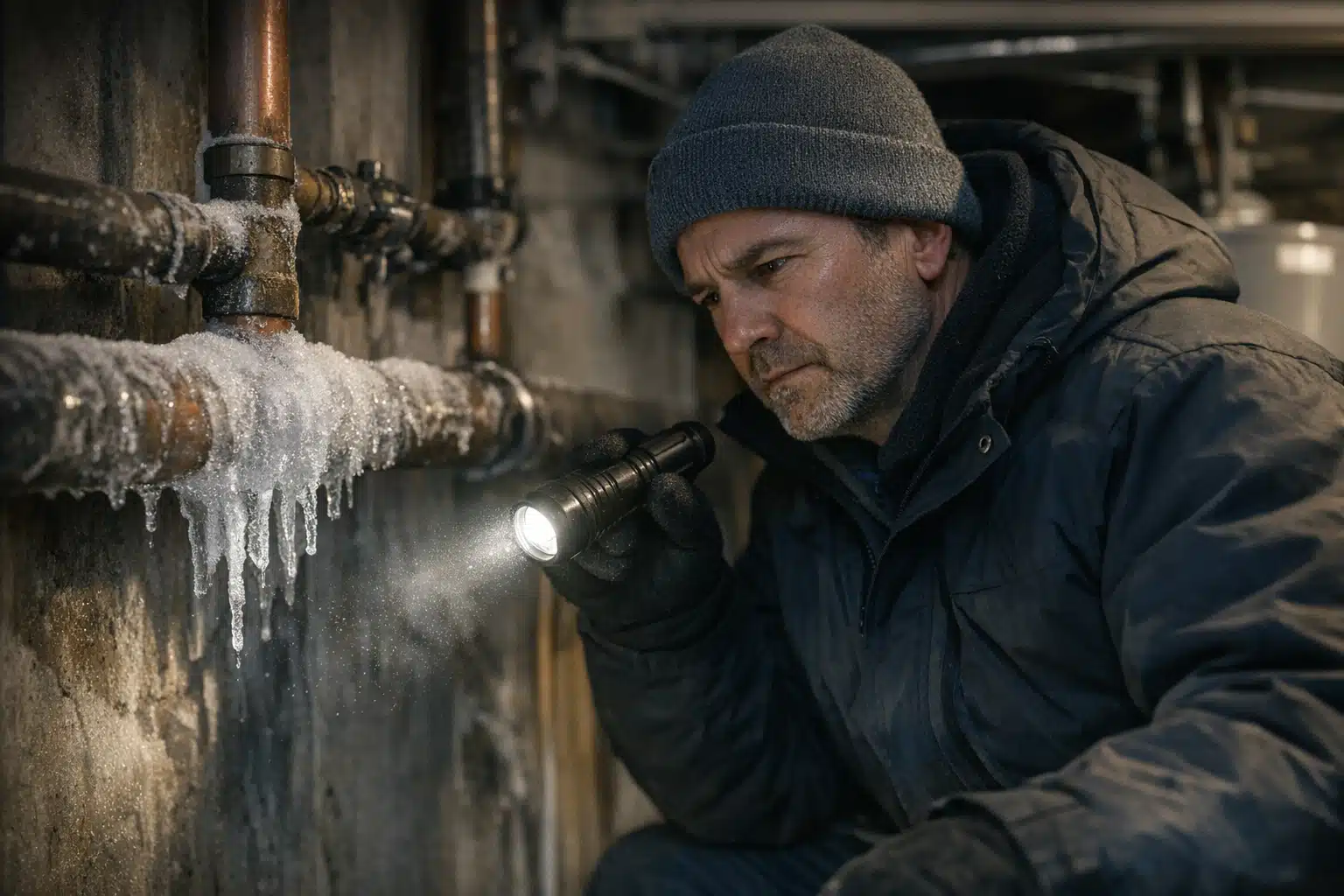
A frozen pipe bursts in a Ralston Valley basement at 2 a.m., and the homeowner reaches for a hair dryer because a neighbor swore it works fast. Bad advice like this costs Arvada homes thousands each winter. Believing common plumbing myths often turns a small repair into a flooded basement.
This post clears up the most stubborn misconceptions we hear from local customers. You will learn what actually protects your pipes, your water heater, and your wallet along the Front Range.
Plumbing Myths That Cost Arvada Homeowners Real Money
Some plumbing beliefs get passed down like family recipes. The trouble is that Colorado’s climate, hard water, and altitude change how your system behaves. What worked in a warmer state can backfire here.
Below are the myths we correct most on service calls across Arvada, Wheat Ridge, and Westminster.
Myth 1: Running Hot Water Melts Grease Down the Drain
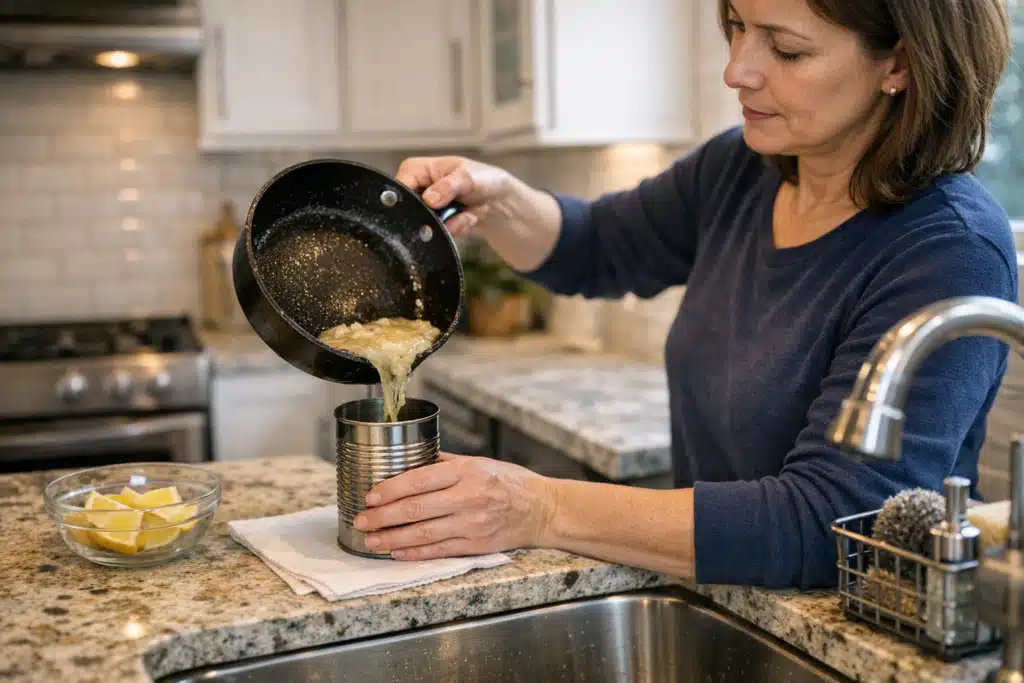
Hot water keeps grease liquid only until it hits your cooler pipes. Then it hardens and clings to the pipe walls. Over months, that buildup narrows the line and causes backups.
The truth: pour cooled grease into a can and throw it in the trash. Kitchen grease is a top cause of clogged lines in older Arvada homes with cast iron drains.
Myth 2: A Leaky Faucet Wastes Only a Few Drops
One faucet dripping once per second wastes over 3,000 gallons a year. That shows up on your Arvada water bill fast. Small drips also signal worn valve seats that get worse with time.
Fix drips early. A worn cartridge costs a fraction of a damaged fixture or a warped cabinet base.
Myth 3: If Water Flows, the Pipe Isn’t Frozen
Partial flow can hide a growing ice blockage inside the pipe. Pressure builds behind the ice, not at the faucet. That pressure is what splits the pipe.
During a hard freeze in Arvada, open cabinet doors and let a pencil-thin stream run. Moving water resists freezing far better than a closed line.
Water Heater Myths Front Range Residents Still Believe
Water heaters take a beating from Colorado’s mineral-heavy water. Bad maintenance habits cut their lifespan by years. Here is what holds up and what does not.
Myth 4: Water Heaters Never Need Flushing
Sediment from hard water settles at the tank bottom. It insulates the burner and forces the unit to work harder. You hear it as popping or rumbling sounds.
A tank flush matters more here than in soft-water regions. We suggest flushing once a year for most Arvada homes on municipal water.
Myth 5: A Bigger Water Heater Always Means More Hot Water
Sizing depends on your household demand and recovery rate, not tank gallons alone. An oversized tank wastes energy heating water you never use. An undersized one runs cold during back-to-back showers.
Match the unit to your actual usage. A family of five in Broomfield needs different sizing than a two-person condo in Wheat Ridge.
Debunking Drain and Toilet Plumbing Myths
Drains and toilets attract more folklore than any other fixture. A few of the worst offenders below.
- “Flushable” wipes are safe: They do not break down like toilet paper. They snag in pipes and clog city sewer lines.
- Lemon peels clean your disposal: They freshen the smell but do not remove grease or debris. Cold water and ice cubes work better.
- A plunger fixes every clog: Plungers clear soft blockages. Deep clogs from roots or grease need a professional auger.
- Bricks in the tank save water: Bricks crumble and damage the flush valve. A modern low-flow toilet saves more without the risk.
Myth 6: Chemical Drain Cleaners Are a Safe Quick Fix
Store-bought drain chemicals eat through clogs and your pipes too. They corrode older metal drains found in many mid-century Arvada homes. The heat they create can crack PVC joints.
Repeated use turns a $150 clog into a pipe replacement. Mechanical clearing is safer for your plumbing long term.
Winter Plumbing Myths Arvada Residents Should Ignore
Our winters swing hard between sun and deep freeze. That daily thaw-freeze cycle stresses outdoor plumbing. These cold-weather myths deserve a closer look.
Myth 7: Leaving the Heat Off While Away Saves Money
A cold empty house lets interior pipes drop below freezing. One burst line floods a home for days before anyone notices. The repair dwarfs any heating savings.
Keep your thermostat at 55°F or higher when you travel in winter. Ask a neighbor to check the house during long trips.
Myth 8: Outdoor Faucets Take Care of Themselves
Hose bibs freeze first because they sit on exterior walls. A hose left attached traps water that expands and cracks the valve. Damage stays hidden until spring.
Fall Checklist for Arvada Homes
- Disconnect and drain all garden hoses.
- Shut off interior valves feeding outdoor spigots.
- Install insulated faucet covers before the first freeze.
- Check crawl space and rim joists for cold air gaps.
- Locate your main shutoff so you can act fast in an emergency.

 Posted on Google
Hard Water Myths Along the Front Range
Denver-area water carries high mineral content. That affects fixtures, appliances, and pipes across the region. Two myths cause the most confusion.
Myth 9: Hard Water Is a Health Hazard
Hard water is safe to drink. The minerals are calcium and magnesium, not contaminants. The real issue is scale buildup on fixtures and inside water heaters.
Scale shortens appliance life and clouds glass shower doors. A water softener protects your plumbing, not your health.
Myth 10: Softeners and Filters Do the Same Job
They solve different problems. A softener removes hardness minerals that cause scale. A filter removes taste, odor, or sediment.
Many Arvada homes benefit from both, sized to the home’s water chemistry. Guessing wastes money on the wrong equipment.
When to Stop DIY and Call a Local Plumber
Some fixes fit a confident homeowner. Others need a licensed hand before the damage spreads. Use this quick breakdown.
- Safe to DIY: replacing a faucet aerator, changing a supply line, plunging a soft clog.
- Call a plumber: recurring clogs, low water pressure across the house, water heater noise, any sewer smell.
- Emergency now: burst pipe, sewage backup, no water, gas smell near the water heater.
Fast response matters most in a freeze or flood. Local crews reach Arvada, Denver, and Broomfield faster than out-of-area outfits.
What This Means for Your Home
Most plumbing myths survive because they sound reasonable and cost nothing to repeat. The truth costs less than the damage bad advice creates. Flush your water heater, skip the drain chemicals, and protect outdoor faucets before winter.
When a repair goes beyond a quick fix, reach out to Cardom Plumbing & Heating for honest help across Arvada and nearby Front Range communities. Call or text 720‑775‑8322, email tomd@cardomcolorado.com, or visit https://www.cardomcolorado.com.
Sources
- U.S. Environmental Protection Agency – Fix a Leak Week
- U.S. Department of Energy – Water Heating
- Centers for Disease Control and Prevention – Water Hardness


