
Recent Posts
Categories
Preparing Your Boiler for Colorado’s High-Altitude Conditions
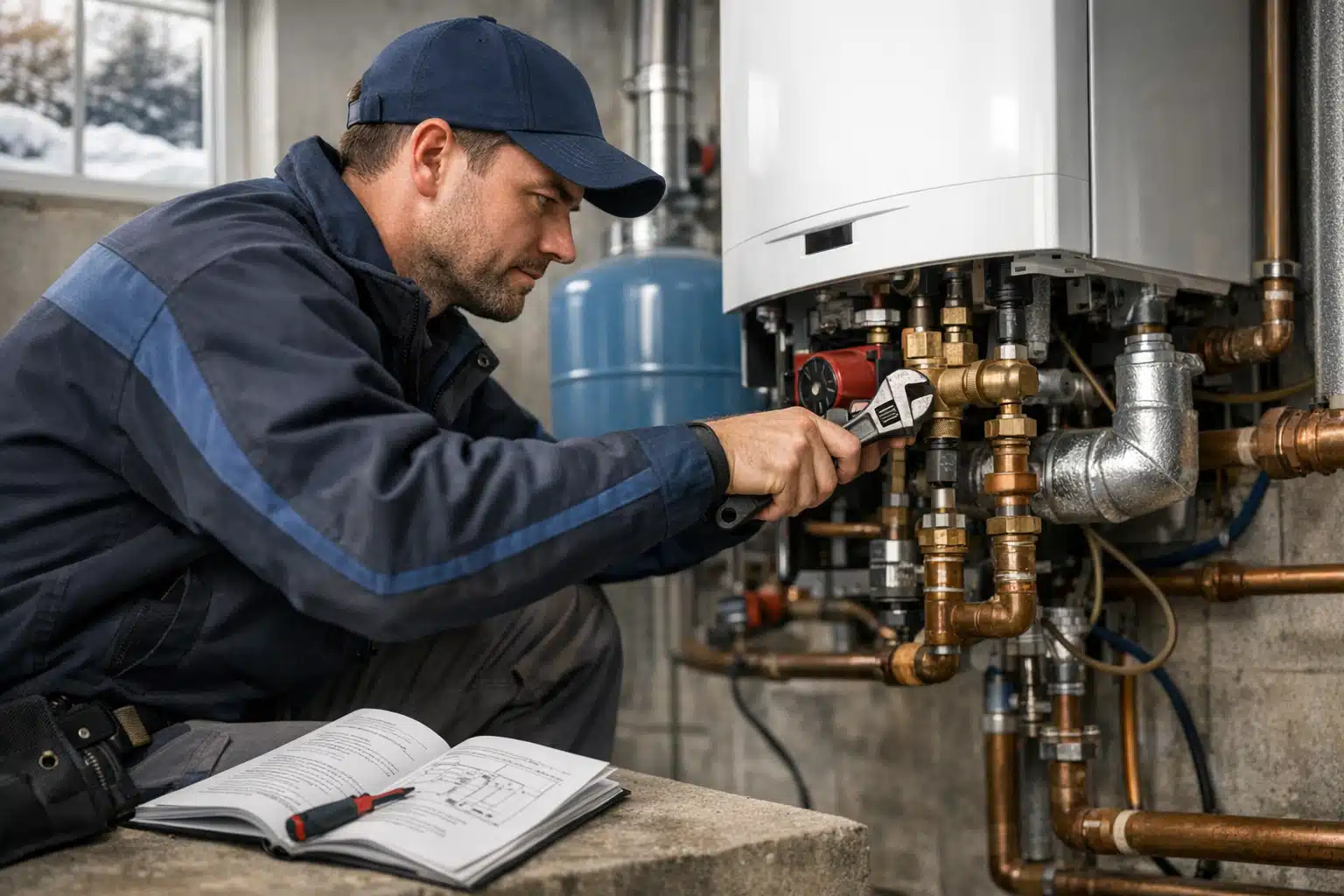
Boilers in Colorado's Front Range need special adjustments because thin mountain air at 5,000+ feet contains about 17% less oxygen than sea level, causing factory-set units to run inefficiently and create safety risks.
- Derating reduces a boiler's firing rate by roughly 4% per 1,000 feet above 2,000 feet - skipping this step causes sooting and wasted fuel. Gas orifices may need resizing and combustion analyzers verify the unit burns clean.
- Lower atmospheric pressure affects water systems too. Cold system pressure should read 12 to 15 psi and expansion tanks need tap-testing to catch failures before relief valves start dripping.
- Warning signs include short-cycling, yellow flames, soot near burner joints, rising gas bills, and banging noises. Annual tune-ups with combustion analysis cost about $150 to $300 and typically save more in fuel than they cost.
At elevations like 5,300 feet, thin mountain air contains less oxygen than air at sea level. This changes how fuel burns inside your boiler. Most factory-set boilers arrive calibrated for lower elevations, which causes them to short-cycle, waste gas, and struggle to heat your home properly when operated in high-altitude locations like Colorado.
At 5,300 feet in Arvada, a boiler that ran fine at sea level can short-cycle, waste gas, and struggle to heat your home. Thin mountain air changes how fuel burns, and most factory-set boilers arrive calibrated for lower elevations. That gap is why boiler preparation high altitude matters more here than almost anywhere else in the country.
This post covers the exact adjustments and checks that keep boilers efficient across the Front Range. You will learn what altitude does to combustion, which settings need changing, and how to spot early trouble before a cold snap hits.
Why High Altitude Changes How Your Boiler Runs
Air gets thinner as elevation rises. At Denver-area altitudes, there is roughly 17% less oxygen per cubic foot than at sea level. Boilers mix gas with air to burn, and less oxygen throws that mix off balance.
An unadjusted boiler runs rich, meaning too much gas and not enough air. That wastes fuel, produces soot, and raises carbon monoxide risk.
The Denver Metro Elevation Range
Boiler settings depend on your exact elevation. Here is where local cities sit:
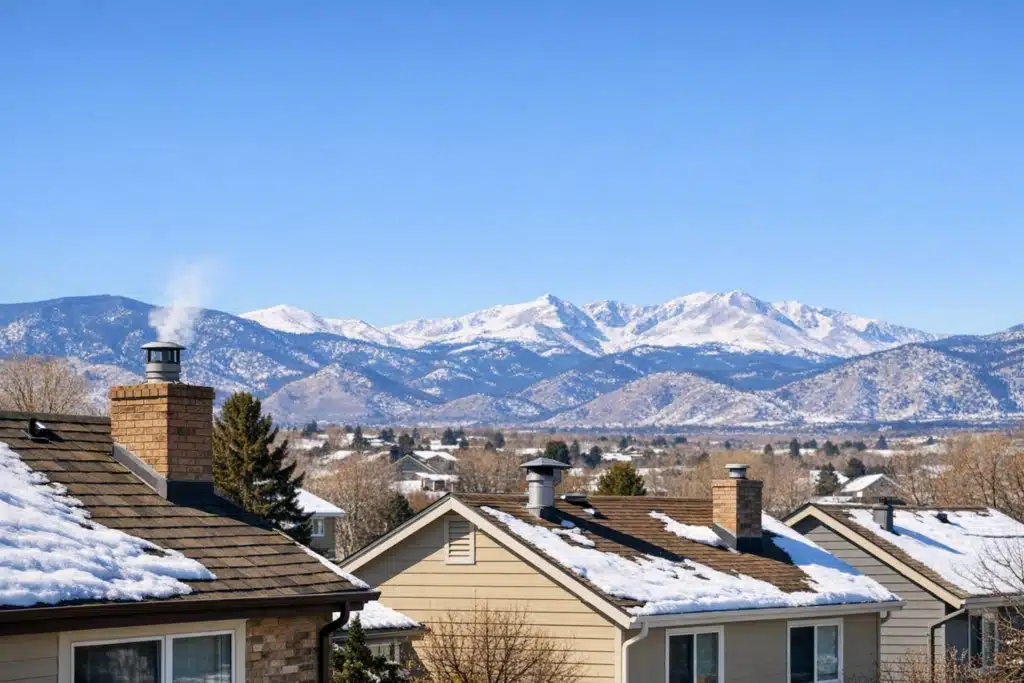
- Arvada: about 5,340 feet
- Denver: about 5,280 feet
- Wheat Ridge: about 5,410 feet
- Westminster: about 5,380 feet
- Broomfield: about 5,420 feet
Most manufacturers require derating for installations above 2,000 feet. Every home on this list sits well past that line.
Boiler Preparation High Altitude: The Adjustments That Matter
Getting a boiler ready for Colorado homes means correcting for that thin air. Below are the changes that make the biggest difference.
1. Derate the Burner
Derating lowers the boiler’s firing rate to match available oxygen. The rule of thumb is a 4% reduction in input for every 1,000 feet above 2,000 feet.
At Arvada’s elevation, that means cutting input by roughly 12% to 14%. Skipping this step is the top cause of sooting we find on service calls.
2. Resize or Adjust the Gas Orifice
Many older atmospheric boilers need a smaller gas orifice for altitude. A licensed technician swaps the orifice or adjusts the gas valve pressure to hit the corrected input.
Modern condensing boilers handle this differently. They use a modulating fan and gas valve, set with a combustion analyzer at install.
3. Verify Combustion With an Analyzer
Guessing kills efficiency. A combustion analyzer reads oxygen, CO, and flue temperature in real time.
We target these readings on high-altitude tune-ups:
- CO: under 100 ppm air-free
- O2: within the manufacturer’s altitude-corrected range
- Flue temperature: matched to unit type and elevation
No analyzer means no proof the boiler burns clean. That is a non-negotiable step on every Cardom boiler visit.
Pressure and Expansion Checks for Colorado Homes
Altitude affects water systems too. Lower atmospheric pressure changes how your boiler holds and moves water.
Check the System Pressure Gauge
Most residential boilers run best between 12 and 15 psi cold. A reading below 12 psi points to a leak or a failing fill valve.
Above 25 psi and the relief valve may weep or open. That dripping valve near your boiler is a warning, not a nuisance.
Test the Expansion Tank
The expansion tank absorbs pressure as water heats and swells. A waterlogged tank sends pressure spiking and trips the relief valve.
Tap the tank. A hollow top and solid bottom is healthy; a fully solid tank has failed.
Venting and Combustion Air in Front Range Winters
Thin air means your boiler needs proper airflow to breathe. Tight, weatherized homes across Arvada can starve older units of combustion air.
Inspect the Flue and Vent
Look for corrosion, sagging pipe, or white powdery buildup at joints. Condensing boilers vent through PVC that can sag and pool water, blocking flow.
Snow and ice matter here. Sidewall vents at ground level get buried during Front Range storms, choking the boiler mid-cycle.
Confirm Adequate Combustion Air
Sealed-combustion units pull outside air directly. Older atmospheric boilers rely on room air, and a sealed mechanical closet can suffocate them.
If your boiler shares a space with a new furnace or water heater, air supply may fall short. That combination causes back-drafting and carbon monoxide.
5 Warning Signs Your Boiler Needs Attention Before Winter
Front Range homeowners see the same red flags every fall. Watch for these:
- Short-cycling: the boiler fires and shuts off in rapid bursts, wasting gas
- Soot or black staining near the burner or flue joints
- Yellow or lazy flame instead of crisp blue
- Rising gas bills with no change in thermostat habits
- Banging or kettling noises from sediment or overheating
Any one of these on a Wheat Ridge or Westminster boiler points to an altitude or combustion problem. Catching them early beats a no-heat call in January.

 Posted on Google
What High-Altitude Boiler Service Costs Around Arvada
Homeowners ask for real numbers, and here is what to plan for:
- Annual tune-up with combustion analysis: about $150 to $300
- Burner derating and orifice adjustment: about $200 to $450
- Expansion tank replacement: about $250 to $500
- Relief valve replacement: about $175 to $350
- New high-altitude condensing boiler install: about $6,000 to $12,000
Prices shift with boiler type, access, and parts. A tune-up almost always costs less than the fuel wasted by a poorly tuned unit over one winter.
A Real Front Range Example
A Broomfield homeowner called us in late October with soaring gas bills. Their boiler, moved from a home in Kansas, was never derated for altitude.
The unit ran 13% over its corrected input, sooting the heat exchanger. After derating and a combustion tune, their next bill dropped noticeably and the black staining stopped.
That is the difference altitude-aware service makes. A boiler that works in Wichita will not work the same in Wheat Ridge.
A Simple Fall Checklist for Colorado Homes
Before the first hard freeze, run down this list:
- Confirm the boiler was derated for your elevation
- Check cold system pressure at 12 to 15 psi
- Tap-test the expansion tank
- Clear snow and debris from sidewall vents
- Book a combustion analysis if none has been done this year
Property managers in Denver should repeat this for every unit before tenants turn on the heat. One clogged vent can shut down a whole building’s heating.
Conclusion
Thin Colorado air demands a derated, combustion-tested boiler to run safely and cheaply. Correct the firing rate, check pressure and expansion, and keep vents clear before winter arrives. Skipping these steps wastes fuel and raises real safety risks across the Front Range.
Cardom Plumbing & Heating handles high-altitude boiler work for Arvada, Denver, Wheat Ridge, Broomfield, and Westminster homes. Call or text 720‑775‑8322, email tomd@cardomcolorado.com, or visit https://www.cardomcolorado.com to schedule your boiler check before the cold hits.
Sources
- U.S. Department of Energy – Boilers
- U.S. Consumer Product Safety Commission – Carbon Monoxide Information Center
- U.S. Environmental Protection Agency – Carbon Monoxide’s Impact on Indoor Air Quality


