
Recent Posts
Categories
High-Altitude Boiler Maintenance Tips for Westminster Residents
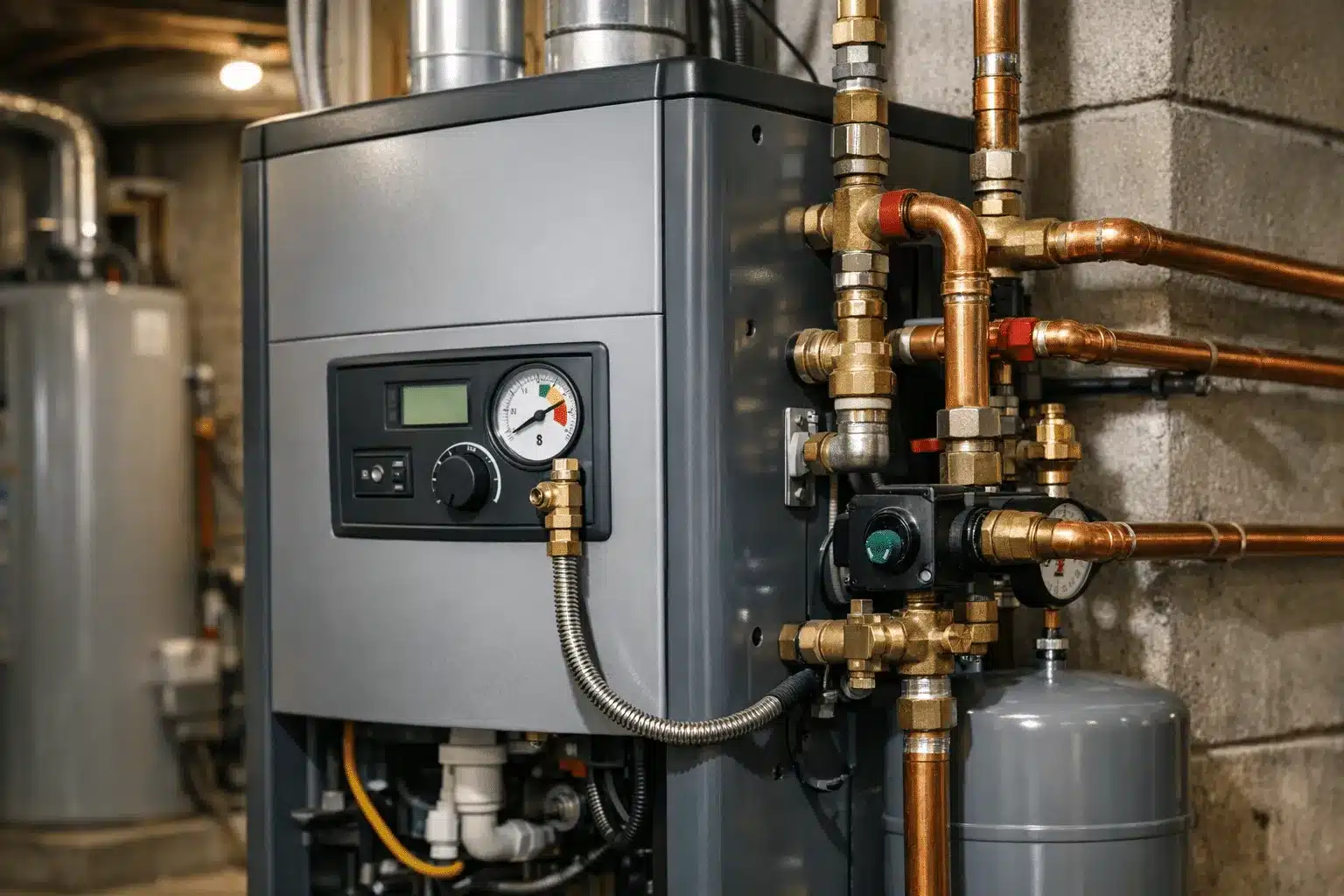
Westminster homeowners face unique boiler challenges at 5,400 feet elevation, where lower oxygen levels and pressure changes reduce efficiency and require specialized maintenance approaches.
- Gas boilers lose about 3% efficiency per 1,000 feet of elevation, meaning Westminster systems run roughly 16% less efficiently than sea level ratings without proper combustion adjustments.
- Monthly self-inspections should include checking water pressure at 12-15 PSI, testing relief valves, clearing snow from vents, and listening for unusual sounds like banging or whistling.
- Quarterly professional inspections during heating season are recommended to check combustion efficiency, clean heat exchangers, and verify altitude-specific settings remain accurate.
At elevations like 5,400 feet, boilers face unique challenges that require specialized care. The thinner air contains less oxygen, which affects combustion efficiency and can lead to incomplete fuel burning. Homeowners at high altitude should schedule annual professional inspections, adjust burner settings for proper air-to-fuel ratios, and monitor for carbon monoxide to keep their heating systems running safely and efficiently.
Westminster homeowners know that winter heating bills can skyrocket when boilers work overtime at high altitude. Your boiler faces unique challenges at 5,400 feet above sea level that require specialized maintenance approaches.
Proper boiler maintenance becomes even more critical in Westminster’s thin air and temperature extremes. This guide covers altitude-specific maintenance practices that keep your heating system running efficiently all winter long.
How Westminster’s High Altitude Affects Your Boiler
Westminster’s elevation creates distinct challenges for heating systems. Lower air pressure reduces oxygen levels, affecting combustion efficiency in gas boilers.
Water boils at lower temperatures here, changing how your system operates. These conditions mean your boiler works harder to maintain the same heat output compared to sea level installations.
Combustion Adjustments for Thin Air
Gas boilers need proper air-to-fuel ratios for safe operation. At Westminster’s altitude, this balance shifts significantly.
Professional technicians adjust burner orifices and gas pressures during installation. Regular maintenance ensures these settings remain optimal as components age.
Pressure Relief Valve Considerations
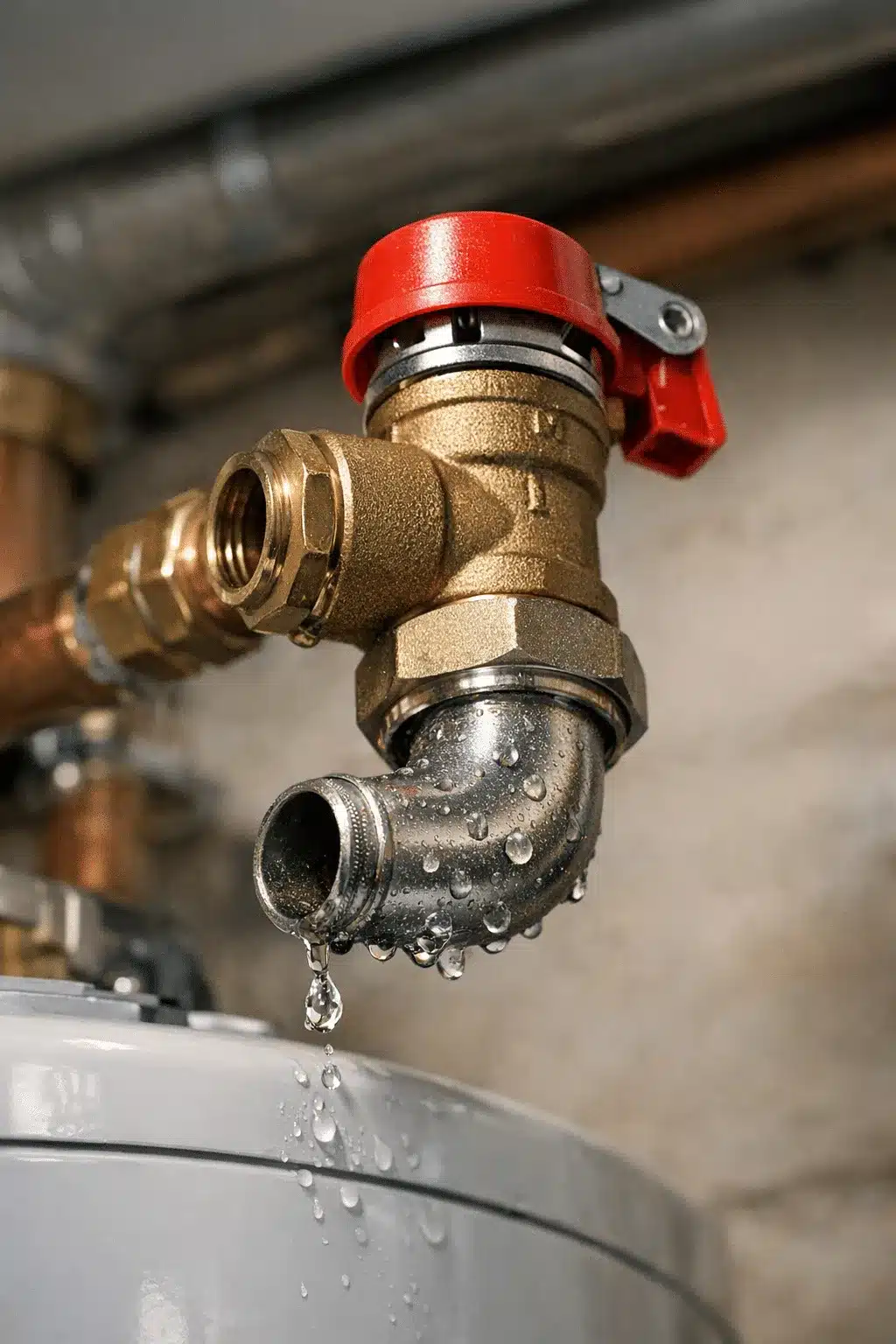
Standard pressure relief valves may trigger prematurely at high altitude. Westminster residents often need altitude-adjusted relief valves rated for local conditions.
Check your relief valve quarterly for proper operation. Water dripping from the discharge pipe signals potential altitude-related pressure issues.
Essential Boiler Maintenance Tasks for Westminster Homes
High-altitude boiler maintenance requires attention to specific components that work harder in thin air. These tasks prevent costly breakdowns during Westminster’s harsh winters.
Monthly Inspections You Can Do Yourself
- Check water pressure gauge: Maintain 12-15 PSI for optimal operation
- Test pressure relief valve: Lift lever briefly to ensure proper function
- Inspect venting system: Clear snow and debris from outdoor exhaust pipes
- Monitor thermostat readings: Note any unusual temperature fluctuations
- Listen for unusual sounds: Banging or whistling indicates potential problems
Quarterly Professional Inspections
Westminster’s altitude demands more frequent professional attention than standard maintenance schedules. Schedule inspections every three months during heating season.
Professional technicians check combustion efficiency, clean heat exchangers, and verify altitude-specific settings. They also inspect the expansion tank for proper pre-charge pressure.
Winter Preparation for Westminster Boilers
Westminster winters bring temperature swings from 50°F days to -15°F nights. Your boiler needs specific preparation for these extreme conditions.
Pre-Season Checklist
- Clean or replace air filters: Thin air carries more dust and debris
- Flush system of sediment: High mineral content in local water creates buildup
- Test emergency shutoff systems: Verify all safety controls function properly
- Insulate exposed pipes: Prevent freeze damage in unheated areas
- Check expansion tank: Ensure proper pre-charge for altitude
Combustion Analysis for High-Altitude Operation
Annual combustion testing becomes critical at Westminster’s elevation. Oxygen levels affect burn efficiency and carbon monoxide production.
Professional analysis measures oxygen content, draft pressure, and flue gas temperature. These readings determine if your boiler burns cleanly and safely in thin air.
Common High-Altitude Boiler Problems in Westminster
Westminster residents face specific boiler issues related to elevation and local conditions. Recognizing these problems early prevents expensive emergency repairs.
Altitude-Related Efficiency Loss
Boilers lose approximately 3% efficiency for every 1,000 feet of elevation. Westminster systems operate at roughly 16% lower efficiency than sea level ratings.
Regular maintenance compensates for this loss through proper combustion adjustment and heat exchanger cleaning. Neglected systems show even greater efficiency drops.
Pressure and Expansion Issues
High altitude affects system pressure calculations. Expansion tanks may lose pre-charge pressure more quickly in thin air.
Water hammer becomes more common as pressure differentials increase. Professional maintenance includes checking expansion tank pre-charge and adjusting system pressure accordingly.

 Posted on Google
Seasonal Maintenance Schedule for Westminster Boilers
Westminster’s climate requires adjusted maintenance timing compared to lower elevation areas. This schedule accounts for local weather patterns and altitude effects.
Fall Preparation (September-October)
- Professional combustion analysis: Verify safe operation before heating season
- Heat exchanger cleaning: Remove summer dust accumulation
- Thermostat calibration: Ensure accurate temperature control
- Emergency system testing: Verify all safety shutoffs work properly
Mid-Winter Check (January)
Schedule a mid-season inspection during Westminster’s coldest period. Technicians verify system performance under maximum load conditions.
This timing catches problems before the final push through late winter cold snaps. Emergency repairs cost more and take longer during peak heating season.
Spring Shutdown Maintenance (April-May)
Proper shutdown maintenance extends boiler life and prepares systems for next season. This includes cleaning, inspection, and protective storage procedures.
Spring maintenance also identifies wear patterns from winter operation. Early repairs prevent emergency failures when heating starts again.
Professional vs DIY Maintenance Tasks
Westminster homeowners can handle basic maintenance, but altitude-specific adjustments require professional expertise. Understanding these boundaries keeps your family safe.
Safe DIY Tasks
- Visual inspections for leaks or damage
- Filter replacement and cleaning
- Basic pressure monitoring
- Clearing snow from vents and intakes
Professional-Only Tasks
- Combustion adjustment: Critical for safe operation at altitude
- Gas line work: Requires licensed technicians and permits
- Pressure relief valve replacement: Must match altitude requirements
- Heat exchanger cleaning: Needs specialized tools and knowledge
Energy Efficiency Tips for High-Altitude Boilers
Westminster’s elevation challenges boiler efficiency, but proper maintenance and operation techniques minimize energy waste. These strategies reduce heating costs while maintaining comfort.
Optimal Operating Temperatures
Set boiler water temperature to 140-160°F for Westminster conditions. Higher temperatures waste energy while lower settings reduce heat output at altitude.
Use outdoor reset controls that adjust water temperature based on outside conditions. This automation optimizes efficiency during Westminster’s variable winter weather.
Circulation System Optimization
High-efficiency circulators work better at altitude than standard pumps. Variable speed models adjust output for changing system demands.
Proper pipe insulation becomes more important at elevation where heat loss increases. Focus on basement and crawl space piping for maximum benefit.
Westminster homeowners need specialized boiler maintenance approaches that account for high-altitude challenges. Regular professional service, combined with consistent homeowner monitoring, ensures reliable heating through Colorado’s demanding winters.
Don’t wait for emergency breakdowns during Westminster’s coldest days. Contact Cardom Plumbing & Heating at 720-775-8322 for expert high-altitude boiler maintenance that keeps your heating system running efficiently all season long.
Sources
- U.S. Department of Energy – Maintaining Your Boiler System
- Colorado Department of Public Safety – Plumbing and Heating Codes
- EPA – Carbon Monoxide: Consumer Guide to Detection and Prevention


