
Recent Posts
Categories
Water Heater Troubleshooting: Common Problems in Wheat Ridge
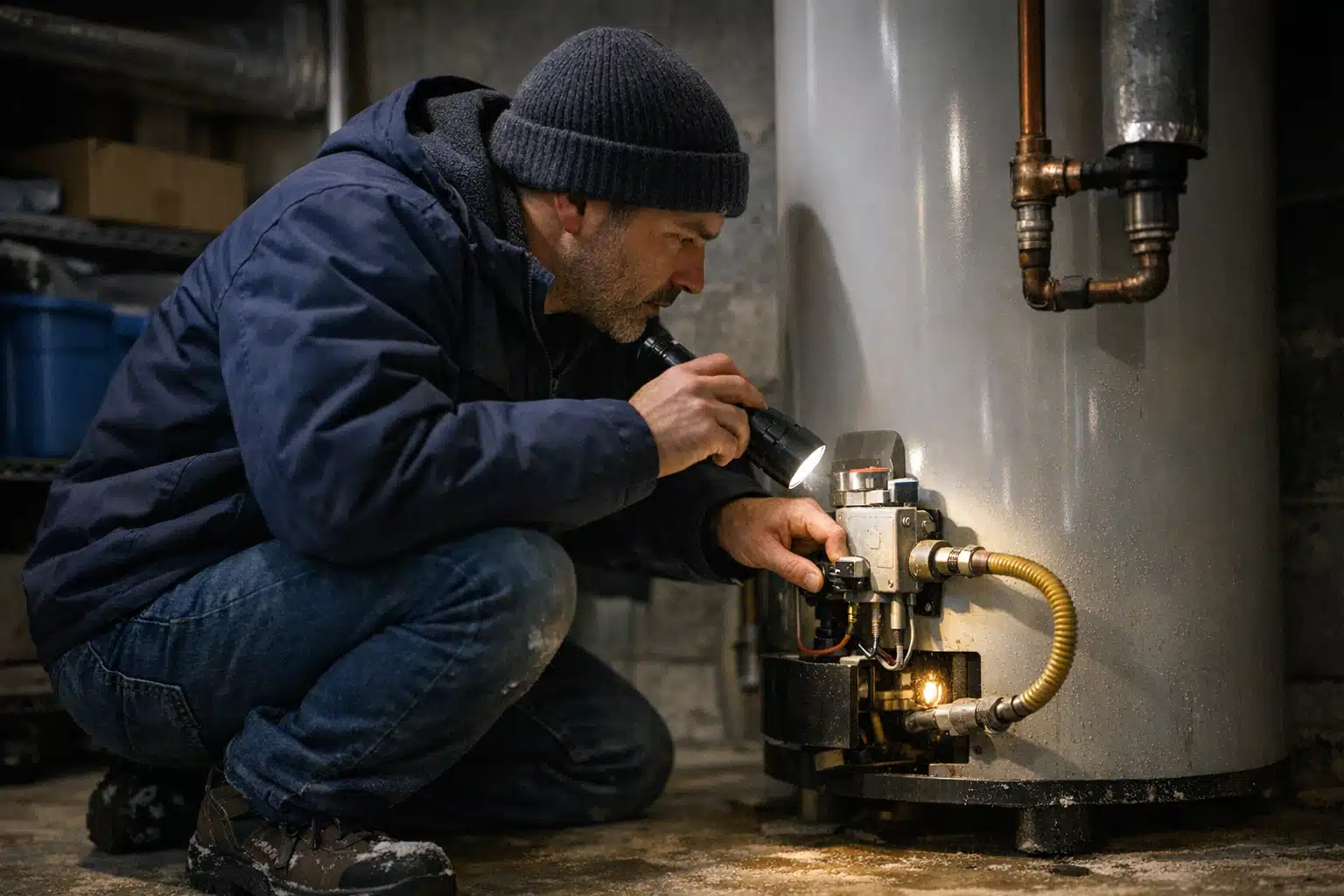
Cardom Plumbing & Heating explains common water heater problems in Wheat Ridge, Colorado, where hard water, older homes, and cold winters cause predictable failures. The guide covers troubleshooting steps, repair costs, and when to call a professional.
- No hot water often stems from pilot light issues on gas units or tripped breakers on electric models. Sediment buildup from hard water causes rumbling sounds and reduced hot water supply.
- Leaks from the tank body mean replacement is needed, while valve or fitting leaks are usually low-cost repairs. Rusty water signals a worn anode rod that should be replaced every three to five years.
- Flushing the tank yearly and insulating pipes before winter helps prevent emergency repairs. Tanks older than 10 years with major leaks are worth replacing rather than repairing.
Water heaters in Wheat Ridge face several common issues due to local conditions. Hard water causes sediment buildup in tanks, reducing efficiency and creating rumbling noises. Pilot light failures, faulty thermostats, and corroded anode rods are frequent culprits. Cold Front Range winters also strain heating elements, leading to inconsistent temperatures or complete loss of hot water.
Why Wheat Ridge Water Heaters Fail More Than You Think
A cold shower on a January morning in Wheat Ridge signals one thing: your water heater is in trouble. Front Range winters and local water conditions put steady strain on these appliances.
This post covers water heater troubleshooting Wheat Ridge residents can act on right now. You will learn the most common problems, quick fixes, cost expectations, and when to call a plumber.
Wheat Ridge homes face a mix of hard water, older housing stock, and freezing temperatures. That combination creates predictable failures we see year after year.
Common Water Heater Problems in Wheat Ridge Homes
Most calls we get fall into a handful of categories. Knowing the symptom helps you diagnose the cause fast.
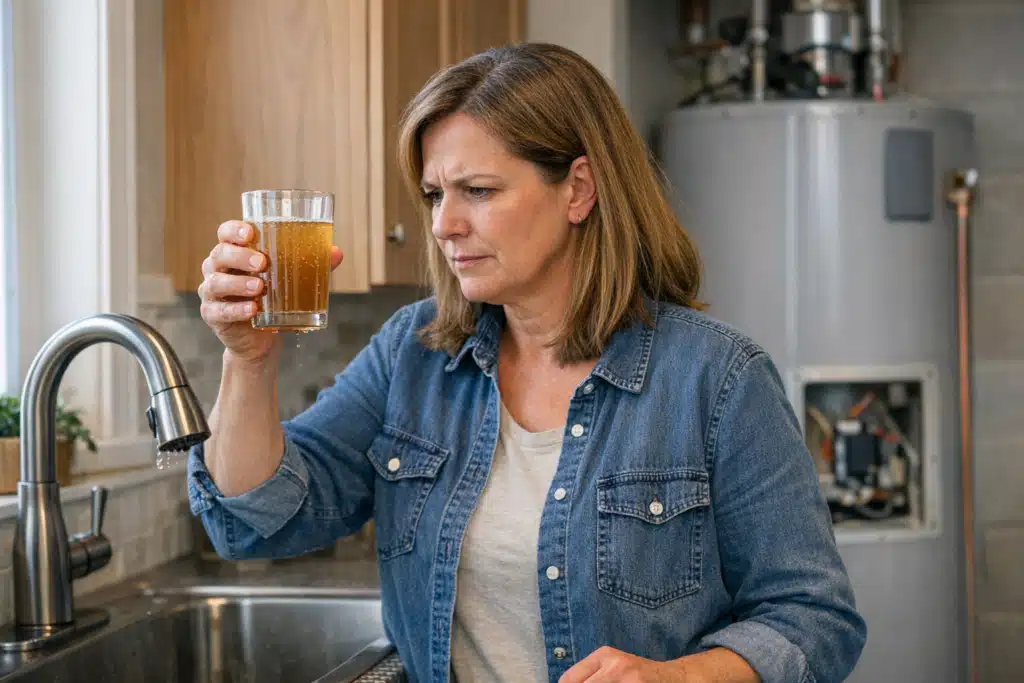
- No hot water — pilot light, heating element, or gas supply failure
- Lukewarm water — sediment buildup or a failing thermostat
- Rumbling or popping noises — hardened mineral deposits on the tank floor
- Rusty or discolored water — a corroding anode rod or tank interior
- Water pooling around the base — tank leak or loose fittings
- Rotten egg smell — bacteria reacting with the anode rod
Each symptom points to a different repair path. Below, we break down the fixes.
No Hot Water: First Steps to Troubleshoot
No hot water is the most urgent complaint, especially during a cold snap. The fix depends on whether your unit runs on gas or electric.
Gas Water Heaters
- Check the pilot light. If it is out, follow the relight instructions on the tank label.
- Confirm the gas valve is set to “On.”
- Inspect the thermocouple. A dirty or failed one keeps snuffing the pilot.
- Verify other gas appliances work. If none do, call your gas utility.
If the pilot will not stay lit, the thermocouple usually needs replacing. Parts run $20 to $50, plus labor.
Electric Water Heaters
- Check your breaker panel. A tripped breaker is the top cause.
- Press the reset button on the upper thermostat behind the access panel.
- Test the heating elements if power is present but water stays cold.
A burned-out element is common in Wheat Ridge homes with hard water. Replacement elements cost $20 to $50 each.
Sediment Buildup: The Hard Water Culprit
Wheat Ridge draws from Front Range water sources with moderate to high mineral content. Calcium and magnesium settle at the bottom of your tank over time.
Sediment is the leading cause of rumbling sounds and shrinking hot water supply. The layer forces the burner to work harder, which shortens tank life.
How to Flush Your Tank
- Shut off power or set the gas to “Pilot.”
- Turn off the cold water supply valve.
- Attach a hose to the drain valve and run it to a floor drain.
- Open the valve and let the tank empty fully.
- Briefly open the cold supply to stir and rinse remaining sediment.
- Close the drain, refill, and restore power.
Flush your tank once a year in Wheat Ridge. Homes with heavy mineral loads benefit from twice-yearly flushing.
Leaks: When to Worry and When to Act Fast
A puddle under your water heater is never something to ignore. The source determines whether it is a cheap fix or a full replacement.
- Drain valve leak — tighten or replace the valve, a low-cost repair
- Loose inlet or outlet connection — resealing the fittings usually stops it
- Temperature and pressure relief valve — a discharging T&P valve may signal excess pressure
- Tank body leak — corrosion has breached the steel; the unit needs replacing
If water leaks from the tank body itself, no repair will hold. Shut off the water and power, then call for a replacement.
Discolored or Smelly Water
Rusty water from the hot tap points to a corroding anode rod. That sacrificial rod protects the tank by corroding first.
Once it wears out, the tank interior begins to rust. Replacing the anode rod every three to five years extends tank life.
A rotten egg odor comes from bacteria reacting with the anode. Swapping a standard rod for an aluminum-zinc version usually clears the smell.
Water Too Hot or Not Hot Enough
An inconsistent temperature usually traces to the thermostat. Set your water heater between 120 and 125 degrees Fahrenheit.
That range prevents scalding and slows mineral buildup. If adjusting the dial does nothing, the thermostat likely failed and needs replacing.

 Posted on Google
Winter-Specific Water Heater Issues in Wheat Ridge
Cold Front Range winters strain water heaters in ways summer never does. Incoming groundwater drops near freezing, forcing the unit to work overtime.
- Longer recovery times — colder inlet water takes longer to heat
- Reduced hot water supply — the tank drains faster during peak demand
- Frozen supply lines — pipes in unheated garages or crawl spaces freeze
- Pilot outages — drafts from poor insulation blow out gas pilots
Insulating exposed pipes and the tank itself helps during January cold snaps. A tank blanket cuts standby heat loss on older units.
Water Heater Repair vs. Replacement Costs
Knowing rough numbers helps you make a fast decision. Here is what Wheat Ridge homeowners can expect.
- Thermocouple replacement: $75 to $200 installed
- Heating element replacement: $150 to $300
- Thermostat replacement: $150 to $250
- Anode rod replacement: $150 to $300
- Tank flush service: $100 to $200
- Full tank replacement: $1,200 to $2,500
- Tankless upgrade: $3,000 to $5,000
A tank older than 10 years with a major leak is worth replacing. Repairs on a young unit almost always make more sense.
When to Call a Plumber Instead of DIY
Some fixes are safe for handy homeowners. Others need a licensed plumber to stay code-compliant.
Call for help when you face any of the following:
- Gas smell near the unit — leave and call immediately
- Water leaking from the tank body
- Repeated pilot outages after a thermocouple swap
- Discolored water that persists after an anode change
- Any electrical work beyond resetting a breaker
Colorado requires permits for water heater replacements. A licensed plumber handles the permit and inspection for you.
Preventing Future Water Heater Problems
A few habits keep your unit running past its warranty. Wheat Ridge homeowners see the best results with regular upkeep.
- Flush the tank yearly to clear sediment.
- Check the anode rod every three years.
- Test the T&P valve annually for proper release.
- Insulate exposed pipes before the first hard freeze.
- Keep the temperature at 120 degrees to reduce strain.
These small steps prevent most of the emergency calls we take. Prevention costs far less than a January replacement.
Get Help From Cardom Plumbing & Heating
Water heater troubleshooting in Wheat Ridge starts with matching the symptom to the cause. Sediment, worn anode rods, and cold-weather strain drive most of the common issues local homes face.
When a fix is beyond a quick DIY step, our team responds fast across Wheat Ridge, Arvada, and the Front Range. Call or text Cardom Plumbing & Heating at 720‑775‑8322, email tomd@cardomcolorado.com, or visit https://www.cardomcolorado.com to schedule service.
Sources
- U.S. Department of Energy – Water Heating
- U.S. Environmental Protection Agency – WaterSense Water Heaters
- U.S. Consumer Product Safety Commission – Water Heaters


