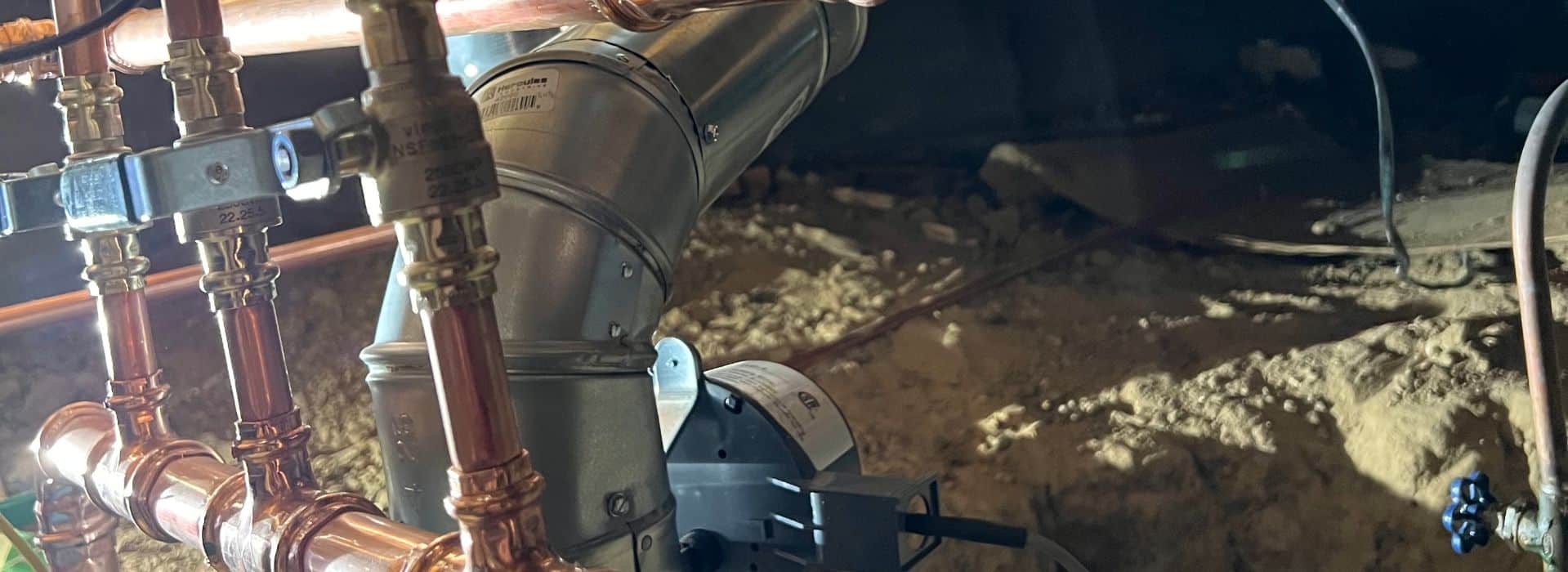
Gas leaks in Lafayette, CO require immediate attention due to their potential danger. Professional repair services include detection, isolation, and remediation by licensed technicians who understand local gas system challenges.
Gas leaks can be identified by sulfur smells, hissing sounds, or dead vegetation above buried lines. Recognizing these signs early is critical to prevent emergencies.
Cardom Plumbing & Heating employs advanced detection methods and systematic pressure testing to ensure safety and compliance with local codes.
The company offers 24/7 emergency response and has extensive knowledge of Lafayette's diverse housing stock, ensuring reliable repairs tailored to specific construction eras.
What is a gas leak and why is it important to address it immediately?
A gas leak is a dangerous situation where natural gas escapes from pipes or appliances, often indicated by a faint sulfur smell. It is crucial to address gas leaks immediately to prevent serious hazards, including explosions and health risks, ensuring the safety of your home and family.
Gas Leak Repair in Lafayette, CO
That faint sulfur smell near your furnace or water heater demands immediate attention. Gas leaks represent one of the most serious plumbing and heating emergencies a Lafayette homeowner can face – and recognizing the warning signs early can prevent catastrophic outcomes for your family and property.
Gas leak repair encompasses the detection, isolation, and professional remediation of natural gas escaping from supply lines, appliance connections, or aging infrastructure within your home's plumbing and heating system. This specialized service requires licensed technicians who understand gas pressure dynamics, proper fitting techniques, and the rigorous safety protocols that protect both occupants and repair personnel.
Why Professional Diagnosis Matters
Amateur attempts to locate or repair gas leaks can transform a manageable situation into a life-threatening emergency. Professional plumbers bring calibrated detection equipment, proper ventilation procedures, and the expertise to identify multiple leak points that DIY inspections typically miss.
Precise electronic detection identifies leaks invisible to smell or soap-bubble testing
Proper line isolation prevents secondary damage during repair procedures
Code-compliant repairs satisfy insurance requirements and municipal inspections
Systematic pressure testing confirms complete system integrity before restoration
Lafayette's Front Range location brings specific challenges – elevation affects gas pressure calibration, temperature swings stress pipe joints, and the mix of historic and modern construction means varied gas line materials throughout the community. Understanding these local factors shapes every repair approach we take.
Cardom Plumbing & Heating provides Gas Leak Repair services in all neighborhoods of Lafayette including Anna's Farm, Autumn Meadows, Blue Heron Estates, Cross Ridge, Greenlee Park, Indian Peaks, Nyland Cohousing Community, South Pointe, Spring Creek, Steel Ranch Subdivision, The Boulder, The Ranch, Trails at Coal Creek, Waneka Landing, Waneka Pointe, and Water's Edge.
Lafayette sits at approximately 5,280 feet elevation where atmospheric pressure differences affect gas combustion and delivery systems differently than sea-level communities. The town's housing stock spans over a century – from original coal-mining-era homes converted to natural gas to brand-new developments in Coal Creek – creating a diverse range of gas infrastructure conditions across neighborhoods.
Xcel Energy delivers natural gas through a network that serves both historic downtown properties and expanding residential areas. Older sections of Lafayette may still contain original galvanized steel or even iron gas lines that have weathered decades of freeze-thaw cycles, soil movement, and corrosion. These aging systems develop micro-fractures and joint failures that release gas slowly – often undetected until accumulation reaches dangerous concentrations.
Seasonal Stress Patterns
Colorado's dramatic temperature swings hit gas systems hard. Winter nights dropping below zero cause metal contraction, while summer afternoons exceeding 90 degrees create expansion. This constant cycling loosens threaded connections, fatigues flexible supply lines, and accelerates corrosion at dissimilar metal joints.
Heating season startup – furnaces and boilers dormant for months may have developed connector deterioration
Spring thaw – soil movement from frost heave stresses underground service lines
Summer drought – clay soil shrinkage around buried pipes creates settling and joint separation
Fall temperature drops – rapid cooling causes thermal shock to supply line fittings
Renovation activity – construction vibration loosens connections throughout the structure
Appliance aging – water heaters and furnaces past 15 years develop manifold and valve deterioration
Warning Signs Requiring Immediate Attention
Gas leaks announce themselves through multiple sensory and environmental indicators. Recognizing these signals – and responding appropriately – prevents emergencies from escalating.
Sulfur or rotten egg odor near appliances, meters, or along gas line routes
Hissing or whistling sounds from gas pipes, connections, or appliance housings
Dead vegetation patches above buried gas lines
Unexplained increases in gas utility bills
Pilot lights that repeatedly extinguish
Visible corrosion, rust staining, or moisture around gas fittings
Physical symptoms including headaches, dizziness, or nausea when indoors
Recent Work
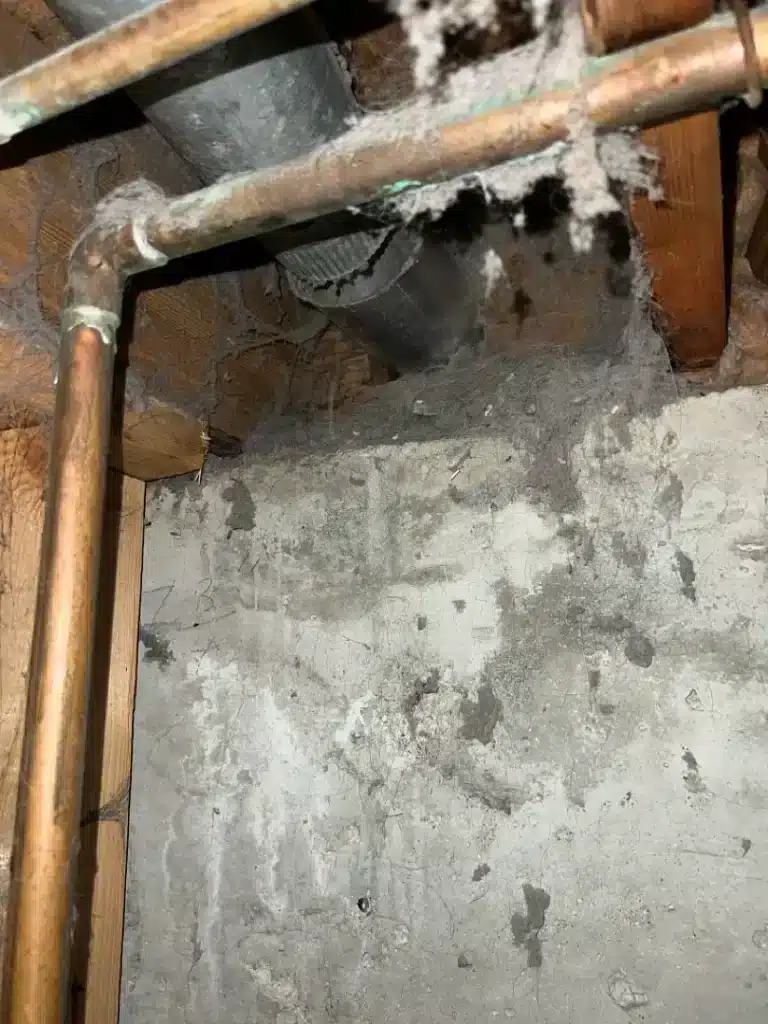
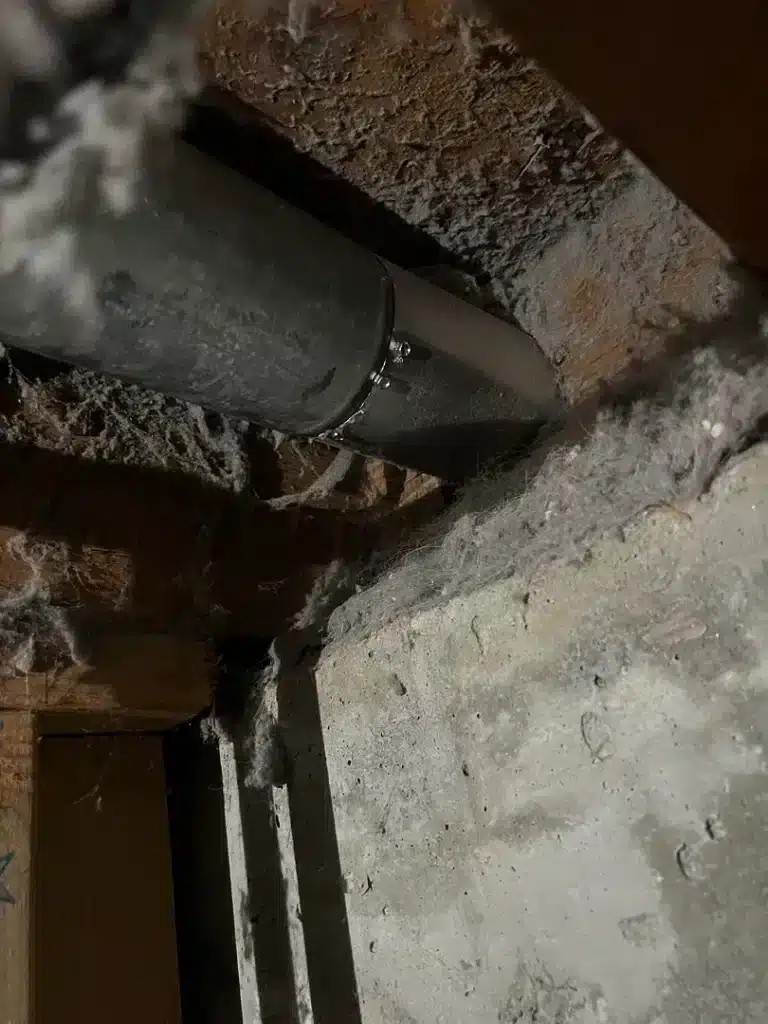
Gas smell - Lafayette
Problem:Gas leak in house
Found:We found it separated about 4 inches
Fixed:We re attached this and secured with zip screws, their is a lot of lint all over crawlspace. We took apart the vent line from the dryer and into the crawlspace to remove any remain lint in the line
Our gas leak repair process prioritizes safety at every stage while restoring your system to full operational integrity. Here's exactly what happens when you contact us about a suspected gas leak.
Our Detection and Repair Process
Emergency triage – We assess the situation by phone to determine if immediate evacuation is warranted and dispatch technicians accordingly
Site safety assessment – Upon arrival, we verify ventilation, check combustible gas concentrations, and establish safe work zones
System isolation – We shut off gas supply at the meter or appropriate isolation valve to prevent additional accumulation
Electronic leak detection – Calibrated combustible gas detectors trace leak sources along all accessible gas lines and connections
Comprehensive system mapping – We document all gas appliances, supply routes, and connection points to ensure complete inspection
Repair execution – Failed components are replaced using approved materials and proper joint techniques
Pressure testing – The entire system undergoes pressure decay testing to confirm no additional leaks exist
System restoration – Gas service is restored, appliances are relit, and proper operation is verified
Detection Methods and Techniques
Different leak scenarios require different diagnostic approaches. Our technicians select methods based on the specific situation.
Electronic combustible gas analyzers – detect parts-per-million concentrations invisible to other methods
Ultrasonic leak detection – identifies pressurized gas escaping through pinhole fractures
Pressure decay testing – isolates system sections to pinpoint leak locations systematically
Soap solution testing – confirms specific joint failures after electronic detection narrows the search area
Infrared imaging – reveals temperature differentials indicating gas flow from unexpected locations
Communication Throughout the Process
Gas leak situations create understandable anxiety. We keep you informed at every stage – explaining what we've found, what repairs are necessary, and what timeline to expect. Before any work begins, you'll understand the scope, the approach, and the expected outcome. After completion, we walk you through the repairs and provide documentation for your records and insurance purposes.
Why Choose Cardom Plumbing & Heating
Gas leak repair demands technicians who combine proper licensing with genuine expertise. Our team holds Colorado gas piping certifications and maintains ongoing training in detection technologies and repair techniques. We understand the specific requirements of Lafayette's municipal codes and work seamlessly with local inspectors when permits are required.
Local Knowledge That Matters
Serving the Lafayette community means we've encountered every type of gas system installation across the area's diverse housing stock. From the original homes near Old Town to the developments around Waneka Lake, we understand which materials were common in different eras and what failure modes to anticipate. This experience translates to faster diagnosis and more reliable repairs.
Licensed and insured – not just certified – for all gas line work
24/7 emergency response for gas leak situations
Direct coordination with Xcel Energy when service line issues are identified
Complete documentation for insurance claims and property records
Follow-up verification available for complex repairs
Equipment and Process Advantages
We invest in professional-grade detection equipment that identifies leaks amateur methods miss. Our pressure testing protocols exceed minimum code requirements because we understand that marginal repairs create future emergencies. Every repair receives the same systematic verification regardless of apparent simplicity – because gas system failures don't offer second chances.
Housing Characteristics & Gas Leak Repair Considerations
Lafayette's housing inventory reflects over 130 years of development patterns, each era bringing different gas system installation practices and materials. Understanding your home's construction period helps anticipate potential gas line vulnerabilities.
Historic Properties – Pre-1950
Original Lafayette homes near downtown and the historic mining districts often contain gas systems converted from earlier coal or oil heating. These conversions may include:
Black iron pipe with threaded connections prone to corrosion at joints
Outdated flexible connectors that predate modern safety standards
Routing through walls and crawlspaces that complicate inspection access
Mixed materials where repairs over decades introduced incompatible fittings
Mid-Century Construction – 1950-1980
Post-war development brought standardized gas installation practices but also materials now recognized as problematic. Homes from this era commonly feature galvanized steel supply lines that develop interior corrosion invisible from outside inspection. Flexible connectors from this period may contain brass alloys susceptible to stress corrosion cracking.
Modern Development – 1980-Present
Newer Lafayette neighborhoods including areas around Indian Peaks and Coal Creek utilize corrugated stainless steel tubing (CSST) and improved connection hardware. While generally more reliable, these systems require proper bonding and grounding to prevent lightning-induced failures – a genuine concern along Colorado's Front Range where thunderstorm activity is frequent during summer months.
CSST installations must be verified for proper electrical bonding
Modern appliance connectors have defined service life expectations
Tankless water heaters and high-efficiency furnaces require specific gas line sizing
Home additions may stress original gas supply capacity
Environmental Conditions & Gas Leak Repair Implications
Lafayette's Front Range environment creates specific stresses on gas distribution systems that differ from other Colorado communities. These factors directly influence how gas leaks develop and how repairs must be approached.
Soil Characteristics and Underground Infrastructure
The Lafayette area features expansive clay soils that swell dramatically when wet and shrink during drought conditions. This seasonal soil movement creates ongoing stress on buried gas service lines running from street mains to building meters. Underground leaks may develop gradually as soil shifting fatigues pipe joints over multiple seasonal cycles.
Clay expansion during spring snowmelt creates upward pressure on buried lines
Summer drought causes soil shrinkage and settling around pipe supports
Tree root intrusion near service lines creates mechanical stress points
Freeze depth in Lafayette extends approximately 30 inches – affecting shallow installations
Climate Impacts on Gas Systems
Temperature extremes along the Front Range stress gas system components year-round. Winter low temperatures cause metal contraction that loosens threaded connections. Summer heat accelerates corrosion processes and degrades flexible connector materials. The rapid temperature swings common during Colorado's transitional seasons – sometimes 40+ degrees within hours – create thermal shock conditions that fatigue fittings.
Elevation and Atmospheric Considerations
At 5,280 feet, Lafayette's atmospheric pressure affects gas combustion differently than lower elevations. Appliances must be properly adjusted for altitude, and gas pressure regulators require specific calibration. Improper altitude compensation can create incomplete combustion conditions that produce carbon monoxide – a separate but related safety concern that our technicians evaluate during any gas system service.
Gas appliances require altitude-specific orifice sizing
Regulator settings differ from sea-level specifications
Combustion air requirements increase at elevation
Venting systems must accommodate reduced atmospheric pressure
Natural Gas Infrastructure and Safety Statistics in Lafayette
Xcel Energy operates the natural gas distribution network serving Lafayette and surrounding Boulder County communities. According to Colorado Public Utilities Commission data, the Front Range region experiences hundreds of reported gas leaks annually – with a significant percentage traced to customer-owned equipment rather than utility infrastructure. This distinction matters because homeowners bear responsibility for all gas piping from the meter to appliances.
The Pipeline and Hazardous Materials Safety Administration (PHMSA) reports that distribution system incidents in Colorado have remained relatively stable over the past decade, though aging infrastructure in established communities like Lafayette requires ongoing vigilance. Properties built before 1980 face elevated risk profiles due to material degradation and outdated installation practices.
Local Risk Factors
Boulder County's seismic activity – while minor – can stress gas connections over time
High radon levels in the Lafayette area indicate soil gas permeability that can mask natural gas odors
Wildfire smoke events may temporarily impair occupants' ability to detect mercaptan odorant
Construction activity in growing areas creates vibration that affects nearby gas systems
Lafayette's continued residential growth means increasing demand on gas distribution infrastructure. New connections and capacity expansions can create pressure fluctuations that stress older equipment in established neighborhoods. Homeowners in areas adjacent to new development should remain particularly attentive to gas system performance during construction periods. Regular professional inspection – especially for homes over 20 years old – represents the most effective strategy for identifying developing problems before they become emergencies.
Common signs of a gas leak include a faint sulfur smell, hissing sounds near gas lines, and dead or dying vegetation around your home. You may also notice an increase in your gas bill or experience headaches and dizziness if exposed to gas.
If you suspect a gas leak, evacuate everyone from the premises immediately and avoid using any electrical devices, including phones. Once you are at a safe distance, call your gas provider or a professional plumber to report the leak.
Hiring a professional is crucial because they have the training and tools to safely detect and repair gas leaks. Amateur attempts can worsen the situation and pose serious safety risks, including explosions or health hazards.
In older homes, gas leaks can be caused by aging infrastructure, such as corroded pipes, loose fittings, or damaged connections. Additionally, ground movement and temperature fluctuations can stress these systems, leading to potential leaks.
The duration of gas leak repair can vary depending on the severity and location of the leak. Generally, a professional can assess and repair minor leaks within a few hours, while more extensive repairs may take longer.
Many homeowners' insurance policies cover gas leak repairs, but coverage can vary. It's best to check with your insurance provider to understand your specific policy and any requirements for filing a claim.
To prevent gas leaks, schedule regular inspections of your gas lines and appliances by a qualified technician. Additionally, ensure proper ventilation in areas with gas appliances and replace aging infrastructure as needed.