Gas leaks in Thornton, CO are serious emergencies that require immediate professional attention due to the area's aging infrastructure and extreme temperatures. Cardom Plumbing & Heating specializes in the detection and repair of gas leaks, ensuring safety and compliance with local codes.
They provide 24/7 emergency response for gas leak situations, ensuring quick action when needed. Their technicians use advanced detection equipment and follow a systematic repair process to restore gas systems safely. Cardom Plumbing & Heating understands local conditions, which allows for faster diagnosis and effective repairs.
Gas Leak Repair in Thornton, CO That faint sulfur smell near your furnace or water heater demands immediate attention.
Gas leaks represent one of the most serious household emergencies – and Thornton’s combination of aging infrastructure, temperature extremes, and expanding development creates conditions where gas line integrity requires constant vigilance.
What is a gas leak and why is it dangerous?
A gas leak occurs when natural gas escapes from its intended piping, often indicated by a faint sulfur smell. It poses serious risks, including explosions and health hazards, especially in areas like Thornton, where aging infrastructure and environmental factors can compromise gas line safety.
Gas Leak Repair in Thornton, CO
That faint sulfur smell near your furnace or water heater demands immediate attention. Gas leaks represent one of the most serious household emergencies – and Thornton's combination of aging infrastructure, temperature extremes, and expanding development creates conditions where gas line integrity requires constant vigilance.
Gas leak repair encompasses the detection, isolation, and restoration of compromised gas lines throughout your home's heating and appliance systems. This specialized work involves pressurized natural gas delivery pipes, appliance connections, meter assemblies, and the underground service lines feeding your property. Professional diagnosis matters because gas leaks often occur in concealed spaces – behind walls, beneath flooring, or underground – where amateur detection methods simply cannot reach.
Thornton's semi-arid climate subjects gas lines to significant thermal cycling. Summer temperatures regularly exceed 90°F while winter lows plunge below zero, causing metal fittings to expand and contract repeatedly over decades. Combined with the clay-heavy soils common throughout Adams County, these conditions create stress on buried lines and interior connections alike.
Key Benefits of Professional Gas Leak Repair
Electronic detection equipment identifies leaks too small for human senses to perceive
Proper pressure testing confirms system integrity after repairs
Code-compliant repairs protect your family and satisfy insurance requirements
Documentation provides records for home sales and warranty purposes
Cardom Plumbing & Heating provides Gas Leak Repair services in all neighborhoods of Thornton including Amber Creek, Burgundy, Eastlake, Fox Run, Holiday Hills Village, Lambertson Lakes, Loma Linda Estates, Marshall Lake, North Hills, Original Thornton, Pine Lakes Ranch, Quebec Highlands, The Grove at Alta Ridge, Wind Dance, Woodland Hills, and York Highlands.
Thornton's position along the Front Range creates specific challenges for residential gas systems. The city sits at approximately 5,350 feet elevation, where atmospheric pressure differences affect gas combustion and delivery pressures throughout the distribution network.
Homes built during Thornton's major growth periods – particularly the 1970s through 1990s – often feature black iron gas piping with threaded connections. These joints remain vulnerable to loosening as homes settle into the expansive clay soils prevalent throughout the area. Newer construction typically uses corrugated stainless steel tubing (CSST), which offers flexibility but requires proper bonding to prevent lightning-related damage.
Local Factors Contributing to Gas Leak Risks
Expansive bentonite clay soils that shift seasonally, stressing underground service lines
Temperature swings of 40-50 degrees within single days during spring and fall
Aging infrastructure in established neighborhoods like Eastlake and Original Thornton
Seismic micro-activity along the Front Range fault systems
Corrosive soil conditions in areas with high mineral content
Seasonal Considerations
Winter months place the greatest demand on gas systems as furnaces, water heaters, and fireplaces operate continuously. This increased usage reveals weaknesses in connections that remained dormant during warmer months. Spring brings rapid temperature fluctuations that stress pipe joints, while summer construction activity occasionally damages underground service lines.
Warning Signs Requiring Immediate Attention
Rotten egg or sulfur odor near gas appliances or meter
Hissing or whistling sounds from gas lines or connections
Dead vegetation patches in otherwise healthy lawns
Visible corrosion or damage on exposed gas piping
Higher-than-expected gas bills without usage changes
Gas leak repair demands a systematic approach that prioritizes safety while efficiently restoring your system to full operation. Our technicians follow established protocols developed through years of Front Range service experience.
Our Gas Leak Repair Process
Emergency Assessment – Upon arrival, we evaluate immediate safety conditions, ventilate affected areas if necessary, and isolate the gas supply to prevent accumulation
Electronic Detection Survey – Using combustible gas detectors and infrared cameras, we systematically scan all accessible gas lines, connections, and appliances to identify leak locations
Pressure Testing – We isolate system segments and conduct pressure decay tests to confirm leak locations and identify any secondary issues
Repair Implementation – Depending on leak type, we replace damaged fittings, re-thread connections, install new pipe sections, or recommend appliance replacement when warranted
System Restoration – After repairs, we purge air from lines, restore gas flow, and relight all pilot lights throughout your home
Final Verification – Comprehensive leak testing of all repairs and connections confirms system integrity before we consider the job complete
Detection Methods and Techniques
Handheld combustible gas analyzers measuring parts-per-million concentrations
Soapy solution testing for visible bubble formation at suspected joints
Manometer pressure testing for system-wide integrity verification
Infrared thermal imaging to identify temperature anomalies
Tracer gas injection for locating underground leaks
Communication and Documentation
Throughout the repair process, we keep you informed about findings, options, and progress. Before beginning any work, you receive a clear explanation of the problem and proposed solution. After completion, we provide documentation of repairs performed – valuable records for insurance purposes and future home transactions.
Why Choose Cardom Plumbing & Heating
Gas work requires specialized licensing beyond standard plumbing credentials. Our technicians hold Colorado gas fitting certifications and maintain ongoing training in detection technologies, code requirements, and safety protocols. This expertise matters when your family's safety depends on proper repair execution.
Serving the Thornton area means we understand local conditions intimately. We know which neighborhoods feature older black iron systems, where soil conditions create underground line stress, and how Xcel Energy's distribution network operates. This local knowledge translates to faster diagnosis and more effective repairs.
What Sets Us Apart
24/7 emergency response for gas leak situations – because leaks don't wait for business hours
Direct communication with Xcel Energy when utility coordination becomes necessary
Comprehensive system evaluation – not just the obvious leak, but potential problem areas
Follow-up verification available to confirm long-term repair success
Transparent pricing before work begins – no surprises after the fact
We carry advanced detection equipment in every service vehicle, eliminating delays while waiting for specialized tools. Our technicians arrive prepared to diagnose and repair most gas leak situations in a single visit, minimizing the time your family spends without heat or hot water.
Housing Characteristics & Gas Leak Repair Considerations
Thornton's housing stock reflects distinct development eras, each presenting unique gas system configurations. Understanding your home's construction period helps anticipate potential vulnerabilities before they become emergencies.
Development Periods and Gas System Types
Pre-1970 Original Thornton – Galvanized and black iron piping with threaded connections; many systems approaching or exceeding 50-year service life
1970s-1980s Expansion – Black iron remains standard; ranch and split-level designs with longer pipe runs to basement appliances
1990s-2000s Growth – Introduction of CSST flexible tubing; two-story designs with attic-mounted furnaces requiring vertical gas risers
2010s-Present New Construction – Modern CSST with improved bonding requirements; high-efficiency appliances with electronic ignition
Neighborhood-Specific Considerations
Eastlake and Original Thornton neighborhoods contain the city's oldest housing stock, where gas systems have operated for decades. These homes often feature cast iron floor furnaces or converted coal-burning equipment with retrofit gas connections. Thorncreek, North Creek, and Todd Creek represent newer development where CSST installation quality and proper bonding become primary concerns.
Common Housing-Related Gas Issues
Basement remodels that buried or damaged gas lines behind finished walls
Foundation settling in older homes loosening threaded pipe connections
Improper DIY appliance installations with inadequate gas connections
Corroded fittings in homes with high humidity from unvented bathrooms or laundry areas
Lightning strike damage to unbonded CSST systems
Townhomes and attached housing – common throughout Thornton's newer developments – present additional considerations. Shared walls may contain gas risers serving multiple units, requiring coordination with neighbors and HOAs during repair work.
Environmental Conditions & Gas Leak Repair Implications
Thornton's environmental conditions directly impact gas system longevity and leak probability. Understanding these factors helps homeowners recognize when professional inspection becomes advisable.
Soil Composition and Underground Lines
Adams County soils contain significant clay content – particularly the expansive bentonite variety that swells when wet and shrinks during dry periods. This seasonal movement creates stress on underground gas service lines connecting street mains to your meter. Homes in areas with particularly reactive soils may experience service line damage even without obvious surface indicators.
Clay soil expansion during spring snowmelt places lateral pressure on buried pipes
Freeze-thaw cycles in shallow soil layers stress service line connections
High mineral content in some areas accelerates external pipe corrosion
Climate Impacts on Gas Systems
Thornton experiences over 300 days of sunshine annually, but temperature extremes challenge gas system integrity. Winter nights regularly drop below 10°F while summer afternoons exceed 95°F. This 100+ degree annual temperature range causes continuous thermal expansion and contraction in metal gas piping.
Atmospheric and Elevation Factors
Lower atmospheric pressure at 5,350 feet affects gas appliance combustion ratios
Rapid pressure changes during weather fronts can affect pilot light stability
Low humidity accelerates corrosion at threaded connections where moisture collects
High UV exposure degrades exterior gas line protective coatings
Water Quality Considerations
While water quality doesn't directly affect gas lines, Thornton's moderately hard municipal water – supplied primarily by the Thornton Water Department from Clear Creek and South Platte sources – impacts water heater efficiency. Mineral buildup in water heaters can cause overheating conditions that stress gas control valves and burner assemblies, creating potential leak points at these connections.
Recent Work
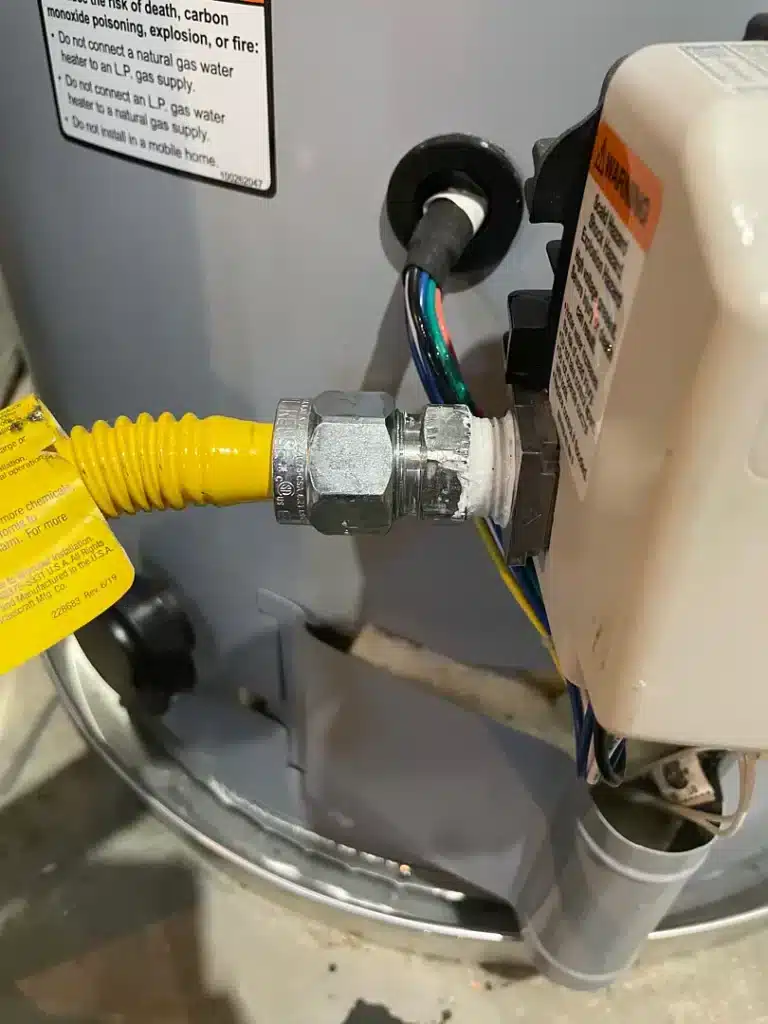
Repair Gas Leak at Water Heater - Thornton
Problem:Find and repair gas leak at water heater.
Found:Found small leak on gas flex connector.
Fixed:Turned off gas and disconnected i/2 union fitting. Applied pipe dope and tightened fitting. Turned on gas and tested all joints
Outcome:Tested and no leak.
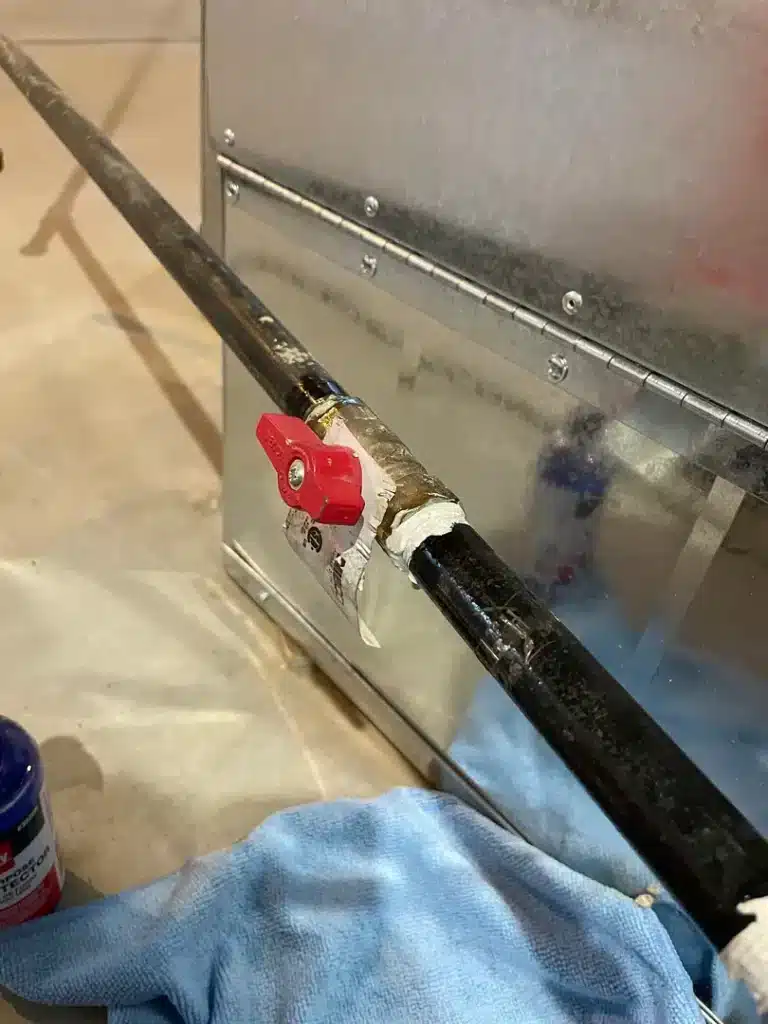
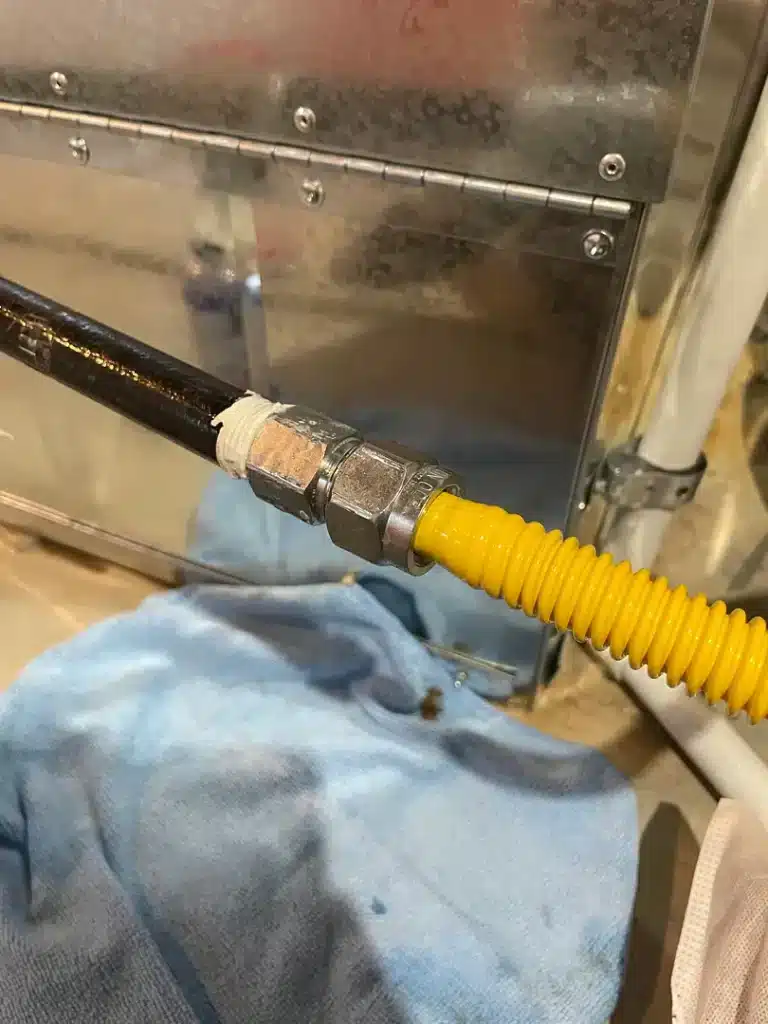
Hook up gas to new stove - Thornton
Problem:Gas to new stove.
Found:Replaced existing gas cock.
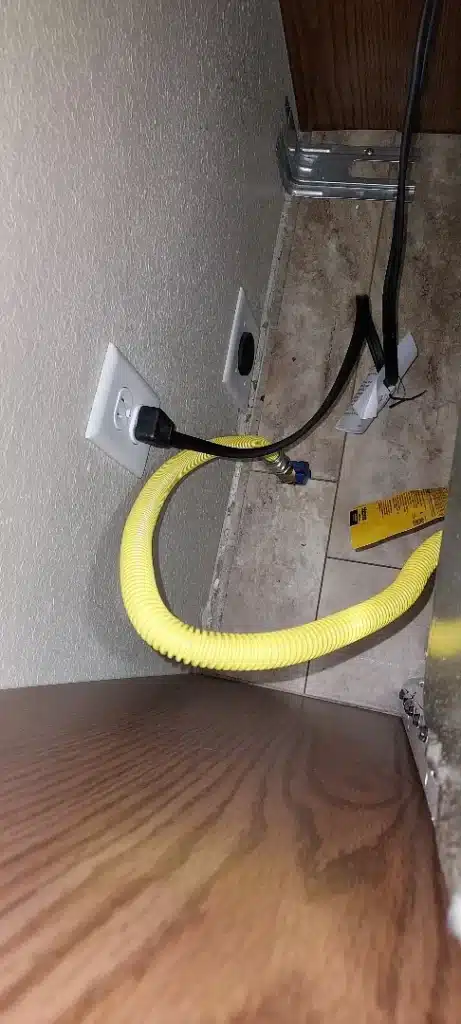
Fixed:Replace gas valve with new. Installed. Installed flexible gas supply provided by Arvada Appliance.
Outcome:Tested for function and gas leaks.
Natural Gas Infrastructure and Safety Statistics in Thornton
Xcel Energy serves as the primary natural gas provider throughout Thornton and the greater Denver metropolitan area, maintaining an extensive distribution network that delivers natural gas to over 1.5 million Colorado customers. Understanding local infrastructure conditions and safety trends provides context for gas leak repair needs in the community.
Colorado's Pipeline and Hazardous Materials Safety Administration (PHMSA) data indicates the state experiences approximately 15-25 significant gas distribution incidents annually, with the Denver metro area accounting for a substantial portion due to population density. While serious incidents remain relatively rare, minor leaks requiring professional repair occur far more frequently – particularly in communities like Thornton where housing stock spans multiple decades of construction standards.
Local Infrastructure Data Points
Xcel Energy operates over 23,000 miles of natural gas distribution lines across Colorado
Thornton's rapid population growth – from approximately 82,000 in 2000 to over 141,000 currently – has expanded the local gas distribution network substantially
Adams County building permit data shows continued residential construction, adding new gas service connections annually
The Colorado Public Utilities Commission requires utility companies to respond to reported gas odors within specific timeframes
How Infrastructure Age Affects Repair Needs
Thornton's development pattern means different neighborhoods connect to distribution mains installed across a 50+ year span. Older service lines in established areas may utilize materials and connection methods that differ from current standards. When these aging service lines require repair, coordination between homeowners, plumbing contractors, and utility providers becomes necessary to restore safe operation.
Recent infrastructure investment by Xcel Energy has focused on replacing older cast iron and bare steel mains with modern polyethylene piping. However, the service line from the main to your meter – typically the homeowner's responsibility – may still consist of older materials requiring professional evaluation and potential replacement.
Common signs of a gas leak include a faint sulfur smell, hissing sounds near gas lines, dead or dying vegetation around the gas line area, and an increase in your gas bill without explanation. If you notice any of these signs, it's important to act quickly and seek professional help.
Professionals use electronic detection equipment that can identify even the smallest gas leaks that are undetectable by human senses. They may also perform pressure tests on the gas system to confirm its integrity after repairs.
If you suspect a gas leak, evacuate the area immediately and avoid using any electrical devices or open flames. Once you are at a safe distance, call your local gas company or a certified gas leak repair service for assistance.
The duration of gas leak repair can vary depending on the severity of the leak and the complexity of the repairs needed. Generally, most repairs can be completed within a few hours to a day, but more extensive issues may take longer.
Many homeowners insurance policies cover gas leak repairs, but coverage can vary. It's best to check your specific policy or contact your insurance provider to understand what is included.
Hiring a professional is crucial because they have the expertise and specialized equipment to accurately detect and repair gas leaks safely. Attempting to fix a gas leak on your own can be dangerous and may lead to further issues.
Common causes of gas leaks in Thornton include aging infrastructure, temperature fluctuations that stress gas lines, and the settling of homes built on expansive clay soils. These factors can lead to compromised gas line integrity over time.