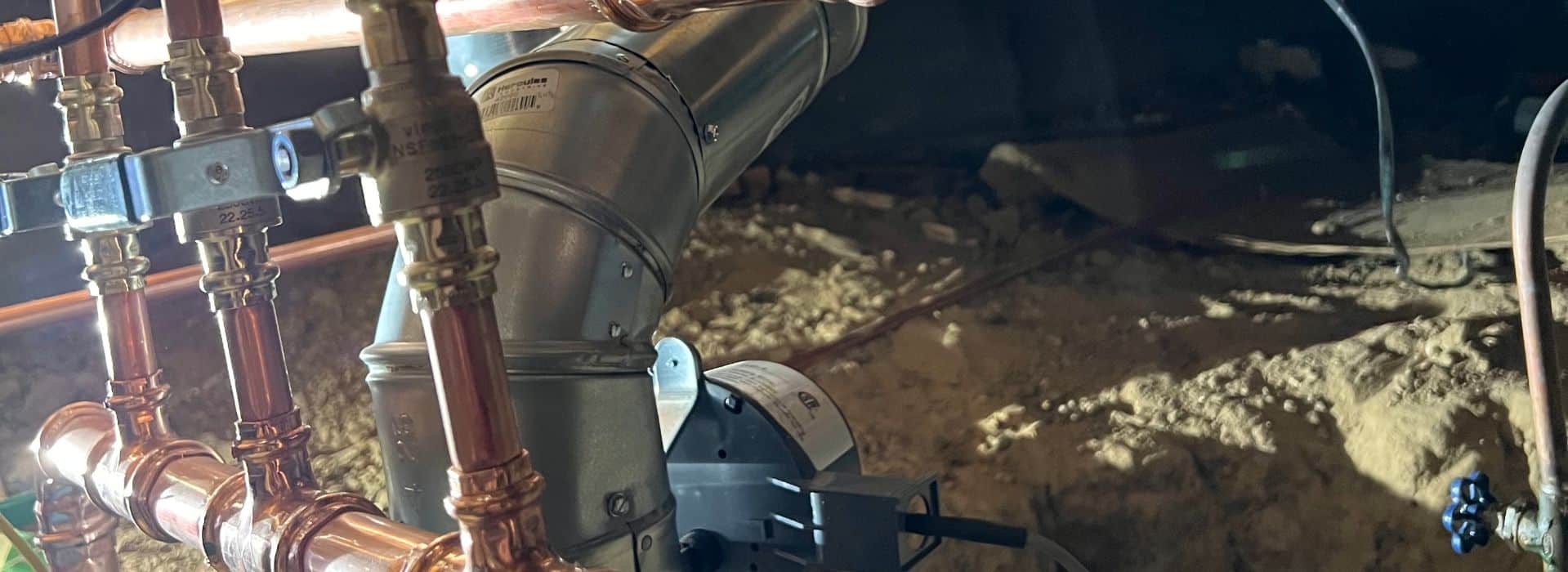
Gas leaks in Morrison, CO require immediate attention due to the serious risks they pose. The company specializes in detecting and repairing gas leaks, ensuring safety and compliance with local regulations.
They use specialized equipment for precise leak detection and repair in homes with various gas systems. Technicians are trained to handle the unique challenges posed by Morrison's elevation and climate. The service includes a thorough safety assessment and documentation of all findings and repairs.
Gas Leak Repair in Morrison, CO That faint sulfur smell near your furnace or the hissing sound coming from behind your stove – these moments demand immediate attention.
Gas leaks represent one of the most serious plumbing and heating emergencies any homeowner can face, and in Morrison’s mountain environment, the stakes are particularly high.
What is a gas leak and why is it serious?
A gas leak occurs when natural gas escapes from pipes or appliances, often indicated by a sulfur smell or hissing sound. It poses a serious risk to homeowners, especially in areas like Morrison, CO, where the environment can exacerbate the dangers, including potential explosions or health hazards.
Gas Leak Repair in Morrison, CO
That faint sulfur smell near your furnace or the hissing sound coming from behind your stove – these moments demand immediate attention. Gas leaks represent one of the most serious plumbing and heating emergencies any homeowner can face, and in Morrison's mountain environment, the stakes are particularly high.
Gas leak repair encompasses the detection, isolation, and correction of any breach in your home's natural gas delivery system. This includes gas lines running to furnaces, water heaters, stoves, fireplaces, and outdoor appliances. Professional repair involves specialized equipment to pinpoint leak locations, proper pipe fitting techniques, pressure testing, and safety verification before restoring service.
Professional diagnosis matters because gas leaks often occur in concealed spaces – behind walls, beneath flooring, or in underground service lines. Morrison homes face unique challenges from elevation-related pressure fluctuations, temperature extremes that stress pipe joints, and aging infrastructure in many foothill properties. A trained technician understands how these local factors interact with your gas system.
Immediate safety assessment and hazard mitigation to protect your household
Precision leak detection using electronic sensors and pressure testing equipment
Code-compliant repairs that meet Jefferson County and state regulations
Complete system verification before restoring gas service to your home
Morrison sits at approximately 5,800 feet elevation along Bear Creek, where the foothills meet the plains. This geographic position creates specific stressors on residential gas systems that differ from Denver metro homes just miles away.
The daily temperature swings in Morrison – sometimes 40 degrees or more between morning and afternoon – cause repeated expansion and contraction cycles in gas piping. Over time, this thermal cycling weakens threaded connections, loosens compression fittings, and fatigues flexible gas connectors. Homes built into hillsides face additional ground movement concerns as soil shifts seasonally.
Many Morrison properties date from the mid-20th century, featuring original black iron gas piping that has endured decades of these conditions. While black iron remains durable, the threaded joints and pipe dope sealants degrade over time. Newer homes may have corrugated stainless steel tubing (CSST), which requires proper bonding and protection from physical damage.
Local Factors Contributing to Gas Leak Risks
Elevation-related atmospheric pressure differences affecting gas flow and combustion
Extreme temperature fluctuations causing pipe joint stress and sealant breakdown
Rocky, shifting foothill soils that can stress underground gas service lines
Older housing stock with original gas piping approaching or exceeding 50 years of service
Wildlife activity – rodents and other animals can damage exposed gas lines in crawl spaces
Freeze-thaw cycles affecting foundation movement and connected gas piping
Warning Signs Morrison Residents Should Monitor
Rotten egg or sulfur odor near gas appliances or along exterior walls
Hissing, whistling, or roaring sounds near gas lines or meters
Dead vegetation in otherwise healthy landscaping above buried gas lines
Unexplained increases in gas utility bills
Pilot lights that repeatedly extinguish or burn with unusual colors
Physical damage to gas piping from renovation, pest activity, or settling
When you contact us about a suspected gas leak, our response follows a systematic protocol designed for safety first, then accurate diagnosis and lasting repair.
Our Gas Leak Response Process
Emergency triage: We assess the situation by phone to provide immediate safety guidance – whether to evacuate, ventilate, or shut off the gas supply at the meter
Rapid dispatch: A qualified technician arrives with specialized detection equipment and repair materials suited to Morrison's common gas piping types
Safety assessment: We verify safe conditions before entering, using combustible gas indicators to check ambient air levels throughout the home
Systematic detection: Electronic leak detectors trace the gas path from meter to each appliance, identifying all leak points – not just the obvious one
Isolation and repair: We shut down affected sections, perform repairs using appropriate materials and techniques, and verify each repair individually
Pressure testing: The entire system undergoes pressure testing to confirm integrity before any gas is restored
Final verification: We recheck all connections with detection equipment, verify proper appliance operation, and confirm safe combustion
Detection Methods and Repair Techniques
Electronic combustible gas detectors capable of sensing parts-per-million concentrations
Manometer pressure testing to identify leaks too small for electronic detection
Soapy solution testing for visual confirmation at accessible connections
Pipe thread sealant rated for natural gas and propane applications
Compression fitting repairs or replacement with proper ferrules and nuts
Flexible connector replacement when age or damage warrants
CSST bonding verification and correction when required
Throughout the process, we maintain clear communication about what we find, what repairs are needed, and what you can expect. We document our work and provide you with information about your system's condition.
Why Choose Cardom Plumbing & Heating
Gas work demands specific licensing, training, and experience that not every plumbing company possesses. Cardom Plumbing & Heating maintains all required state and local certifications for gas line work, with technicians who receive ongoing training in detection technology and repair methods. We carry proper insurance coverage for gas-related work – a detail worth verifying with any contractor you consider.
Our familiarity with Morrison's housing stock means we arrive prepared for what we typically encounter – whether that's original black iron piping in a 1950s ranch, CSST in a newer mountain contemporary, or propane systems serving homes beyond the natural gas service area. This local knowledge translates to faster, more accurate diagnosis and repairs that account for the specific challenges your home faces.
What Sets Our Gas Leak Service Apart
Licensed gas fitters with specific training in leak detection and repair
24/7 emergency availability for gas leak situations – these calls take priority
Comprehensive detection that checks your entire system, not just the reported problem area
Documentation of findings and repairs for your records and insurance purposes
Follow-up verification available if you have any concerns after service
Honest assessment of system condition – we tell you what we find, even if it's good news
We understand that a gas leak creates stress and uncertainty. Our approach emphasizes clear explanations, transparent pricing before work begins, and thorough verification that your home is safe when we leave.
Housing Characteristics & Gas Leak Repair Considerations
Morrison's housing stock reflects its evolution from a small foothill community to a desirable residential area. The town's approximately 430 residents live in homes spanning more than a century of construction methods and materials.
Construction Eras and Gas System Implications
Pre-1970s homes in Morrison often feature black iron gas piping with threaded connections throughout. These systems have proven durable but require attention at joints where decades of thermal cycling have stressed the original sealants. Many of these homes also have cast iron or steel gas valves that may not shut off completely after years of non-use.
1940s-1960s construction: Black iron piping, often with original brass valves and limited shutoffs
1970s-1990s homes: Mix of black iron and early flexible connectors, some with galvanized sections
2000s-present construction: CSST systems requiring proper electrical bonding, modern manifold designs
Renovated properties: Often contain mixed piping types where additions connect to original systems
Mountain Home Considerations
Many Morrison properties incorporate design elements that affect gas system access and maintenance. Homes built into slopes may have gas lines running through crawl spaces with limited clearance, making inspection challenging. Split-level and multi-story designs common in the area mean longer gas runs with more potential leak points.
Crawl space installations exposed to temperature extremes and moisture
Exterior gas lines on north-facing walls subject to ice accumulation
Fireplace gas logs and outdoor fire features adding system complexity
Backup generator connections requiring proper gas line sizing and isolation valves
Environmental Conditions & Gas Leak Repair Implications
Morrison's position at the mouth of Bear Creek Canyon creates a microclimate distinct from the surrounding metro area. These environmental factors directly influence gas system performance and maintenance needs.
Climate Impacts on Gas Infrastructure
Winter temperatures in Morrison regularly drop below zero, while summer afternoons can exceed 90 degrees. This 100-plus degree annual temperature range causes significant thermal expansion and contraction in gas piping. Metal pipes can expand and contract nearly a quarter inch per 10-foot length across this temperature range – movement that eventually loosens threaded connections.
Average of 140+ freeze-thaw cycles annually stressing pipe joints
Chinook wind events causing rapid temperature changes of 30-40 degrees in hours
Snow accumulation on exterior meter assemblies and regulators
UV exposure degrading flexible connectors and protective coatings on exterior piping
Soil and Ground Conditions
Morrison's geology features a mix of clay soils and rocky substrate typical of the Front Range foothills. This soil composition creates ground movement as moisture levels change seasonally. Underground gas service lines – the pipe running from the street to your meter – can experience stress from this soil movement, particularly where the line transitions from native soil to backfill near foundations.
Expansive clay soils causing seasonal ground heave near foundations
Rocky conditions that can damage pipe coatings during installation or settling
Drainage patterns along hillsides affecting soil moisture and stability
Root intrusion from mature trees common in established neighborhoods
Elevation Effects
At nearly 6,000 feet, Morrison's atmospheric pressure is roughly 17% lower than sea level. While gas appliances are adjusted for altitude during installation, this lower pressure affects how leaks behave. Gas escaping at elevation disperses differently than at lower altitudes, and combustion characteristics change – factors our technicians account for during diagnosis and repair verification.
Natural Gas Infrastructure and Safety Statistics in Morrison
Morrison falls within Xcel Energy's natural gas service territory, which serves the majority of Front Range communities. Understanding the regional infrastructure context helps explain why professional gas leak detection and repair matters for local homeowners.
According to data from the Pipeline and Hazardous Materials Safety Administration (PHMSA), Colorado reports an average of 15-20 significant gas distribution incidents annually – events causing injury, fatality, or substantial property damage. While major incidents remain relatively rare, the U.S. Department of Transportation estimates that excavation damage accounts for the leading cause of gas line failures, followed by corrosion and material failures in aging infrastructure.
Regional Gas Safety Considerations
Jefferson County's gas distribution network includes mains and service lines installed across multiple decades
Xcel Energy's ongoing pipeline replacement program prioritizes older cast iron and bare steel mains
Colorado law requires 811 notification before any excavation – critical in Morrison where many homes have buried propane tanks or gas lines
Local fire departments respond to approximately 300-400 gas odor calls annually across Jefferson County
For Morrison specifically, the mix of natural gas service in town and propane systems in outlying areas means technicians must be proficient with both fuel types. Propane – being heavier than air – presents different leak behavior than natural gas, pooling in low areas rather than rising and dispersing. This distinction affects detection protocols and safety procedures.
Why This Data Matters for Your Home
Aging infrastructure throughout the region means proactive inspection has value
Professional detection can identify small leaks before they become safety hazards
Proper repair documentation supports insurance claims and property transactions
Understanding your system's age and condition helps prioritize maintenance investments
Common signs of a gas leak include a faint sulfur smell, hissing sounds near gas lines, and dead or dying vegetation around the area. If you notice any of these signs, it's crucial to act quickly and evacuate the premises.
You can detect a gas leak by using your senses—smelling for the sulfur-like odor, listening for hissing sounds, or looking for dead plants near gas lines. For a more accurate assessment, consider hiring a professional who uses specialized equipment for leak detection.
If you suspect a gas leak, immediately evacuate everyone from the building and avoid using any electrical devices, including phones. Once you are at a safe distance, call your gas company or a professional repair service to report the leak.
Gas leak repair typically involves detecting the leak location, isolating the affected area, and replacing or repairing damaged pipes. Professionals use specialized tools and techniques to ensure the repair meets safety standards and regulations.
The cost of gas leak repair can vary based on the severity of the leak and the complexity of the repair. On average, homeowners in Morrison can expect to pay between a few hundred to several thousand dollars, depending on the work required.
Many homeowners insurance policies cover gas leak repairs, but coverage can vary. It's advisable to check your policy details or contact your insurance provider to understand what is included.
To prevent gas leaks, regularly inspect your gas appliances and lines for wear and tear, ensure proper ventilation, and schedule routine maintenance with a qualified technician. Additionally, consider installing a gas leak detector for added safety.