Gas leaks in Louisville, CO require immediate attention due to their serious nature and potential consequences. The process of gas leak repair involves detecting, locating, and sealing compromised gas lines to ensure safety and proper functioning of home systems.
Gas leaks can occur without obvious symptoms, making professional diagnosis critical. They can be caused by aging infrastructure, temperature fluctuations, and soil conditions unique to the area. Cardom Plumbing & Heating offers a systematic approach to gas leak repair, prioritizing safety and efficiency.
Gas Leak Repair in Louisville, CO That faint sulfur smell near your furnace or the hissing sound coming from behind your stove – these moments demand immediate attention.
Gas leaks represent one of the most serious plumbing and heating emergencies homeowners face, combining invisible danger with the potential for catastrophic consequences.
What is gas leak repair?
Gas leak repair involves identifying and fixing leaks in gas lines to prevent dangerous situations, such as explosions or poisoning. It is crucial for homeowners, especially in areas like Louisville, where natural gas is commonly used for heating and cooking. Prompt attention to gas leaks ensures safety and protects property.
Gas Leak Repair in Louisville, CO
That faint sulfur smell near your furnace or the hissing sound coming from behind your stove – these moments demand immediate attention. Gas leaks represent one of the most serious plumbing and heating emergencies homeowners face, combining invisible danger with the potential for catastrophic consequences. In Louisville's Front Range community, where natural gas powers the majority of home heating systems, water heaters, and cooking appliances, understanding gas leak repair isn't optional – it's a safety imperative.
Gas leak repair encompasses the complete process of detecting, locating, and sealing compromised gas lines throughout your home's fuel delivery system. This specialized service addresses failures in supply lines, connector hoses, appliance fittings, shut-off valves, and buried exterior piping. Professional diagnosis matters here more than with almost any other home system because gas leaks can exist without obvious symptoms, accumulating silently until reaching dangerous concentrations.
Louisville's unique combination of factors creates specific gas system vulnerabilities:
Elevation at 5,335 feet affects gas combustion and appliance calibration
Dramatic temperature swings – sometimes 40+ degrees in a single day – stress pipe joints and fittings
Aging infrastructure in established neighborhoods means decades-old gas lines approaching end-of-life
Expansive clay soils shift seasonally, placing underground gas lines under mechanical stress
When gas systems fail in this environment, the repair requires both technical precision and local expertise to address the root cause rather than just the immediate symptom.
Gas leak repair demands a systematic approach that prioritizes safety while efficiently identifying and resolving the source. Our process reflects years of experience handling gas emergencies throughout the Louisville area.
Our Gas Leak Repair Process
Emergency Response and Safety Assessment – Upon arrival, our technician performs an immediate safety evaluation, checking for dangerous gas concentrations and ensuring proper ventilation before any diagnostic work begins.
Systematic Leak Detection – Using combustible gas detectors and electronic sniffers, we trace your entire gas system from the meter through every branch line, appliance connector, and fitting.
Pressure Testing – We isolate system sections and perform pressure decay tests to identify even microscopic leaks that electronic detection might miss.
Source Identification and Documentation – Once located, we document the leak source, assess the surrounding system condition, and determine whether repair or replacement offers the better long-term solution.
Professional Repair Execution – Repairs are completed using appropriate materials and techniques for the specific pipe type, location, and application – whether that means re-threading joints, replacing corroded sections, or installing new connectors.
System Verification – After repair, we pressure test the entire system again, verify all connections with leak detection solution, and confirm proper operation of affected appliances.
Safety Documentation – You receive complete documentation of work performed, test results, and any recommendations for additional system improvements.
Detection Methods and Repair Techniques
Our technicians employ multiple diagnostic approaches to ensure no leak goes undetected:
Electronic combustible gas analyzers capable of detecting parts-per-million concentrations
Ultrasonic leak detectors that identify the sound signature of escaping gas
Pressure manometers for precise system integrity testing
Bubble solution application for visual confirmation at suspected leak points
Infrared cameras for identifying temperature anomalies in concealed piping
Repair methods match the specific failure type. Threaded connections receive proper joint compound rated for natural gas service. Corroded pipe sections are cut out and replaced with appropriate materials – black iron, CSST, or approved alternatives depending on location and code requirements. Flexible connectors are replaced rather than repaired, using current-generation products that meet updated safety standards.
Gas work requires specific licensing, training, and experience that not every plumbing company possesses. Cardom Plumbing & Heating maintains full gas line repair and installation certification, carries appropriate insurance coverage for gas system work, and employs technicians who regularly update their training on evolving codes and best practices. We understand the specific requirements of Colorado gas installations – including altitude adjustments, local code variations, and the particular challenges of Front Range conditions.
Our presence in the Louisville community means we've worked on homes throughout every neighborhood – from historic downtown properties to newer developments in the surrounding areas. This local experience translates into faster diagnosis because we recognize common installation patterns, know which eras of construction tend toward specific problems, and understand how Louisville's soil and climate conditions affect buried gas infrastructure.
What Sets Our Gas Leak Service Apart
24/7 emergency response for gas leak situations – because gas emergencies don't wait for business hours
Fully equipped service vehicles carrying diagnostic tools and common repair materials for same-visit resolution
Direct communication with the technician handling your repair – no call center intermediaries
Coordination with Xcel Energy when meter-side issues require utility involvement
Follow-up verification available to confirm repair integrity after system has been back in service
We approach every gas leak call with appropriate urgency while maintaining the methodical diagnostic process that ensures complete resolution. Rushing gas work creates new hazards – but neither do we waste time when safety is at stake.
Housing Characteristics & Gas Leak Repair Considerations
Louisville's residential landscape reflects over a century of development, creating a diverse housing stock with equally varied gas system configurations. Understanding these characteristics helps homeowners recognize their specific vulnerabilities and maintenance needs.
Historic and Mid-Century Homes
Properties built before 1970 – concentrated in Louisville's original downtown grid and surrounding historic neighborhoods – typically feature:
Black iron gas piping throughout, often with original threaded fittings now 50-80+ years old
Gas lines routed through walls and floors with minimal accessibility for inspection
Older meter installations that may have experienced decades of ground settlement
Multiple system modifications as appliances were added, removed, or relocated over the decades
Original construction predating modern seismic and safety standards for gas installations
These homes require particular attention to joint integrity and pipe condition. Thread sealant compounds used in earlier eras degrade over time, and the cumulative stress of thermal cycling eventually loosens even properly installed connections.
1970s Through 1990s Construction
Homes from this era – representing much of Louisville's suburban expansion – often contain:
Combination of black iron main lines with brass fittings and early flexible connectors
Gas lines in unfinished basement and crawlspace areas with better accessibility
Original water heaters and furnaces now approaching or exceeding typical service life
Connector technology that has since been superseded by safer designs
Newer Construction Considerations
Homes built since 2000 increasingly use corrugated stainless steel tubing – CSST – for gas distribution. While this material offers installation advantages, it requires proper bonding to the electrical grounding system to prevent damage from lightning-induced electrical surges. Many Louisville homes with CSST installations lack adequate bonding, creating a hidden vulnerability that only becomes apparent during inspection or after a damaging event.
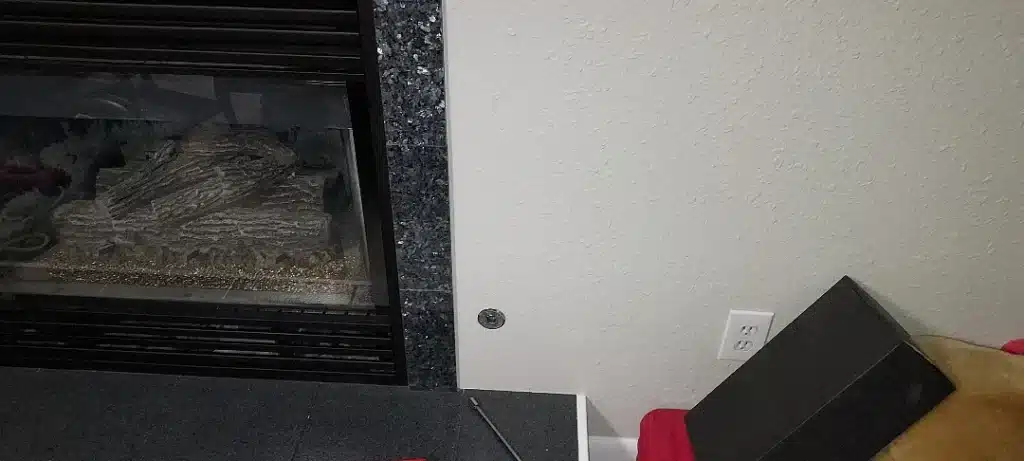
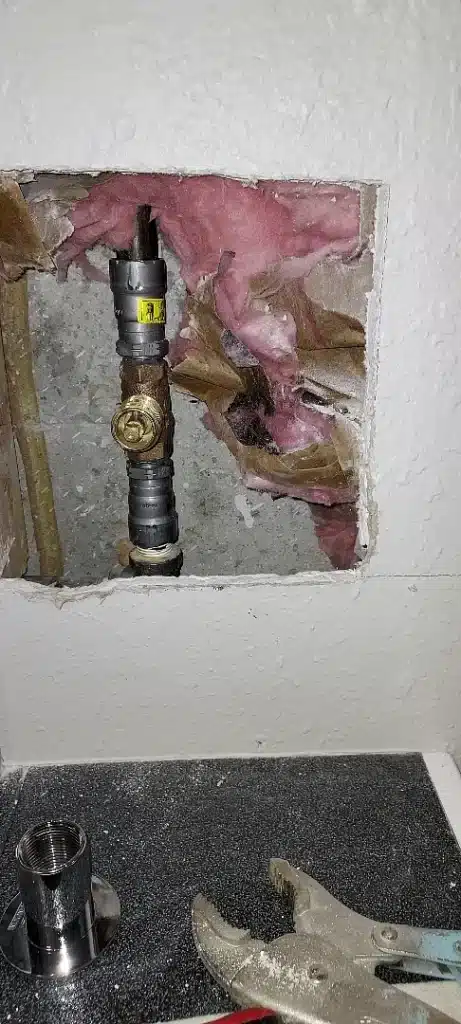
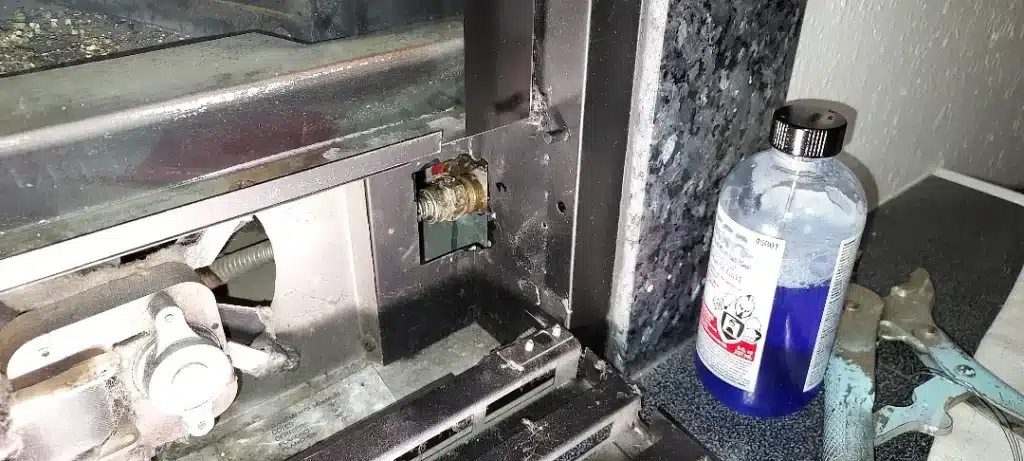
Recent Work
Log Lighter Valve is Leaking - Louisville
Problem:Gas valve to fireplace is leaking
Found:Old valve
Fixed:Installed the new valve. Turned on gas to test for leaks.
Environmental Conditions & Gas Leak Repair Implications
Louisville's Front Range environment creates specific stresses on gas infrastructure that homeowners should understand. These conditions influence both the likelihood of gas system failures and the appropriate repair approaches.
Climate Impacts on Gas Systems
The Denver-Boulder metro area experiences temperature extremes that directly affect gas piping and connections:
Winter lows frequently drop below 0°F, causing metal contraction that stresses threaded joints
Summer highs exceeding 90°F create expansion that can loosen fittings tightened during cooler conditions
Rapid temperature swings – common during chinook wind events – create thermal shock that accelerates material fatigue
Extended cold periods increase gas system demand, raising operating pressures and stressing vulnerable components
Soil Conditions and Underground Gas Lines
Louisville sits on expansive clay soils that swell when wet and shrink during dry periods. This seasonal soil movement creates mechanical stress on buried gas service lines running from the street to your meter. The effect is particularly pronounced in areas where:
Mature trees have root systems near gas line routes
Drainage patterns concentrate moisture along gas line paths
Foundation settlement has occurred, shifting entry points where gas lines penetrate building envelopes
Altitude Effects on Gas Combustion
At Louisville's elevation, natural gas burns with approximately 17% less oxygen than at sea level. This affects appliance performance and can mask certain gas leak symptoms. Appliances not properly adjusted for altitude may produce incomplete combustion, generating carbon monoxide and potentially creating conditions where gas odors are less noticeable. Proper gas leak repair in this environment includes verifying that appliance combustion is correctly calibrated for local conditions.
Natural Gas Infrastructure and Service Data in Louisville
Louisville's natural gas service, provided primarily by Xcel Energy, supplies approximately 8,500 residential meters throughout the community. The distribution system includes both vintage infrastructure serving the historic core and modern installations in newer developments. Understanding this infrastructure context helps homeowners appreciate their gas system's place within the broader network.
Key infrastructure facts relevant to Louisville gas leak repair:
Xcel Energy responds to approximately 12,000 gas odor calls annually across their Colorado service territory – many resulting from minor leaks that homeowners initially dismissed
The average residential gas service line in established Louisville neighborhoods is 35-45 years old, approaching the point where corrosion-related failures become more common
Colorado requires gas line pressure testing before any new appliance installation or following any line modification – a standard Cardom maintains on all repair work
Local code requires gas shut-off valves within 6 feet of each appliance – many older Louisville homes lack compliant valve placement
Regional Gas Safety Statistics
Colorado's Public Utilities Commission tracks gas-related incidents statewide, with data showing that residential gas leaks most commonly originate at appliance connections rather than main distribution lines. This pattern holds true in Louisville, where the combination of aging connector technology and repeated appliance servicing creates vulnerability points. The commission's data indicates that homes with gas systems over 25 years old experience leak incidents at roughly three times the rate of newer installations – a statistic that underscores the importance of proactive inspection in Louisville's established neighborhoods.
Xcel Energy offers free gas line inspections from the meter to your home's exterior – but interior gas piping falls outside their scope. This is where professional plumbing and heating contractors fill the gap, providing the interior system inspection and repair services that complete your home's gas safety picture.
Common Gas Leak Issues in Louisville, CO
Louisville sits in a geographic zone where multiple environmental factors converge to challenge gas system integrity. The town's location along the Front Range means homes experience freeze-thaw cycles that can exceed 100 occurrences per winter season. Each cycle causes minute expansion and contraction in metal fittings, gradually loosening threaded connections and fatiguing flexible connectors over years of service.
The community's housing stock spans multiple construction eras, each with distinct gas system characteristics. Homes built during Louisville's coal mining days through the mid-20th century often contain original cast iron or galvanized steel gas piping that has exceeded its intended service life. Meanwhile, construction from the 1970s through 1990s frequently used brass fittings and early-generation flexible connectors that are now showing age-related failures. Even newer homes aren't immune – rapid construction during boom periods sometimes resulted in installation shortcuts that manifest as problems decades later.
Louisville residents commonly encounter these gas leak scenarios:
Corroded underground service lines where soil moisture and mineral content accelerate metal deterioration
Failed appliance connectors behind ranges, dryers, and water heaters – especially units that have been moved or serviced
Cracked furnace manifolds and heat exchanger components stressed by altitude-adjusted combustion
Loose meter connections following ground settlement or freeze damage
Deteriorated thread sealant on interior gas line joints in older homes
Damaged gas lines from renovation work, pest activity, or foundation movement
Warning Signs That Demand Immediate Attention
Gas leak symptoms range from obvious to subtle. The mercaptan odorant added to natural gas creates that distinctive rotten egg smell, but small leaks may only produce faint odors that come and go. Watch for these indicators:
Sulfur or rotten egg smell anywhere in your home, especially near gas appliances
Hissing, whistling, or roaring sounds near gas lines or appliances
Dead vegetation in unusual patterns above buried gas lines
Higher-than-expected gas bills without increased usage
Pilot lights that repeatedly extinguish
Yellow or orange burner flames instead of steady blue
Physical symptoms like headaches, dizziness, or nausea when home
Common signs of a gas leak include a faint sulfur smell, hissing sounds near gas appliances, and dead or dying vegetation around gas lines. If you notice any of these symptoms, it's important to act quickly and call a professional for assistance.
If you suspect a gas leak, immediately evacuate everyone from the area and avoid using any electrical devices, including phones. Once you are at a safe distance, call your gas company or a qualified technician to report the leak and request emergency assistance.
Gas leak repair involves detecting the leak, assessing the damage, and then sealing or replacing the compromised gas lines. Professionals use specialized equipment to locate the leak and ensure that all repairs meet safety standards.
It is not advisable to attempt to fix a gas leak yourself due to the potential dangers involved. Gas leaks can lead to serious safety hazards, and only trained professionals should handle repairs to ensure safety and compliance with local codes.
The cost of gas leak repair can vary based on the severity of the leak and the complexity of the repair. On average, homeowners can expect to pay anywhere from a few hundred to several thousand dollars, depending on the extent of the work needed.
Addressing a gas leak quickly is crucial because gas leaks can lead to explosions, fires, and health risks from inhalation. Prompt action not only protects your property but also ensures the safety of everyone in the vicinity.
To prevent gas leaks, regularly inspect your gas appliances and lines for wear and tear, ensure proper ventilation, and schedule routine maintenance with a qualified technician. Additionally, consider installing a gas leak detector for added safety.